
How to Clean Frying Pan After Use

Keeping your frying pan clean after every use is key to maintaining its performance and longevity. In this guide, you’ll learn easy and practical steps to clean your frying pan properly, including tips for different materials and how to tackle stubborn stains.
Key Takeaways
- Clean promptly: Washing your frying pan soon after cooking prevents food from sticking and makes cleaning easier.
- Use the right tools: Soft sponges and non-abrasive scrubbers protect your pan’s surface while effectively cleaning.
- Different pans need different care: Cast iron, non-stick, stainless steel, and ceramic pans each require unique cleaning methods.
- Remove stubborn residue: Soaking and gentle scrubbing help lift tough burnt-on food without damaging the pan.
- Dry thoroughly: Proper drying prevents rust and maintains the pan’s condition for longer use.
- Re-season cast iron pans: Regular seasoning keeps cast iron non-stick and rust-free.
- Avoid harsh chemicals: Stick to natural or mild detergents to preserve your pan’s coating and material.
How to Clean Frying Pan After Use: A Complete Guide
Cleaning your frying pan after use might seem like a simple task, but doing it right can extend its lifespan and improve your cooking experience. Whether you have a non-stick, cast iron, stainless steel, or ceramic pan, this guide will walk you through the best cleaning methods. You’ll learn practical, easy-to-follow steps that keep your frying pan looking great and performing well every time.
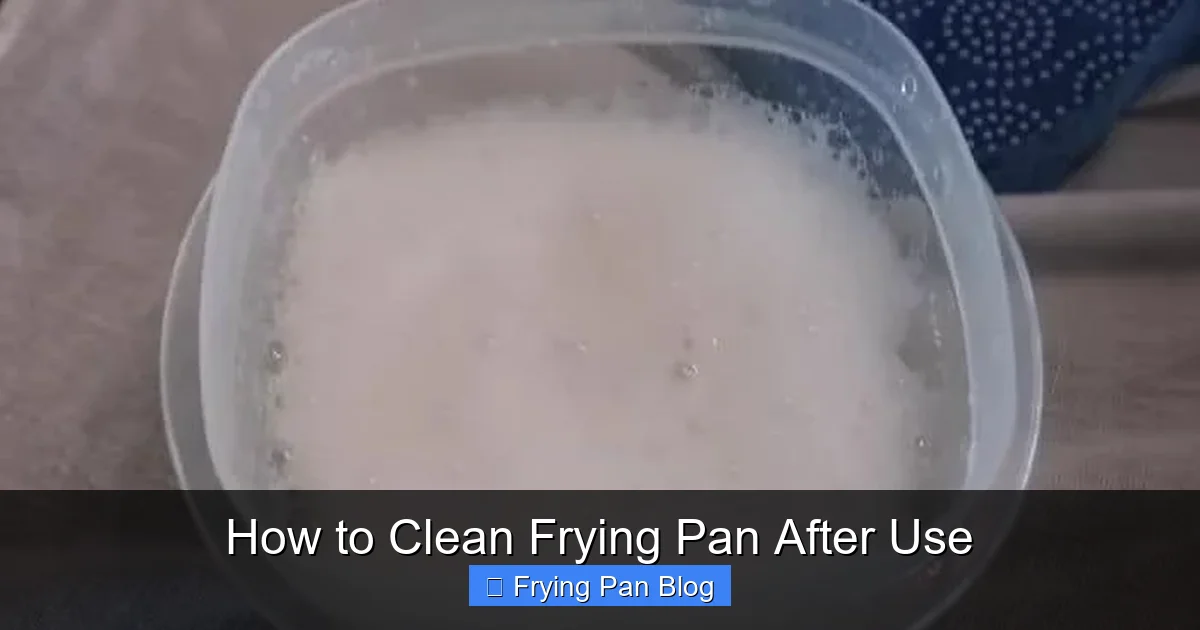
Step 1: Let Your Pan Cool Down
After cooking, it’s important to let your frying pan cool before cleaning it. Plunging a hot pan into cold water can cause warping or damage, especially with certain materials like cast iron or stainless steel.
Visual guide about How to Clean Frying Pan After Use
Image source: diyjoy.com
Why Cooling Matters
- Cools the pan gradually to prevent damage.
- Reduces risk of burns when handling.
- Allows food residue to loosen slightly, making cleaning easier.
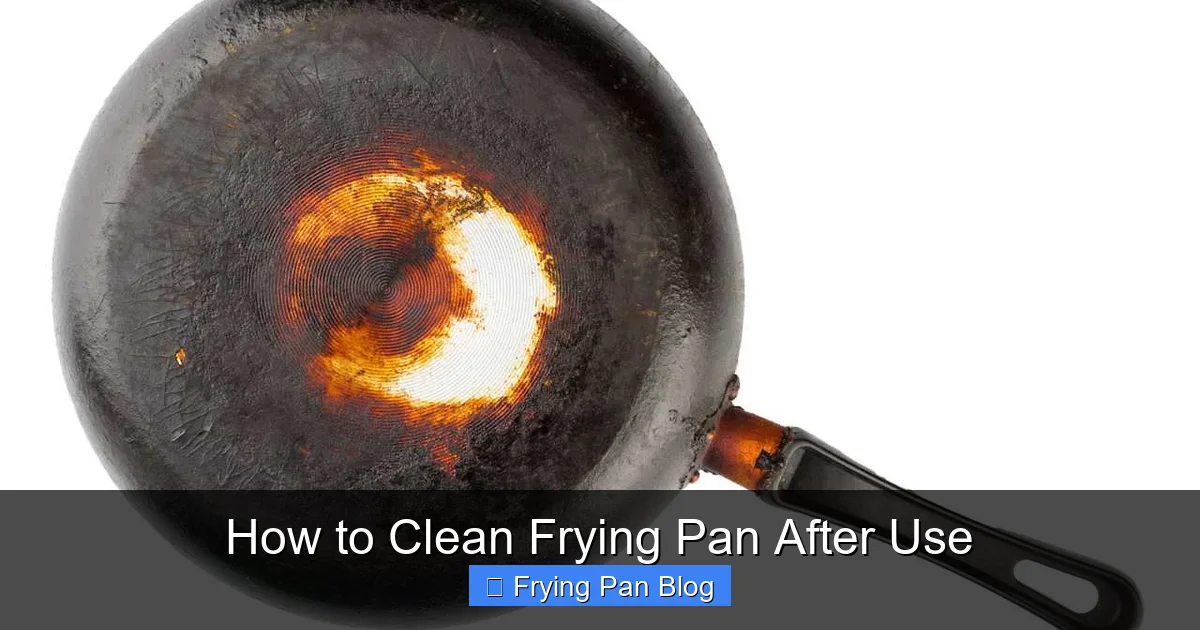
Step 2: Remove Excess Food and Oil
Once the pan has cooled, use a spatula or paper towel to scrape off leftover food bits and wipe away excess oil. This makes washing more effective and reduces grease buildup.
Visual guide about How to Clean Frying Pan After Use
Image source: thepancity.com
Tips for Removing Food
- Use a silicone or wooden spatula to avoid scratching the surface.
- Wipe with paper towels to soak up oils before washing.
Step 3: Choose the Right Cleaning Method Based on Pan Type
Different types of frying pans need tailored care. Here’s how to clean common frying pan materials:
Non-Stick Pans
- Use warm water with mild dish soap.
- Clean with a soft sponge or cloth to protect the coating.
- Avoid abrasive scrubbers or harsh detergents.
- For stuck-on food, soak the pan for 10-15 minutes before washing.
Cast Iron Pans
- Rinse with hot water; avoid soap if possible.
- Use a stiff brush or non-metal scrubber to remove residue.
- For stubborn bits, simmer water in the pan for a few minutes, then scrub.
- Dry immediately and apply a thin layer of oil to maintain seasoning.
Stainless Steel Pans
- Use warm water, dish soap, and a sponge or nylon scrubber.
- For burnt food, soak the pan or boil water with baking soda in it to loosen debris.
- Avoid steel wool which can scratch the surface.
Ceramic Pans
- Wash with mild detergent and a soft sponge.
- Do not use abrasive materials or harsh chemicals.
- Soak to loosen food if needed, then gently scrub.
Step 4: Wash Your Frying Pan Thoroughly
Follow the appropriate cleaning method for your pan type and wash the frying pan thoroughly with warm water and your chosen detergent. Make sure to reach all the edges and corners to remove any hidden grease or food particles.
Practical Washing Tips
- Use circular motions with your sponge to lift residue effectively.
- Rinse well to remove all soap, as leftover detergent can affect future cooking.
- Inspect the pan to ensure no food bits remain stuck.
Step 5: Dry Your Pan Completely
Drying your frying pan well is essential to prevent rust, especially for cast iron and carbon steel pans. Use a clean towel or paper towel to dry the pan immediately after washing.
Extra Drying Techniques
- Place the pan on low heat on the stove for a few minutes to evaporate any remaining moisture.
- For cast iron, after drying, apply a light coat of cooking oil to keep it seasoned.
Step 6: Store Your Frying Pan Properly
Proper storage helps maintain your frying pan’s condition. Store pans in a dry place, and if stacking multiple pans, place a soft cloth or paper towel between them to prevent scratches.
Storage Tips
- Hang pans to save space and avoid scratches.
- Keep lids separate or inverted to avoid trapping moisture.
Troubleshooting Common Frying Pan Cleaning Issues
Stubborn Burnt-On Food
If food is stuck and won’t come off with regular washing, try soaking the pan in warm water with baking soda or dish soap for 30 minutes. For cast iron, simmer water inside the pan to loosen residue.
White Spots on Non-Stick Pans
White spots can form from mineral deposits in hard water. Wipe the pan with a vinegar-water mixture, rinse, and dry thoroughly to remove them.
Rust on Cast Iron
If rust appears, scrub it off with steel wool, rinse, dry, and re-season the pan by applying oil and heating it.
Additional Tips for Maintaining Your Frying Pan
- Always avoid metal utensils on non-stick surfaces to prevent scratches.
- Don’t use dishwasher for cast iron or some non-stick pans as it can damage them.
- Regularly re-season cast iron pans to keep them non-stick and rust-free.
- Use natural cleaning agents like baking soda and vinegar for tough stains.
Conclusion
Knowing how to clean your frying pan after use is essential for keeping your cookware in excellent shape. By following these simple steps, you can ensure your pans stay clean, safe, and ready for your next delicious meal. Remember to tailor your cleaning approach based on the type of pan, dry it thoroughly, and store it properly. With a little care, your frying pan will last for years to come!
🎥 Related Video: Easy way to clean and care for Cast Iron Skillet #lodgecastiron
📺 Yuliya Pav