
How to Clean Frying Pan with Vinegar

In this guide, you will learn how to clean frying pan with vinegar using simple, natural methods. Whether your pan is greasy, stained, or smells bad, vinegar offers an easy and eco-friendly solution to restore its shine and cleanliness.
Key Takeaways
- Natural cleaning: Vinegar is a safe, effective alternative to harsh chemicals for cleaning frying pans.
- Grease removal: Vinegar helps break down stubborn grease and food residue with ease.
- Stain elimination: Regular vinegar cleaning can lift burnt-on stains and discoloration.
- Deodorizing: Vinegar neutralizes odors trapped in pans after cooking strong-smelling foods.
- Simple steps: Cleaning with vinegar requires minimal effort and common household items.
- Versatile use: Suitable for stainless steel, non-stick, and cast iron frying pans with proper care.
- Eco-friendly: Vinegar is biodegradable and safe for the environment compared to chemical cleaners.
How to Clean Frying Pan with Vinegar: A Complete Step-by-Step Guide
If your frying pan has seen better days, don’t rush to replace it just yet. With a little vinegar and some simple steps, you can restore your pan to its gleaming best. This guide will teach you how to clean frying pan with vinegar effectively, whether your pan is coated in stubborn grease, burnt-on food, or lingering odors. Vinegar is a versatile, natural cleaner that’s safe and affordable. Let’s dive into the process!
Why Choose Vinegar to Clean Your Frying Pan?
Vinegar is a mild acid, which makes it excellent for cutting through grease and dissolving mineral deposits. It’s also gentle enough to protect your pan’s surface if used correctly. Unlike harsh chemical cleaners, vinegar is non-toxic, safe around children and pets, and environmentally friendly.
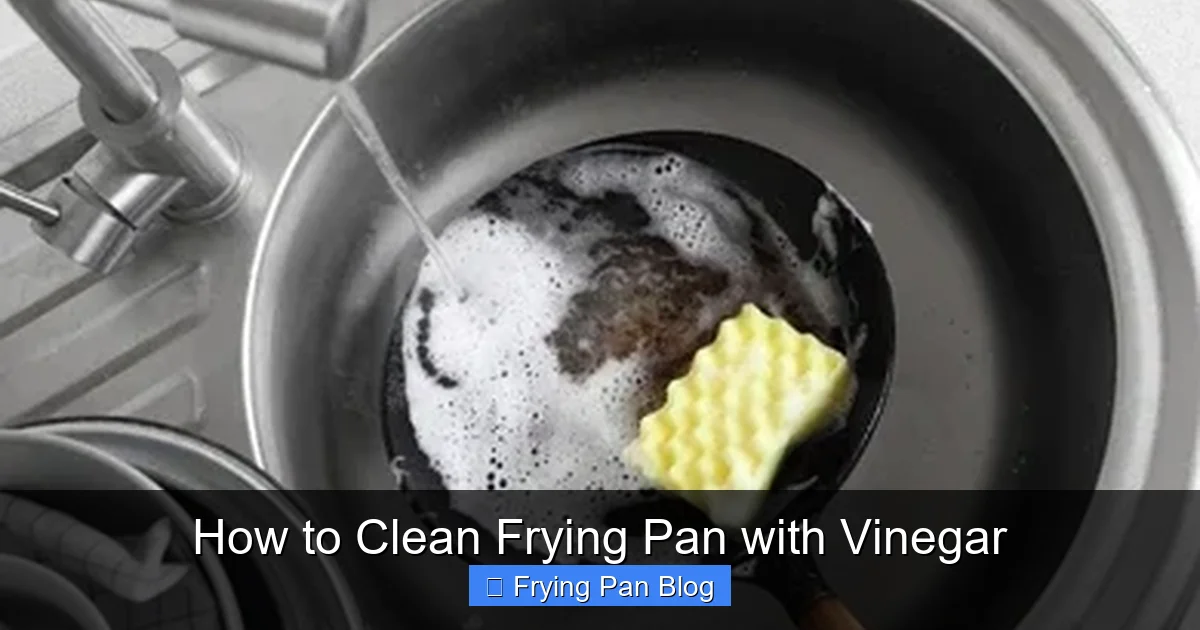
Visual guide about How to Clean Frying Pan with Vinegar
Image source: shutterstock.com
Step 1: Gather Your Cleaning Supplies
Before you start, make sure you have the following items ready:
Visual guide about How to Clean Frying Pan with Vinegar
Image source: c8.alamy.com
- White distilled vinegar
- Warm water
- Soft sponge or cloth
- Non-abrasive scrubber (optional)
- Baking soda (optional for tough stains)
- Dish soap
- Paper towels or soft towel for drying
Step 2: Prepare Your Frying Pan
Remove Loose Debris
Start by scraping off any leftover food or loose debris from the pan using a spatula or paper towel. This makes the vinegar cleaning more effective.
Rinse the Pan
Rinse the pan with warm water to get rid of initial grease and particles. This step preps the surface for vinegar action.
Step 3: Apply Vinegar Solution
Create a Vinegar and Water Mix
Mix equal parts white vinegar and warm water in the pan. For example, if your pan holds two cups, use one cup vinegar and one cup water.
Heat the Solution
Place the pan on the stove and bring the vinegar-water solution to a gentle boil. The heat helps loosen stubborn grease and burnt residues.
Simmer for 5-10 Minutes
Let the solution simmer for 5 to 10 minutes. Keep an eye on it to ensure it doesn’t evaporate completely. This simmering action softens tough stains.
Step 4: Scrub the Pan Gently
Allow the Pan to Cool Slightly
After simmering, turn off the heat and let the pan cool for a few minutes so it’s safe to handle.
Use a Soft Sponge or Non-Abrasive Scrubber
Dip your sponge or scrubber into the solution and gently scrub the pan’s surface. Focus on areas with burnt or greasy spots. Avoid abrasive pads that can scratch your pan.
Step 5: Optional Deep Cleaning with Baking Soda
Sprinkle Baking Soda on Tough Stains
If some stains persist, sprinkle a thin layer of baking soda over the affected areas.
Add a Little Vinegar
Pour a small amount of vinegar over the baking soda. It will fizz and bubble, helping to lift stubborn grime.
Scrub and Rinse
Gently scrub again with your sponge, then rinse thoroughly with warm water.
Step 6: Wash and Rinse Thoroughly
Wash the frying pan using regular dish soap and warm water to remove any vinegar or baking soda residue.
Rinse well to ensure no cleaning agents remain, which could affect the taste of future meals or damage the pan.
Step 7: Dry and Store Your Frying Pan
Use a clean towel or paper towels to dry your pan completely. Storing a dry pan prevents rust, especially for cast iron or carbon steel pans.
Tips for Cleaning Different Types of Frying Pans
- Non-stick pans: Use only gentle scrubbing tools to protect the coating. Avoid boiling vinegar; instead, soak with vinegar-water at room temperature.
- Cast iron pans: Avoid soaking for long periods. Use vinegar sparingly and dry immediately to prevent rust.
- Stainless steel pans: Vinegar works great for removing discoloration and stuck-on food. Boil the solution as described.
Troubleshooting Common Problems
Stubborn Burnt-on Food Won’t Come Off
Try repeating the vinegar simmering process or use baking soda and vinegar paste for stronger action. For extremely burnt pans, a mixture of vinegar and salt can add gentle abrasiveness.
Pan Smells Like Vinegar After Cleaning
Rinse and wash your pan thoroughly with dish soap and warm water. Dry it well. The vinegar smell should dissipate quickly.
Vinegar Damaged My Pan Surface
Always dilute vinegar and avoid prolonged soaking, especially on sensitive surfaces like non-stick or cast iron pans. If unsure, test on a small area first.
Conclusion
Cleaning your frying pan with vinegar is a simple, effective, and natural way to keep your cookware looking great. This method cuts grease, lifts stains, and removes odors without harmful chemicals. By following these step-by-step instructions and tips, you can extend the life of your frying pans and cook with confidence. Next time your pan needs a refresh, reach for the vinegar—you’ll be surprised how well it works!
🎥 Related Video: Pots and pans Cleaning Hack by Ramdeep Osahan
📺 Kim’s Kitchen Affair