
How to Clean Frying Pan with Salt

Cleaning your frying pan with salt is a simple, natural way to remove stuck-on food and grease. This guide covers easy steps and practical tips to restore your pan’s shine without damaging its surface.
Key Takeaways
- Natural Scrubbing Agent: Salt works as a gentle abrasive that helps remove food residue without scratching your pan.
- Safe for Various Materials: You can use salt on cast iron, stainless steel, and non-stick pans with proper care.
- Cost-Effective Cleaning: Salt is an inexpensive, eco-friendly alternative to harsh chemical cleaners.
- Easy to Use: The process requires minimal tools and time, making it accessible for any home cook.
- Maintains Pan Longevity: Regular cleaning with salt can help prevent build-up that degrades pan quality.
- Combines Well with Other Ingredients: Salt pairs with oil, lemon, or vinegar for enhanced cleaning effects.
- Troubleshooting Tips: Guidance on handling tough stains and avoiding damage is included.
How to Clean Frying Pan with Salt
Keeping your frying pan clean is essential for cooking delicious meals and prolonging your cookware’s life. If you’re tired of scrubbing endlessly or using harsh chemicals, cleaning your frying pan with salt is a fantastic natural alternative. Salt acts as a gentle abrasive to lift stubborn food particles and grease without harming your pan’s surface. In this guide, you’ll learn step-by-step how to use salt effectively, tips for different types of frying pans, and how to troubleshoot common problems.
Why Use Salt to Clean Your Frying Pan?
Salt is a natural and safe cleaning agent with mild abrasive properties. It helps break down burnt food and grease, making scrubbing easier while protecting your pan from scratches. Unlike synthetic cleaners, salt won’t leave harmful residues. Plus, it’s inexpensive and readily available in your kitchen.
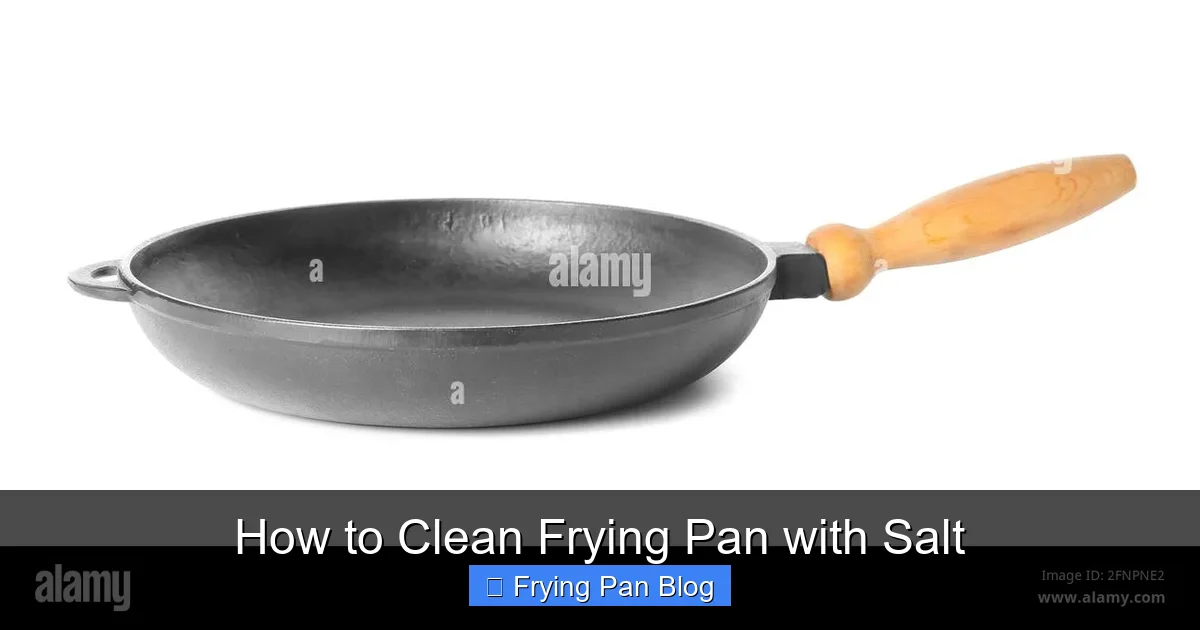
Visual guide about How to Clean Frying Pan with Salt
Image source: c8.alamy.com
What You’ll Need
- Coarse salt (such as kosher salt or sea salt)
- Warm water
- Soft sponge or cloth
- Paper towels or clean kitchen towel
- Optional: lemon, vinegar, or vegetable oil
Step-by-Step Instructions
Step 1: Cool and Empty the Pan
After cooking, allow your frying pan to cool down slightly but not completely cold. Remove any loose food debris by rinsing under warm water. It’s easier to clean when the pan is still a bit warm but safe to handle.
Visual guide about How to Clean Frying Pan with Salt
Image source: static.vecteezy.com
Step 2: Sprinkle a Generous Amount of Salt
Pour a good layer of coarse salt over the bottom surface of the pan. The salt will act as a mild abrasive to help scrub off stuck food. Use enough salt to cover all areas that need cleaning.
Step 3: Add Warm Water
Pour a small amount of warm water into the pan to create a gritty paste with the salt. This paste enhances the scrubbing power and helps lift grime without scratching the surface.
Step 4: Scrub Gently Using a Sponge or Cloth
Using a soft sponge or cloth, gently scrub the salt paste over the pan’s surface. For cast iron pans, use a stiff brush or non-metallic scrubber to avoid damaging the seasoning. Work in circular motions focusing on burnt or greasy spots.
Step 5: Rinse Thoroughly
Once you’ve scrubbed all the dirty areas, rinse the pan thoroughly with warm water to remove all salt and loosened residue. Make sure no salt grains remain as they can cause rust or damage over time, especially on cast iron.
Step 6: Dry Completely
Use a paper towel or clean kitchen towel to dry your pan completely. For cast iron, it’s best to heat the pan on the stove for a few minutes to evaporate any remaining moisture and maintain the seasoning.
Additional Tips for Different Types of Pans
Cleaning Cast Iron Pans
Salt is perfect for cleaning cast iron without stripping the seasoning. Avoid soap and metal scrubbers. After cleaning with salt, apply a thin layer of vegetable oil to protect the surface.
Cleaning Stainless Steel Pans
Salt works well to remove burnt food from stainless steel. Use a soft sponge to avoid scratching. For tough stains, add a splash of vinegar with salt to boost cleaning power.
Cleaning Non-Stick Pans
Use salt sparingly and gently on non-stick pans. Too much scrubbing can damage the coating. Combine salt with warm water and use a soft cloth to clean without harming the surface.
Enhancing Your Salt Cleaning Method
Using Lemon with Salt
Cut a lemon in half and sprinkle salt on the cut side. Use it to scrub the pan. The lemon’s acidity helps break down grease while salt scrubs away grime. This method also leaves a fresh scent.
Using Vinegar and Salt
Mix equal parts vinegar and salt to make a paste. Apply to the pan and let it sit for 10 minutes before scrubbing. Vinegar’s acidity dissolves tough stains, making them easier to remove.
Troubleshooting Common Issues
Problem: Salt Scratches My Pan
Use coarse salt, not fine table salt, and avoid applying excessive force. Always pair salt with warm water to create a paste that reduces friction. For delicate non-stick surfaces, use a soft cloth instead of a sponge.
Problem: Can’t Remove Stubborn Burnt Food
Try soaking the pan in warm soapy water for 15-20 minutes before using the salt scrub. For cast iron, avoid soap and instead use salt with a bit of oil. Repeat scrubbing if necessary.
Problem: Pan Rusts After Cleaning
Make sure to dry your pan thoroughly after cleaning. For cast iron, heat the pan to evaporate moisture and apply a thin layer of oil to protect against rust.
Conclusion
Cleaning your frying pan with salt is an easy, natural, and effective way to keep your cookware in top shape. Whether you have cast iron, stainless steel, or non-stick pans, salt’s gentle abrasive properties help you remove stubborn food and grease without harsh chemicals. With the step-by-step instructions and extra tips shared here, you can enjoy a cleaner pan and tastier meals. Try this method today and see how salt can transform your kitchen cleaning routine!
🎥 Related Video: Mum revives non stick pan with a simple salt hack that even chefs swear by
📺 New Video News
MUM’S TIP TO REVIVE NONSTICK PANS.