
How to Care for Non Stick Frying Pan

How to Care for Non Stick Frying Pan shows you simple, effective ways to keep your pans in top shape. From cleaning to cooking tips, learn how to protect the coating and extend your pan’s life with easy daily habits.
Key Takeaways
- Use low to medium heat: High heat can damage the non stick coating and reduce pan lifespan.
- Choose the right utensils: Use wooden, silicone, or plastic tools to avoid scratching the surface.
- Hand wash only: Avoid dishwashers and harsh scrubbers to keep the coating intact.
- Season your pan: Occasionally apply a light oil layer to enhance the non stick effect.
- Store carefully: Stack pans with protective layers to prevent scratches.
- Fix common issues: Learn how to handle sticky residue or minor scratches safely.
- Replace when needed: Know when your pan’s coating is too worn to be safe or effective.
How to Care for Non Stick Frying Pan: A Complete Guide
Non stick frying pans are a kitchen favorite. They make cooking and cleanup easier. But caring for them properly is key to keeping their coating smooth and effective. In this guide, you’ll learn simple and practical steps on how to care for your non stick frying pan. We’ll cover cleaning, cooking tips, storage, troubleshooting, and more. By following these tips, you’ll extend your pan’s life and enjoy better cooking results every time.
Step 1: Understanding Your Non Stick Pan
Before diving into care tips, it helps to know what makes non stick pans special. Most have a coating like Teflon or ceramic that prevents food from sticking. This coating can be fragile. High heat, metal utensils, or harsh cleaning can damage it. Knowing this helps you treat your pan gently and correctly.
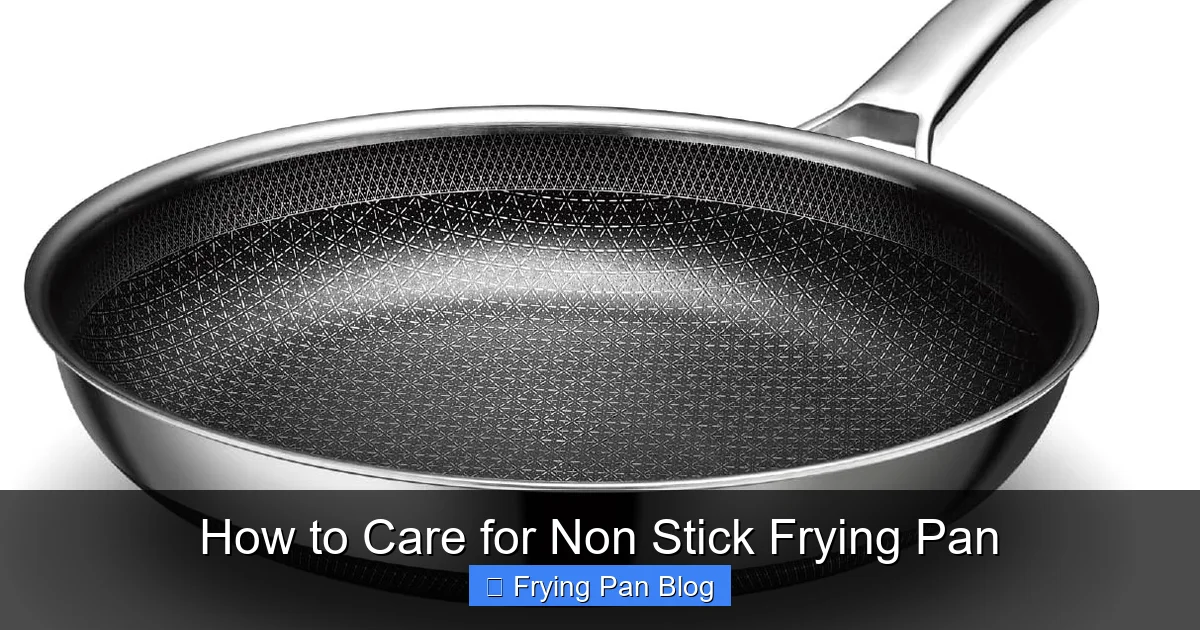
Visual guide about How to Care for Non Stick Frying Pan
Image source: m.media-amazon.com
Step 2: Cooking with Your Non Stick Pan
Use Low to Medium Heat
Non stick coatings break down at very high temperatures. Cooking on low or medium heat preserves the surface. You usually don’t need high heat because food doesn’t stick easily. Save high heat for stainless steel pans instead.
Choose the Right Utensils
Metal tools can scratch and ruin the coating. Use wooden, silicone, or plastic utensils. These are gentle and safe for your pan. For example, a silicone spatula is perfect for flipping eggs without damage.
Preheat Properly
Avoid heating an empty pan for long. This can overheat and damage the coating. Instead, add a little oil or butter before heating. This protects the surface and improves cooking.
Step 3: Cleaning Your Non Stick Frying Pan
Hand Wash Only
Avoid the dishwasher. Detergents and high heat can wear off the non stick coating. Instead, wash your pan by hand with warm water and mild dish soap.
Use Soft Cleaning Tools
Never use steel wool or scouring pads. These scratch the surface. Use a soft sponge or cloth. For stuck-on food, soak the pan in warm soapy water to loosen it before wiping gently.
Dry Thoroughly
After washing, dry your pan with a soft towel. Leaving water on the surface can lead to stains and damage over time.
Step 4: Seasoning Your Non Stick Pan
Why Season?
Some non stick pans benefit from occasional seasoning. This adds a thin layer of oil to the surface, boosting its non stick power and protecting the coating.
How to Season
- Clean and dry your pan thoroughly.
- Add a small amount of cooking oil (like vegetable or canola oil) to the surface.
- Use a paper towel to spread the oil evenly.
- Heat the pan on low heat for 1-2 minutes.
- Let it cool, then wipe off any excess oil with a clean towel.
Repeat this every few months or when you notice food starting to stick more than usual.
Step 5: Storing Your Non Stick Pans
Prevent Scratches During Storage
Stacking pans can cause scratches on the coating. Use a soft cloth, paper towel, or pan protector between stacked pans. This keeps surfaces from rubbing directly on each other.
Store in a Dry Place
Keep your pans in a dry cabinet or shelf. Moisture can promote rust on the pan’s base and affect the coating’s integrity.
Troubleshooting Common Non Stick Pan Issues
Sticky Residue
If your pan has sticky or greasy buildup, it might be leftover oil burnt onto the surface. To clean:
- Fill the pan with warm water and a bit of baking soda.
- Let it soak for 15-20 minutes.
- Use a soft sponge to gently scrub away the residue.
- Rinse and dry thoroughly.
Scratches or Peeling Coating
Minor scratches can sometimes be managed by seasoning the pan. However, if the coating is peeling or flaking, it’s time to replace the pan. Using a damaged non stick pan can be unsafe and reduce cooking quality.
Food Sticking More Than Usual
This can happen if the coating wears down or the pan isn’t heated properly. Make sure to cook on low to medium heat and use some oil or butter. If sticking persists, consider re-seasoning or replacing the pan.
Extra Tips for Long-Lasting Non Stick Pans
- Never use aerosol cooking sprays—they leave a residue that’s hard to clean.
- Avoid cooking acidic foods (like tomato sauce) for long periods as they can damage the coating.
- Let the pan cool before washing to prevent warping.
- Invest in good-quality pans with durable coatings.
When to Replace Your Non Stick Pan
Even with the best care, non stick pans don’t last forever. Replace your pan if you notice:
- Flaking or peeling coating
- Deep scratches that affect cooking
- Persistent sticking despite proper care
Using a damaged pan can harm your health and spoil your meals. It’s better to invest in a new pan than risk problems.
Conclusion
Caring for your non stick frying pan is simple but important. Use low to medium heat, gentle utensils, and hand wash with care. Season your pan occasionally and store it properly to avoid scratches. Troubleshoot issues like sticky residue early, and know when it’s time to replace the pan. By following these easy steps, your non stick pan will stay reliable and enjoyable for years. Happy cooking!
🎥 Related Video: How to Clean a Nonstick Pan
📺 wikiHow
Learn How to Clean a Nonstick Pan with this guide from wikiHow: https://www.wikihow.com/Clean-a-Nonstick-Pan Follow our …