How to Clean Stainless Steel Frying Pan

Cleaning a stainless steel frying pan is easier than you think. This guide shows you simple, effective methods to remove stuck-on food, stains, and discoloration. With easy steps and practical tips, your frying pan will look and perform like new.
Key Takeaways
- Regular cleaning: Clean your stainless steel pan after each use to prevent buildup and stains.
- Use the right tools: Soft sponges, nylon scrubbers, and non-abrasive cleaners protect the pan’s surface.
- Remove stuck-on food: Boil water in the pan or use baking soda paste for tough food residue.
- Handle discoloration: Use vinegar or specialized stainless steel cleaners to restore shine.
- Avoid harsh chemicals: Stay away from bleach or steel wool that can damage the pan.
- Dry thoroughly: Prevent water spots by drying your pan right after washing.
- Maintain regularly: Occasional deep cleaning keeps your pan looking new longer.
How to Clean Stainless Steel Frying Pan
Stainless steel frying pans are a kitchen favorite because they heat evenly, last long, and look great. But cleaning them can sometimes be tricky, especially when food sticks or the surface discolors. In this guide, you will learn how to clean stainless steel frying pan properly to keep it shiny and in top condition.
We’ll cover everyday cleaning, removing tough stains, handling discoloration, and maintenance tips. Let’s get started!
Step 1: Clean Your Pan After Each Use
Cleaning your stainless steel frying pan right after cooking is key. It prevents food from hardening and makes cleaning easier.
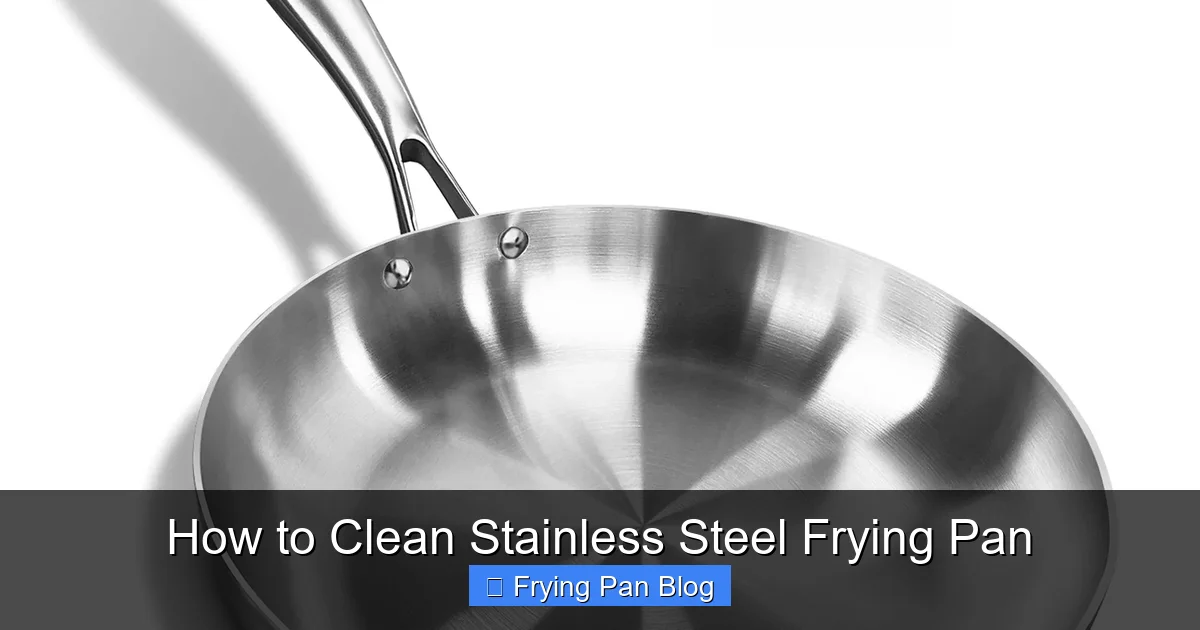
Visual guide about How to Clean Stainless Steel Frying Pan
Image source: ae01.alicdn.com
Rinse and Wipe
- Rinse the pan with warm water to remove loose food particles.
- Use a soft sponge or cloth with mild dish soap to wipe the surface gently.
- Rinse again with warm water to wash away soap.
- Dry the pan immediately with a soft towel to avoid water spots.
Tip: Avoid letting food sit in the pan for hours. The longer it stays, the harder it is to clean.
Step 2: Remove Stuck-On Food
Sometimes food sticks stubbornly to your pan’s surface. Here’s how to get it off without damaging your pan.
Boiling Water Method
- Fill the pan with enough water to cover the stuck food.
- Bring the water to a boil on the stove.
- Let it simmer for 5-10 minutes – the heat will loosen the residue.
- Use a wooden or silicone spatula to gently scrape off the loosened food.
- Pour out the water, wash with soap and warm water, then dry.
Baking Soda Paste
- Mix baking soda with a little water to make a thick paste.
- Spread the paste on the stuck areas.
- Let it sit for 15-30 minutes.
- Use a non-abrasive sponge to scrub gently.
- Rinse thoroughly and dry.
Tip: Baking soda is mildly abrasive but safe for stainless steel, making it great for tough spots.
Step 3: Remove Discoloration and Stains
Heat and cooking oils can sometimes cause rainbow-colored stains or dull spots. Here’s how to bring back the shine.
Vinegar Rinse
- Pour enough white vinegar into the pan to cover the stained areas.
- Let it sit for 5-10 minutes.
- Rinse with warm water and wipe with a soft cloth.
- Dry thoroughly to prevent water spots.
Stainless Steel Cleaner
- Use a commercial stainless steel cleaner designed for cookware.
- Follow the product instructions carefully.
- Apply with a soft cloth and buff the surface to restore shine.
Warning: Do not use bleach, steel wool, or abrasive pads as they can scratch or corrode the pan.
Step 4: Deep Cleaning for Stubborn Residue
If your pan has built-up grease or burnt residue, deep cleaning might be necessary.
Dishwasher Detergent Soak
- Fill the pan with hot water and add a tablespoon of dishwasher detergent powder.
- Let it soak overnight.
- The detergent breaks down grease and burnt food.
- Scrub gently with a nylon scrubber, rinse, and dry.
Baking Soda and Vinegar Combo
- Sprinkle baking soda on the pan surface.
- Spray or pour a small amount of vinegar over it.
- The mixture will fizz, helping to lift tough stains.
- Let sit for 15 minutes, then scrub gently and rinse well.
Tip: Always test a small area first to make sure your pan reacts well.
Step 5: Maintain Your Stainless Steel Frying Pan
Keeping your frying pan clean and shiny takes regular care.
- Don’t overheat: Stainless steel can discolor if overheated. Use medium heat when cooking.
- Use proper utensils: Wooden, silicone, or plastic utensils help avoid scratches.
- Dry immediately: After washing, dry your pan to prevent water spots and rust.
- Polish occasionally: Use a stainless steel polish or a little olive oil on a cloth to maintain shine.
Troubleshooting Common Problems
Food Sticks to the Pan
This often happens if the pan isn’t hot enough before adding food. Heat the pan for a minute or two, then add oil and wait for it to shimmer before cooking.
Water Spots or Streaks
Water spots form if the pan is air-dried. Always dry your pan with a clean towel right after washing.
Rainbow Stains Won’t Come Off
Try a vinegar soak or a specialized stainless steel cleaner. If that doesn’t work, a gentle abrasive cleaner might help, but avoid harsh scrubbing.
Scratches on the Surface
Use non-abrasive sponges and avoid metal utensils to prevent scratches. Unfortunately, scratches are permanent, but regular polishing can minimize their appearance.
Conclusion
Cleaning a stainless steel frying pan doesn’t have to be hard. With these simple steps and tips, you can keep your cookware looking great and cooking perfectly. Remember to clean after each use, use gentle but effective cleaning methods, and maintain your pan regularly. Your stainless steel frying pan will reward you with years of reliable service and a beautiful shine.
🎥 Related Video: How to clean a stainless steel pan
📺 Lisa Nguyen
shorts #StainlessSteel #pan #HowTo #clean #Barkeepers #Brillo.