Can a Saucepan Be Used as a Frying Pan

Wondering if a saucepan can double as a frying pan? While both are essential kitchen tools, each has its unique design and purpose. Using a saucepan as a frying pan is possible for some cooking tasks but comes with limitations and considerations to keep your meals tasty and safe.
Key Takeaways
- Design Differences: Saucepans have tall sides and a smaller surface area, unlike frying pans with wide, flat surfaces and low sides.
- Cooking Performance: Frying pans offer better heat distribution for searing and frying, while saucepans excel at simmering and boiling.
- Using a Saucepan as a Frying Pan: Possible for certain tasks like sautéing or shallow frying, but may affect food texture and cooking speed.
- Safety Tips: Watch for hot handles and uneven cooking when using a saucepan for frying.
- Best Practices: Use appropriate cookware for the dish to ensure optimal results and cookware longevity.
- Alternative Solutions: Consider versatile pans like sauté pans or cast iron skillets for multi-purpose cooking.
📑 Table of Contents
Introduction
Every kitchen has a collection of cookware designed for specific tasks. Among the most common pieces are saucepans and frying pans. While they may seem interchangeable at first glance, each serves a distinct purpose. But what if you only have a saucepan handy and need to fry something quickly? Can a saucepan be used as a frying pan?
This question comes up often, especially for those with limited cookware or in a pinch. Understanding the differences between these pans, their design, and how they perform can help you decide when using a saucepan as a frying pan makes sense — and when it’s better to wait or find the right tool.
In this article, we’ll explore the key differences between saucepans and frying pans, the pros and cons of using a saucepan as a frying pan, practical tips for cooking this way, and some alternative options to consider for your kitchen.
Understanding the Differences Between Saucepans and Frying Pans
Design and Structure
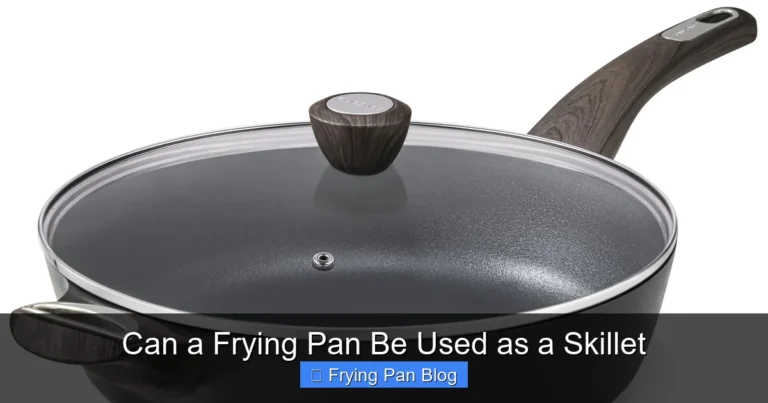
First, let’s look at the physical differences. A saucepan typically has tall, straight sides and a relatively small diameter. This design helps contain liquids, making it perfect for boiling, simmering, or preparing sauces. It often comes with a lid to trap steam and moisture.
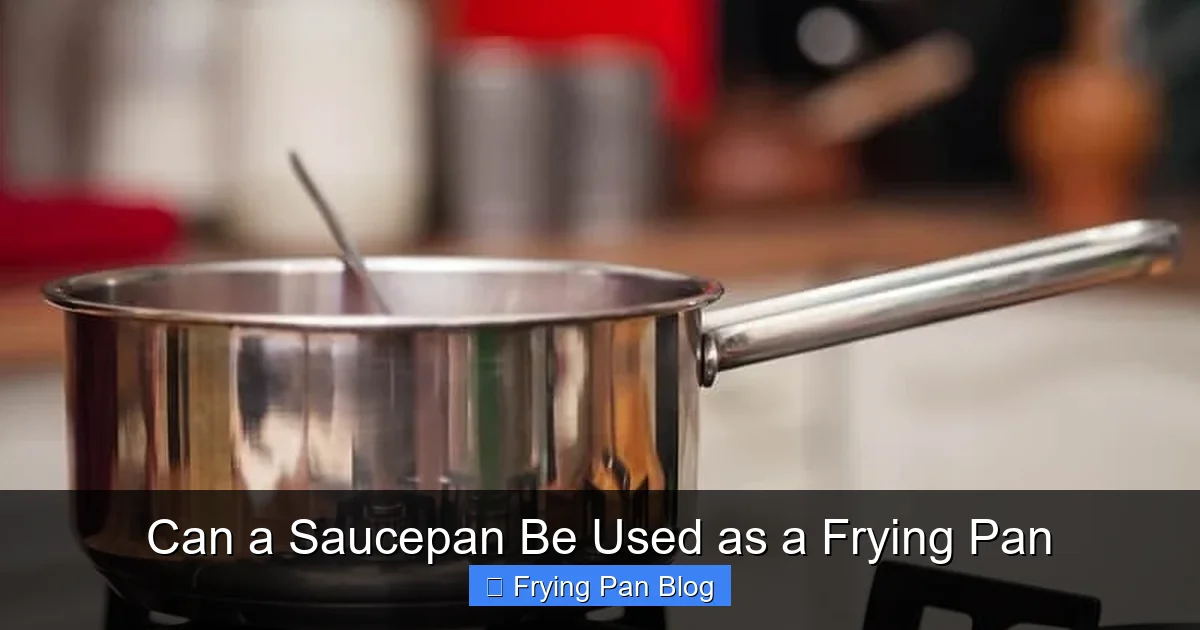
Visual guide about Can a Saucepan Be Used as a Frying Pan
Image source: chefspick.co.uk
In contrast, frying pans (also called skillets) have wide, flat bottoms with low, gently sloped sides. This shape maximizes the cooking surface area and allows easy flipping or stirring of food. The low sides also help moisture evaporate quickly, essential for frying and searing.
Material and Heat Distribution
Both saucepans and frying pans can be made from various materials, including stainless steel, aluminum, cast iron, and non-stick coatings. However, frying pans often emphasize even heat distribution and retention to achieve a good sear, while saucepans focus more on heat conductivity for simmering liquids.
Because of their shape, frying pans heat more evenly across the cooking surface, while saucepans may have hot spots and less surface area for food to spread out.
Can a Saucepan Be Used as a Frying Pan? The Practical Side
When It Works
Yes, you can use a saucepan as a frying pan in certain situations. For example, sautéing vegetables or shallow frying small quantities of food is doable with a saucepan. Its high sides help prevent splatters, which can be a plus when frying.
For cooking tasks that don’t require a large flat surface—like scrambling eggs or pan-frying a few pieces of chicken—a saucepan can work, especially if it’s the only pan you have available.
When It Doesn’t Work Well
However, a saucepan’s tall sides and smaller diameter limit your ability to properly brown or crisp food. Foods may steam rather than fry because moisture gets trapped inside. Flipping or turning food can also be tricky due to the high sides.
Deep frying in a saucepan is possible but requires careful monitoring of oil temperature and safety precautions, as the high sides can make it difficult to access the food easily.
Tips for Using a Saucepan as a Frying Pan
Control the Heat
Start with medium heat and watch your food closely. Because saucepans have less surface area, food may cook unevenly or take longer to brown. Adjust the heat as needed to avoid burning or steaming.
Use Less Oil and Smaller Portions
A smaller cooking surface means you should avoid overcrowding the pan. Use less oil to prevent splattering and help food brown better.
Stir or Flip Carefully
Use a spatula that fits well inside the saucepan. Flip food gently to avoid spills or burns. If the sides feel restrictive, try cooking in batches.
Vent the Lid or Cook Without It
If your saucepan has a lid, avoid using it when frying, as it traps steam and prevents crisping. Leaving the lid off helps moisture escape, improving frying results.
Alternatives to Using a Saucepan for Frying
Sauté Pan: A Great Middle Ground
A sauté pan resembles a saucepan but has a wider, flat bottom and straight sides. This makes it more versatile for frying, searing, and simmering—ideal if you want one pan for multiple tasks.
Cast Iron Skillet
Cast iron skillets are excellent frying pans. They hold heat well and distribute it evenly. Plus, they’re durable and great for high-heat cooking.
Non-Stick Frying Pan
If you want easy cleanup and less oil usage, a non-stick frying pan is a smart investment. It’s perfect for eggs, pancakes, and delicate foods that stick easily.
Safety Considerations
Handle Heat
Saucepans often have long handles that can get hot during frying. Use oven mitts or potholders to prevent burns.
Oil Splatter Risks
Frying can cause oil to splatter, which can be risky in a pan with high sides if you’re not careful. Keep a splatter screen handy and avoid overfilling the pan with oil.
Managing Hot Oil
If you deep fry in a saucepan, monitor the oil temperature with a thermometer. Don’t leave hot oil unattended, and keep children and pets away.
Conclusion
In summary, a saucepan can be used as a frying pan in a pinch, but it’s not ideal for all frying tasks. Its design limits surface area and airflow, which affects how food fries and browns. With mindful heat control and cooking techniques, you can make it work for sautéing or shallow frying small portions.
However, for the best results and safety, it’s worth investing in a proper frying pan or versatile sauté pan. Knowing the strengths and limitations of your cookware helps you cook better meals and enjoy the process without frustration.
So next time you wonder, “Can a saucepan be used as a frying pan?” you’ll have the knowledge and tips to make the right choice for your kitchen needs.
🎥 Related Video: Pots and pans Cleaning Hack by Ramdeep Osahan
📺 Kim’s Kitchen Affair
Frequently Asked Questions
Can I fry eggs in a saucepan?
Yes, you can fry eggs in a saucepan, especially if it has a non-stick surface. Just be careful with heat and use a spatula to flip or remove the eggs gently due to the pan’s higher sides.
Is a saucepan safe for deep frying?
It can be used for deep frying, but you must monitor oil temperature closely and avoid overcrowding. High sides help contain splatters, but accessibility can be tricky, so use caution.
Will food cook evenly in a saucepan when frying?
Not always. The smaller surface area and tall sides can cause uneven cooking and steaming instead of frying. Stirring and adjusting heat can help improve results.
Can I use a saucepan for searing meat?
You can, but a frying pan or cast iron skillet is better for searing due to their wide, flat surface and better heat distribution, which creates a nice crust on the meat.
What’s the best pan for frying if I don’t have a frying pan?
A sauté pan is a great alternative because it combines features of both saucepans and frying pans. Cast iron skillets are also excellent for frying and searing.
Does using a saucepan as a frying pan damage the pan?
Using a saucepan for frying occasionally won’t damage it, but frequent high-heat frying might wear down non-stick coatings or warp thinner pans. Use appropriate cookware for longevity.