Can Frying Pans Be Recycled

Wondering if frying pans can be recycled? Many frying pans are made from materials that can be recycled, but it depends on the type and your local recycling rules. This article breaks down how to recycle frying pans properly and offers practical tips for eco-friendly disposal.
Key Takeaways
- Frying pans are often recyclable: Many are made from metals like aluminum or steel that recycling centers accept.
- Non-stick coatings complicate recycling: Pans with Teflon or other coatings may require special handling.
- Check local recycling guidelines: Recycling rules vary, so it’s important to confirm what your local center accepts.
- Consider donation or repurposing: If the pan is still usable, donating or finding a new use can be a greener option.
- Separate handles if needed: Some pans have plastic or wooden handles that should be removed before recycling.
- Metal scrap yards are an option: Many scrap yards accept old frying pans for metal recycling.
- Proper disposal reduces landfill waste: Recycling frying pans helps conserve resources and reduce environmental impact.
📑 Table of Contents
Can Frying Pans Be Recycled?
If you’re like many people, your frying pan is one of the most used items in your kitchen. Over time, it gets worn out, scratched, or just doesn’t perform like it used to. When that happens, the question often comes up: can frying pans be recycled? The short answer is yes, but it’s a bit more complicated than tossing them in your curbside bin.
Frying pans come in many different materials, such as aluminum, stainless steel, cast iron, and non-stick coated surfaces. Each material has different recycling considerations, and local recycling programs may have specific rules about what they accept. In this article, we’ll explore what makes frying pans recyclable, how to prepare them for recycling, and what alternatives you have if recycling isn’t an option.
Let’s dive into the world of frying pan recycling and figure out the best ways you can give your old cookware a second life.
Understanding Frying Pan Materials
Common Materials Used in Frying Pans
Most frying pans are made from one or a combination of the following materials:
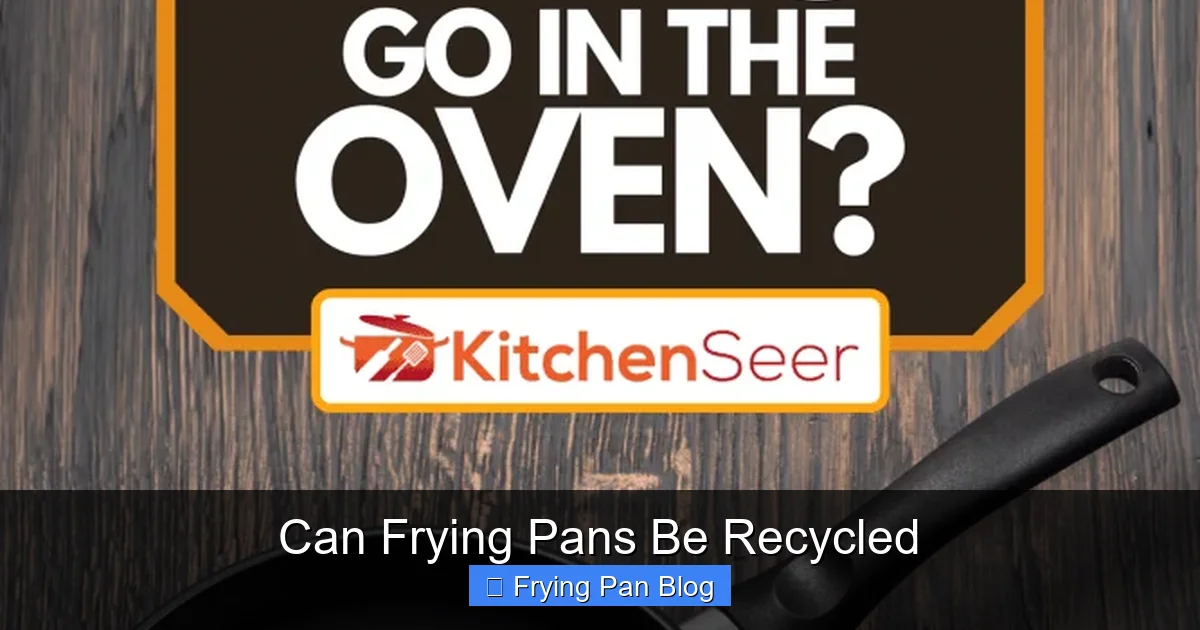
Visual guide about Can Frying Pans Be Recycled
Image source: kitchenseer.com
- Aluminum: Lightweight and excellent at conducting heat.
- Stainless Steel: Durable and rust-resistant, often with an aluminum or copper base.
- Cast Iron: Heavy and known for excellent heat retention.
- Non-Stick Coatings: Usually made with Teflon or ceramic coatings applied over metal pans.
Each of these materials affects how the pan can be recycled. For example, pure metals like aluminum and cast iron are highly recyclable, but non-stick coatings can create challenges.
How Materials Impact Recyclability
Metals are generally recyclable because they can be melted down and reused without losing quality. Aluminum and steel pans are accepted by many recycling programs or scrap yards. However, pans with plastic or wooden handles, or those coated with non-stick materials, may require extra steps before recycling.
Non-stick coatings may contain chemicals that recycling centers don’t want to process, so these pans sometimes need special handling or cannot be recycled through regular municipal programs.
Can You Recycle Non-Stick Frying Pans?
Challenges With Non-Stick Coatings
Non-stick pans are popular because they make cooking and cleaning easier, but their coatings can pose problems for recycling facilities. Teflon and other similar coatings can release harmful fumes if melted improperly, so many centers avoid accepting these pans.
In some cases, the metal base can still be recycled if the coating is removed. Unfortunately, removing non-stick coatings at home is not practical or safe.
What Are Your Options?
If your pan has a non-stick coating, here are some practical tips:
- Check with local recycling centers: Some specialized centers accept non-stick pans.
- Consider metal scrap yards: They might accept the pan as scrap metal, regardless of coating.
- Repurpose the pan: Use it for non-food purposes like gardening or as a plant tray.
- Donate if usable: If the coating still works, someone else might find it useful.
How to Prepare Frying Pans for Recycling
Remove Non-Metal Parts
Many frying pans have handles made from plastic, wood, or rubber. These parts are usually not recyclable with metal and should be removed before recycling. Look for screws or rivets holding the handle in place and carefully detach it.
Clean the Pan
Make sure to clean any food residue or grease from the pan before recycling. A clean pan is easier to process and more likely to be accepted by recycling centers.
Separate Different Materials if Possible
If your pan has multiple materials, try to separate them. For example, remove silicone grips or lids that are not metal. This step helps recycling facilities process the metal more efficiently.
Where to Recycle Frying Pans
Curbside Recycling Programs
Some municipal recycling programs accept metal cookware, including frying pans. However, many do not due to the mixed materials or coatings. Always check your local guidelines before placing a frying pan in your curbside bin.
Metal Scrap Yards
Scrap yards are often the best place to recycle old frying pans. They accept aluminum, steel, cast iron, and more, regardless of the pan’s condition. Contact local scrap yards to see if they accept pans and if there are any preparation requirements.
Special Recycling Events
Some communities host special recycling days for hard-to-recycle items. Frying pans may be accepted during these events. Keep an eye out for announcements from your city or waste management company.
Retailer Take-Back Programs
Certain kitchenware retailers or brands offer recycling or trade-in programs for old cookware. Check with stores or manufacturers to see if they have such initiatives.
Alternatives to Recycling: Repurposing and Donation
Repurposing Old Frying Pans
If recycling isn’t an option, repurposing your frying pan is a great way to keep it out of the landfill. Here are some creative ideas:
- Use as a garden planter or seed starter tray.
- Turn it into a decorative wall hanging or piece of art.
- Use it as a bird feeder or outdoor water dish.
Donating Usable Pans
If your pan still works but you don’t need it, consider donating it to thrift stores, shelters, or community centers. Someone else might get good use out of it, extending the pan’s life and reducing waste.
Conclusion: Recycling Frying Pans Responsibly
So, can frying pans be recycled? The answer is yes, but it relies heavily on the type of pan and the recycling options available to you. Metals like aluminum, stainless steel, and cast iron are recyclable and often accepted by scrap yards or certain municipal programs. However, frying pans with non-stick coatings or mixed materials require extra care before recycling or may not be accepted in curbside bins.
Always check your local recycling guidelines and consider removing non-metal parts before recycling. If recycling isn’t possible, repurposing or donating your frying pans are excellent eco-friendly alternatives. By taking small steps, you can help reduce waste and make a positive impact on the environment.
Next time your frying pan reaches the end of its life, remember these tips and give it the responsible send-off it deserves!
Frequently Asked Questions
Can I put my old frying pan in the regular recycling bin?
Usually, frying pans are not accepted in curbside recycling bins because they often have mixed materials or coatings. It’s best to check with your local recycling program before tossing them in.
Are all types of frying pans recyclable?
Most metal frying pans like aluminum, stainless steel, and cast iron are recyclable. However, pans with non-stick coatings or plastic handles might need special handling or removal of parts before recycling.
How do I prepare a frying pan for recycling?
Remove any plastic or wooden handles, clean off food residue, and separate any non-metal parts. This makes the pan easier to recycle and more likely to be accepted.
Where can I recycle frying pans if my local program doesn’t accept them?
Metal scrap yards often accept frying pans for recycling. You can also look for special recycling events or retailer take-back programs.
Can I donate an old frying pan?
Yes! If your frying pan is still usable, donating it to thrift stores, shelters, or community centers is a great way to extend its life and reduce waste.
Is it safe to recycle frying pans with non-stick coatings?
Non-stick coatings can be problematic for recycling facilities because of chemicals involved. It’s best to check with specialized centers or scrap yards about accepting these pans, or consider repurposing them instead.