
How to Cook for a Small Family Efficiently Without Waste or Stress

Cooking for a small family can feel tricky when you want to avoid waste, save time, and keep meals enjoyable. I’m Emma Reed, and I’ve learned that with the right approach, preparing dinners efficiently is not only possible but also stress-free. The key is to plan meals and adjust recipes to fit smaller portions without losing flavor or variety. That way, no food is wasted, and everyone gets a well-balanced meal.
I’ve found that using simple cooking techniques and smart ingredient choices helps make weeknight dinners faster and easier. When you know how to cook just the right amount, cleanup is lighter, and you can focus more on spending time with your family. This post will share tips and ideas that work well for small households, making meal time something to look forward to.
Key Takeaways
- Plan meals that fit your family size to reduce waste and save money.
- Use cooking methods that cut down on time and simplify cleanup.
- Choose ingredients and recipes that are easy to adjust for smaller portions.
Planning Efficient Family Meals
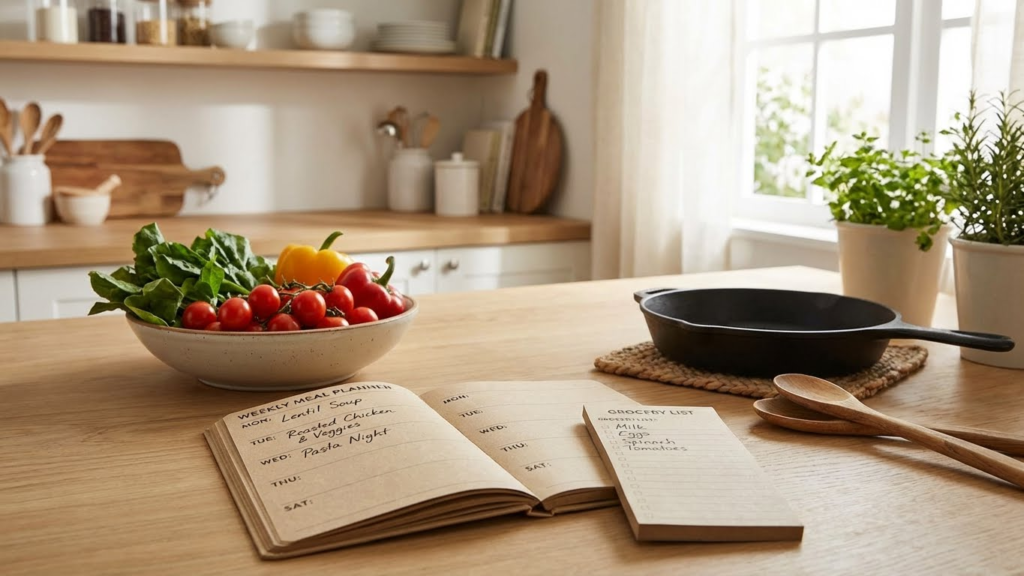
Planning meals well means knowing exactly what your family needs, organizing dishes for the week, and shopping smart. This helps reduce stress and waste while saving time and money.
Assessing Your Family’s Needs
I start by looking at everyone’s food preferences and dietary needs. This includes any allergies, dislikes, and portion sizes. For a small family, it’s important to avoid making too much food that goes to waste.
I also think about our weekly schedule. Busy nights might call for quick meals or leftovers. Slower days allow for cooking more complex dishes. Keeping meals flexible to fit family activities helps me keep cooking manageable.
Keeping a list of favorite meals and rotating them keeps everyone happy and cuts down decision fatigue. I also note when I can double recipes to serve dinner and lunch the next day.
Creating a Weekly Menu
Making a weekly menu helps me plan meals faster and shop with purpose. I usually pick meals that share some ingredients, so I reduce the number of different products I need to buy.
I include simple but balanced meals, mixing proteins, grains, and vegetables. For example, grilled chicken one night can become chicken salad the next day. I write the menu on a calendar or app, which reminds me what to prepare each day.
I also slot in easy backup plans like pasta or soup in case plans change. Having a menu means I spend less time figuring out what to cook daily.
Budgeting and Grocery Lists
I create a grocery list based on my weekly menu to avoid impulse buys and food waste. I organize the list by store sections like produce, meats, and pantry to speed up shopping.
I watch for sales and use coupons on staple items we often eat. Buying in bulk for things we use regularly, such as rice or frozen vegetables, helps save money over time.
Tracking prices and meal costs helps me find affordable options without sacrificing nutrition. Sticking to a budget means I prioritize needs over wants and avoid last-minute takeout temptations.
Time-Saving Cooking Techniques
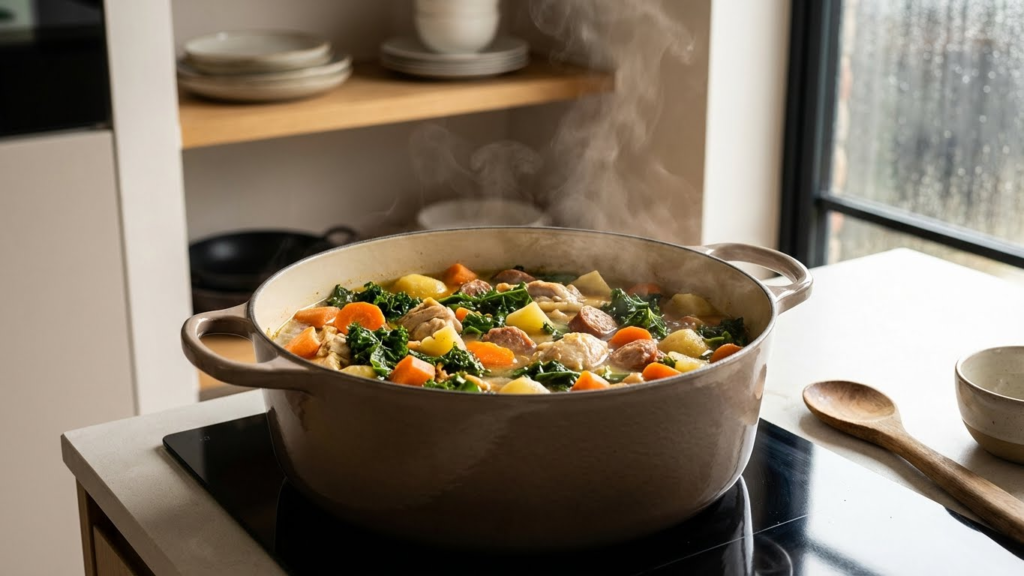
Saving time in the kitchen means working smarter, not harder. Organizing your cooking around a few smart habits can make meal preparation quicker and less stressful. Using strategies that fit a small family helps reduce waste and keep meals fresh without spending hours each day.
Batch Cooking for Small Portions
Batch cooking is great, even if you have a small family. Instead of making large quantities you won’t finish, I focus on recipes that freeze or refrigerate well in smaller containers. Cooking double or triple portions of a main dish like soup, stew, or rice lets me spread out meals over several days.
I divide the food into individual-sized containers. This way, I only reheat what I need, cutting down on leftovers going to waste. Vegetables can also be chopped and pre-cooked in batches for salads or side dishes.
Batch cooking not only saves time but also helps avoid last-minute cooking stress on busy days. For more ideas, the USDA’s guide on safe food storage is a helpful resource.
Meal Prepping Strategies
Preparing ingredients ahead of time is one of the best ways to speed up dinner. I like to chop vegetables, marinate meats, and measure spices in advance. Putting these ingredients into labeled containers saves minutes when it’s time to cook.
I use a weekly meal plan to decide which ingredients to prep at the start of the week. This plan helps me shop smarter and avoid extra trips to the store. When I’m pressed for time, simply grabbing a prepared mix or frozen component makes it easier to put a meal together fast.
Meal prepping also helps avoid overeating. When meals are ready, I serve appropriate portions right away. Websites like Eat This, Not That offer good tips on balanced meal prepping.
Efficient Use of Kitchen Tools
Using the right tools can cut down cooking time significantly. I find small appliances like slow cookers, pressure cookers, and food processors very useful. A slow cooker allows me to start meals in the morning and come back to cooked food without extra steps.
Food processors speed up chopping and mixing. Pressure cookers cook beans, grains, and tough meats faster than traditional methods. Even simple tools like sharp knives and cutting boards help work quickly and safely.
Setting up your kitchen to keep these tools ready and accessible means less time hunting for them and more time cooking. For advice on useful kitchen gadgets, I check Epicurious for reviews and suggestions.
Smart Ingredient Selection
Picking the right ingredients can make cooking for a small family easier, faster, and less wasteful. I focus on items that work in many dishes, fresh foods that change with the seasons, and ways to use up everything before it goes bad.
Choosing Versatile Staples
I keep pantry staples that can be used in many meals. Items like canned beans, rice, pasta, and canned tomatoes are great because they store well and fit into different recipes. For instance, rice can be a side dish, a base for stir-fries, or part of a soup.
I also choose staples that last a long time. Dry goods and frozen vegetables are my go-tos since they reduce trips to the store. Organizing these staples in labeled containers helps me quickly find what I need, saving time and avoiding duplicate purchases.
Seasonal and Fresh Picks
I buy fresh produce based on the season to get the best flavor and price. For example, summer means tomatoes and zucchini, while fall brings squash and apples. This keeps meals interesting and budget-friendly.
Shopping at local markets often helps me find fresher, cheaper options. I pick fruits and veggies that can last a few days after purchase or that I can use in multiple dishes across the week. This way, I don’t feel pressured to cook everything right away.
Minimizing Food Waste
I plan meals to use ingredients in several ways, which helps me avoid throwing food out. For example, if I buy a bunch of carrots, I use some raw for snacks, some cooked in soups, and some blended into sauces.
Leftovers are part of the plan. I save small amounts of cooked food to add into salads, wraps, or quick stir-fries. I also freeze extras when possible. Using clear containers and labeling them keeps my fridge organized and food visible, so nothing gets forgotten.
Cooking Methods for Small Families
When cooking for a small family, using efficient methods that save time and reduce waste is key. I focus on meals that require minimal cleanup and use appliances that speed up cooking without sacrificing taste.
One-Pot and Sheet Pan Recipes
I rely on one-pot and sheet pan meals because they simplify the cooking process and reduce dishes. These recipes combine proteins, vegetables, and grains in one pan or pot, which means cooking times are shorter and cleanup is easier.
Using a sheet pan, I can roast chicken thighs with veggies side by side, all cooking evenly in the oven. One-pot meals like chili or pasta allow flavors to develop while keeping cooking simple.
These methods also let me control portions better, avoiding leftovers that don’t get eaten. Plus, they save counter space, which is helpful when cooking for just two or three people.
Quick Cooking Appliances
I use appliances like pressure cookers, air fryers, and slow cookers to speed up meal prep. A pressure cooker can turn tough cuts of meat tender in under an hour, unlike traditional oven roasting which takes much longer.
Air fryers let me cook small batches of crispy foods without heating the whole kitchen or using much oil. Slow cookers are great for starting meals in the morning and having dinner ready when I get home.
These tools help me manage time and energy better, especially during busy days. They also let me cook efficiently without sacrificing meal quality or flavor.
Simplifying Cleanup and Storage
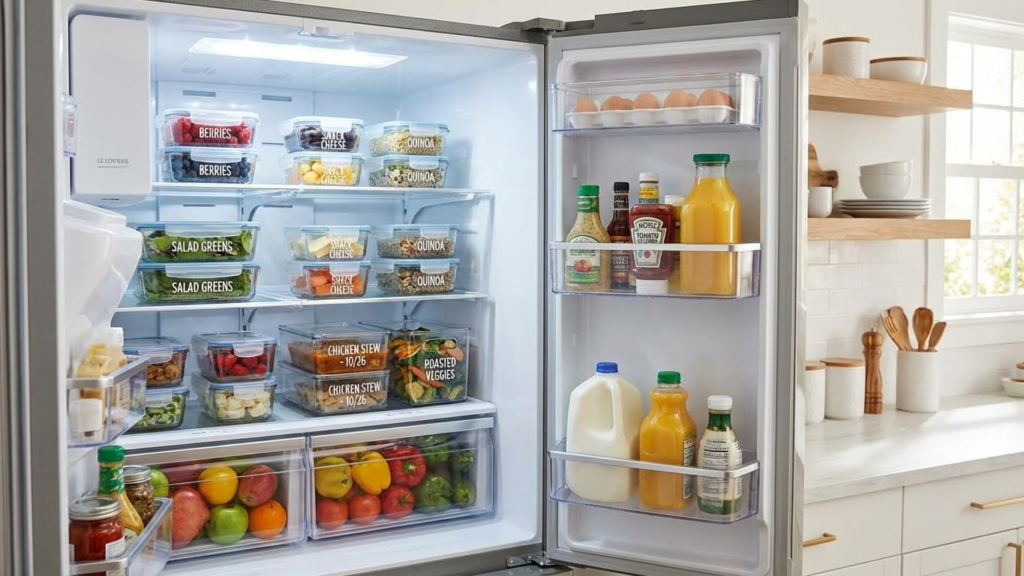
Keeping the kitchen clean and organized after cooking saves time and reduces stress. It’s important to plan how to handle dishes quickly and store leftovers safely. Doing this right makes cooking for a small family much easier day after day.
Streamlining Post-Meal Cleanup
I focus on minimizing the number of dishes used while cooking. Using one-pot or sheet-pan meals cuts down on pots and pans, which means less washing. I also rinse items immediately after use to prevent food from hardening and sticking.
Another key tip is setting up a cleaning station near the sink with sponge, soap, and drying rack ready. This makes washing more efficient. I like working clockwise in the kitchen, so everything flows smoothly from cooking to cleaning.
Additionally, investing in removable shelves or stackable racks helps keep counters free. This extra vertical space makes cleaning quicker since there are fewer things to move. For more tips on quick cleanup, sites like the Good Housekeeping Institute offer practical advice.
Leftover Management
Managing leftovers wisely helps reduce food waste and saves me time on future meals. I label containers with the date and contents so nothing is forgotten in the fridge. Using clear, airtight containers keeps food fresh and allows me to see what’s inside without opening them.
I also use designated shelves or bins for leftovers, which keeps them separate from fresh ingredients. This prevents confusion and speeds up meal prep. When planning meals, I cook in portions that fit my family’s appetite to avoid wasting food and reduce leftovers.
For safety, I follow guidelines on how long different foods can stay in the fridge, typically 3 to 4 days. The FDA’s food safety website is a good reference for this. When reheating, I make sure leftovers reach 165°F to kill any bacteria.
Encouraging Family Involvement
Getting everyone in the family to help with cooking can make meal preparation faster and more enjoyable. When everyone has a clear role and the process feels fun, it builds better teamwork and makes cooking less of a chore.
Assigning Age-Appropriate Tasks
I find it important to give each family member tasks that match their age and skill level. For younger kids, I let them wash vegetables, stir ingredients, or set the table. These tasks keep them involved without risk.
Older children can help with chopping softer vegetables, measuring ingredients, or using the oven with supervision. I make sure to explain safety rules clearly before they start.
Assigning tasks based on ability helps build confidence. It also speeds up cooking since everyone works together. Plus, kids learn useful skills gradually, which makes future cooking easier for the whole family.
Making Cooking Enjoyable Together
I make cooking a fun activity by encouraging conversation and teamwork in the kitchen. Playing music or sharing family stories can lighten the mood.
I also involve kids in choosing recipes and letting them add simple personal touches, like picking herbs or arranging food on plates. This gives them a sense of ownership.
Breaking the cooking into small, manageable steps helps keep focus and avoids frustration. Offering praise for effort rather than perfection keeps motivation high.
Keeping the experience positive turns cooking into quality family time, not just a task to finish.
Adapting to Busy Schedules
Finding ways to save time and stay flexible with meals is essential when managing a small family’s cooking. Using clear strategies for managing time and planning meals helps keep things running smoothly without extra stress.
Time Management Tips
I rely on prepping ingredients in advance to cut down cooking time during busy weeknights. Chopping vegetables or cooking grains ahead of time means less work when I’m ready to make dinner. Using kitchen tools like slow cookers or instant pots also helps me cook meals without watching the clock constantly.
Batch cooking works well for me. I make larger portions and store extras for later. Freezing single servings means I always have a quick meal ready. I also try to choose simple recipes that require few ingredients or one-pan methods. This reduces cleanup and speeds up the process.
Flexible Meal Plans
I keep my meal plans adaptable by building in options that can change based on my family’s schedule. I plan meals around ingredients that can be used in more than one dish. For example, roasted chicken might be dinner one night, then leftovers get used in a soup or salad.
I also leave room for quick meals like frozen veggies or ready-to-cook potatoes. These save time when the day gets unexpectedly busy. Creating a weekly meal plan but staying open to swaps helps me avoid waste and stress. If I know what staples I have on hand, I can prepare meals faster without last-minute trips to the store.
Leveraging Technology for Meal Efficiency
Using technology can save time, reduce waste, and simplify cooking for a small family. Tools like apps or online services help me plan meals and shop smartly without guessing quantities or missing ingredients.
Using Meal Planning Apps
Meal planning apps help me organize meals for the week while considering everyone’s preferences and dietary needs. They offer ready-made recipes or allow me to input my own. Many apps create shopping lists based on chosen meals, which reduces food waste by buying exactly what I need.
Some apps track nutritional info too, helping me balance meals better. I can also save favorite recipes for quick reuse. These tools can sync across devices, making it easy to plan on the go or adjust plans if schedules change.
Popular meal planning apps like Mealime or Paprika offer simple interfaces and useful reminders. They turn planning from a chore into a streamlined part of my week. For more details on meal planning benefits, I often check sites like Harvard’s Nutrition Source to stay informed.
Online Grocery Shopping
Shopping online helps me skip store visits and avoid impulse buys. I use grocery websites or apps to order precisely what I need for planned meals. Many services let me save shopping lists for regular items or subscribe for weekly deliveries.
Some stores offer personalized recommendations based on past purchases. This feature helps me discover new ingredients without extra effort. Digital receipts and price tracking also make budgeting easier.
When time is tight, curbside pickup or grocery delivery means less running around. I find this especially useful during busy weeks. Companies like Instacart and Amazon Fresh provide reliable delivery options with varied product choices.
Using online shopping, I reduce food waste and save time managing my small family’s meals. It lets me focus more on cooking and less on running errands.
Adapting Recipes for Small Portions
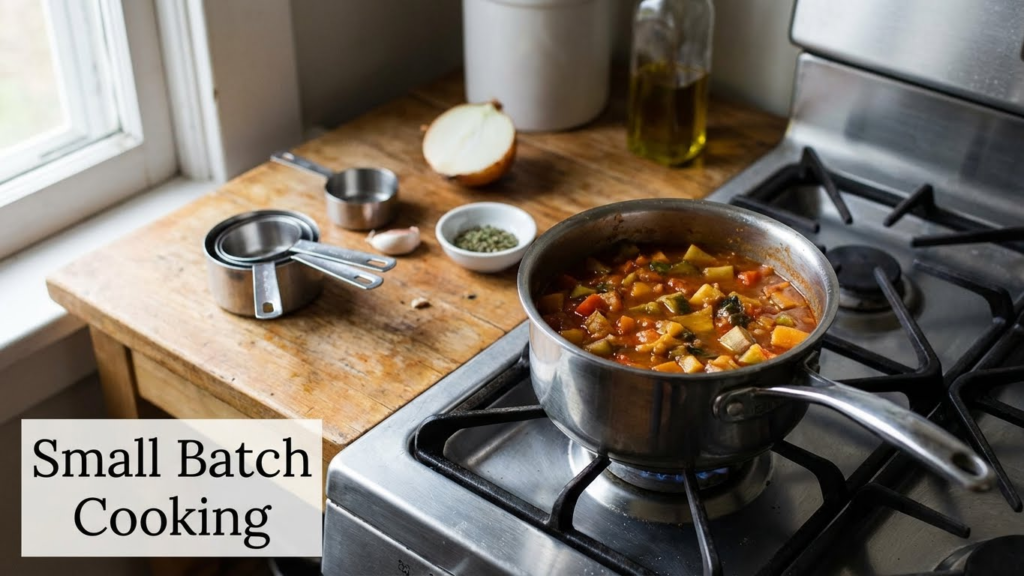
When I cook for a small family, I find that adapting recipes is key to avoiding waste and keeping meals fresh. Many recipes are designed for large groups, so I need to scale them down carefully to fit my needs.
One simple way I do this is by halving or quartering ingredients. For example, if a recipe calls for 4 cups of rice, I use just 1 or 2 cups depending on how many people I’m feeding. Sometimes, this means using smaller pots or pans to suit the smaller amount.
I pay close attention to cooking times, too. Smaller portions often cook faster, so I watch my food closely to avoid overcooking. For instance, a 4-ounce piece of meat cooks much quicker than an 8-ounce one, so I adjust heat and time as needed.
Portion control helps me avoid leftovers that go to waste, but I also use one-pot or one-pan meals when possible. This not only cuts down on cleanup but keeps flavors concentrated without making too much food.
Here’s a quick list of my top tips for adapting recipes:
- Reduce ingredient quantities proportionally
- Adjust cooking time downward
- Use smaller cookware
- Combine ingredients in one pot or pan
- Taste and tweak spices to keep flavor balanced
By making these changes, I keep meals simple, satisfying, and just the right size for my small family.
FAQs
How do I avoid wasting food when cooking for a small family?
I find it helps to plan meals that use similar ingredients. This way, I can buy smaller amounts and use leftovers in other dishes. Freezing extra portions also saves food and makes mealtime easier later.
Can I scale down any recipe for fewer servings?
Yes, with some basic math, you can halve or even quarter most family recipes. I usually adjust cooking times and check food often to avoid overcooking since smaller amounts cook faster.
What kitchen tools are useful for small family cooking?
I recommend small pots and pans, a good set of measuring cups, and airtight containers for storage. These help with portion control and keeping leftovers fresh.
Is batch cooking a good idea for a small family?
Batch cooking works well if you have a freezer. I often cook once and freeze portions for busy days. It saves time and ensures I always have a homemade meal ready.
How can I make shopping easier for fewer people?
I make a list based on my meal plan and stick to it. Buying fresh produce in smaller amounts or choosing frozen vegetables helps minimize waste. Bulk items can be split and stored for later use.
Conclusion
Cooking for a small family can be simple and stress-free with the right approach. I have found that planning meals carefully helps reduce waste and saves money. Making smaller portions doesn’t mean you have to give up enjoying tasty, varied meals.
I use tools like meal planning and smart storage to keep things organized. Buying in bulk and dividing it into smaller portions works well. It lets me take advantage of sales without ending up with extra food that spoils.
Key tips I follow:
- Scale recipes to fit fewer servings
- Use multi-purpose kitchen tools
- Cook meals that can be eaten as leftovers
- Choose seasonal ingredients for freshness and savings
By focusing on efficiency and flexibility, cooking for a small family becomes easier. It also encourages me to try new recipes and avoid repetitive meals.
My experience shows that even in a small kitchen, managing space and time well makes cooking enjoyable. These habits help me maintain healthy meals without stress or waste.