
Types of Rice Guide – Best Uses, Cooking, and Storage Tips

You’ll find the right rice for any dish and cook it with confidence. I’ll show which varieties work best for fluffy pilafs, sticky sushi, creamy risotto, and hearty whole-grain bowls so you waste less time guessing and more time enjoying your food. Choose basmati or long-grain for light, fluffy results; short-grain for sticky, sushi, and risotto; and brown or wild rice when you want more fiber and a nutty flavor.
I run this site with Emma Reed, and we test simple methods you can repeat at home. I keep tips short and clear so you can pick the perfect rice, cook it well, and match it to your recipe every time.
Key Takeaways
- Match grain type to the dish for best texture and flavor.
- Use aromatic and specialty rices for flavor, and whole grains for nutrition.
- Store and cook rice simply to get consistent results.
Understanding Rice Varieties
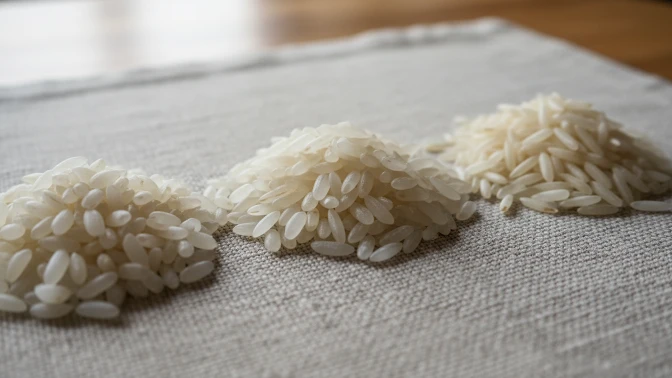
I explain how rice differs by grain size, stickiness, and best uses. These traits affect texture, cooking method, and which dishes work best.
Short Grain Rice
I use short grain rice when I want a sticky, tender result. The grains are nearly round and release more starch while cooking, which makes them cling together. This makes short grain ideal for sushi, rice bowls, and dishes where the rice should hold shape and be eaten with chopsticks.
I cook it with slightly less water than long grain and let it rest after cooking to firm up. Varieties include Japanese sushi rice and Italian arborio for risotto, though arborio is slightly different in starch behavior. Short grain also works well in puddings and baked rice dishes because it becomes creamy without falling apart.
Medium Grain Rice
I reach for medium grain rice when I need a balance between stickiness and fluff. The grains are wider than long grain but not as round as short grain, so they hold together more than long grain but stay separate more than short grain. This makes medium grain good for paella, certain pilafs, and Mediterranean or East Asian dishes.
When I cook medium grain, I use a 1:1.25 to 1:1.5 rice-to-water ratio depending on the dish. It absorbs flavors well and gives a tender bite. Examples include Valencia rice, bomba (for paella), and some Japonica strains used in Korean dishes.
Long Grain Rice
I choose long grain rice when I want separate, fluffy grains. Long grain varieties like basmati and jasmine have slender kernels and lower amylopectin, which keeps them from sticking. Basmati offers a fragrant, nutty aroma and is great for biryanis; jasmine provides a floral scent that suits Thai and other Southeast Asian dishes.
I rinse long grain rice to remove surface starch, then use a 1:1.5 to 1:2 ratio of rice to water for stovetop cooking. For extra fluff, I toast the grains briefly before adding water. Long grain also works well in pilafs, stir-fries, and as a simple side where distinct grains improve texture.
Popular White Rice Types
I focus on three white rice types that I use most: one for fragrant pilafs, one for sticky, fragrant sides, and one for creamy risottos. Each variety has a clear texture, cooking method, and best dish.
Basmati Rice
I choose basmati when I want long, separate grains and a nutty aroma. Cook with a 1:1.5 to 1:2 rice-to-water ratio for stovetop absorption, and rinse the grains well to remove surface starch. Soaking 20–30 minutes before cooking shortens the time and helps the grains elongate.
Use basmati for biryanis, pilafs, and any dish where fluffy, distinct grains matter. It pairs well with spice blends like garam masala and dishes that have rich sauces, because the grains stay separate and soak up flavor without turning mushy.
Key traits:
- Grain: long, slender
- Texture after cooking: light, fluffy, separate
- Aroma: floral, nutty
- Best uses: biryani, pilaf, plain steamed rice for curries
Jasmine Rice
I pick jasmine for Southeast Asian dishes when I want soft, slightly sticky rice with a fragrant, floral scent. Use a 1:1.25 to 1:1.5 rice-to-water ratio and avoid over-stirring to keep the texture tender. Rinsing is optional depending on whether I want a bit more stickiness.
Serve jasmine with stir-fries, Thai curries, and grilled meats. Its natural fragrance complements bold sauces and herbs, and it clumps slightly, which makes it easy to eat with chopsticks or spoon.
Key traits:
- Grain: long, slightly plump
- Texture after cooking: soft, mildly sticky
- Aroma: floral, pandan-like
- Best uses: curries, stir-fries, everyday served rice
Arborio Rice
I use arborio for risotto when I need a creamy, starchy result that still keeps a bite at the center. Short, rounded grains release starch during slow cooking. Stir gently and add hot stock in small amounts, allowing each addition to absorb before adding more.
Arborio works in risottos, rice puddings, and dishes that rely on released starch for thickness. It tolerates longer cooking and absorbs flavors from wine, broth, cheese, and butter while building a velvety texture.
Key traits:
- Grain: short, plump
- Texture after cooking: creamy exterior, firm center
- Starch: high amylopectin release
- Best uses: risotto, creamy puddings, thick rice casseroles
Brown And Whole Grain Rice
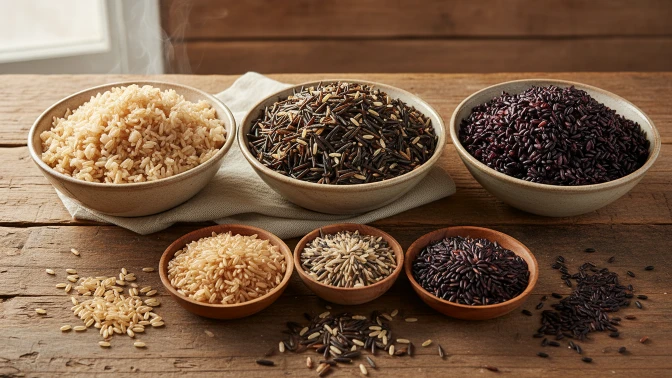
I focus on whole-grain rice types that add fiber, flavor, and texture to meals. Each variety cooks differently and suits certain dishes best, so pick one based on taste and cooking time.
Brown Rice
Brown rice keeps the bran and germ, so it has more fiber, vitamins, and a nutty taste than white rice. I usually cook it with a 2:1 water-to-rice ratio and a 40–50 minute simmer; it takes longer because the bran layer slows water absorption. Use brown rice for grain bowls, vegetable stir-fries, and hearty soups where a firmer, chewy texture works well.
Brown rice pairs nicely with beans and roasted vegetables. If I need a faster option, I sometimes soak it for 30 minutes before cooking or use a pressure cooker. For nutrition details and storage tips, the USDA provides reliable guidance on whole grains.
Wild Rice
Wild rice is not true rice but a grass seed with a firm, chewy bite and a smoky, nutty flavor. I cook it with a 3:1 water-to-seed ratio and simmer 40–60 minutes, or use a pressure cooker to cut time. It holds up well in cold salads, pilafs, and holiday stuffing because the kernels stay separate and keep texture.
Use wild rice in recipes that benefit from contrast, like creamy sauces or sweet dried fruit. Its higher protein and distinct flavor make it a good mix-in with brown rice or barley. The Minnesota Wild Rice Council offers useful culinary tips and origin info.
Black Rice
Black rice (sometimes called forbidden rice) has deep purple-black grains that turn dark purple when cooked. I cook it like brown rice, usually 2:1 water-to-rice and 30–40 minutes, until tender but still slightly chewy. It adds color and a mild nutty-sweet flavor to salads, pudding, and rice bowls.
The bran layer gives black rice more antioxidants and a glossy finish after cooking. I serve it with citrus, sesame, or coconut flavors to highlight its natural sweetness. Store it in a cool, dry place to keep the oils in the bran from going rancid.
Specialty And Aromatic Rice
I focus on rice types that bring color, texture, and strong flavor to dishes. These varieties often need different cooking methods and pair well with particular cuisines.
Red Rice
Red rice has a nutty flavor and a reddish bran layer that holds most of its nutrients. I use it in salads, bowls, and as a side for grilled meats because it keeps a firm, chewy texture after cooking. It takes longer to cook than white rice—usually 30–40 minutes simmering—so I rinse it and soak for 20–30 minutes to shorten cooking time and improve evenness.
Nutritionally, red rice is higher in fiber, iron, and antioxidants than white rice. If you want reliable cooking guidance, I follow resources from the USDA or university extension sites for accurate times and water ratios. For a quick meal, I sometimes mix red rice with long-grain white rice to balance cooking speed and texture.
Sticky Rice
Sticky rice (glutinous rice) becomes very sticky when cooked and is central to many Southeast Asian dishes. I steam it in a bamboo basket or use a rice cooker set for glutinous rice to get the classic clumped texture needed for mango sticky rice, rice cakes, and sushi alternatives. Do not confuse “glutinous” with gluten—sticky rice is gluten-free.
For best results, I soak sticky rice at least 4–6 hours or overnight. Use a 1:1 water-to-rice ratio when steaming after draining, or follow package directions for stovetop methods. The grains should cling together but not turn mushy; texture matters most for wrapping, shaping, or eating with chopsticks.
Forbidden Rice
Forbidden rice, also called black rice, has a deep purple-black color that turns glossy purple when cooked. I choose it for risotto-style dishes, pilafs, and desserts because it has a slightly sweet, nutty taste and a firmer bite. It cooks in about 30–35 minutes and releases pigments that color the cooking liquid, which makes for striking presentations.
This rice is higher in antioxidants, especially anthocyanins, and offers more protein and fiber than many white rices. I often pair it with citrus, toasted nuts, or coconut milk to balance flavor. For technical tips and origin history, I consult specialty grain producers and food science sources for reliable details.
Best Uses For Different Rice Types
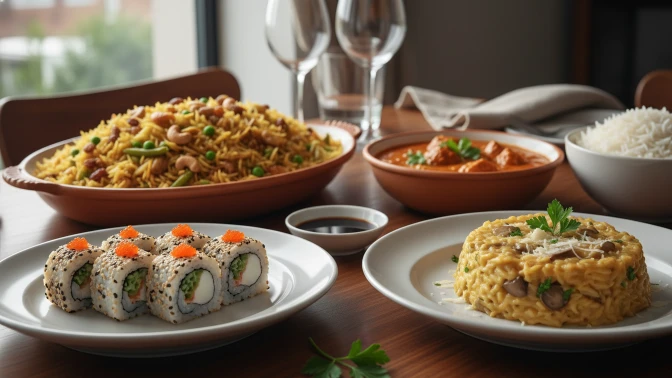
I focus on rice textures and starch levels to pick the right grain for each dish. Choose sticky, creamy, or fluffy rice based on whether you need it to bind, absorb sauce, or stay separate.
Rice for Sushi
I use short-grain Japonica rice for sushi because it becomes sticky when cooked. The high amylopectin content helps the rice hold shape for nigiri and rolls.
I rinse the rice until the water runs clear to remove surface starch, then use a slightly lower water ratio for firmness. After cooking, I season with a mix of rice vinegar, sugar, and salt while the rice is still warm to achieve the classic shiny, slightly tangy finish.
For sushi rolls, cool the rice to room temperature before spreading on nori. For nigiri, keep the rice slightly warm and wet your hands to shape consistent bites.
Rice for Risotto
I pick Arborio, Carnaroli, or Vialone Nano for risotto because these starchy short- to medium-grain rices release creamy starch when stirred. Carnaroli gives the most forgiving texture; Arborio is widely available and still delivers a creamy result.
I toast the rice briefly in oil or butter, then add warm broth in small ladles while stirring. The constant stirring and gradual liquid addition help the grains release starch and create a glossy, velvety sauce without becoming mushy.
I finish risotto off-heat with butter and grated Parmesan for richness and sheen. Serve it immediately; it should be loose and spread slightly on the plate, not dry or overly thick.
Rice for Pilaf
I choose long-grain rice like Basmati or long-grain white for pilaf to achieve separate, fluffy grains. These rices have lower starch that keeps grains distinct after cooking.
I sauté the rice in oil or butter with aromatics such as onion, garlic, or whole spices to coat each grain and enhance flavor. Then I add a measured amount of hot broth, cover, and cook undisturbed so the steam gently finishes the grains.
After cooking, I let the pilaf rest covered for 5–10 minutes, then fluff gently with a fork. This step firms the grains and prevents clumping, delivering a light texture ideal for salads, sides, or stuffing.
Rice for Curry
I serve curries with fragrant long-grain rice like Basmati or with medium-grain rice for heartier curries. Basmati’s floral aroma and thin, separate grains soak up sauces without getting soggy.
I rinse Basmati to remove excess starch, then use a slightly lower water-to-rice ratio and a gentle simmer to keep grains intact. For richer curries, I sometimes use jasmine rice for its softer texture and subtle sweetness.
I pair rice with curry by matching textures: light, fluffy rice for soupy curries; stickier or medium-grain rice for thick, gravy-style curries that need more cling.
Choosing The Right Rice For Recipes
I pick rice based on how it should feel, taste, and what health needs I want it to meet. Texture, flavor, and nutrition guide my choice for each recipe so the dish turns out the way I expect.
Texture Considerations
Texture decides how rice works in a dish. I choose long-grain rice like basmati or jasmine when I want separate, fluffy grains—good for pilafs and fried rice. Short-grain and sushi rice give a sticky, clumped texture that helps when I need rice to hold together for sushi, onigiri, or rice bowls.
For risotto or creamy dishes, I use medium-grain arborio because its high starch releases a velvety cream as it cooks. Wild rice and brown rice keep a firm, chewy bite; I add more liquid and extra cooking time when I use them. When texture matters, I adjust water ratios and cooking time rather than forcing one rice to behave like another.
Flavor Profiles
Different rices bring subtle and strong flavors to a dish. I use fragrant basmati for Indian recipes; its nutty, floral notes pair well with spices. Jasmine adds a sweet, aromatic backdrop to Southeast Asian meals. Plain white long-grain minimizes flavor interference, so it suits saucy dishes and casseroles.
For bold color and earthiness, I pick black or red rice; they add nutty, slightly sweet flavors and visual interest. Brown rice lends a toasty, whole-grain taste that complements salads and bowls. I often consult resources like USDA grain guides or cooking sites such as Serious Eats when I need precise flavor pairings or cooking tips.
Nutritional Differences
Rice types differ in fiber, vitamins, and glycemic impact. Brown, red, and black rices keep the bran and germ, so they have more fiber, magnesium, and B vitamins than white rice. I choose whole-grain rice for meals where steady energy and extra nutrients matter.
White rice cooks faster and is lower in fiber, so it raises blood sugar more quickly than whole-grain varieties. Parboiled rice sits between them: it retains some nutrients and stays firmer after cooking. For detailed comparisons and nutrient data, I refer to the USDA FoodData Central to plan meals that match dietary needs.
Global Cuisines And Rice Preferences
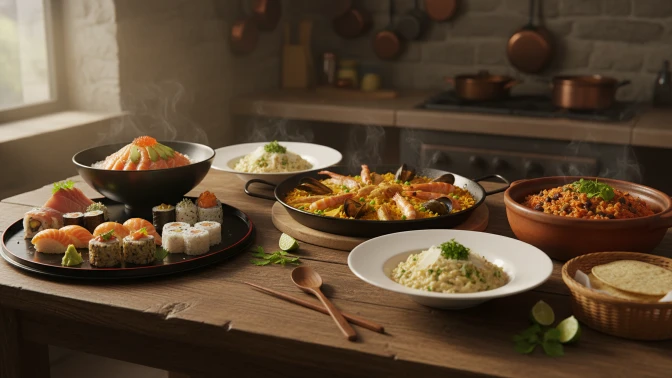
I focus on how rice types shape dishes by texture, aroma, and cooking method. You’ll find specific rice choices for stir-fries, pilafs, risottos, and stews that make each regional dish work.
Asian Rice Dishes
I use jasmine and short-grain rice most in Asian cooking. Jasmine gives a fragrant, slightly sticky texture that pairs well with Thai curries and Vietnamese dishes. Short-grain rice becomes plump and sticky when cooked, which is essential for sushi, Korean bibimbap, and Japanese donburi.
For fried rice and stir-fries, I choose day-old long-grain jasmine or aged basmati because the grains separate and won’t turn mushy. For sticky rice desserts and Lao or Northern Thai meals, I pick glutinous rice and steam it in a basket for the right chewiness. For more on cooking jasmine rice and its uses, I refer readers to resources like the USDA’s rice guidance and specialty rice makers’ pages.
Mediterranean Rice Dishes
I rely on arborio and medium-grain rices in Mediterranean recipes. Arborio’s high starch makes creamy risotto—stirring releases starch and creates that signature velvety texture. Shorter, plumper medium-grain rices work well in Spanish paella and Greek rice-stuffed vegetables because they absorb flavor while keeping some bite.
When making pilaf, I toast long-grain rice in oil first to coat each grain. This step keeps the rice separate after simmering with broth and aromatics. For paella, I pick a short, absorbent rice like bomba or calasparra to hold up under slow cooking and socarrat formation.
Latin American Rice Dishes
I choose long-grain and medium-grain rices in Latin American kitchens. In Cuban, Puerto Rican, and Dominican recipes, medium-grain rice absorbs sofrito and beans without collapsing, producing arroz blanco or arroz con gandules with distinct grains. For Mexican arroz rojo, I lightly fry long-grain rice and then simmer in tomato broth for a fluffy, flavored result.
For rice and beans, I match the rice to the bean texture: firmer long-grain rice pairs well with black beans, while medium-grain works with creamier pinto or red beans. When making arroz con leche, I use short- to medium-grain rice for a creamier finish because those grains release more starch during slow simmering.
Storage And Cooking Tips
I store rice in a cool, dry place away from sunlight. For short-term use, airtight containers work well to keep out moisture and pests.
I keep white rice up to 4–5 years if sealed and stored properly. Brown and wild rice have oils that go rancid faster, so I use them within 6–12 months at room temperature.
When I buy rice for long-term storage, I prefer vacuum-sealed bags or food-grade buckets with oxygen absorbers. Freezing rice for 48 hours kills any insect eggs and helps extend shelf life.
I rinse most rice once or twice to remove surface starch unless a recipe needs stickiness. For fluffy rice, I use a 1:1.5 rice-to-water ratio for long-grain white, and slightly more water for short-grain or brown rice.
I bring water to a boil, add rice, then reduce to a low simmer with a tight lid. I avoid lifting the lid while it cooks; steam does the work. After cooking, I let rice rest 5–10 minutes before fluffing with a fork.
Tips at a glance:
- Rinse: Remove extra starch for less stickiness.
- Ratios: Long-grain ~1:1.5, short-grain ~1:1.25–1.5, brown ~1:2.
- Heat: Simmer low with a tight lid.
- Rest: 5–10 minutes off heat before fluffing.
If you need to reheat rice, add a splash of water and cover to keep moisture. I store cooked rice in the fridge for up to 4 days and freeze portions for longer use.
FAQs
How long should rice soak or rinse?
I usually rinse white rice until the water runs clear to remove surface starch. Brown rice may benefit from a short soak to shorten cooking time.
Can I swap one rice for another in a recipe?
Yes, but expect texture changes. Swap similar grains (long-grain for long-grain) to keep the dish close to the original.
What about storage?
I store dry rice in a cool, dry place in an airtight container. Cooked rice should cool quickly and go in the fridge within two hours.
Are colored rices like red or black healthier?
They contain more fiber and antioxidants than white rice. I note that portion size and overall diet matter more than a single food.
How do I cook rice without a pot?
I’ve used a rice cooker or instant pot for consistent results. Both free me from watching the pan and often yield better texture.
Conclusion
I chose the rice types in this article to help you pick the right grain for each dish. Knowing the main categories—long, medium, short, aromatic, and specialty—makes cooking easier and results more reliable.
I recommend matching rice texture to the recipe. Use fluffy long-grain for pilafs and salads, sticky short-grain for sushi and rice bowls, and starchy medium-grain for risotto and paella. Aromatic varieties like basmati and jasmine work well when you want fragrance.
I keep a small set of rice on hand: one white long-grain, one brown or whole-grain, and one specialty rice such as arborio or sticky rice. This gives me flexibility for most meals without cluttering my pantry.
Tips I use often:
- Rinse most rice to remove excess starch.
- Adjust water ratios by grain type.
- Toast or sauté some rice before cooking to boost flavor.
I expect you’ll gain confidence by trying a few types in simple recipes. Start small, note differences, and adapt water and cook times. You’ll find the right rice for each meal and enjoy better, more consistent results.
