
What Is Cornstarch – Practical Uses and Expert Tips

You use cornstarch more than you think — in sauces, pies, and even around the house — and it can make a big difference when you know how to handle it. Cornstarch is a fine, gluten-free powder from the corn kernel that thickens sauces, clarifies fillings, and crisps coatings when heated, and you only need a small amount to change a recipe’s texture. I’m Emma Reed, and I’ll show you simple, reliable ways to get the results you want with this pantry staple.
I’ll walk you through what cornstarch is, how to use it in cooking and baking, easy swaps, and a few clever non-food uses. You’ll learn quick tips to avoid lumps, know when it shines versus when another thickener works better, and feel confident grabbing that box off the shelf.
Key Takeaways
- Cornstarch is a gluten-free thickener that changes texture with heat.
- Use small amounts and mix with cool liquid to prevent lumps.
- It works in sweet and savory dishes and has some non-food uses.
What Is Cornstarch
I explain what cornstarch is, where it comes from, and the main types you’ll find in stores and recipes. Expect clear facts you can use when cooking, baking, or reading ingredient labels.
Definition of Cornstarch
I define cornstarch as a fine, white powder made from the endosperm of corn kernels. It contains mostly starch molecules called amylose and amylopectin, which swell and thicken liquids when heated.
I use cornstarch primarily as a thickener for sauces, gravies, pie fillings, and puddings. It’s flavorless and turns clear when cooked, so it won’t cloud a sauce or change its taste.
Cornstarch is naturally gluten-free, which makes it common in gluten-free baking and cooking. You should mix it with cold liquid first (a slurry) to avoid lumps before adding it to hot liquids.
Origin and History
I trace cornstarch’s origin to corn, specifically the kernel’s endosperm, which people have separated and processed for centuries. Commercial production began in the 19th century as milling technology improved, allowing manufacturers to isolate pure starch.
I note that cornstarch became popular in industrial and household use because it stores well and has many applications. Early uses included food thickening and textile sizing; later, manufacturers and cooks expanded its uses to cleaning, cosmetics, and industrial products.
I also point out that modern cornstarch is made by steeping, grinding, and washing corn to extract the starch. Food-grade standards and labeling now guide how it’s sold and used in recipes and packaged foods.
Types of Cornstarch
I describe common types you’ll see: regular (native) cornstarch, modified cornstarch, and pre-gelatinized cornstarch.
- Regular (native) cornstarch: Pure, untreated starch used for thickening. It requires heat to gelatinize and works best in clear, glossy sauces.
- Modified cornstarch: Chemically or physically altered to improve stability. Manufacturers use it in canned soups, frozen foods, and sauces that need to withstand reheating, freezing, or acidity.
- Pre-gelatinized cornstarch: Dried after cooking so it dissolves in cold water. You find it in instant puddings and some emergency food mixes.
I add that some cornstarches are labeled as “food-grade” or “industrial,” so check packaging before cooking.
How Cornstarch Is Made
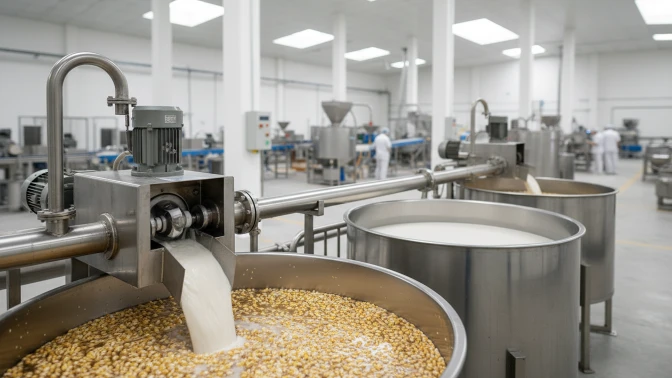
I explain how cornstarch starts as corn kernels and becomes the fine white powder used in kitchens and industry. The process separates starch from other parts of the kernel and cleans and dries it into a pure product.
Cornstarch Production Process
I begin with wet milling, the main method used in modern plants. Kernels first soak in warm water with a small amount of sulfur dioxide for 24–48 hours to soften the grain. Machines then grind the corn and pass the slurry through screens and centrifuges to separate the starch from fiber, germ, and protein.
The separated starch is washed several times to remove residual protein and impurities. I follow this with drying in flash or drum dryers to reduce moisture to about 12%. The dried starch is then milled to a fine powder and sieved for uniform particle size. Quality control tests for moisture, purity, and viscosity ensure the final cornstarch meets food-grade standards.
Sourcing and Ingredients
I source cornstarch from the starchy endosperm of dent or flint corn varieties. The endosperm contains mostly starch and little protein, which makes the final product nearly pure carbohydrate and naturally gluten-free. Farmers typically grow specific hybrids chosen for high starch yield and consistent kernel structure.
Other inputs include water, sulfur dioxide for steeping, and energy for milling and drying. Processing plants may also use small amounts of food-grade additives for anti-caking or to modify functional properties when making modified cornstarch. For more on corn varieties and wet milling, I refer to resources from the USDA and industry overviews like the Corn Refiners Association for technical details.
Culinary Uses of Cornstarch
I use cornstarch to change texture, control thickness, and crisp coatings. It works in hot sauces, baked goods, and fried foods, and it’s easy to measure and mix.
Thickening Sauces and Gravies
I dissolve cornstarch in cold water or broth to make a slurry before adding it to hot liquid. This prevents lumps. Start with 1 tablespoon of cornstarch mixed with 1–2 tablespoons cold liquid for about 1 cup of sauce; adjust from there.
Heat the sauce after adding the slurry until it simmers. Cornstarch thickens quickly and reaches full thickness within a minute of simmering. Avoid boiling long or the sauce can thin again.
Cornstarch gives a clear, glossy finish unlike flour, which makes sauces opaque and heavier. It also sets a bit on cooling, so I sometimes thin a sauce with a splash of stock or water before serving.
Baking Applications
I add cornstarch to cake and cookie recipes to make crumb finer and texture tender. Common use: 1–2 tablespoons cornstarch mixed into a cup or more of flour to soften gluten formation.
Cornstarch helps pie fillings and custards set without getting grainy. I mix it with sugar and spices, then stir into fruit juices or milk before cooking. It thickens at lower temperatures than flour, which protects delicate fillings.
For gluten-free baking, I blend cornstarch with other starches and flours. It adds structure and lightness but can’t replace wheat flour alone; it needs partners like rice flour or xanthan gum.
Coating and Frying
I use cornstarch as a dry dredge or mixed into batters for fried foods. It creates a thin, crisp crust that stays crunchy longer than flour alone. For extra crispness, I combine equal parts cornstarch and all-purpose flour.
When dredging, toss pieces in cornstarch and shake off excess before frying. For batter, whisk cornstarch into cold sparkling water or beer for a light, airy coating. Fry at steady oil temperature (about 350–375°F / 175–190°C).
Cornstarch also reduces oil absorption, so fried foods feel less greasy. For best results, keep coated items in a single layer and drain on a wire rack to preserve the crisp surface.
Cornstarch in Everyday Cooking
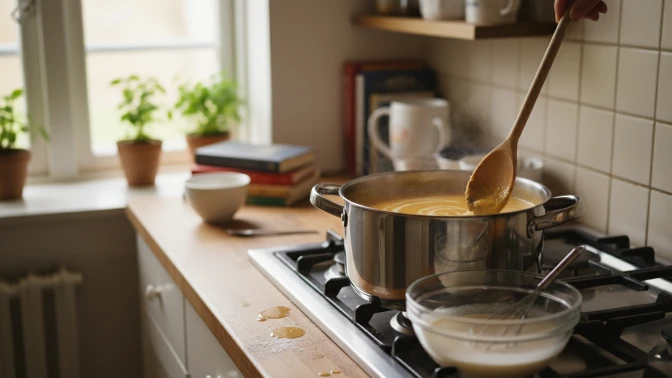
I use cornstarch to change texture and thickness without adding flavor. It works fast, clears when cooked, and gives a smooth finish.
Using Cornstarch in Soups and Stews
I always make a cold slurry before adding cornstarch to hot liquid. Mix 1 tablespoon cornstarch with 1–2 tablespoons cold water for each cup of liquid you want to thicken. Stir the slurry into the simmering soup or stew and cook 1–2 minutes until the broth clears and thickens.
Avoid adding cornstarch directly to boiling liquid; it clumps. For long-simmering stews, add the slurry near the end to prevent breakdown and thinning. If you need a stronger hold, use a little more cornstarch rather than over-reducing the sauce.
Note that cornstarch gives a glossy, slightly jelly-like finish. It works best for clear sauces, broth-based soups, and fillings for pies that need to set when cooled.
Making Puddings and Custards
I use cornstarch as the main thickener when I want a smooth, creamy pudding without eggs. Typical ratio: 2 tablespoons cornstarch per cup of milk for a medium set. Whisk cornstarch into a portion of the cold milk or sugar first to prevent lumps.
Heat the mixture slowly and stir constantly as it comes to a gentle boil; the starch activates at about 203°F (95°C). Once it boils, cook 1–2 minutes to remove starchy taste and reach full thickness. For richer custards, temper in beaten egg yolks by adding a small amount of the hot milk to the yolks, then return to the pot and cook briefly.
If you want a firmer sliceable custard, increase cornstarch slightly. For silkier texture, combine cornstarch with a little flour or use milk with higher fat.
How to Use Cornstarch Effectively
I will show practical steps for mixing cornstarch, common traps to avoid, and when it can replace other thickeners. Read the steps and tips and use them exactly as written for smooth, lump-free results.
Proper Mixing Techniques
Always mix cornstarch with a cold liquid before heating. I whisk 1 part cornstarch into 2–3 parts cold water, stock, or milk to make a slurry. This keeps starch granules separate so they won’t clump when they hit heat.
Add the slurry to hot liquid slowly while stirring or whisking constantly. Heat the pot gently to a simmer—cornstarch thickens quickly once it reaches about 95–100°C (200°F) and becomes glossy in 1–2 minutes. If you need a thicker sauce, remove a small amount, add more cornstarch, remix, then return it to the pan.
If you want a thinner finish, mix cornstarch with oil or melted butter for batters or dredges. For baking, fold cornstarch into dry ingredients to lighten texture. For best results, measure with a teaspoon or tablespoon rather than guessing.
Avoiding Common Mistakes
Never add dry cornstarch directly to hot liquid. It will form gummy lumps instantly. If lumps form, blend the mixture briefly with an immersion blender or pass it through a fine mesh sieve to rescue the sauce.
Don’t overcook a cornstarch-thickened sauce; extended boiling breaks down the starch and thins the sauce. Also avoid acidic liquids in large amounts—high acid can lessen the thickening power, so increase the cornstarch slightly if using tomatoes or citrus.
Keep cornstarch away from very oily hot pans when making gravy; oil prevents proper suspension. Store cornstarch in a cool, dry place in an airtight container to prevent moisture clumps.
Substituting for Other Ingredients
Cornstarch works as a quick substitute for flour as a thickener. Use about half the amount of cornstarch by weight compared to all-purpose flour for similar thickness. For example, use 1 tablespoon cornstarch for every 2 tablespoons flour.
For gluten-free baking, I replace a portion of flour with cornstarch (commonly 1–2 tablespoons per cup) to soften texture. Note cornstarch gives a glossy finish and a slightly different mouthfeel than arrowroot or tapioca. Arrowroot tolerates freezing better; if you’ll freeze the sauce, consider using arrowroot instead.
When using cornstarch as a coating for frying, mix it with flour (50:50) for extra crispness. For recipes requiring a neutral binder, cornstarch often stands in for eggs in small amounts in batters. For more technical details on starch behavior, I refer to guidance from sources like the USDA and Serious Eats.
Storage and Shelf Life of Cornstarch
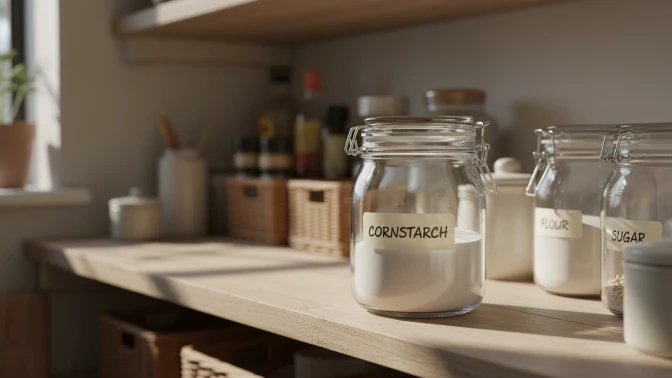
I store cornstarch so it stays dry and easy to use. Keep it in a cool, dry place and watch for moisture or pests.
Best Storage Methods
I keep cornstarch in an airtight container to block moisture and pests. Use a plastic or glass jar with a tight lid, or reseal the original bag inside a zip-top bag. Store it in a pantry away from heat sources like the stove, oven, or direct sunlight. Heat can cause clumping and reduce thickening power over time.
If I need long-term storage, I place a small food-safe desiccant or a folded paper towel on top to absorb stray humidity. I label the container with the date I opened it. For very long storage, vacuum-sealed bags or sealed glass jars in a cool, dark cabinet work best. The USDA and food-safety sites note that kept dry, cornstarch can last years, though quality may slowly decline; see guidelines at the FDA for pantry storage practices.
Recognizing Spoilage
Cornstarch rarely grows mold because it has low moisture. I look for signs that it’s unusable: a sour or off odor, visible mold, or insects. Clumping alone doesn’t always mean spoilage; gently breaking up small lumps is usually fine if no smell or bugs are present.
If I find any insects, webbing, or a musty smell, I discard the cornstarch. When in doubt, I replace it—cornstarch is inexpensive and a fresh box ensures consistent results in cooking and cleaning. For more on identifying pantry spoilage, I check reliable food-safety resources like the USDA.
Nutritional Information and Dietary Considerations
I focus on what cornstarch contains and how it fits into different diets so you can make practical choices for cooking and health.
Nutritional Profile
I note that cornstarch is almost pure carbohydrate.
A tablespoon has about 30 calories and 7 grams of carbs. It has negligible protein, fiber, fat, vitamins, and minerals.
Because it lacks fiber and protein, cornstarch raises blood sugar faster than whole grains or starchy vegetables.
Key numbers (approximate per 1 tbsp / 8 g):
- Calories: 30
- Carbs: 7 g
- Protein: 0 g
- Fat: 0 g
- Fiber: 0 g
Use small amounts as a thickener to limit added calories and carb spikes. I avoid using cupfuls in recipes unless the dish is balanced with protein, fat, or fiber to slow glucose absorption.
Suitability for Special Diets
I find cornstarch works for many diets but has limits.
Gluten-free: Cornstarch is naturally gluten-free, so it suits celiac and gluten-sensitive meals when cross-contamination is avoided.
Low-carb / keto: It is not keto-friendly because it adds refined carbs quickly. I recommend low-carb thickeners like xanthan gum or guar gum instead.
Diabetes: I caution people with diabetes to use cornstarch sparingly and count the carbs. Small amounts in sauces usually fit when balanced with protein and healthy fats.
Allergies and intolerances: Corn allergy is rare but possible. I advise checking labels for additives and choosing certified gluten-free if needed.
Non-Culinary Uses of Cornstarch
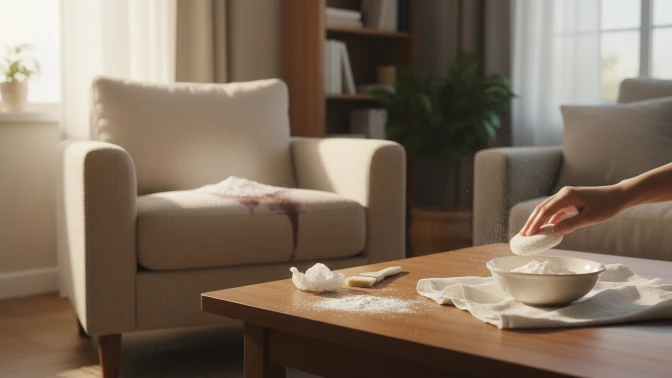
I use cornstarch around the house for cleaning, fixing fabrics, and personal care. It works as a dry cleaner, absorbent, and gentle skin product when used correctly.
Cornstarch in Household Cleaning
I sprinkle cornstarch on greasy upholstery, let it sit 15–30 minutes, then vacuum to lift oil stains. For carpet spots, I mix 1 part cornstarch with 1 part baking soda, apply, wait 30 minutes, then vacuum; this helps absorb fresh spills without harsh chemicals.
I also make a simple paste (2 tablespoons cornstarch + cold water to a spreadable consistency) to clean glass or polish silver gently. Apply with a soft cloth, rub lightly, then rinse or buff dry.
To freshen shoes, I dust cornstarch inside, leave overnight, and shake out in the morning. It soaks up sweat and odor. Keep cornstarch dry and stored in a sealed container to avoid clumping and loss of effectiveness.
Cosmetic and Health Applications
I use cornstarch as a DIY dry shampoo: sprinkle a small amount near the roots, let sit 5–10 minutes, then brush out. On light hair, I apply directly; for dark hair, I mix a pinch of cocoa powder to hide the powder.
For skin care, I pat cornstarch on chafed areas or minor rashes to reduce friction and moisture. I avoid using it on open wounds or near deep cuts. I also use a thin layer as a gentle body powder after bathing to help skin feel dry.
If I mix cornstarch with equal parts water, it forms a soothing paste for minor sunburns or insect bites; I apply briefly and rinse. I do not use cornstarch for medical treatments that require professional care, and I stop use if irritation occurs.
FAQs
What is cornstarch made from?
I explain it as the fine, white powder taken from the starchy endosperm of corn kernels. It has almost no protein and is naturally gluten-free.
How do I use it to thicken sauces?
I mix cornstarch with a cold liquid to make a slurry, then stir it into the hot sauce. Heat activates the starch and thickens the sauce quickly, usually within a minute or two.
Can I substitute cornstarch for flour?
Yes, but the ratio differs. I usually use about half as much cornstarch by volume as flour for the same thickening power. Cornstarch makes a glossier, smoother finish.
Is cornstarch good for baking?
I use small amounts to soften textures in cakes and cookies and to help gluten-free mixes bind. It can make crumbs tender and light when combined correctly.
Any household uses?
I often use cornstarch to remove grease stains, calm itchy skin, or dust slippery surfaces like drawers. It has many non-cooking uses because it absorbs oil and moisture well.
Are there limits or precautions?
I avoid overcooking cornstarch-thickened dishes; prolonged boiling can break down the thickening. Also, avoid raw cornstarch in large amounts as it’s hard to digest.
Conclusion
I’ve shown how cornstarch works as a pure starch that swells and thickens when heated. It gives sauces a smooth, glossy finish and can crisp coatings or lighten baked goods when used right.
I recommend making a slurry before adding cornstarch to hot liquids to avoid lumps. Measure carefully; too much makes textures gummy, too little won’t thicken enough.
I use cornstarch for quick gravy, fruit fillings, and when I want a clear sauce. It also works in small home fixes, like removing oil stains or making simple deodorant blends.
If you need swaps, I point to alternatives like flour or arrowroot, noting each has different cooking traits. Test small batches when you change thickeners so you can adjust amounts and timing.
I encourage you to practice basic techniques—slurry, simmer briefly, and cool to set. Those simple steps make cornstarch reliable and easy to use in many recipes.