
Benefits of Eating Fresh Food – Nutrition Expert Tips

You’ll feel the difference when you choose fresh food: more flavor, more nutrients, and meals that help you feel stronger and clearer each day. I’m Emma Reed, and I’ll show how simple swaps—fresh fruits, vegetables, and whole ingredients—can lift your energy, protect your health, and make meals more satisfying.
We’ll walk through the real benefits you can expect, from better nutrition and easier weight control to safer food choices and positive effects on mood. Choosing fresh food often gives you higher nutrient value, fewer additives, and clearer health gains you can notice in weeks, not months.
I write from experience and research, and I’ll give practical tips so you can add fresh choices to your daily life without stress.
Key Takeaways
- Fresh food boosts nutrient intake and improves meal quality.
- Eating fresh supports physical health and helps manage weight.
- Simple, affordable swaps make fresh food easier to enjoy.
Benefits of Eating Fresh Food – Nutrition Expert Tips
Nutritional Advantages of Fresh Food
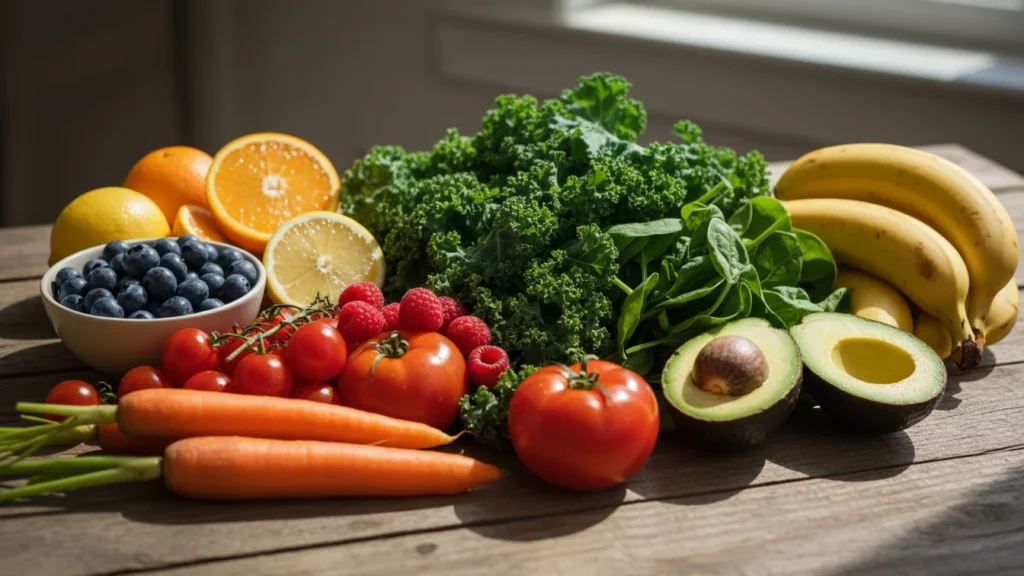
I focus on what fresh food gives my body: more vitamins and minerals, stronger antioxidant protection, and enzymes that help digestion and nutrient use. These points explain why choosing fresh produce, lean proteins, and unprocessed dairy matters for daily health.
Rich in Vitamins and Minerals
Fresh fruits and vegetables usually have higher levels of vitamins A, C, K, and many B vitamins than older or processed options. For example, leafy greens like spinach and kale deliver vitamin K and folate, while citrus fruits give vitamin C that supports wound healing and iron absorption. Fresh lean proteins, such as recently cooked fish or chicken, supply more bioavailable B12 and zinc than heavily processed meats.
Minerals like potassium and magnesium also stay higher in fresh produce. Potassium from bananas and potatoes helps regulate blood pressure. I rely on fresh choices to meet micronutrient needs without supplements. The USDA National Nutrient Database and resources from the World Health Organization provide clear nutrient values for common fresh foods and can help plan meals.
Higher Antioxidant Content
Antioxidants such as vitamin C, vitamin E, carotenoids, and flavonoids are more concentrated in fresh, ripe produce. Berries, tomatoes, bell peppers, and dark leafy greens are good examples that deliver these compounds. Antioxidants neutralize free radicals and support cell health; eating fresh sources gives more of these protective molecules per serving than processed or canned versions.
Storage and heat can reduce antioxidant levels. I eat colorful fruits and vegetables soon after purchase or store them properly to keep their antioxidant power. For reliable guidance on antioxidant-rich foods and cooking tips, I consult resources like Harvard’s nutrition pages.
Maintains Natural Enzymes
Fresh foods contain natural enzymes that begin digestion before food reaches the stomach. Raw fruits like pineapple and papaya contain bromelain and papain, which help break down proteins. These enzymes can ease digestion and reduce gut workload when I include raw or lightly cooked fresh ingredients.
Processing, high heat, and long storage destroy many of these enzymes. That’s why I add raw garnishes, fresh fruit, or lightly steamed vegetables to meals instead of relying solely on heavily cooked or preserved foods. Keeping some foods raw when safe preserves these enzymes and supports smoother digestion.
Health Benefits of Eating Fresh Food
I focus on specific ways fresh fruits, vegetables, and lean proteins help the body. You’ll see how nutrients, fiber, and lower additives affect immunity, digestion, chronic disease risk, and daily energy.
Supports Immune System Function
I eat fresh produce to get vitamins and minerals that the immune system needs. Vitamin C from citrus and peppers helps white blood cells work better. Zinc from pumpkin seeds and lean meats supports cell signaling and wound healing.
Fresh foods also deliver antioxidants like beta‑carotene and flavonoids. These reduce oxidative stress that can weaken immune response. Eating a mix of colors—leafy greens, berries, and orange vegetables—gives a wider range of protective compounds.
I avoid heavily processed items that add excess sugar and salt. Those can impair immune cells and promote inflammation. Choosing fresh cuts of meat and whole fruits keeps my immune support strong without added preservatives.
Promotes Healthy Digestion
I choose fresh fruits, vegetables, whole grains, and legumes for their fiber content. Soluble fiber (oats, apples, beans) helps hold water and soften stool. Insoluble fiber (whole wheat, broccoli, nuts) adds bulk and speeds passage through the gut.
Fresh foods also contain natural enzymes and more water than processed options. These factors ease digestion and reduce bloating. Fermented fresh foods like plain yogurt or kefir add beneficial bacteria that support a balanced gut microbiome.
I limit processed meals high in fat and low in fiber because they slow digestion and can cause constipation. Regularly eating fresh produce helps maintain regular bowel habits and supports nutrient absorption.
Reduces Risk of Chronic Diseases
I rely on fresh whole foods to lower risks for heart disease, type 2 diabetes, and some cancers. Leafy greens, berries, and fatty fish provide nutrients that lower inflammation and improve blood vessel function. Soluble fiber from beans and oats helps lower LDL cholesterol.
Fresh produce is lower in added sugars and unhealthy fats that raise blood sugar and blood lipids. Eating fewer processed snacks and sugary drinks helps stabilize glucose and reduce insulin resistance over time.
I also focus on portion control and variety. Eating a range of vegetables, fruits, whole grains, and lean proteins supplies protective nutrients without excess calories. That pattern links to lower long‑term risk for metabolic and cardiovascular conditions.
Boosts Energy Levels
I get steady energy by eating fresh carbohydrates and proteins together. Whole fruits, sweet potatoes, and whole grains release glucose more slowly than refined carbs. That prevents sharp energy crashes during the day.
Protein from fresh sources—chicken, fish, eggs, legumes—helps maintain muscle and keeps me full longer. Healthy fats from avocados, nuts, and olive oil support sustained mental focus and act as a longer‑lasting fuel.
I avoid processed foods with high sugar and trans fats because they give quick spikes then crashes. Regular meals built from fresh ingredients keep my energy steady, improve concentration, and reduce mid‑day fatigue.
Impact on Mental Well-Being

I focus on how fresh food affects mood and thinking. Eating whole, nutrient-dense foods helps balance brain chemistry and supports clear thinking.
Enhances Mood Stability
I notice more stable moods when I eat fresh fruits, vegetables, and fatty fish rich in omega-3s. These foods provide nutrients like B vitamins, vitamin D, and omega-3 fatty acids that support serotonin and dopamine production. That support can reduce mood swings and lower feelings of anxiety in daily life.
I also pay attention to blood sugar control. Meals based on whole grains, lean protein, and fiber slow glucose spikes, which cuts down on irritability and energy crashes. Research from reputable sources such as Mental Health America explains how eating patterns influence mood and emotional resilience.
Improves Cognitive Function
I experience clearer focus and better memory when I choose fresh, minimally processed foods. Antioxidant-rich fruits and vegetables protect brain cells from oxidative stress, while iron and B12 from lean meats and legumes support concentration and memory. Regular intake of omega-3s from salmon or walnuts helps maintain neural function.
I plan meals to include a mix of nutrients: leafy greens, berries, whole grains, and nuts. For evidence-based guidance on diet and brain health, I consult resources like McLean Hospital, which summarizes links between nutrition and cognitive performance.
Effects on Weight Management
Fresh foods help control hunger and support efficient energy use. I focus on how whole produce and lean fresh proteins affect fullness and metabolism so you can make choices that help manage weight.
Encourages Satiety
I find fresh fruits, vegetables, whole grains, and lean proteins fill me up with fewer calories. These foods contain fiber and water that slow digestion, so I stay satisfied longer after meals. For example, a salad with mixed greens, chickpeas, and a piece of fruit keeps hunger down more than a refined snack does.
Protein from fresh fish, chicken, or legumes also raises fullness and reduces late-night snacking. Combining protein with fiber—like Greek yogurt topped with berries—boosts this effect. The USDA MyPlate guidance offers practical portion tips that I use to balance meals and avoid overeating.
Supports Healthy Metabolism
Fresh food supplies vitamins and minerals that help metabolic processes run smoothly. Nutrients such as iron, B vitamins, magnesium, and vitamin D support energy production and muscle function, which I need for daily activity and exercise.
Eating whole foods tends to reduce intake of added sugars and trans fats that can impair insulin response. I choose fresh vegetables and lean proteins to stabilize blood sugar and keep energy steady. For reliable nutrition facts and recommendations I refer to sources like the MedlinePlus nutrition pages for clear, evidence-based tips.
Fresh Food and Food Safety

I focus on how fresh food can reduce exposure to unnecessary chemicals and lower some contamination risks. You’ll see why choosing fresh, minimally processed items often means fewer additives and fewer sources of chemical or microbial contamination.
Fewer Additives and Preservatives
I choose fresh foods because they usually don’t need artificial preservatives, colorings, or flavor enhancers. Packaged and processed products often list multiple additives that extend shelf life or improve texture. Those include sodium nitrite in cured meats, sulfites on dried fruit, and emulsifiers in some ready-made meals.
Eating fresh fruit, vegetables, whole grains, and fresh meat lets me avoid many of these ingredients. That can matter for people with sensitivities, such as sulfite or MSG reactions, and for those watching sodium or added sugar. For more on how additives work and their health effects, I refer to guidance from the U.S. Food and Drug Administration (FDA).
When I prepare fresh food at home, I control what goes in the dish. I can use simple preservation methods like freezing or refrigeration without relying on chemical preservatives. This keeps flavor and reduces intake of additives tied to processed foods.
Lower Exposure to Contaminants
Fresh food can lower exposure to some contaminants, but it is not risk-free. Local, recently harvested produce often has less time for pesticide residues to concentrate, and fresh fish bought from a trusted supplier can reduce the chance of industrial contaminants compared with long-shelf-life alternatives.
I still take precautions: I wash fruits and vegetables, trim outer leaves, and store perishable items at proper temperatures. For meat and poultry, I follow safe handling and cook to recommended internal temperatures to kill pathogens. The Centers for Disease Control and Prevention (CDC) offers clear food safety steps I follow to reduce microbial risk.
When buying fresh, I prefer reputable sources with transparent practices, such as farmers’ markets or stores that provide sourcing information. This helps me assess pesticide use, storage conditions, and handling — all key to lowering contaminant exposure.
Environmental Benefits of Consuming Fresh Food
I explain how fresh food cuts waste and helps farming methods that protect soil, water, and wildlife. The points below show practical actions and real environmental effects.
Reduces Food Waste
I buy produce from nearby sources to limit spoilage during transport. Shorter trips mean fruits and vegetables spend less time in trucks and warehouses, so more of what is harvested reaches my table.
I also choose seasonal items because they last longer at home. Out-of-season produce often needs extra handling, preservatives, or refrigeration, which raises the chance it gets thrown away.
Small actions add up: shopping more often for fresh items, storing them correctly, and buying only what I will eat reduce household waste. When less food is wasted, fewer resources are used for growing and hauling food that never gets eaten.
Supports Sustainable Agriculture
I favor farms that use crop rotation, reduced tillage, and cover crops. These practices keep soil healthy, cut erosion, and increase carbon storage in the ground.
Buying fresh from local growers often means less reliance on chemical inputs. Many small farms use integrated pest management and organic practices, which lower pesticide runoff into rivers and protect pollinators like bees.
My purchases influence what farmers grow. When I choose fresh, local produce, I help create demand for sustainable methods, support biodiversity on farmland, and reduce the need for long-distance shipment that consumes fuel and raises emissions.
Economic and Community Impact

I see fresh, local food as a direct boost to neighborhood economies. Buying from farmers and small producers keeps money close to home and creates jobs in farming, processing, and retail.
I watch how farmers’ markets and local food hubs spark new businesses. They draw customers to nearby shops and restaurants, which raises foot traffic and local tax revenue.
I know that shorter supply chains cut transport costs and reduce waste. That often means better prices for consumers and more stable income for growers.
I value the resilience local food systems bring during shortages or shocks. Local networks can adapt faster than distant supply chains, helping communities stay fed.
I recommend checking resources like the USDA Local Food Directory for ways to find nearby producers and support local agriculture. For economic data and research, the USDA Economic Research Service offers reliable studies on food system impacts.
Incorporating Fresh Food Into Daily Life
I plan my meals ahead so I always have fresh options ready. A short weekly list helps me buy only what I need and reduces waste.
I keep fruit and cut vegetables visible in the fridge. This makes them easy to grab for snacks or quick sides.
I use simple meal-prep steps: wash, chop, and store ingredients in clear containers. That saves time and makes cooking less stressful.
I choose seasonal produce when I can. It often costs less and tastes better than out-of-season items.
I keep a small rotation of easy recipes I enjoy. Stir-fries, salads, and grain bowls let me mix fresh ingredients without long prep.
Bold choices help me stick with fresh food:
- Cook once, eat twice: make extra for lunches.
- Mix colors: aim for different fruits and vegetables each day.
- Freeze extras: freeze soups or chopped herbs to avoid spoilage.
I shop the perimeter of the store first, focusing on produce, dairy, and lean proteins. This keeps me away from heavily processed aisles.
I also try simple swaps, like plain yogurt for creamier dressings or fresh fruit instead of sugary snacks. Small changes add up over weeks.
Summary of the Benefits of Eating Fresh Food
I find fresh foods deliver more nutrients per bite than many processed options. Fruits, vegetables, and lean proteins give vitamins, minerals, fiber, and antioxidants that support digestion, vision, and immune function.
I notice better flavor and texture in fresh ingredients, which makes meals more satisfying. That often helps me eat less of the heavy, processed foods that add extra sugar, salt, and preservatives.
I rely on fresh food to help manage long-term health risks. Regular intake of fresh produce links to lower risk of heart disease, stroke, and type 2 diabetes, mainly because of nutrient density and fiber.
I also see benefits for local communities and the environment when I choose fresh, local items. Buying seasonal produce can reduce food miles and support nearby farmers, which often means fewer additives and better transparency about how food was grown.
- Key benefits at a glance:
- Higher nutrient density (vitamins, minerals, antioxidants)
- Better digestion (more fiber)
- Improved taste and satiety
- Lower intake of additives and preservatives
- Support for local food systems
I recommend simple swaps: add an extra serving of fresh fruit or a side salad. Small changes like these make the health benefits of fresh food easier to realize in daily life.
FAQs
Q: Why do I feel better when I eat fresh food?
I often notice more energy and clearer thinking after meals with fresh fruits, vegetables, and lean proteins. Fresh foods usually have more vitamins and fewer additives, which helps my body work better.
Q: How long does fresh food stay nutritious?
Fresh produce is most nutritious soon after harvest. I try to eat fruits and vegetables within a few days to a week for the best vitamin and antioxidant levels.
Q: Are fresh foods always more expensive?
Not always. I find local markets, seasonal buying, and simple recipes can keep costs down. Buying in season and planning meals helps me save money.
Q: Can fresh food reduce my disease risk?
Including more fresh produce and whole foods can lower risk factors for some chronic diseases. I don’t promise cures, but diets rich in vegetables, fruits, and lean proteins support long-term health.
Q: How do I keep fresh food from spoiling?
I store produce in the right places: leafy greens in the fridge, bananas at room temperature. Washing just before use and using airtight containers also helps.
Q: What if I don’t like certain fresh foods?
I mix flavors, roast vegetables, or add herbs and citrus to make them appealing. Small changes often help me enjoy a wider range of fresh foods.
Tips:
- Eat seasonally for better taste and value.
- Prepare simple meals to make fresh food a habit.
Conclusion
I believe choosing fresh food helps my body and my community in simple, real ways. Fresh fruits, vegetables, and minimally processed items give me more vitamins, fiber, and taste than many packaged options.
I find meals made from fresh ingredients easier to digest and more satisfying. That can help me eat less, feel fuller, and keep steady energy through the day.
I also notice benefits beyond nutrition. Buying local supports farmers and reduces the time food spends in transit. This often means fresher produce on my plate and less waste overall.
I don’t expect perfect choices every day, but I aim for more fresh foods most of the time. Small swaps—like adding a salad, choosing whole fruit, or cooking a simple vegetable side—make a real difference.
Key takeaways:
- Fresh foods boost nutrient intake and fiber.
- They often taste better and fill me up with fewer calories.
- Supporting local fresh sources helps communities and can cut food waste.
I plan my meals around fresh ingredients when I can, and that keeps eating simple, healthy, and practical for everyday life.
