Healthy Food Habits – Beginner’s Guide to Eating Better

You want simple, steady food habits that actually stick. I’ll show small changes that make meals easier, save money, and help you feel better each day. Start with a few easy steps—pick more whole foods, plan simple meals, and track progress—and you’ll build a healthy routine without strict rules.
I write this as Emma Reed, and I’ll guide you through practical tips I use and recommend. You’ll find clear examples, quick swaps, and simple strategies so you can start today and keep going.
Key Takeaways
- Focus on small, repeatable changes to build a strong eating routine.
- Choose whole, minimally processed foods and plan simple meals.
- Use easy tracking and simple habits to stay consistent and motivated.
Healthy Food Habits – Beginner’s Guide to Eating Better
Understanding Healthy Food Habits
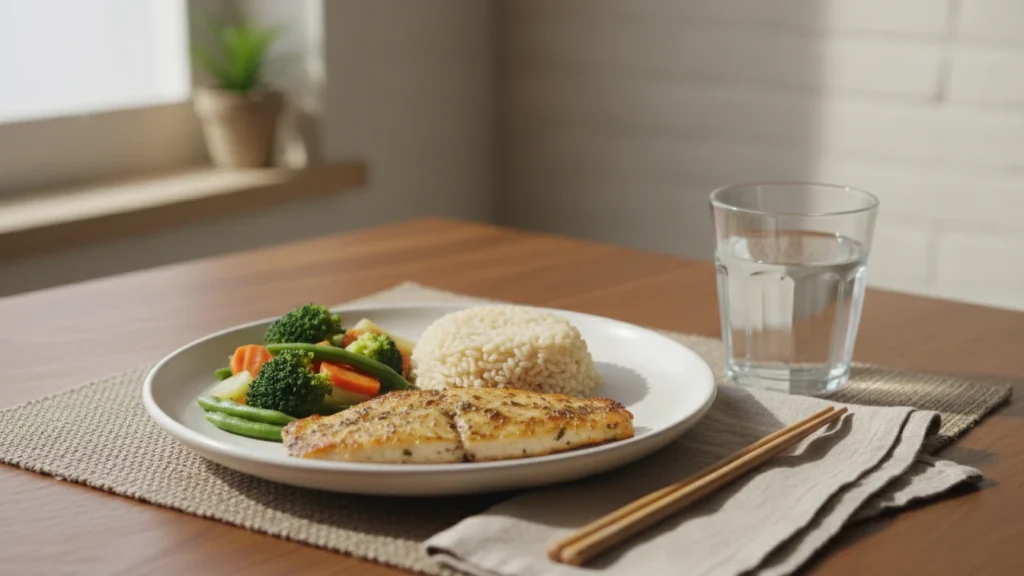
I focus on practical steps you can take every day to eat better, including what to eat, how to plan meals, and how to avoid common traps. The points below explain what healthy habits mean, why some ideas are wrong, and the real benefits you can expect.
Definition and Importance
I define healthy food habits as consistent choices that give your body the nutrients it needs. That means eating a mix of whole grains, lean proteins, fruits, vegetables, healthy oils, and limited added sugars and processed foods. Portion control and regular meal timing also matter because they help keep energy steady and prevent overeating.
I think habits are more important than strict rules. Small, repeatable actions—like choosing fruit instead of candy or having a vegetable with each meal—build long-term change. Nutrition guides such as the Harvard Healthy Eating Plate offer clear, evidence-based targets you can follow for balanced meals.
Common Misconceptions
Many people believe healthy eating means strict dieting or cutting out whole food groups. I know this is false: balance and variety beat extreme restrictions. Another myth says carbs are always bad. In reality, whole grains and starchy vegetables provide fiber and energy when eaten in sensible portions.
People also overvalue “superfoods” and underestimate consistency. No single food fixes health. Likewise, some assume healthy food must be expensive. I find simple, budget-friendly choices—like beans, frozen vegetables, oats, and eggs—provide strong nutrition without high cost. Tracking meals briefly can reveal hidden calories and habits that matter most.
Benefits of a Healthy Diet
I see clear, measurable benefits when someone adopts healthy food habits. Improved energy, better mood, and more stable blood sugar show up within days to weeks. Over months and years, risks for heart disease, type 2 diabetes, and some cancers drop when people eat more plants, lean proteins, and healthy fats and fewer processed foods.
Eating well also aids sleep and recovery after exercise. If you want trustworthy guidance on portions and food groups, the CDC and the Nutrition Source at Harvard offer practical recommendations and evidence-based tips. Small habit changes compound, so consistent choices lead to real health gains over time.
Building a Strong Foundation
I focus on small, clear steps you can repeat every day: pick goals you can measure, notice how and why you eat, and set simple meal times that fit your schedule.
Setting Realistic Goals
I set goals that I can track and finish in weeks, not months. For example, I might aim to eat three cups of vegetables daily, swap white bread for whole grain at breakfast, or cook at home four nights a week. I write these goals down and pick one habit to focus on for two weeks before adding another.
I use specific measures like cups, servings, or number of meals so I can check progress. If I miss a target twice, I change the goal to make it easier or break it into smaller steps. Small wins keep me motivated and build lasting change.
Developing Mindful Eating Practices
I slow down when I eat and pay attention to hunger and fullness. I start meals without screens, take three deep breaths, and notice flavors and textures with each bite. This helps me stop eating when I’m satisfied, not stuffed.
I also label why I want to eat: hunger, boredom, stress, or habit. When I identify the trigger, I can choose a different action, like a short walk for boredom or a glass of water for mild hunger. I aim to chew more and put my fork down between bites to lengthen meals and reduce overeating.
Meal Timing and Frequency
I plan meals to match my daily rhythm and energy needs. If I feel sluggish midafternoon, I include a protein-rich snack like Greek yogurt or a handful of nuts around 3 p.m. If mornings are rushed, I prepare overnight oats or egg muffins the night before.
I aim for consistent meal timing most days to stabilize appetite. That can mean three balanced meals or two meals plus a snack, depending on my hunger. When plans change, I keep simple staples on hand—whole fruit, canned tuna, or hard-boiled eggs—so I don’t rely on fast food.
Choosing Nutritious Foods
I focus on foods that give steady energy, more nutrients, and fewer empty calories. Small swaps—like choosing whole grains, adding colorful produce, and picking lean proteins—make meals healthier and easier to stick with.
Incorporating Whole Grains
I choose whole grains over refined grains because they keep me full longer and add fiber. Look for labels that say “100% whole” or list a whole grain (like whole wheat, brown rice, or oats) as the first ingredient. A quick rule: if the package says “enriched” or shows a refined flour first, it’s not a whole grain.
I keep simple whole-grain options on hand: brown rice, rolled oats, quinoa, and whole-wheat pasta. I swap white bread for whole-grain bread and use steel-cut oats for breakfast. For portion control, a cooked serving is about ½ to 1 cup. For more tips on whole grains and fiber, I check the USDA’s guidance at https://www.myplate.gov.
Adding Fruits and Vegetables
I aim to fill half my plate with fruits and vegetables at most meals. I pick a mix of colors—dark leafy greens, orange veggies, red berries—to get different vitamins and minerals. Fresh, frozen, or canned (low-sodium or no-sugar-added) all count, so I use what’s practical.
I prepare produce in easy ways: raw with hummus, roasted with olive oil, or steamed as a side. For snacks, I keep cut fruit, carrot sticks, and single-serve salad greens ready. A helpful tip: add a cup of spinach to smoothies or an extra cup of mixed veggies to soups to boost nutrition without much effort. For evidence-based guidance on portions and variety, I refer to Harvard’s Healthy Eating Plate at https://www.hsph.harvard.edu/nutritionsource.
Selecting Lean Proteins
I pick lean proteins to support muscle and keep calories reasonable. Good choices include skinless chicken, turkey, fish, eggs, beans, lentils, and tofu. I limit processed meats and high-fat cuts and choose grilling, baking, or poaching instead of frying.
I aim for a palm-sized portion of protein at meals—about 3–4 ounces for meat or one cup for beans. Plant proteins like lentils and chickpeas also add fiber, so I mix them into salads and stews. For quick meals, I use canned tuna in water, pre-cooked chicken, or a can of beans.
Avoiding Unhealthy Choices

I focus on simple swaps that cut out processed foods, excess sugar, and too much salt. Small changes at the store and in the kitchen make meals healthier without feeling like a chore.
Limiting Processed Foods
I check ingredient lists and avoid items with long, hard-to-pronounce names. I choose whole foods like fresh or frozen vegetables, plain yogurt, brown rice, and canned beans with no added salt or sugar.
I cook more at home to control oil, sugar, and sodium. Meal prep saves time: I roast a tray of vegetables, cook a batch of grains, and portion proteins for quick meals during the week.
When I buy packaged items, I look for these signs:
- Short ingredient lists
- No hydrogenated oils
- Minimal added sugars I also limit ready-made sauces and snack foods, since they often hide calories and unhealthy fats.
Reducing Sugar and Salt Intake
I reduce sugar by swapping sweetened drinks for water or sparkling water with fruit slices. For breakfast, I prefer plain oats or yogurt and add fresh fruit instead of flavored varieties.
I cut salt by using herbs, citrus, and spices to add flavor. I taste food before salting and use low-sodium broth when a recipe calls for it.
Practical habits I use:
- Read labels for “added sugars” and pick the lower option.
- Rinse canned beans to remove extra sodium.
- Make salad dressings and marinades at home so I control the salt and sugar content. These small steps lower daily sugar and sodium without making meals bland.
Practical Steps for Beginners
I focus on easy changes you can use every week: building meals that balance protein, carbs, and veggies; shopping with a clear list and simple swaps; and cooking with fast, low-fuss methods that keep nutrients and flavor.
Planning Balanced Meals
I aim for plates that follow a simple rule: half vegetables and fruit, one quarter protein, and one quarter whole grains or starchy vegetables. For example, a plate might be roasted salmon, brown rice, and steamed broccoli with a side salad. That mix keeps my energy steady and helps control portion sizes.
I track protein sources (chicken, beans, tofu, eggs) and add a colorful vegetable at each meal for vitamins and fiber. I also pick whole grains like quinoa or whole-wheat pasta instead of refined grains. When I need quick ideas, I use a template: protein + grain + two vegetables + healthy fat (olive oil, avocado, nuts).
I sometimes write three go-to dinners and rotate them. This saves time and grocery costs. For more guidance on portioning and nutrients, I refer to the USDA MyPlate resource.
Grocery Shopping Tips
I shop with a short, specific list based on planned meals to avoid impulse buys. I organize my list by store sections: produce, proteins, grains, dairy/alternatives, and frozen. That saves time and stops backtracking in the store.
I buy seasonal produce for better flavor and price. I also pick a mix of fresh and frozen vegetables—frozen keeps nutrients and cuts waste. For proteins, I choose a few versatile options, like canned beans, eggs, and one lean meat. I check labels for added sugar or sodium on prepared foods.
I keep a mini “staples” list in my phone: olive oil, canned tomatoes, canned tuna, brown rice, oats, and spices. These let me make simple meals when I’m short on time. For food safety and storage tips, I consult the CDC’s food safety pages.
Simple Cooking Methods
I use three main methods: roasting, sautéing, and steaming. Roasting brings out flavor in vegetables and one-pan meals. I toss vegetables or cubed sweet potato with oil and salt, then roast at 400°F for 20–30 minutes.
Sautéing works well for proteins and quick veggies. I heat a pan, add a little oil, cook protein until browned, then add vegetables and a splash of broth or sauce. This takes 10–15 minutes and keeps food crisp.
Steaming preserves nutrients in greens and fish. I use a steamer basket or a microwave-safe bowl with a lid. Cooking in batches and storing meals in clear containers makes weekday lunches fast and reduces the urge to order takeout.
Staying Motivated and Consistent

I focus on small, measurable actions that I can track, and I plan ways to handle slips before they happen. Clear steps help me keep steady progress and avoid burned-out attempts.
Tracking Progress
I record what I eat and how I feel every day. I use a simple notebook or a phone app to note meals, portions, water, and mood. This makes it easy to spot patterns like late-night snacking or low protein at lunch.
I set one to three specific goals each week, such as “eat two cups of vegetables daily” or “walk 20 minutes after dinner three times.” I check those goals at the end of each day and mark progress withr a short note.
I review my log once a week. I look for wins I can repeat and one area to improve. If a goal feels too hard, I lower the target for one week rather than quitting.
Overcoming Common Challenges
When I face cravings, I have a short list of actions: drink a glass of water, wait 10 minutes, or eat a small protein-rich snack. These steps often stop impulse choices before they become a full meal.
Social events and busy days can disrupt my routine. I bring a healthy dish to share, choose a balanced option at restaurants, or pack a backup snack to avoid fast food. I plan one flexible treat per week so I don’t feel deprived.
If I miss a day, I don’t dwell on it. I note what caused the slip and adjust one small thing for the next day—like prepping a lunch or setting an alarm for dinner time. This keeps me moving forward without perfectionism.
Adapting Habits for Long-Term Success
I start small and focus on one change at a time. Small wins build confidence and make new habits easier to keep.
I track progress in a simple way — a checklist or phone reminder. Seeing steady progress helps me stay consistent without feeling overwhelmed.
I plan meals that use whole foods like fruits, vegetables, and lean proteins. For trusted guidance on balanced eating, I check resources from the CDC and Harvard Health for evidence-based tips and meal ideas.
I make changes realistic for my life. If I’m busy, I prep simple meals or choose quick, healthy options so I don’t revert to fast food.
I expect setbacks and treat them as learning moments. When I slip up, I review what triggered it and adjust my plan rather than giving up.
I build support by sharing goals with friends or joining a group. Accountability increases my chances of lasting change.
I use routines to make healthy choices automatic. For example, I eat a protein-rich breakfast and add a vegetable to two meals a day.
I reinforce habits by rewarding myself with non-food treats, like a walk, a book, or a small purchase. Rewards help me link good behavior to positive feelings and keep me motivated.
Seeking Professional Guidance

I recommend talking with a healthcare professional before making big changes to my diet. A doctor or registered dietitian can check my health needs, medications, and any medical conditions that affect food choices.
I often book one session to get a personalized plan. The expert can set realistic goals and give clear steps that match my lifestyle and preferences.
If I have special needs—like diabetes, food allergies, or pregnancy—I will seek a specialist. These professionals know how to adjust portions, timing, and food types safely.
I keep notes from appointments so I remember advice and next steps. Bringing a short food log helps me show real habits and speeds up the guidance I receive.
Bold practical tips:
- Ask about portion sizes and meal timing.
- Request simple sample menus for a week.
- Check follow-up options for ongoing support.
I know costs vary, so I check insurance coverage and community resources. Many clinics, public health centers, and online services offer affordable or sliding-scale help.
When I find guidance that fits, I stick with it for several weeks to see real changes. Regular check-ins help me adjust as I progress and stay on track.
FAQs
- What should I eat first when I start?
I focus on whole foods like fruits, vegetables, whole grains, lean proteins, and dairy or fortified alternatives. Small swaps—whole grain bread, plain yogurt, and more veg—make a big difference. - How do I avoid feeling overwhelmed?
I start with one or two simple changes and build from there. Tracking meals or planning one extra healthy meal per week keeps me steady. - Can I still enjoy treats?
Yes. I allow occasional treats so healthy habits feel sustainable. Balancing portions and timing helps me enjoy food without guilt. - How much water should I drink?
I aim to drink regularly throughout the day and use thirst as a guide. A simple rule is to keep a water bottle nearby and sip often. - How do I handle eating out?
I look for balanced plates: veggies, protein, and whole grains when possible. I also ask for sauces on the side and choose grilled or baked options. - How long before I see results?
I notice small changes in energy and mood within days, but lasting changes take weeks to months. I track habits, not just weight, to measure progress. - Any quick meal ideas?
I keep simple staples: canned beans, frozen veg, eggs, and whole grains. A quick bowl with rice, beans, veggies, and a protein makes a healthy meal in minutes.
Conclusion
I learned that small, steady changes beat big, sudden overhauls. Choosing one habit at a time—like adding a vegetable, drinking more water, or planning meals—makes healthy eating feel doable.
I focus on balance, not perfection. Some days I follow a plan closely; other days I make better choices than before. That keeps me on track without guilt.
I use simple tools to stay consistent: a weekly shopping list, a basic meal template, and a quick log to note wins. These small actions save time and reduce stress.
I expect setbacks and treat them as lessons. If a routine slips, I pick one tiny habit to restart. Repeating that step builds lasting change.
I invite you to try one habit this week. Track it, adjust as needed, and build from there. Steady progress adds up to healthier, more sustainable eating.