
Aluminium frying pans are popular for their excellent heat conduction and lightweight design, making cooking easier and faster. However, they also come with some concerns like durability and reactivity, which can be managed by choosing the right type and maintenance. Find out if aluminium frying pans are good for your kitchen and how to make the most of them.
Contents
- 1 Key Takeaways
- 2 Quick Answers to Common Questions
- 3 📑 Table of Contents
- 4 Are Aluminium Frying Pans Good for Cooking? Find Out Here
- 5 The Benefits of Aluminium Frying Pans
- 6 Potential Drawbacks of Aluminium Frying Pans
- 7 Types of Aluminium Frying Pans
- 8 Choosing the Right Aluminium Frying Pan for You
- 9 Tips for Caring for Aluminium Frying Pans
- 10 Conclusion: Are Aluminium Frying Pans Good for Cooking?
- 11 Frequently Asked Questions
Key Takeaways
- Excellent Heat Conduction: Aluminium pans heat up quickly and evenly, improving cooking performance.
- Lightweight and Easy to Handle: Their light nature reduces wrist strain during cooking.
- Reactivity Issues: Untreated aluminium can react with acidic foods, affecting taste and pan durability.
- Non-Stick Coatings Help: Many aluminium pans come with coatings that prevent sticking and reduce reactivity.
- Durability Varies: Pure aluminium is soft, but anodized or clad aluminium pans offer better strength and longevity.
- Cost-Effective Option: Aluminium pans often cost less than stainless steel or cast iron alternatives.
- Proper Care is Key: Hand washing and avoiding metal utensils extend the life of aluminium pans.
Quick Answers to Common Questions
Are aluminium frying pans safe to use?
Yes, aluminium frying pans are safe to use, especially if they are anodized or coated to prevent reactivity with foods.
Do aluminium pans react with acidic foods?
Raw aluminium can react with acidic foods, potentially affecting flavor and pan surface, but anodized pans reduce this problem.
Can I use metal utensils on aluminium pans?
It’s best to avoid metal utensils on aluminium pans, especially non-stick ones, to prevent scratching and damage.
Are aluminium pans dishwasher safe?
Most aluminium pans are not dishwasher safe. Hand washing is recommended to prolong their lifespan.
How do aluminium pans compare to stainless steel?
Aluminium pans heat faster and more evenly but may be less durable than stainless steel. Combining aluminium cores with stainless steel layers offers the benefits of both.
📑 Table of Contents
- Are Aluminium Frying Pans Good for Cooking? Find Out Here
- The Benefits of Aluminium Frying Pans
- Potential Drawbacks of Aluminium Frying Pans
- Types of Aluminium Frying Pans
- Choosing the Right Aluminium Frying Pan for You
- Tips for Caring for Aluminium Frying Pans
- Conclusion: Are Aluminium Frying Pans Good for Cooking?
Are Aluminium Frying Pans Good for Cooking? Find Out Here
If you’ve ever shopped for a frying pan, you’ve probably seen aluminium pans lining the shelves. Lightweight, affordable, and quick to heat, aluminium frying pans seem like a great choice. But are they really good for cooking? Let’s dive into the details and help you decide if an aluminium frying pan belongs in your kitchen.
Choosing the right frying pan can feel overwhelming. You want something that heats evenly, lasts a long time, and doesn’t affect the flavor of your food. Aluminium pans have plenty of fans and just as many skeptics. Understanding their pros and cons will make your buying decision easier and your cooking better.
The Benefits of Aluminium Frying Pans
Excellent Heat Conduction
One of the biggest advantages of aluminium pans is how well they conduct heat. Aluminium heats up quickly and spreads that heat evenly across the cooking surface. This means fewer hot spots and more consistent cooking, whether you’re sautéing vegetables or frying eggs.
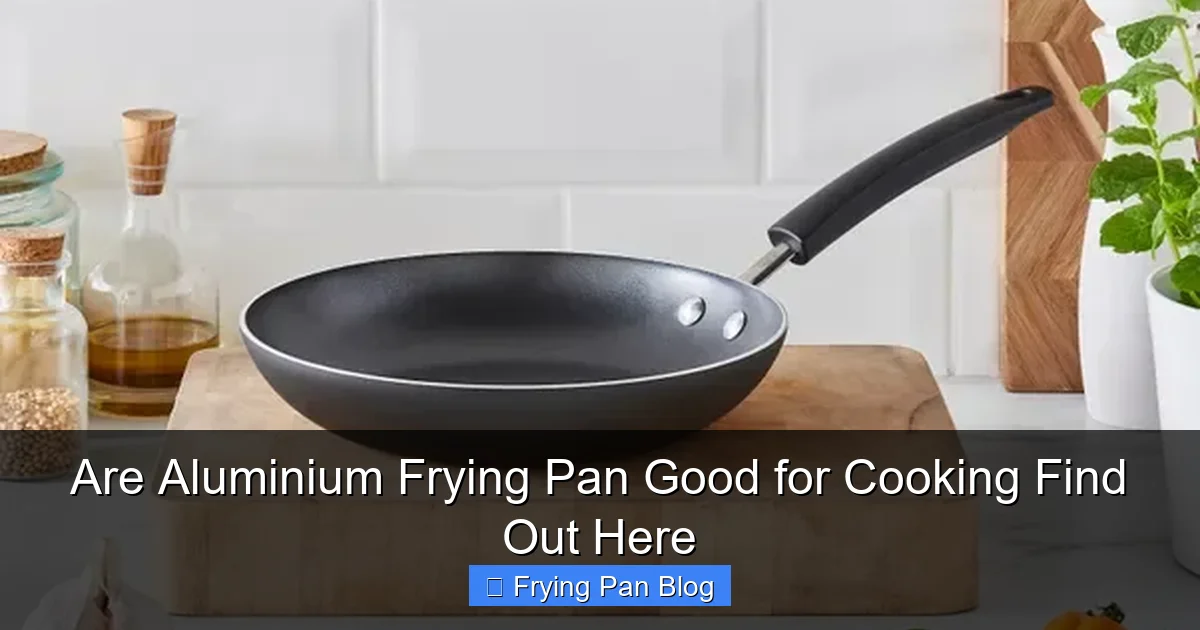
Visual guide about Are Aluminium Frying Pan Good for Cooking Find Out Here
Image source: images.dunelm.com
Lightweight and Easy to Handle
Unlike heavy cast iron or stainless steel pans, aluminium pans are light. This makes them easy to lift, flip, and maneuver—perfect for everyday cooking or for those who prefer lightweight cookware.
Cost-Effective Choice
Aluminium pans tend to be cheaper than other materials. If you’re on a budget but want reliable cookware, aluminium is often a good starting point without compromising on performance.
Potential Drawbacks of Aluminium Frying Pans
Reactivity with Acidic Foods
Pure aluminium can react with acidic ingredients like tomatoes, vinegar, or citrus. This reaction can cause the pan to discolor and impart a metallic taste to your food. It may also degrade the pan over time.
Durability Concerns
Aluminium is a soft metal, so untreated pans can dent or scratch easily. They may not last as long as stainless steel or cast iron unless they are anodized or clad with other metals.
Maintenance and Care
Aluminium pans often require gentle hand washing and avoiding metal utensils to prevent damage. They may not be dishwasher safe, which can be inconvenient for some users.
Types of Aluminium Frying Pans
Raw Aluminium Pans
These pans are made from pure aluminium and usually lack any coating. They are affordable but prone to scratching and reacting with food. Generally, they require more careful use.
Anodized Aluminium Pans
Anodizing hardens the surface of aluminium, making it more durable and less reactive. This treatment also gives pans a darker, more attractive finish. Anodized pans are popular because they combine aluminium’s heat properties with enhanced strength.
Clad or Layered Aluminium Pans
Some pans have an aluminium core sandwiched between layers of stainless steel. This design improves durability and makes the pans compatible with induction cooktops. These pans offer the best of both worlds but usually come at a higher price.
Choosing the Right Aluminium Frying Pan for You
Consider Your Cooking Style
If you cook a lot of acidic dishes, look for anodized or coated aluminium pans to avoid reactivity. For everyday frying and sautéing, a basic anodized pan can be sufficient.
Look for Non-Stick Coatings
Many aluminium frying pans come with non-stick coatings that prevent food from sticking and make cleaning easier. Just make sure the coating is free from harmful chemicals like PFOA.
Check the Handle and Design
Ergonomic handles and sturdy rivets improve comfort and safety. A pan with a well-balanced design makes cooking more enjoyable.
Tips for Caring for Aluminium Frying Pans
Hand Wash Only
To preserve the pan’s surface and coating, hand wash with mild soap and a soft sponge. Avoid abrasive scrubbers that can scratch the surface.
Avoid High Heat
Aluminium pans heat quickly, so medium or medium-high heat is usually enough. High heat can warp the pan or damage coatings.
Use Wooden or Silicone Utensils
To prevent scratching, use non-metal utensils. This is especially important for non-stick coated aluminium pans.
Season if Needed
Some raw aluminium pans benefit from seasoning to create a natural non-stick surface and protect the metal.
Conclusion: Are Aluminium Frying Pans Good for Cooking?
Aluminium frying pans are a great choice for many home cooks due to their excellent heat conduction, lightweight design, and affordability. While pure aluminium pans have some drawbacks like reactivity and lower durability, anodized or clad aluminium pans overcome many of these issues.
Choosing the right aluminium frying pan depends on your cooking habits and care preferences. With proper maintenance, an aluminium pan can be a reliable and versatile tool in your kitchen. So yes, aluminium frying pans are good for cooking—just pick wisely and treat them well!
🎥 Related Video: Do you use aluminum cookware?😱
📺 Younger with Marshal
Do you use aluminum cookware? Here’s a quick demonstration showing the difference between cooking in aluminum and …
Frequently Asked Questions
Can aluminium frying pans cause aluminium to leach into food?
Untreated aluminium can leach small amounts of aluminium into food, especially with acidic ingredients. However, anodized pans minimize this risk by creating a stable surface.
What is anodized aluminium frying pan?
An anodized aluminium frying pan has undergone an electrochemical process that hardens the surface, making it more durable, scratch-resistant, and less reactive.
How do I clean burnt food off an aluminium pan?
Soak the pan in warm soapy water, then gently scrub with a soft sponge. Avoid abrasive cleaners or steel wool that can damage the surface.
Is aluminium frying pan good for induction cooktops?
Pure aluminium pans are not compatible with induction cooktops, but those with a stainless steel base or clad layers work well.
How long do aluminium frying pans last?
With proper care, anodized or clad aluminium frying pans can last several years. Untreated pans may wear out faster due to scratching and reactivity.
Can I use aluminium frying pans on high heat?
It’s best to avoid very high heat with aluminium pans since they heat quickly and excessive heat can warp or damage the pan’s surface.
