
Cast iron frying pans can be non stick when properly seasoned and cared for. They offer excellent heat retention, durability, and versatility, making them a favorite in many kitchens. With the right maintenance, a cast iron pan becomes a naturally non stick surface that improves with use.
Contents
- 1 Key Takeaways
- 2 Quick Answers to Common Questions
- 3 📑 Table of Contents
- 4 Introduction
- 5 How Are Cast Iron Pans Made Non Stick?
- 6 Benefits of Using Cast Iron Frying Pans
- 7 Common Misconceptions About Cast Iron Non Stick
- 8 How to Properly Care for Your Cast Iron Frying Pan
- 9 Practical Tips for Cooking with Cast Iron
- 10 Conclusion
- 11 Frequently Asked Questions
Key Takeaways
- Cast iron pans develop a natural non stick surface: Through seasoning, a layer of polymerized oil prevents food from sticking.
- Proper seasoning is key: Regular application of oil and heating creates the non stick coating.
- Excellent heat retention: Cast iron distributes heat evenly, improving cooking results.
- Durability and longevity: Cast iron pans can last a lifetime with proper care.
- Requires specific care: Avoid soap and harsh scrubbing to maintain seasoning.
- Versatility: Suitable for stovetop, oven, and even campfire cooking.
- Non stick performance improves over time: The more you use and season it, the better it becomes.
Quick Answers to Common Questions
Are cast iron pans non stick right out of the box?
No, new cast iron pans usually need to be seasoned before they become non stick. The seasoning process creates the smooth, slick surface.
How do I season a cast iron frying pan?
Apply a thin layer of oil to the clean pan, then bake it upside down in an oven at 450°F for about an hour. Let it cool, and repeat as needed to build up the seasoning.
Can I use soap to clean my cast iron pan?
It’s best to avoid soap as it can strip the seasoning. Instead, rinse with hot water and scrub gently with a brush or sponge.
Why does my food stick to my cast iron pan?
Food sticks when the seasoning is weak or uneven. Proper seasoning and preheating the pan can help prevent sticking.
Can cast iron pans be used on all heat sources?
Yes, cast iron pans are versatile and can be used on gas, electric, induction stovetops, in the oven, and even over campfires.
📑 Table of Contents
Introduction
If you’ve ever wondered, “Are cast iron frying pans non stick?”, you’re not alone. Many home cooks and professionals alike swear by cast iron cookware for its durability and cooking performance. However, when it comes to non stick capabilities, there is often some confusion. Unlike Teflon or ceramic pans, cast iron doesn’t come with a factory-applied non stick coating.
But here’s the good news: cast iron pans can become naturally non stick with the right seasoning and care. This makes them a fantastic choice for searing, frying, and baking. In this article, we’ll explore how cast iron frying pans achieve their non stick surface, their benefits, and the best care tips to keep them performing at their best.
Let’s dive into everything you need to know about cast iron’s non stick qualities and why it might just be the perfect pan for your kitchen.
How Are Cast Iron Pans Made Non Stick?
What is Seasoning?
Seasoning is the process of applying a thin layer of oil to the cast iron surface and heating it until it bonds to the metal. This creates a hard, smooth, and slick surface that prevents food from sticking. It’s not a coating like Teflon but a layer of polymerized oil.
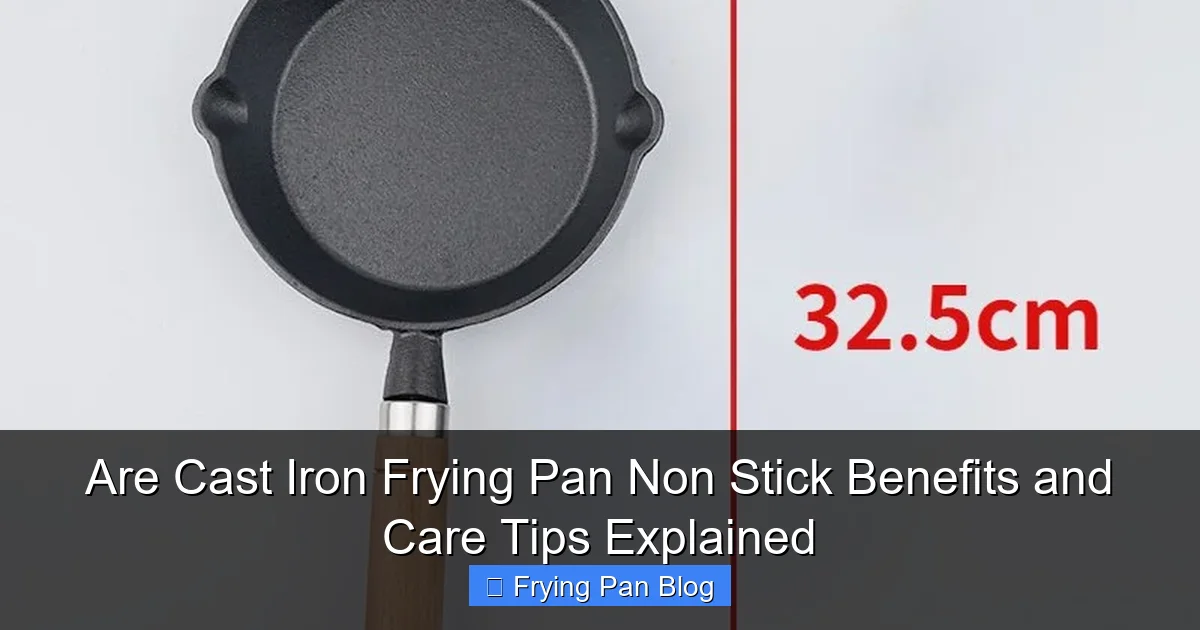
Visual guide about Are Cast Iron Frying Pan Non Stick Benefits and Care Tips Explained
Image source: images.nexusapp.co
The Science Behind Seasoning
When oil is heated past its smoke point on cast iron, it undergoes polymerization — turning from liquid oil into a hard plastic-like layer. This layer fills the tiny pores and roughness in the cast iron, creating a smooth and non stick surface that also protects the pan from rust.
Building Up the Seasoning Layer
Seasoning improves with repeated use and care. Each time you cook with oil, especially fatty foods, you add to the seasoning. This is why older cast iron pans often have better non stick properties than brand new ones.
Benefits of Using Cast Iron Frying Pans
Superior Heat Retention and Distribution
Cast iron holds heat exceptionally well and distributes it evenly. This means you get consistent cooking temperatures, which is great for searing steaks or frying eggs without hot spots.
Durability and Longevity
Cast iron pans are incredibly tough. They can last decades, sometimes generations, if cared for properly. They don’t chip or scratch like non stick coated pans.
Versatility in Cooking
You can use cast iron pans on the stovetop, in the oven, on the grill, or even over an open fire. This flexibility makes them a great all-around pan for many cooking techniques.
Natural Non Stick and Chemical-Free
Because the non stick surface is created naturally through seasoning, you avoid potentially harmful chemicals found in some synthetic coatings.
Common Misconceptions About Cast Iron Non Stick
“New Cast Iron Pans Are Not Non Stick”
It’s true that brand new cast iron pans often feel sticky or rough. But with proper seasoning and use, they become slick and non stick. Patience and care are key.
“You Have to Use a Lot of Oil to Prevent Sticking”
While a little oil helps prevent sticking, a well-seasoned pan requires less oil over time. You can cook delicate foods like eggs with minimal fat once the seasoning is built up.
“Cast Iron Is Difficult to Clean and Maintain”
Cast iron requires some specific care, but it’s not difficult once you get the hang of it. Avoiding soap and harsh scrubbing keeps the seasoning intact, and occasional re-seasoning keeps it non stick.
How to Properly Care for Your Cast Iron Frying Pan
Cleaning Tips
- After Cooking: Let the pan cool slightly, then rinse with hot water. Use a brush or non-metal scrubber to remove stuck-on bits.
- Avoid Soap and Dishwasher: Soap can strip the seasoning. Avoid using the dishwasher entirely.
- Dry Immediately: Water causes rust, so dry your pan thoroughly with a towel or by heating it on the stove.
Re-seasoning Your Pan
If food starts sticking or the pan looks dull and rusty, it’s time to re-season. Coat the pan with a thin layer of oil and bake it upside down in the oven at 450°F (230°C) for an hour. Let it cool in the oven before storing.
Storage Tips
Store your cast iron pan in a dry place. You can place a paper towel inside to absorb any moisture and prevent rust.
Practical Tips for Cooking with Cast Iron
Preheat Properly
Cast iron takes a few minutes to heat evenly. Preheat your pan over medium heat before adding oil or food for the best results.
Use the Right Oils
Use oils with high smoke points like vegetable oil, flaxseed oil, or grapeseed oil for seasoning and cooking.
Cooking Delicate Foods
Once your pan is well-seasoned, you can cook eggs, pancakes, and fish with minimal sticking. Use moderate heat and a small amount of oil to help release food easily.
Avoid Acidic Foods Initially
Acidic foods like tomatoes or vinegar-based sauces can break down seasoning if cooked frequently. Use your cast iron pan for these foods only after the seasoning is well established.
Conclusion
So, are cast iron frying pans non stick? The answer is yes—once properly seasoned, a cast iron pan can have a natural, durable non stick surface that rivals modern coatings. The key lies in understanding how seasoning works and maintaining your pan with care.
Cast iron offers many benefits beyond non stick performance, including excellent heat retention, versatility, and incredible durability. With a little patience and attention, your cast iron pan will become a beloved kitchen tool that improves with every use.
Embrace the timeless charm and cooking power of cast iron, and you’ll enjoy cooking meals that stick to the pan only in the best way—by flavor, not by accident.
🎥 Related Video: Nonsticky cast iron skillet in 2 minutes | Try this hack #castironskillet #castironcooking #skillet
📺 Pots and Pans India
Frequently Asked Questions
What causes the non stick surface on cast iron pans?
The non stick surface develops through seasoning, which is a layer of polymerized oil baked onto the pan’s surface. This layer fills the cast iron’s pores and creates a smooth, slick finish that prevents food from sticking.
How often should I season my cast iron pan?
Regular cooking with oil helps maintain seasoning. If you notice food sticking or rust spots, it’s a good idea to re-season your pan. Many cooks season their pans a few times a year or as needed.
Can I cook acidic foods like tomatoes in cast iron?
Acidic foods can wear down seasoning if cooked frequently or for long periods. It’s best to minimize cooking highly acidic dishes in cast iron until your seasoning is well-established.
Is cast iron safe to use for all types of cooking?
Yes, cast iron is safe and versatile. It can withstand high temperatures, making it suitable for frying, baking, roasting, and even simmering.
How do I remove rust from my cast iron pan?
Light rust can be scrubbed off with steel wool or a scrubber, followed by re-seasoning the pan. For heavy rust, you might need to strip the pan down to bare metal before re-seasoning.
Can I use metal utensils on cast iron pans?
Yes, metal utensils are safe on cast iron and won’t damage the seasoning. Cast iron is very durable and can handle metal tools without scratching.
