
Ceramic coated frying pans are generally safe and non-toxic when used properly. They offer a great non-stick surface without harmful chemicals like PTFE or PFOA. However, knowing how to care for them and understanding their limitations is key to a safe cooking experience.
Contents
- 1 Key Takeaways
- 2 📑 Table of Contents
- 3 Are Ceramic Coated Frying Pans Bad For You? Discover The Truth
- 4 What Are Ceramic Coated Frying Pans?
- 5 Are Ceramic Coated Pans Safe to Use?
- 6 Health Benefits of Using Ceramic Coated Frying Pans
- 7 How to Use and Care for Ceramic Coated Frying Pans
- 8 Comparing Ceramic Coated Pans to Other Cookware
- 9 Choosing a Quality Ceramic Coated Frying Pan
- 10 Conclusion: Are Ceramic Coated Frying Pans Bad for You?
- 11 Frequently Asked Questions
Key Takeaways
- Safe Materials: Ceramic coatings are made from natural minerals and are free from toxic chemicals like PTFE and PFOA.
- Non-Toxic Cooking: They do not release harmful fumes even at high cooking temperatures.
- Durability Concerns: Ceramic coatings can wear out or chip if not handled properly, affecting safety and performance.
- Proper Use Matters: Avoid metal utensils and high heat to extend the pan’s lifespan and maintain safety.
- Health Benefits: They allow cooking with less oil, promoting healthier meals.
- Environmental Impact: Ceramic pans are often more eco-friendly than traditional non-stick pans.
- Watch for Quality: Not all ceramic coatings are created equal; choose reputable brands for safer products.
📑 Table of Contents
- Are Ceramic Coated Frying Pans Bad For You? Discover The Truth
- What Are Ceramic Coated Frying Pans?
- Are Ceramic Coated Pans Safe to Use?
- Health Benefits of Using Ceramic Coated Frying Pans
- How to Use and Care for Ceramic Coated Frying Pans
- Comparing Ceramic Coated Pans to Other Cookware
- Choosing a Quality Ceramic Coated Frying Pan
- Conclusion: Are Ceramic Coated Frying Pans Bad for You?
Are Ceramic Coated Frying Pans Bad For You? Discover The Truth
If you’ve ever shopped for a new frying pan, you’ve likely come across ceramic coated options boasting a non-stick surface without the chemicals found in traditional pans. But with so many types of cookware on the market, you might wonder: are ceramic coated frying pans bad for you? This question is important because cookware can affect not only your food but also your health.
In this article, we’ll explore what ceramic coated frying pans really are, their safety, benefits, and any potential risks. By the end, you’ll be well-informed to decide if these pans are right for your kitchen.
What Are Ceramic Coated Frying Pans?
The Basics of Ceramic Coatings
Ceramic coated pans have a layer made from silica, a natural compound found in sand. This ceramic layer is applied over a metal base like aluminum or stainless steel. Unlike traditional non-stick pans coated with PTFE (commonly known as Teflon), ceramic coatings are free from synthetic chemicals.
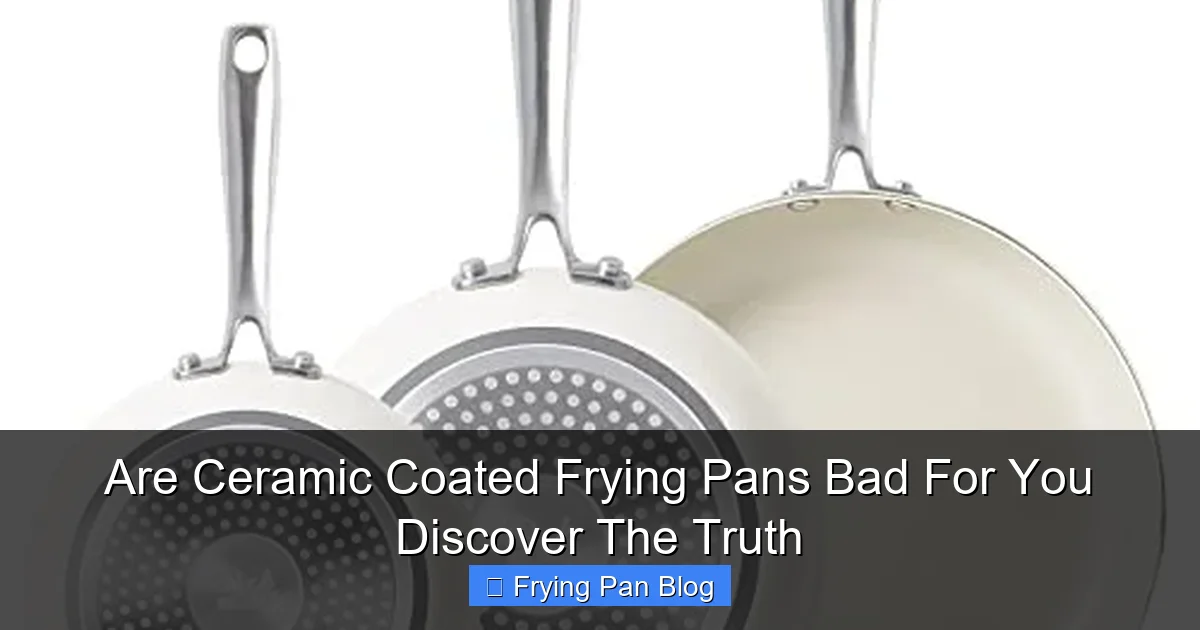
Visual guide about Are Ceramic Coated Frying Pans Bad For You Discover The Truth
Image source: m.media-amazon.com
How They Work
The ceramic coating provides a smooth, hard surface that food doesn’t easily stick to. This makes cooking and cleaning easier. The coating also resists scratches better than some non-stick surfaces, though it’s not indestructible.
Are Ceramic Coated Pans Safe to Use?
Non-Toxic and Chemical-Free
One of the biggest concerns about cookware is whether it releases harmful substances during cooking. Ceramic coatings are made from inorganic materials and do not contain PTFE, PFOA, lead, or cadmium. This means they don’t emit toxic fumes even when heated to high temperatures.
Safe Cooking Temperatures
While ceramic pans tolerate higher heat than traditional non-stick pans, they still shouldn’t be overheated. Cooking at extremely high temperatures (above 450°F or 232°C) can cause the coating to degrade over time. However, under normal cooking conditions, ceramic pans are safe and stable.
Potential Risks: Chipping and Wear
The main safety concern arises if the ceramic coating chips or cracks. Small particles might mix with food, which is not ideal. Although ceramic is generally non-toxic, ingesting flakes isn’t recommended. To avoid this, use wooden or silicone utensils and avoid sudden temperature changes.
Health Benefits of Using Ceramic Coated Frying Pans
Cooking with Less Oil
The slick surface of ceramic pans means you need less oil or butter to prevent sticking. This can help reduce fat intake, making meals healthier. Many people switch to ceramic pans for this reason alone.
Non-Reactive Surface
Ceramic coatings don’t react with acidic or alkaline foods. This preserves the natural taste of your meals without any metallic or chemical aftertaste, unlike some metal pans.
Easy Cleaning Promotes Food Safety
Because food doesn’t stick, cleaning is simpler and faster. This reduces the chance of bacteria buildup from leftover food particles, helping keep your kitchen hygienic.
How to Use and Care for Ceramic Coated Frying Pans
Choosing the Right Utensils
Always opt for wooden, silicone, or plastic utensils when cooking with ceramic pans. Metal tools can scratch and damage the coating, leading to premature wear.
Cleaning Tips
Hand wash ceramic pans with mild dish soap and a soft sponge. Avoid abrasive scrubbers or harsh chemicals that can degrade the coating. Most ceramic pans are not dishwasher safe, even if labeled as such.
Proper Cooking Practices
Use medium to low heat settings rather than high heat. Preheat the pan gently before adding food, and avoid sudden temperature changes like rinsing a hot pan with cold water.
Comparing Ceramic Coated Pans to Other Cookware
Ceramic vs. Traditional Non-Stick (PTFE) Pans
Traditional non-stick pans contain PTFE and sometimes PFOA, which can release toxic fumes when overheated. Ceramic pans avoid these chemicals, making them a safer choice for many. However, PTFE pans often last longer if used carefully.
Ceramic vs. Stainless Steel and Cast Iron
Stainless steel and cast iron are highly durable but less convenient due to food sticking and maintenance needs. Ceramic pans offer easy non-stick performance without seasoning or heavy cleaning routines.
Choosing a Quality Ceramic Coated Frying Pan
Look for Trusted Brands
Not all ceramic coatings are equal. Some low-cost pans use thinner or lower-quality ceramic layers that wear quickly. Brands with good reviews and transparent ingredient lists are safer bets.
Check for Certifications
Some ceramic cookware comes with FDA or LFGB certifications ensuring food safety standards. Look for these labels when possible.
Price vs. Performance
While ceramic pans may cost more upfront, investing in a higher-quality product can save money over time by lasting longer and providing safer cooking.
Conclusion: Are Ceramic Coated Frying Pans Bad for You?
In short, ceramic coated frying pans are not bad for you when used and cared for properly. They provide a non-toxic, chemical-free cooking surface that can make meal prep easier and healthier. The key is to avoid overheating, use appropriate utensils, and choose high-quality products. With these tips, ceramic pans can be a safe, practical addition to any kitchen.
So, if you’re looking for a non-stick pan without worrying about harmful chemicals, ceramic coated frying pans are a great choice. Just treat them gently, and enjoy cooking your favorite dishes with peace of mind!
🎥 Related Video: The Truth About Nonstick and Ceramic Pans
📺 Jon Kung
Let’s talk about nonstick and ceramic pans. Are they safe? Should you be worried about PFAs? Is ceramic better? What kind of …
Frequently Asked Questions
Are ceramic coated frying pans free from harmful chemicals?
Yes, ceramic coated frying pans are made from natural materials and do not contain PTFE or PFOA, which are chemicals found in traditional non-stick pans. This makes them a safer option for cooking.
Can ceramic coated pans withstand high heat?
While ceramic pans tolerate medium to moderately high heat, cooking at very high temperatures can damage the coating. It’s best to use medium heat to preserve the pan’s lifespan and safety.
What should I avoid when using ceramic coated frying pans?
Avoid using metal utensils, abrasive cleaners, and sudden temperature changes. These can scratch, chip, or weaken the ceramic coating, potentially causing particles to mix with your food.
Are ceramic coated frying pans dishwasher safe?
Many ceramic pans are labeled as dishwasher safe, but hand washing is recommended to extend their life. Dishwashers can be harsh and may degrade the coating faster.
Is it safe to cook acidic foods in ceramic pans?
Yes, ceramic coatings are non-reactive, so acidic foods like tomatoes or lemon won’t react with the pan or alter the taste of your food.
How long do ceramic coated frying pans typically last?
The lifespan varies by quality and care but generally ranges from 1 to 3 years. Proper use and maintenance can help maximize the pan’s durability.
