
Are ceramic frying pan benefits worth it for your kitchen needs? Absolutely! These pans offer excellent non-stick surfaces, even heat distribution, and eco-friendly materials. They’re a great option for healthier cooking and easy cleanup.
Contents
- 1 Key Takeaways
- 2 Quick Answers to Common Questions
- 3 📑 Table of Contents
- 4 Introduction
- 5 What Is a Ceramic Frying Pan?
- 6 Benefits of Ceramic Frying Pans
- 7 Considerations and Potential Drawbacks
- 8 Tips for Using and Caring for Ceramic Frying Pans
- 9 Practical Examples: When to Choose Ceramic Frying Pans
- 10 Conclusion
- 11 Frequently Asked Questions
Key Takeaways
- Non-stick performance: Ceramic frying pans provide a natural, chemical-free non-stick surface for easy cooking and cleaning.
- Healthier cooking: They require less oil, helping reduce fat intake while preserving food’s natural flavors.
- Eco-friendly materials: Made without harmful chemicals like PTFE or PFOA, ceramic pans are safer for you and the environment.
- Heat distribution: Ceramic coating ensures even heat spread, preventing hot spots and burnt food.
- Durability considerations: While ceramic pans are scratch-resistant, proper care extends their lifespan significantly.
- Versatility: Suitable for various stovetops, including gas and electric, but not all are induction compatible.
- Cost-effectiveness: Ceramic frying pans offer good value with their combination of performance and safety.
Quick Answers to Common Questions
Are ceramic frying pans truly non-stick?
Yes, ceramic frying pans have a naturally smooth surface that offers excellent non-stick properties without synthetic chemicals.
Can I use metal utensils on a ceramic frying pan?
It’s best to avoid metal utensils, as they can scratch and damage the ceramic coating. Use silicone, wooden, or plastic utensils instead.
Are ceramic frying pans safe at high heat?
Ceramic pans perform well on medium heat but can degrade faster if exposed to very high temperatures. Avoid overheating to preserve the coating.
Do ceramic frying pans work on induction cooktops?
Not all ceramic frying pans are induction compatible. Check the product details to ensure the pan has a magnetic base if you use induction.
How do I clean a ceramic frying pan?
Let the pan cool, then wash with warm water, mild dish soap, and a soft sponge. Avoid abrasive cleaners to protect the coating.
📑 Table of Contents
Introduction
When it comes to choosing the right frying pan, the options can feel overwhelming. From traditional stainless steel to cast iron and non-stick varieties, each has its pros and cons. Lately, ceramic frying pans have been gaining popularity. But are ceramic frying pan benefits really worth it for your kitchen needs? Let’s dive into what makes these pans special and explore if they deserve a spot on your stove.
Ceramic frying pans promise a healthier, eco-friendly cooking experience without sacrificing convenience. They claim to provide excellent non-stick performance without the use of harmful chemicals. But how do they perform in everyday cooking? This article will break down the benefits, drawbacks, and practical tips to help you decide.
What Is a Ceramic Frying Pan?
The Basics of Ceramic Coating
A ceramic frying pan features a coating made from inorganic minerals, primarily silica, derived from sand. Unlike traditional non-stick pans coated with PTFE (Teflon), ceramic coatings are free from synthetic chemicals like PFOA and PFAS. This makes them a popular choice for people concerned about health and environmental impact.
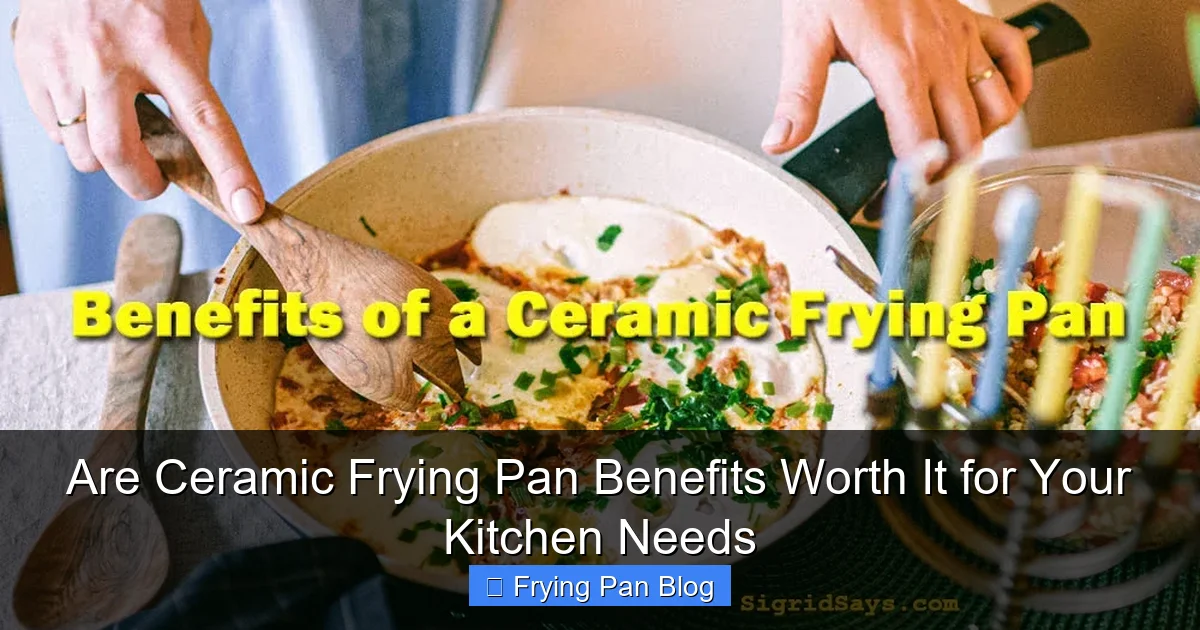
Visual guide about Are Ceramic Frying Pan Benefits Worth It for Your Kitchen Needs
Image source: sigridsays.com
How It Differs from Other Non-Stick Pans
Ceramic pans rely on a smooth, glass-like surface for non-stick properties rather than chemicals. This surface allows food to slide easily without sticking, especially when the pan is properly preheated and lightly oiled. While traditional PTFE coatings are known for their durability, ceramic coatings often emphasize safety and eco-friendliness.
Benefits of Ceramic Frying Pans
1. Safe and Non-Toxic Cooking Surface
One of the biggest draws for ceramic frying pans is their chemical-free surface. There’s no risk of harmful fumes or toxins leaching into your food, even at higher cooking temperatures. This makes ceramic pans ideal for families or anyone seeking a safer cooking alternative.
2. Excellent Non-Stick Performance
Although ceramic coatings can sometimes be less slick than traditional non-stick pans, they still provide an impressive non-stick experience. Foods like eggs, pancakes, and sautéed veggies come off easily, reducing the need for excessive oil or butter.
3. Easy to Clean
The smooth ceramic surface makes cleanup a breeze. Usually, a simple wipe with warm soapy water is enough to remove residues. Plus, these pans are often dishwasher safe, although hand washing is recommended to extend lifespan.
4. Even Heat Distribution
Ceramic coatings help distribute heat evenly across the pan’s surface. This prevents hot spots that can burn food and ensures your meals cook uniformly, improving taste and texture.
5. Eco-Friendly and Sustainable
Many ceramic frying pans are marketed as environmentally friendly because they avoid harmful chemicals and often use recyclable materials. If sustainability is important to you, ceramic pans offer peace of mind.
Considerations and Potential Drawbacks
Durability and Wear
Ceramic coatings are generally more delicate than traditional non-stick surfaces. Using metal utensils or abrasive cleaning tools can scratch or chip the coating. However, with proper care—such as using silicone or wooden utensils and gentle sponges—ceramic pans can last several years.
Heat Sensitivity
While ceramic pans tolerate moderate heat well, very high temperatures can cause the coating to degrade faster. It’s best to cook on medium or low heat and avoid preheating an empty pan for too long.
Not Always Induction Compatible
Some ceramic frying pans lack the magnetic base needed for induction cooktops. If you have induction, check product specifications carefully before purchasing.
Cost Compared to Other Pans
Ceramic pans are often priced between traditional non-stick and high-end stainless steel or cast iron options. They represent good value for the benefits they offer but may not be the cheapest option available.
Tips for Using and Caring for Ceramic Frying Pans
Preheat Properly
Warm your ceramic pan on low to medium heat before adding oil or food. This helps activate the non-stick surface and prevents sticking.
Use the Right Utensils
Stick to silicone, wood, or plastic utensils to avoid scratching the ceramic coating. Avoid metal tools that can chip or damage the surface.
Cleaning and Maintenance
After cooking, let the pan cool before washing. Use warm water, mild dish soap, and a soft sponge. Avoid abrasive scrubbers or harsh detergents. While some ceramic pans are dishwasher safe, hand washing is gentler and prolongs the coating’s life.
Storage Tips
Store ceramic pans carefully to avoid chipping. If stacking, place a soft cloth or paper towel between pans to protect the surface.
Practical Examples: When to Choose Ceramic Frying Pans
Cooking Eggs and Pancakes
If you love breakfast foods like eggs or pancakes, ceramic pans are a great choice. Their non-stick surface lets these delicate foods slide right off without tearing.
Sautéing Vegetables with Minimal Oil
For healthier meals using less oil, ceramic pans help prevent sticking while preserving the natural flavors of veggies.
Everyday Cooking for Families
Families with kids benefit from ceramic pans because they’re safer and easier to clean than other options. Plus, they’re versatile for a range of dishes.
Conclusion
So, are ceramic frying pan benefits worth it for your kitchen needs? If you value a non-toxic, eco-friendly cooking surface paired with good non-stick performance, then yes! Ceramic pans offer a fantastic balance of safety, ease of use, and versatility. While they require some care to maintain their coating, the health and environmental advantages make them a smart choice for many home cooks.
Ultimately, the best frying pan is one that fits your cooking style and lifestyle. Ceramic frying pans provide a modern, healthier alternative to traditional non-stick options. Give one a try, and you might find it becomes your favorite kitchen companion!
🎥 Related Video: Buyer's Guide To Non-Toxic Cookware | Made In Cookware
📺 Made In®
Shopping for cookware that’s safe for your family, long lasting and suited to your needs in the kitchen can be a daunting process.
Frequently Asked Questions
What makes ceramic frying pans different from traditional non-stick pans?
Ceramic frying pans use a mineral-based coating free from PTFE and PFOA, making them a safer and more eco-friendly option compared to traditional non-stick pans.
How long does a ceramic frying pan typically last?
With proper care, ceramic frying pans can last 2 to 5 years. Their lifespan depends on usage, heat levels, and cleaning methods.
Can I use cooking spray on a ceramic frying pan?
It’s better to avoid cooking sprays, as they can leave residue that builds up and reduces non-stick performance. Use a small amount of oil or butter instead.
Are ceramic frying pans dishwasher safe?
Many ceramic pans are labeled dishwasher safe, but hand washing is recommended to maintain the coating’s integrity and prolong the pan’s life.
Do ceramic frying pans require seasoning like cast iron?
No, ceramic frying pans do not need seasoning. Their non-stick surface works without additional treatment.
Is cooking with a ceramic frying pan healthier?
Yes, because ceramic pans require less oil and avoid harmful chemicals, they support healthier cooking and reduce exposure to toxins.
