
Ceramic frying pans are popular for their non-stick surface and eco-friendly appeal. They offer a healthy cooking option free of harmful chemicals but come with some durability concerns. Knowing the benefits and risks helps you make a smart choice for your kitchen.
Contents
- 1 Key Takeaways
- 2 📑 Table of Contents
- 3 Are Ceramic Frying Pans Healthy? Find Out Benefits and Risks Today
- 4 What Is a Ceramic Frying Pan?
- 5 Health Benefits of Ceramic Frying Pans
- 6 Potential Risks and Drawbacks
- 7 How to Choose a Healthy Ceramic Frying Pan
- 8 Tips for Using and Caring for Ceramic Frying Pans
- 9 Comparing Ceramic Frying Pans to Other Cookware
- 10 Conclusion: Are Ceramic Frying Pans Healthy?
- 11 Frequently Asked Questions
Key Takeaways
- Non-toxic surface: Ceramic pans are free from PTFE and PFOA, making them a safer choice for health-conscious cooks.
- Environmentally friendly: Ceramic coatings are made from natural materials and are generally more eco-friendly than traditional non-stick pans.
- Heat distribution: Ceramic pans provide even heat, which helps in healthier cooking by preventing hotspots.
- Durability concerns: Ceramic coatings can wear off faster than other non-stick surfaces if not cared for properly.
- Easy to clean: Their smooth surface prevents food from sticking, reducing the need for excessive oil or butter.
- Potential risks: Low-quality ceramic pans may contain heavy metals or degrade quickly, so choosing reputable brands is crucial.
- Cooking tips: Using medium heat and avoiding metal utensils can prolong the life of your ceramic frying pan.
📑 Table of Contents
- Are Ceramic Frying Pans Healthy? Find Out Benefits and Risks Today
- What Is a Ceramic Frying Pan?
- Health Benefits of Ceramic Frying Pans
- Potential Risks and Drawbacks
- How to Choose a Healthy Ceramic Frying Pan
- Tips for Using and Caring for Ceramic Frying Pans
- Comparing Ceramic Frying Pans to Other Cookware
- Conclusion: Are Ceramic Frying Pans Healthy?
Are Ceramic Frying Pans Healthy? Find Out Benefits and Risks Today
When it comes to cooking, the type of frying pan you use can impact both your food’s taste and your health. Ceramic frying pans have become increasingly popular as a “green” alternative to traditional non-stick pans coated with chemicals. But are ceramic frying pans truly healthy? What makes them different, and what should you watch out for?
In this article, we’ll dive deep into the world of ceramic cookware. You’ll learn about their health benefits, any potential risks, and practical tips to get the most out of your ceramic frying pan. Whether you’re a seasoned home chef or just starting to explore healthier cooking options, this guide is for you.
What Is a Ceramic Frying Pan?
Understanding Ceramic Coating
A ceramic frying pan is a type of cookware coated with a layer derived from natural minerals, mainly silica, which is a key component of sand. This coating provides a smooth, non-stick surface without the use of synthetic chemicals like PTFE (Polytetrafluoroethylene) or PFOA (Perfluorooctanoic Acid) often found in traditional non-stick pans.
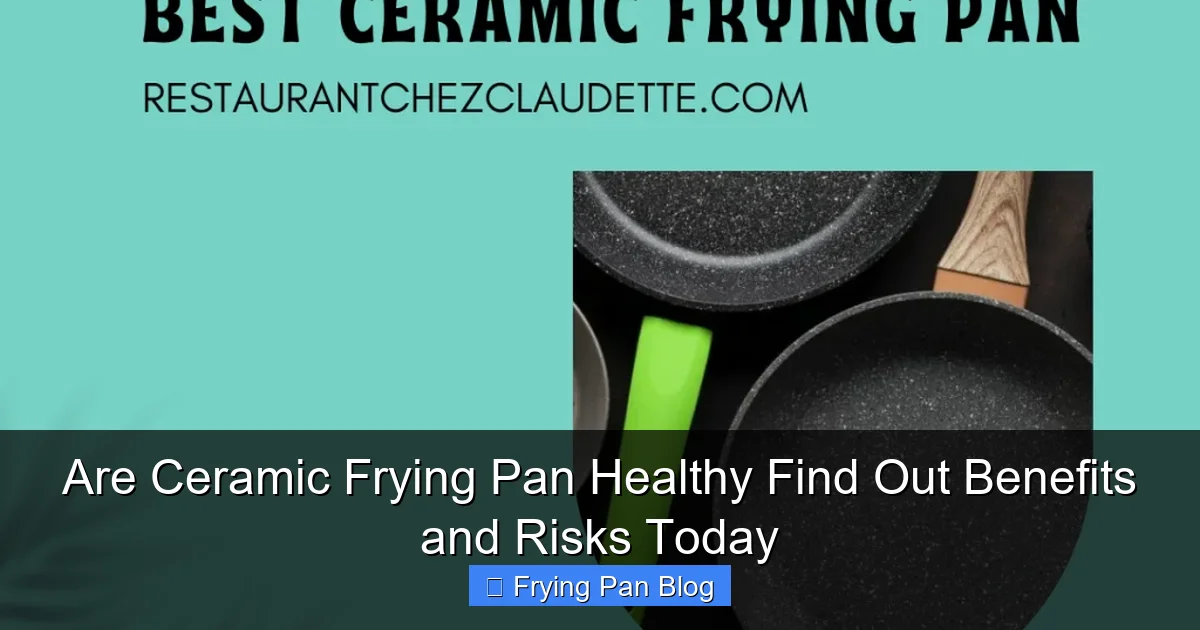
Visual guide about Are Ceramic Frying Pan Healthy Find Out Benefits and Risks Today
Image source: salmigondis.ca
Types of Ceramic Pans
Some ceramic pans have a pure ceramic coating, while others have a base metal pan coated with a ceramic layer. The base can be aluminum, stainless steel, or cast iron. The ceramic layer is what makes the pan non-stick and easy to clean.
Health Benefits of Ceramic Frying Pans
Non-Toxic Cooking Surface
One of the biggest health advantages of ceramic frying pans is their chemical-free cooking surface. Unlike traditional non-stick pans that may release toxic fumes when overheated, ceramic coatings are free from PTFE and PFOA. This means less risk of harmful fumes or chemicals leaching into your food.
Less Oil Needed for Cooking
Thanks to their non-stick nature, ceramic pans require little to no oil to cook food. This can help reduce your intake of unhealthy fats, making your meals lighter and better for your heart.
Even Heat Distribution
Ceramic pans tend to distribute heat evenly, which means food cooks more uniformly. This prevents burning or overcooking, helping preserve nutrients and flavors.
Potential Risks and Drawbacks
Durability and Wear
While ceramic coatings are safe and non-toxic, they can wear off faster than traditional non-stick layers. Scratches, chipping, or peeling may occur, especially if metal utensils are used or the pan is washed in a dishwasher frequently. Once the ceramic layer degrades, the pan loses its non-stick properties and may expose the metal base.
Quality Matters
Not all ceramic pans are created equal. Some low-quality products may contain heavy metals or toxic substances in their coatings. It’s important to buy from reputable brands that test their cookware for safety.
Temperature Sensitivity
Ceramic pans are best used on low to medium heat. High heat can damage the ceramic coating and reduce its lifespan. Overheating may cause cracking or discoloration.
How to Choose a Healthy Ceramic Frying Pan
Look for Certified Non-Toxic Coatings
Check if the pan is free from PTFE, PFOA, lead, and cadmium. Certifications or lab tests from the manufacturer can provide peace of mind.
Choose Trusted Brands
Stick to well-known brands with positive reviews. They often use better materials and have stricter quality controls.
Select the Right Size and Base Material
Consider how you cook and the type of stove you have. Aluminum bases heat up quickly but may warp; stainless steel bases are durable but heavier. The size should suit your cooking needs.
Tips for Using and Caring for Ceramic Frying Pans
Use Medium or Low Heat
To protect your ceramic coating, avoid cooking on high heat. Medium heat is ideal for most foods.
Avoid Metal Utensils
Use silicone, wooden, or plastic utensils to prevent scratching the ceramic surface.
Hand Wash Only
Although some ceramic pans claim to be dishwasher safe, hand washing with a soft sponge and mild detergent will prolong their life.
Season Occasionally
Some ceramic pans benefit from occasional seasoning with a little oil to maintain their non-stick properties.
Comparing Ceramic Frying Pans to Other Cookware
Ceramic vs. Traditional Non-Stick Pans
Traditional non-stick pans often contain PTFE and PFOA, which can release harmful fumes if overheated. Ceramic pans avoid these chemicals but may not last as long if not cared for properly.
Ceramic vs. Cast Iron
Cast iron pans are extremely durable and can add iron to your diet but require seasoning and careful maintenance. Ceramic pans offer easier cleanup and are lighter but less durable.
Ceramic vs. Stainless Steel
Stainless steel pans are great for searing and browning but usually require more oil to prevent sticking. Ceramic pans offer non-stick convenience but may not handle high-heat searing as well.
Conclusion: Are Ceramic Frying Pans Healthy?
So, are ceramic frying pans healthy? The answer is yes—with some conditions. Ceramic pans provide a non-toxic, chemical-free cooking surface that promotes healthier meals with less oil. They are an excellent choice for those concerned about toxic chemical exposure from cookware.
However, they require proper use and care to maintain their health benefits and durability. Avoid high heat, metal utensils, and harsh cleaning methods to get the most out of your ceramic pan. Also, invest in high-quality products to avoid potential risks associated with cheap coatings.
Overall, ceramic frying pans offer a great balance of health, convenience, and eco-friendliness. With the right knowledge, you can enjoy delicious, healthy meals and keep your cookware safe and long-lasting.
🎥 Related Video: Ceramic-Coated Pans: Are They A Non-Toxic Cookware Option? #ceramiccoating #cookware #healthhacks
📺 Non-Toxic Dad
Frequently Asked Questions
Are ceramic frying pans really non-toxic?
Yes, ceramic frying pans are generally non-toxic because they do not contain PTFE or PFOA chemicals. They provide a safe cooking surface free from harmful fumes and toxins.
Can I use metal utensils on ceramic pans?
It’s best to avoid metal utensils as they can scratch and damage the ceramic coating. Opt for wooden, silicone, or plastic tools to protect your pan.
Do ceramic pans last as long as traditional non-stick pans?
Ceramic pans tend to wear out faster if not cared for properly, especially the coating. However, with gentle use and maintenance, they can last a good amount of time.
Is it safe to cook at high temperatures with ceramic pans?
Cooking at high heat can damage the ceramic coating. It’s safer to use medium or low heat to preserve the pan’s non-stick surface and health benefits.
How do I clean my ceramic frying pan?
Hand wash your ceramic pan with warm water and mild detergent using a soft sponge. Avoid abrasive scrubbers or dishwasher use to protect the coating.
Are ceramic pans environmentally friendly?
Yes, ceramic coatings come from natural materials and are often more eco-friendly than traditional non-stick coatings that use synthetic chemicals.
