
Ceramic frying pans are often praised for being a healthier alternative to traditional non-stick cookware. They are free from harmful chemicals like PTFE and PFOA, making them a great choice for safe cooking. However, understanding both their benefits and potential risks helps you make the best decision for your kitchen.
Contents
- 1 Key Takeaways
- 2 Quick Answers to Common Questions
- 3 📑 Table of Contents
- 4 Introduction: Why Choose Ceramic Frying Pans?
- 5 What Are Ceramic Frying Pans?
- 6 Health Benefits of Ceramic Frying Pans
- 7 Potential Risks and Drawbacks
- 8 How to Use and Care for Your Ceramic Frying Pan
- 9 Practical Examples: Ceramic Frying Pans in Everyday Use
- 10 Conclusion: Are Ceramic Frying Pans Healthy?
- 11 Frequently Asked Questions
Key Takeaways
- Chemical-Free Cooking: Ceramic pans don’t contain PTFE or PFOA, which are linked to health concerns.
- Non-Toxic Surface: The ceramic coating is generally safe and won’t release harmful fumes at high heat.
- Durability Varies: Ceramic coatings can wear out faster than other pans, affecting performance and safety.
- Easy to Clean: Ceramic pans often have a smooth surface that helps prevent food from sticking, reducing the need for excessive oil.
- Heat Sensitivity: High heat can degrade ceramic coatings, so proper use is important to maintain health benefits.
- Environmentally Friendly: Ceramic pans are often made with eco-friendly materials and processes.
- Proper Care is Key: Using the right utensils and cleaning methods extends the pan’s life and keeps it safe.
Quick Answers to Common Questions
Are ceramic frying pans free of toxic chemicals?
Yes, ceramic frying pans do not contain PTFE or PFOA, which are chemicals found in some traditional non-stick pans and linked to health risks.
Can I use metal utensils with ceramic pans?
It’s best to avoid metal utensils, as they can scratch the ceramic coating. Use wooden, silicone, or plastic tools instead to protect the surface.
Do ceramic frying pans last long?
The lifespan of a ceramic pan depends on care and usage. Proper maintenance can extend its life, but the coating may wear out faster than other non-stick types.
Is it safe to cook on high heat with ceramic pans?
Cooking on very high heat can damage the ceramic coating. Medium to low heat settings are recommended for safe, long-lasting use.
Are ceramic frying pans easy to clean?
Yes, ceramic pans usually have a smooth surface that resists sticking, making them easy to clean with gentle washing methods.
📑 Table of Contents
Introduction: Why Choose Ceramic Frying Pans?
If you’ve ever worried about the safety of your cookware, you’re not alone. Many people are turning to ceramic frying pans as a healthier alternative to traditional non-stick pans. But are ceramic frying pans truly healthy? This article will explore the benefits and risks to help you make an informed choice.
From avoiding toxic chemicals to understanding proper care, ceramic frying pans have become popular in kitchens worldwide. Let’s dive into what makes ceramic cookware stand out and how it might fit into your cooking routine.
What Are Ceramic Frying Pans?
The Ceramic Coating Explained
Ceramic frying pans feature a coating made from inorganic minerals, mainly silica, derived from sand. This coating creates a smooth, non-stick surface without using synthetic chemicals like PTFE (polytetrafluoroethylene) or PFOA (perfluorooctanoic acid), which are common in traditional non-stick pans.
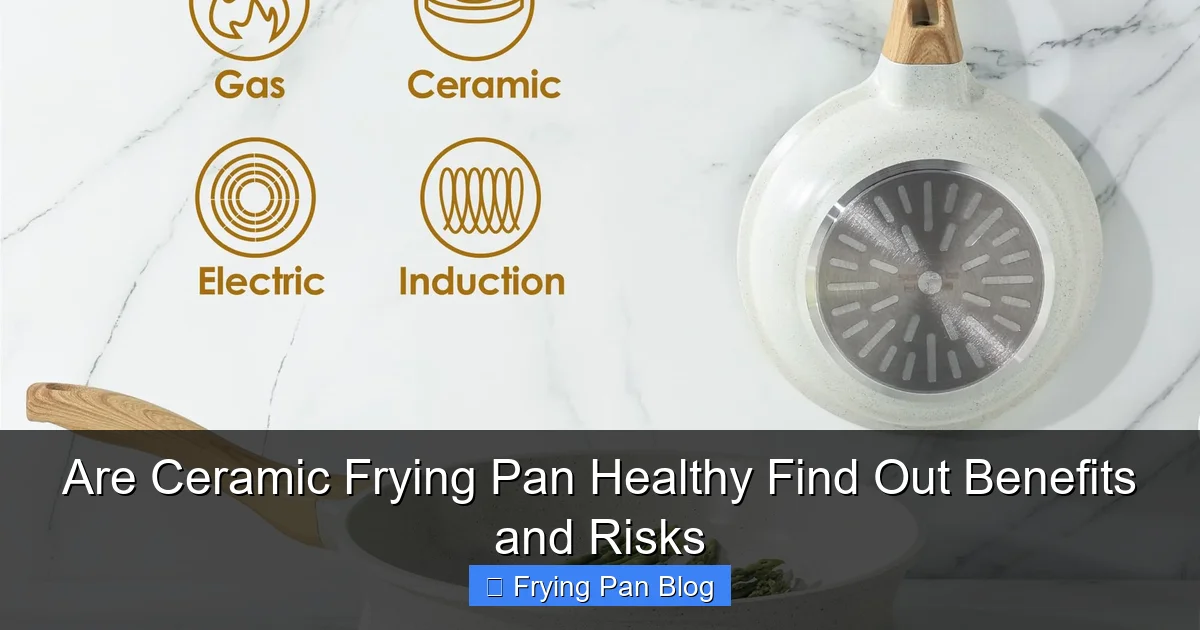
Visual guide about Are Ceramic Frying Pan Healthy Find Out Benefits and Risks
Image source: m.media-amazon.com
The ceramic layer is applied to metal bases such as aluminum, combining easy heat conduction with a non-stick finish.
How Ceramic Pans Differ from Other Non-Stick Options
Unlike Teflon-coated pans, ceramic cookware avoids chemicals that can break down at high temperatures, releasing harmful fumes. This makes ceramic pans a preferred choice for health-conscious cooks and families with kids.
Health Benefits of Ceramic Frying Pans
Free from Harmful Chemicals
One of the biggest health advantages of ceramic pans is their chemical-free surface. Since ceramic coatings do not contain PTFE or PFOA, they eliminate risks associated with these substances, such as respiratory issues or toxicity when overheated.
Non-Toxic Cooking Surface
Ceramic coatings are made from natural materials and remain stable under normal cooking temperatures. This means they don’t leach dangerous compounds into your food, making them a safer option for everyday use.
Less Oil Needed for Cooking
The naturally non-stick surface means you can use less cooking oil, which helps you prepare healthier meals with fewer fats. This is especially appealing if you’re watching your fat intake or prefer low-calorie dishes.
Potential Risks and Drawbacks
Durability and Coating Wear
While ceramic pans are healthy, their coatings can be less durable than traditional non-stick alternatives. Over time, the ceramic layer may chip or wear down, potentially reducing its non-stick properties and making cleaning more difficult.
Heat Sensitivity
Exposing ceramic pans to very high heat can damage the coating. This not only shortens the lifespan of the pan but could eventually affect its safety. It’s best to cook on medium or low heat and avoid preheating an empty pan.
Risk of Scratches
Using metal utensils or abrasive scrubbers can scratch the ceramic surface. While scratches don’t release toxins, they can degrade the pan’s performance and cause food to stick, leading to frustration and potential waste.
How to Use and Care for Your Ceramic Frying Pan
Cooking Tips for Longevity
- Always cook on low to medium heat to protect the ceramic coating.
- Preheat the pan gently, never on high heat empty.
- Use wooden, silicone, or plastic utensils to avoid scratches.
Cleaning and Maintenance
Clean your ceramic pan with warm soapy water and a soft sponge. Avoid harsh detergents or steel wool. If food sticks, soak the pan for a few minutes before cleaning. Proper maintenance keeps the pan safe and extends its life.
Storage Advice
Store ceramic pans carefully to prevent chipping. Avoid stacking heavy pots on top or place a cloth between pans if stacking is necessary.
Practical Examples: Ceramic Frying Pans in Everyday Use
Healthy Breakfasts
Cooking eggs, pancakes, or sautéed veggies on a ceramic pan with minimal oil makes your morning routine healthier. The even heat distribution helps avoid burning, preserving nutrients and flavor.
Quick Stir-Fries
Ceramic pans heat quickly and evenly, making them perfect for stir-frying vegetables or lean proteins. Use a little olive oil and fresh ingredients for a nutritious meal in minutes.
Low-Fat Cooking for Families
Families aiming to reduce fat intake benefit from ceramic pans’ non-stick surfaces. Kids get tasty meals without the extra grease, and parents enjoy easy cleanup.
Conclusion: Are Ceramic Frying Pans Healthy?
So, are ceramic frying pans healthy? The answer is yes — when used and cared for properly, ceramic pans offer a safe, chemical-free cooking surface that supports healthier meals. Their natural, non-toxic coating reduces exposure to harmful substances found in some non-stick cookware.
However, it’s important to handle ceramic pans with care to avoid damage and maintain their health benefits. Choosing a high-quality ceramic pan and following best practices ensures you enjoy the advantages without the risks.
In short, ceramic frying pans are a smart choice for anyone looking to cook healthier food while minimizing exposure to unwanted chemicals. Give one a try and see how it transforms your cooking experience!
🎥 Related Video: The TRUTH about Ceramic Cookware
📺 Levi Hildebrand
Teflon’s latest competitor on the market, promising to be a healthy, safe, and eco-friendly alternative, is ceramic cookware. But, is it …
Frequently Asked Questions
What makes ceramic frying pans healthier than traditional non-stick pans?
Ceramic frying pans are healthier because they don’t contain PTFE or PFOA, chemicals that may release harmful fumes when overheated. Their natural coating is generally non-toxic and safe for cooking.
Can ceramic coatings chip or peel off?
Yes, ceramic coatings can chip or peel if the pan is handled roughly, exposed to extreme heat, or cleaned with abrasive tools. Proper care helps prevent this.
How should I clean my ceramic frying pan?
Use warm soapy water and a soft sponge to clean your ceramic pan. Avoid harsh scrubbing pads or strong detergents that can damage the coating.
Are ceramic frying pans environmentally friendly?
Many ceramic pans are made with eco-friendly materials and manufacturing processes, making them a greener choice compared to some traditional non-stick cookware.
Can I use ceramic pans in the oven?
Some ceramic frying pans are oven-safe, but it depends on the manufacturer’s specifications. Always check the product details before using a ceramic pan in the oven.
Do ceramic pans require seasoning like cast iron?
No, ceramic pans do not need seasoning. Their non-stick ceramic coating provides a smooth cooking surface without the need for oil-based seasoning.
