
Are Ceramic Frying Pan Safe for Healthy and Nonstick Cooking

Ceramic frying pans offer a safe and healthy alternative for nonstick cooking. They are free from harmful chemicals like PTFE and PFOA, providing peace of mind in your kitchen. With proper care, ceramic pans deliver excellent performance and durability for everyday use.
Key Takeaways
- Ceramic pans are generally free from toxic chemicals: They do not contain PTFE or PFOA, reducing health risks linked to traditional nonstick coatings.
- Safe at moderate cooking temperatures: Ceramic coatings withstand typical cooking heat but can degrade if overheated.
- Nonstick properties require care: Using proper utensils and avoiding abrasive cleaners prolongs the pan’s lifespan.
- Eco-friendly and non-reactive: Ceramic coatings are made from natural materials and do not leach harmful substances into food.
- Durability varies by brand and use: Quality ceramic pans can last years, but cheaper options may chip or wear faster.
- Ideal for healthy cooking: Ceramic pans allow cooking with less oil and maintain food’s natural flavor.
- Regular maintenance ensures safety and performance: Proper cleaning and avoiding sudden temperature changes help preserve coatings.
Quick Answers to Common Questions
Are ceramic frying pans better than traditional nonstick pans?
Ceramic pans are free from harmful chemicals like PTFE and PFOA, making them safer for health. However, traditional nonstick pans may have better long-term nonstick performance.
Can I use metal utensils with ceramic pans?
It’s best to avoid metal utensils since they can scratch or chip the ceramic coating. Use wooden, silicone, or plastic tools instead.
How do I clean a ceramic frying pan?
Hand wash with mild dish soap and a soft sponge. Avoid abrasive cleaners and let the pan cool before washing to protect the coating.
Are ceramic frying pans dishwasher safe?
Most ceramic pans are not recommended for dishwashers. Hand washing helps maintain the coating and extends the pan’s life.
Can ceramic pans be used on high heat?
Ceramic pans perform best at medium or low heat. High heat can damage the coating and reduce its nonstick properties.
📑 Table of Contents
- Are Ceramic Frying Pans Safe for Healthy and Nonstick Cooking?
- What Is a Ceramic Frying Pan?
- Are Ceramic Frying Pans Safe for Your Health?
- Benefits of Using Ceramic Frying Pans
- How to Use and Maintain Ceramic Frying Pans
- Common Concerns and Myths About Ceramic Frying Pans
- Choosing the Right Ceramic Frying Pan for You
- Conclusion: Are Ceramic Frying Pans Safe?
Are Ceramic Frying Pans Safe for Healthy and Nonstick Cooking?
When it comes to choosing a frying pan, safety and health are top priorities. Ceramic frying pans have become increasingly popular due to their promise of a nonstick surface without the use of harmful chemicals. But are ceramic frying pans truly safe for everyday cooking? This article dives deep into the safety, benefits, and practical use of ceramic pans to help you make an informed decision.
Whether you’re a seasoned chef or a beginner in the kitchen, understanding the materials in your cookware can affect your health and cooking results. Let’s explore what makes ceramic pans stand out and how you can use them safely for delicious, healthy meals.
What Is a Ceramic Frying Pan?
The Basics of Ceramic Coating
Ceramic frying pans are coated with a layer derived from silica, a natural element found in sand and quartz. This coating forms a hard, smooth surface that prevents food from sticking. Unlike traditional nonstick pans, ceramic coatings are free from PTFE (polytetrafluoroethylene) and PFOA (perfluorooctanoic acid), chemicals often linked to health concerns.
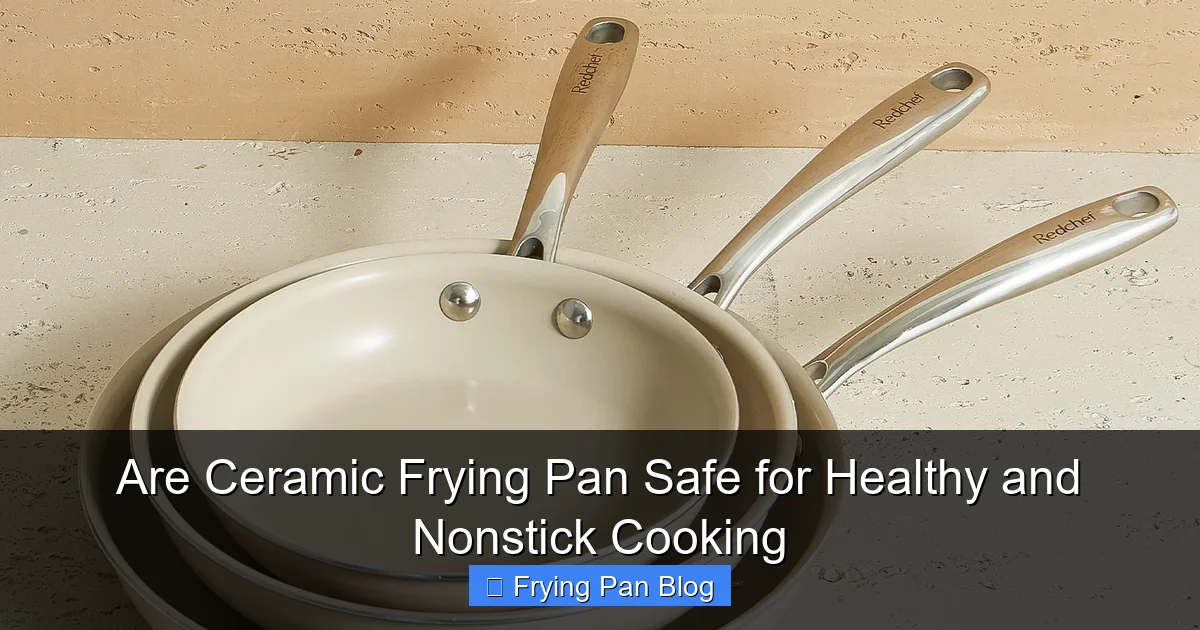
Visual guide about Are Ceramic Frying Pan Safe for Healthy and Nonstick Cooking
Image source: redchefhome.com
How Ceramic Pans Differ from Other Nonstick Cookware
While traditional nonstick pans rely on synthetic chemicals, ceramic pans use an inorganic material baked onto the metal base. This natural coating is touted as non-toxic and environmentally friendly. However, durability and nonstick performance can vary compared to Teflon-coated pans.
Are Ceramic Frying Pans Safe for Your Health?
Free from Harmful Chemicals
One of the biggest safety advantages of ceramic frying pans is their chemical-free surface. Ceramic coatings do not contain PTFE or PFOA, which have raised concerns over toxic fumes when overheated. This makes ceramic pans a safer choice for everyday cooking, especially at medium heat levels.
Safe Cooking Temperatures
Ceramic coatings perform best at temperatures below 450°F (232°C). Cooking at very high heat can cause the ceramic coating to degrade or discolor, but it generally does not release harmful fumes like some traditional nonstick pans. For safety and longevity, it’s best to avoid preheating an empty ceramic pan on high heat.
Non-Toxic and Non-Reactive
Ceramic coatings are inert, meaning they won’t react with acidic or alkaline foods. This ensures that no chemicals leach into your meals, preserving the natural taste and nutritional value of your ingredients. This feature is especially valuable for cooking dishes with tomatoes, citrus, or vinegar.
Benefits of Using Ceramic Frying Pans
Healthy Cooking with Less Oil
The smooth ceramic surface allows for cooking with minimal oil or butter. This promotes healthier meals with fewer calories and less fat, making ceramic pans ideal for those watching their diet or seeking heart-healthy options.
Easy Food Release and Cleanup
Good-quality ceramic pans provide excellent nonstick performance, letting food slide off easily. Cleaning is simple and usually requires just warm, soapy water and a soft sponge. No scrubbing or soaking is necessary, saving you time in the kitchen.
Eco-Friendly and Sustainable
Because ceramic coatings are made from natural materials, they are considered better for the environment compared to synthetic nonstick options. Many manufacturers also promote ceramic cookware as a greener choice due to reduced chemical use and longer lifespan under proper care.
How to Use and Maintain Ceramic Frying Pans
Tips for Safe and Effective Cooking
- Use medium or low heat: Avoid overheating to preserve the ceramic coating and prevent damage.
- Use wooden, silicone, or plastic utensils: Metal tools can scratch and chip the ceramic surface.
- Preheat carefully: Do not leave an empty pan on the stove for long periods.
Cleaning and Care Recommendations
- Hand wash only: Avoid dishwasher use as harsh detergents can degrade the coating.
- Use mild dish soap and a soft sponge: Abrasive cleaners or scouring pads may scratch the surface.
- Allow the pan to cool before washing: Sudden temperature changes can cause cracking.
Storage Advice
To prevent scratches, store ceramic frying pans separately or place a soft cloth between stacked pans. This simple step can extend the lifespan of your ceramic cookware.
Common Concerns and Myths About Ceramic Frying Pans
Do Ceramic Pans Chip Easily?
Ceramic coatings are harder than traditional nonstick surfaces but can chip if dropped or hit with hard utensils. Choosing a high-quality pan and handling it gently helps reduce this risk.
Is Ceramic Truly Nonstick?
While ceramic pans offer good nonstick properties, they may not be as slick as some Teflon-coated pans. Over time, the nonstick effect can diminish, which is natural for this type of cookware.
Are Ceramic Pans Dishwasher Safe?
Most manufacturers recommend hand washing. Dishwashers can expose the ceramic surface to harsh detergents and high heat, accelerating wear and reducing the pan’s lifespan.
Choosing the Right Ceramic Frying Pan for You
Consider the Brand and Quality
Invest in reputable brands known for durable ceramic coatings. Cheaper pans may look appealing but often lack longevity and safety assurances.
Size and Handle Comfort
Pick a size that fits your cooking style and household. Also, test the handle grip for comfort and heat resistance to avoid accidents while cooking.
Check for Warranty and Reviews
Many quality ceramic pans come with a warranty. Reading customer reviews can provide insight into real-world performance and durability.
Conclusion: Are Ceramic Frying Pans Safe?
In summary, ceramic frying pans are a safe and healthy option for nonstick cooking. They eliminate concerns related to toxic chemicals like PTFE and PFOA, allowing you to cook delicious meals with less oil and without harmful fumes. By using your ceramic pan properly—avoiding overheating, using gentle utensils, and following care instructions—you can enjoy many years of safe, convenient cooking.
If you want a cookware choice that aligns with a healthy lifestyle and eco-conscious values, ceramic frying pans are worth considering. Just remember that quality matters, so select a trusted brand and treat your pan with care for the best experience.
🎥 Related Video: Harvard Doctor : 3 Healthiest Pans to Cook with ‼️🚨
📺 Doctor Sethi
Looking for the healthiest pans to cook your meals with? In this video, Dr. Sethi shares the top 3 non-toxic, durable pans that you …
Frequently Asked Questions
What makes ceramic frying pans safe compared to other cookware?
Ceramic pans use a natural, inorganic coating free from PTFE and PFOA, chemicals linked to health risks in traditional nonstick cookware. This makes them a safer choice for everyday cooking.
Do ceramic frying pans release harmful fumes when heated?
No, ceramic coatings do not emit toxic fumes even if overheated. Unlike some traditional nonstick pans, ceramic pans are more stable and safer at normal cooking temperatures.
How long does a ceramic frying pan typically last?
With proper care, high-quality ceramic pans can last several years. However, the coating may wear down over time, especially if exposed to high heat or abrasive cleaning.
Can I use ceramic frying pans on induction cooktops?
Not all ceramic pans are compatible with induction cooktops. Check the manufacturer’s specifications to ensure your ceramic pan has a magnetic base suitable for induction.
Is it safe to cook acidic foods in ceramic pans?
Yes, ceramic coatings are non-reactive, so cooking acidic foods like tomatoes or citrus won’t damage the pan or affect the taste of your food.
How do I prevent my ceramic pan from losing its nonstick ability?
Cook on medium heat, avoid metal utensils, hand wash gently, and do not overheat an empty pan. These practices help preserve the ceramic coating’s nonstick properties longer.