
Ceramic frying pans are a popular choice for healthy cooking due to their non-toxic coatings and eco-friendly materials. However, concerns about their durability and potential health risks arise from improper use or low-quality products. Understanding how ceramic pans work helps you make a safer, more durable kitchen investment.
Contents
- 1 Key Takeaways
- 2 📑 Table of Contents
- 3 Are Ceramic Frying Pans Bad for Your Cooking Health and Durability?
- 4 What Are Ceramic Frying Pans?
- 5 Are Ceramic Frying Pans Safe for Your Health?
- 6 Durability of Ceramic Frying Pans: What to Expect
- 7 Performance: How Do Ceramic Pans Cook?
- 8 Environmental and Health Benefits of Ceramic Frying Pans
- 9 Choosing the Right Ceramic Frying Pan
- 10 Conclusion: Are Ceramic Frying Pans Bad?
- 11 Frequently Asked Questions
Key Takeaways
- Ceramic coatings are generally safe: Made from natural minerals, they don’t release harmful chemicals when used properly.
- Durability varies widely: High-quality ceramic pans last longer, while cheaper versions can chip or wear quickly.
- Proper care extends lifespan: Avoid high heat and metal utensils to keep ceramic coatings intact.
- Health concerns are minimal: Unlike some non-stick pans, ceramic doesn’t contain PTFE or PFOA.
- Performance depends on brand and use: Not all ceramic pans cook evenly or resist sticking equally well.
- Eco-friendly option: Ceramic pans are often marketed as more environmentally friendly than traditional non-stick cookware.
- Best for low to medium heat cooking: High heat can damage ceramic coatings and reduce longevity.
📑 Table of Contents
- Are Ceramic Frying Pans Bad for Your Cooking Health and Durability?
- What Are Ceramic Frying Pans?
- Are Ceramic Frying Pans Safe for Your Health?
- Durability of Ceramic Frying Pans: What to Expect
- Performance: How Do Ceramic Pans Cook?
- Environmental and Health Benefits of Ceramic Frying Pans
- Choosing the Right Ceramic Frying Pan
- Conclusion: Are Ceramic Frying Pans Bad?
Are Ceramic Frying Pans Bad for Your Cooking Health and Durability?
If you’ve ever stood in front of a cookware aisle wondering whether ceramic frying pans are a good buy, you’re not alone. These pans have become incredibly popular because they promise a non-toxic, easy-to-clean surface without the chemicals found in traditional non-stick pans. But are ceramic frying pans bad for your health or do they fall short when it comes to durability? Let’s break it down.
Ceramic frying pans are often praised for their natural, non-stick coatings made from silica-based materials. They don’t contain PTFE (polytetrafluoroethylene) or PFOA (perfluorooctanoic acid), chemicals linked to health concerns in some non-stick cookware. But like all kitchen tools, ceramic pans come with pros and cons. Knowing how to use and care for them can make all the difference in enjoying their benefits without the drawbacks.
What Are Ceramic Frying Pans?
Understanding the Ceramic Coating
Ceramic frying pans feature a coating made from inorganic minerals, mainly silica, derived from sand. This coating is applied over a metal base, often aluminum or stainless steel, to create a smooth, non-stick surface. Unlike traditional non-stick pans that use synthetic chemicals like Teflon, ceramic coatings are free from PTFE and PFOA.
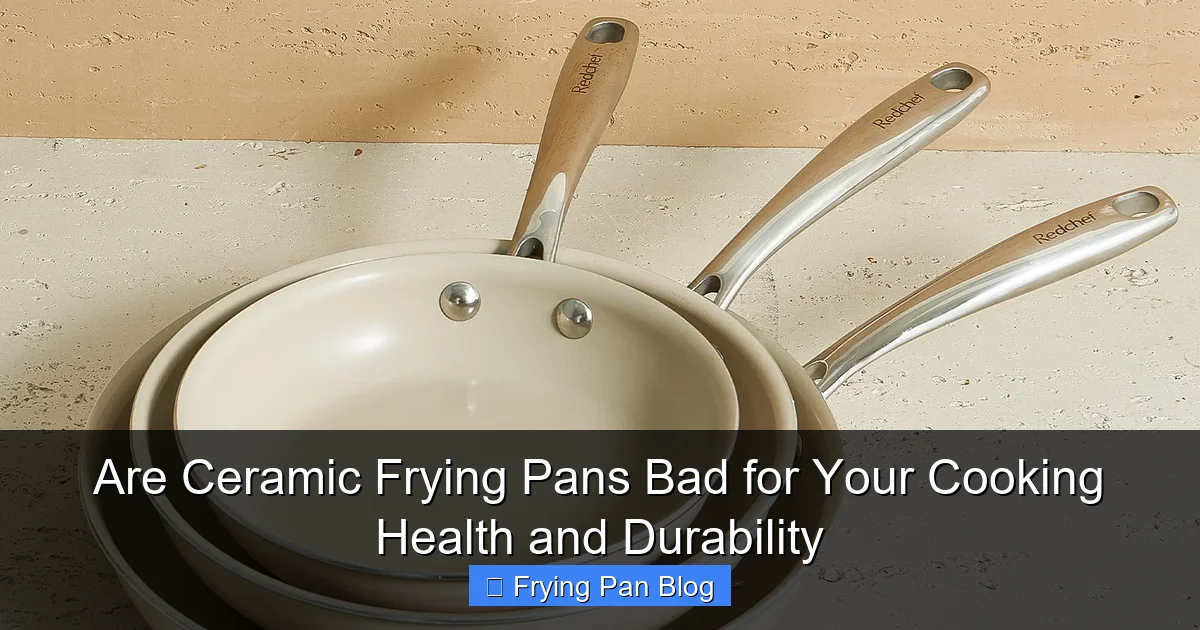
Visual guide about Are Ceramic Frying Pans Bad for Your Cooking Health and Durability
Image source: redchefhome.com
How Ceramic Pans Differ from Other Cookware
Traditional non-stick pans rely on chemical coatings that can degrade over time and release toxic fumes if overheated. Cast iron and stainless steel pans don’t have non-stick surfaces but are prized for durability and heat retention. Ceramic pans aim to offer the best of both worlds: a non-toxic, non-stick surface with easier maintenance.
Are Ceramic Frying Pans Safe for Your Health?
No Toxic Chemicals Involved
One of the biggest reasons people switch to ceramic frying pans is safety. Since ceramic coatings don’t contain PTFE or PFOA, they don’t emit harmful fumes even when overheated to moderate temperatures. This makes ceramic pans a safer choice, especially in households with children or sensitive individuals.
Potential Risks with Low-Quality Pans
That said, not all ceramic frying pans are created equal. Some low-cost models may use inferior materials or have coatings that chip easily. When ceramic coating chips off, small particles can mix with food. While these particles are generally inert and non-toxic, ingestion is best avoided. It’s important to buy from reputable brands and inspect your pans regularly.
Tips to Ensure Safe Use
- Cook on low to medium heat to avoid damaging the coating.
- Use wooden, silicone, or plastic utensils to prevent scratches.
- Discard pans with significant chips or peeling coatings.
Durability of Ceramic Frying Pans: What to Expect
Lifespan Compared to Other Pans
Ceramic frying pans tend to have a shorter lifespan than cast iron or stainless steel pans. Typical ceramic coatings last between 1 to 3 years with daily use. After that, they may lose their non-stick properties or start to chip.
Factors That Affect Durability
- Quality of ceramic coating: Premium brands use thicker, more resilient coatings.
- Cooking habits: High heat and metal utensils accelerate wear and tear.
- Cleaning methods: Harsh scrubbing damages the surface faster.
How to Maximize Pan Lifespan
To keep your ceramic frying pan durable for longer:
- Avoid preheating an empty pan on high heat.
- Wash gently with non-abrasive sponges and mild detergent.
- Store pans carefully to avoid scratches and chips.
Performance: How Do Ceramic Pans Cook?
Non-Stick Qualities
Ceramic pans provide a decent non-stick surface, especially when new. They work well for cooking eggs, pancakes, and sautéed vegetables with minimal oil. However, their non-stick ability tends to fade over time, unlike traditional Teflon-coated pans which often last longer.
Heat Distribution and Cooking Tips
Many ceramic pans have an aluminum core that helps distribute heat evenly. This prevents hot spots that can burn food. Still, avoid using ceramic pans on high heat, which can damage the coating and cause uneven cooking.
When Ceramic Pans Might Not Be Ideal
If you frequently sear meats or cook at very high temperatures, ceramic pans might not be the best choice. For those tasks, cast iron or stainless steel pans are more durable and better at handling intense heat.
Environmental and Health Benefits of Ceramic Frying Pans
Eco-Friendly Manufacturing
Ceramic coatings are often marketed as more environmentally friendly because they use natural materials and avoid harmful chemicals. The production process tends to have a smaller carbon footprint compared to synthetic non-stick coatings.
Non-Toxic Cooking Experience
Using ceramic frying pans reduces exposure to potentially harmful fumes and chemicals. For health-conscious cooks, this is a big plus. Ceramic pans allow you to cook with less oil while avoiding the synthetic chemicals found in many other pans.
Recycling and Disposal
At the end of their life, ceramic pans are safer to dispose of than pans containing chemical coatings. However, recycling options are still limited, so it’s best to prolong their use as much as possible.
Choosing the Right Ceramic Frying Pan
Look for Trusted Brands
Invest in ceramic pans from reputable manufacturers who provide warranty information and clear material details. Well-known brands typically offer better durability and safety assurances.
Check User Reviews
Reading reviews can reveal real-world durability and performance. Look for feedback on coating longevity, heat distribution, and ease of cleaning.
Consider Your Cooking Style
Choose a ceramic frying pan that fits your cooking habits. If you mainly cook eggs or vegetables, a ceramic pan is great. For heavy-duty frying or searing, consider other materials.
Conclusion: Are Ceramic Frying Pans Bad?
So, are ceramic frying pans bad? The simple answer is no—they are not bad for your cooking health or durability when used correctly. Ceramic pans provide a safer, chemical-free alternative to traditional non-stick cookware. However, their lifespan tends to be shorter, and they require gentle care to maintain their benefits.
By selecting high-quality ceramic pans and following proper usage tips, you can enjoy healthy cooking without worrying about harmful chemicals or quick wear. Ceramic frying pans are a solid choice for everyday cooking at low to medium heat, especially for those prioritizing safety and eco-friendliness in the kitchen.
In the end, ceramic frying pans are a good investment if you value health and convenience but want to avoid harsh chemicals. Just keep your expectations realistic about durability and care requirements.
🎥 Related Video: The Truth About Nonstick and Ceramic Pans
📺 Jon Kung
Let’s talk about nonstick and ceramic pans. Are they safe? Should you be worried about PFAs? Is ceramic better? What kind of …
Frequently Asked Questions
Are ceramic frying pans truly non-toxic?
Yes, ceramic frying pans are generally considered non-toxic because their coatings are made from natural minerals and do not contain PTFE or PFOA. This makes them safer compared to traditional non-stick pans.
How long do ceramic frying pans typically last?
With proper care, ceramic frying pans usually last between 1 to 3 years. Their lifespan depends on the quality of the coating and how gently you use and clean them.
Can I use metal utensils on ceramic frying pans?
It’s best to avoid metal utensils because they can scratch and damage the ceramic coating. Use wooden, silicone, or plastic utensils to keep the surface intact.
Are ceramic frying pans safe to use on high heat?
Ceramic frying pans are best used on low to medium heat. High heat can damage the coating and reduce the pan’s non-stick properties.
Do ceramic frying pans require oil for cooking?
While ceramic pans have non-stick qualities, using a small amount of oil or butter can improve cooking results and help protect the coating.
How do I clean a ceramic frying pan properly?
Clean ceramic pans with warm water, mild dish soap, and a soft sponge. Avoid abrasive scrubbers or harsh detergents that can wear down the ceramic coating.
