
Are frying pan coatings safe to use for healthy cooking? This article explores the safety of popular frying pan coatings, their pros and cons, and how to choose the best options for your health. Understanding these coatings helps you cook delicious meals without worrying about harmful chemicals.
Contents
Key Takeaways
- Different coatings vary: Non-stick, ceramic, stainless steel, and cast iron all have unique safety profiles.
- Non-stick pans can release harmful fumes if overheated: Proper use avoids health risks.
- Ceramic coatings are often safer: They are free from PTFE and PFOA chemicals.
- Cast iron and stainless steel are chemical-free options: They are durable and safe for everyday use.
- Proper care extends pan life and safety: Avoid harsh scrubbing and overheating.
- Choosing the right pan depends on your cooking style and priorities: Health, convenience, or durability.
📑 Table of Contents
Introduction
Frying pans are kitchen essentials, used daily to prepare a variety of meals. But with so many types of coatings available, it’s natural to wonder: are frying pan coatings safe to use for healthy cooking? From non-stick to ceramic, each coating promises easy cooking and cleanup, but how do they affect your health? Understanding the safety of frying pan coatings helps you make informed choices that protect your family.
In this article, we’ll explore the most common frying pan coatings, their safety aspects, and tips to keep your cooking both healthy and hassle-free. Whether you’re a beginner or a seasoned home chef, knowing what’s in your cookware is key to a safe kitchen.
Understanding Frying Pan Coatings
What Are Frying Pan Coatings?
Frying pan coatings are materials applied to the pan’s surface to improve cooking performance. They reduce food sticking, ease cleaning, and sometimes provide better heat distribution. The most popular coatings include non-stick (usually PTFE-based), ceramic, enamel, and sometimes natural options like cast iron seasoning.
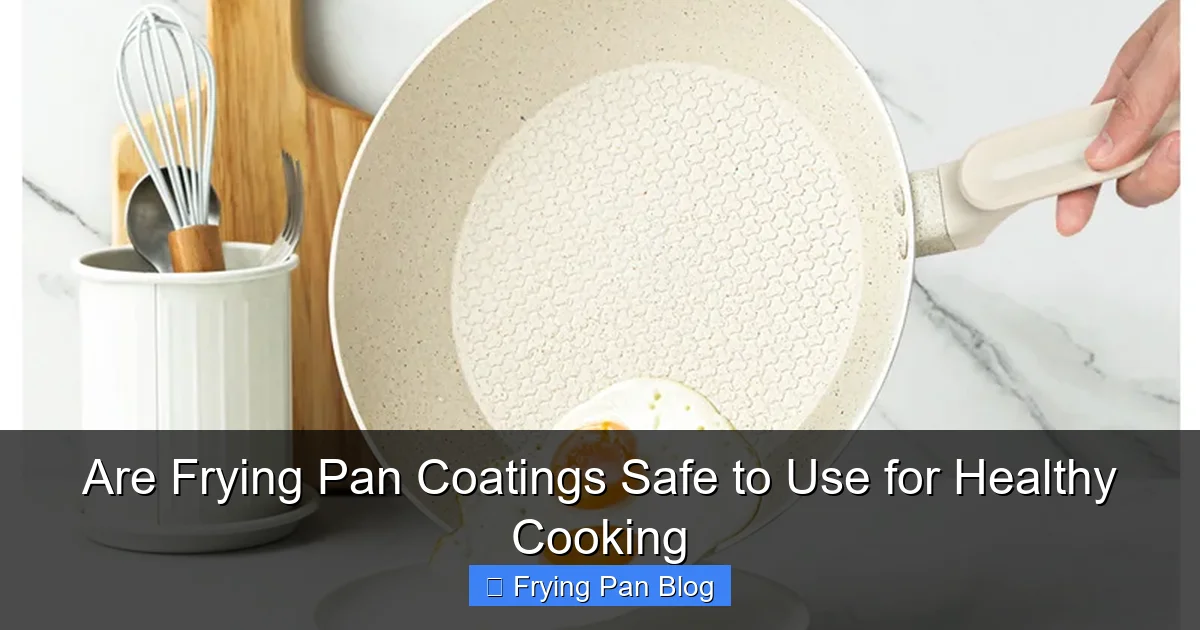
Visual guide about Are Frying Pan Coatings Safe to Use for Healthy Cooking
Image source: m.media-amazon.com
Why Coatings Matter
Coatings can affect the safety of your food and the longevity of your pans. Some coatings may release harmful substances if misused, while others are more natural and chemical-free. Knowing how coatings work helps you prevent potential health risks.
Common Types of Frying Pan Coatings and Their Safety
Non-Stick Coatings (PTFE-Based)
Non-stick pans coated with PTFE (polytetrafluoroethylene), often called Teflon, are popular for their ease of use. They prevent food from sticking and require little oil, which is great for healthy cooking.
Safety Concerns: When overheated above 500°F (260°C), PTFE coatings can release fumes that may cause flu-like symptoms in humans and are toxic to pet birds. However, normal cooking temperatures rarely exceed this limit. Avoid empty heating and high-heat cooking to stay safe.
Ceramic Coatings
Ceramic-coated pans are made from inorganic materials derived from sand. They are free from PTFE and PFOA, making them a popular “green” alternative.
Safety Benefits: Ceramic coatings don’t release toxic fumes and can handle higher temperatures than non-stick pans. They are often considered safer for everyday use. However, they can wear out faster and may lose non-stick properties over time.
Enamel Coatings
Enamel coatings are glass-like layers fused onto metal pans, usually cast iron or steel. They provide a smooth, non-reactive surface.
Safety Profile: Enamel is non-toxic and doesn’t leach chemicals. It’s a durable and safe choice, though it can chip if dropped, exposing the metal underneath.
Cast Iron and Stainless Steel (No Coating)
Cast iron pans build a natural non-stick surface as they are seasoned with oil. Stainless steel pans have no coating but rely on high heat and oil to prevent sticking.
Health Advantages: Both are free from synthetic chemicals and considered very safe. Cast iron can add iron to your diet, which may benefit some people.
Practical Tips for Safe Use of Coated Frying Pans
Avoid Overheating Non-Stick Pans
Don’t heat empty non-stick pans or cook at very high temperatures. Use medium or low heat to preserve the coating and avoid releasing harmful fumes.
Use Proper Utensils
Use wooden, silicone, or plastic tools to prevent scratching non-stick and ceramic coatings. Scratches can degrade the coating and increase health risks.
Clean Gently
Avoid abrasive scrubbers that can damage coatings. Use soft sponges and mild detergents. Proper cleaning extends the life and safety of your pans.
Replace Worn-Out Pans
If your pan’s coating is peeling or scratched badly, it’s time to replace it. Damaged coatings can flake into food and may pose health risks.
How to Choose the Safest Frying Pan for Healthy Cooking
Consider Your Cooking Habits
If you often cook at high heat, ceramic or cast iron pans might be better. For low-to-medium heat cooking, non-stick pans are convenient but require careful use.
Look for Quality Brands
Invest in well-reviewed pans with safe, non-toxic coatings. Cheaper pans may use lower-quality materials that degrade faster.
Check for Certifications
Look for PFOA-free and PTFE-free labels if you want to avoid synthetic chemicals. Certifications from trusted organizations add assurance.
Conclusion
So, are frying pan coatings safe to use for healthy cooking? The answer depends on the type of coating and how you use your pans. Non-stick pans can be safe if you avoid overheating and damage. Ceramic and enamel coatings offer safer alternatives without harmful chemicals. Cast iron and stainless steel provide chemical-free options that last a lifetime.
Ultimately, the safest frying pan is one that fits your cooking style, is well cared for, and replaced when worn. By understanding your cookware, you can enjoy tasty, healthy meals without worry.
🎥 Related Video: Buyer's Guide To Non-Toxic Cookware | Made In Cookware
📺 Made In®
Shopping for cookware that’s safe for your family, long lasting and suited to your needs in the kitchen can be a daunting process.
Frequently Asked Questions
Are all non-stick frying pans unsafe?
No, not all non-stick pans are unsafe. When used correctly at moderate temperatures and not scratched or overheated, they are generally safe for cooking.
What is the safest frying pan coating for health?
Ceramic coatings, cast iron, and stainless steel pans are considered safest because they don’t contain harmful chemicals like PTFE or PFOA.
Can frying pan coatings release toxins into food?
Some coatings can release harmful fumes if overheated, mainly PTFE-based non-stick pans. Normal cooking temperatures usually do not cause this issue.
How do I know when to replace my frying pan?
Replace your pan if the coating is peeling, flaking, or scratched extensively, as damaged coatings can pose health risks and affect cooking performance.
Is ceramic coating better than traditional non-stick?
Ceramic coatings are generally free of harmful chemicals and can tolerate higher heat, making them a safer alternative to traditional non-stick pans.
Does cast iron add iron to my food?
Yes, cooking with cast iron can add small amounts of iron to your food, which can be beneficial, especially for those with iron deficiency.
