
Frying pans aluminum are popular for their lightweight and excellent heat conduction. While generally safe and durable for everyday cooking, it’s important to choose quality pans with proper coatings or anodized surfaces to avoid potential health concerns and ensure long-lasting use.
Contents
- 1 Key Takeaways
- 2 📑 Table of Contents
- 3 Introduction
- 4 What Are Aluminum Frying Pans?
- 5 Are Aluminum Frying Pans Safe for Cooking?
- 6 Durability of Aluminum Frying Pans
- 7 Advantages of Using Aluminum Frying Pans
- 8 Potential Drawbacks and How to Overcome Them
- 9 Choosing the Right Aluminum Frying Pan for You
- 10 Conclusion
- 11 Frequently Asked Questions
Key Takeaways
- Lightweight and Fast Heating: Aluminum frying pans heat quickly and evenly, making cooking efficient.
- Durability Depends on Treatment: Anodized aluminum pans are more durable and resistant to scratching than bare aluminum.
- Safety Considerations: Pure aluminum can react with acidic foods, but anodized or coated pans prevent this issue.
- Maintenance Tips: Proper cleaning and avoiding metal utensils extend the life of aluminum pans.
- Cost-Effective Option: Aluminum pans are often more affordable than other metals while delivering good performance.
- Environmental Impact: Aluminum is recyclable, making it an eco-friendly choice when disposed of responsibly.
📑 Table of Contents
Introduction
If you’ve ever shopped for cookware, you’ve probably noticed how common aluminum frying pans are. But are frying pans aluminum safe and durable enough for everyday cooking? This question often comes up because aluminum is a soft metal that reacts with certain foods. At the same time, aluminum pans offer great heat conduction and affordability that many home cooks love.
In this article, we’ll explore everything you need to know about aluminum frying pans. From their safety and durability to maintenance tips and cooking advice, you’ll get a clear picture of whether aluminum pans deserve a spot in your kitchen.
Let’s dive into the world of aluminum cookware and find out if these pans are a good choice for your daily meals.
What Are Aluminum Frying Pans?
Basic Characteristics of Aluminum Pans
Aluminum frying pans are made primarily from aluminum metal. This lightweight metal is known for its excellent ability to conduct heat quickly and evenly. That means your food cooks faster and gets consistent heat all over the pan’s surface.
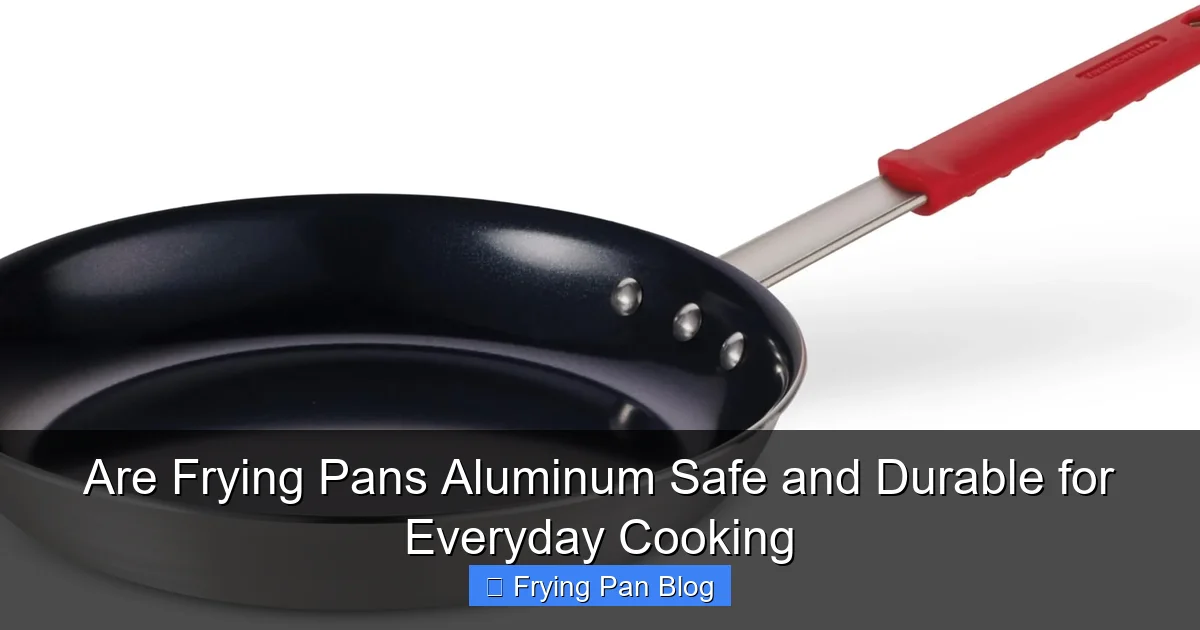
Visual guide about Are Frying Pans Aluminum Safe and Durable for Everyday Cooking
Image source: m.media-amazon.com
Besides being lightweight, aluminum is also relatively inexpensive compared to other metals like stainless steel or copper. This makes aluminum pans a budget-friendly option for many people.
Types of Aluminum Frying Pans
- Raw Aluminum Pans: These pans are made from untreated aluminum. They tend to be cheaper but can react with acidic or alkaline foods, sometimes affecting flavor and potentially causing discoloration.
- Anodized Aluminum Pans: These go through an electrochemical process that hardens the surface, making them more resistant to scratches and corrosion. Anodized pans are non-reactive and generally safer for cooking all types of food.
- Coated Aluminum Pans: Many aluminum pans come with nonstick coatings like Teflon or ceramic. The aluminum base offers great heat transfer, while the coating prevents food from sticking and protects the metal.
Are Aluminum Frying Pans Safe for Cooking?
Concerns About Aluminum and Health
One common worry is whether aluminum leaches into food during cooking and if that could be harmful. Studies show that small amounts of aluminum may transfer into food, especially when cooking acidic dishes like tomato sauce or vinegar-based recipes.
However, the amount of aluminum that transfers is generally very low and considered safe by food safety agencies. The human body can handle small amounts of aluminum without any negative effects.
How Anodized and Coated Pans Improve Safety
Anodized aluminum pans have a sealed surface that prevents aluminum from leaching into food. This makes them a safer choice, especially for cooking acidic or spicy meals. Similarly, pans with nonstick coatings block direct contact between food and aluminum, further reducing any risk.
So, if you’re concerned about safety, choosing anodized or coated aluminum frying pans is a smart move.
Durability of Aluminum Frying Pans
Raw Aluminum vs. Anodized Aluminum
Raw aluminum pans tend to be softer and scratch more easily. They can dent or warp if exposed to high heat or rough handling. On the other hand, anodized aluminum pans are much harder and more durable. The anodizing process creates a tough layer that resists abrasion and corrosion.
Impact of Coatings on Pan Longevity
Nonstick coatings on aluminum pans can wear out over time, especially with heavy use or misuse (like using metal utensils). When the coating degrades, the pan’s performance and safety can decline. However, with proper care, coated aluminum pans can last several years.
Tips to Extend Your Pan’s Life
- Use wooden or silicone utensils to avoid scratching the surface.
- Avoid overheating the pan; cook at medium or low heat when possible.
- Hand wash with gentle sponges instead of dishwashers to protect coatings.
Advantages of Using Aluminum Frying Pans
Excellent Heat Conduction
Aluminum conducts heat better than many other metals. This means your food heats evenly and quickly, reducing cooking times and preventing hot spots that burn food.
Lightweight and Easy to Handle
Aluminum pans are lighter than stainless steel or cast iron. This makes them easier to lift, flip, and clean—perfect for everyday cooking, especially if you have limited hand strength.
Cost-Effective Cookware Option
Because aluminum is abundant and inexpensive, pans made from it usually cost less. This makes aluminum frying pans a great choice if you want good performance without spending a lot.
Recyclability and Eco-Friendliness
Aluminum is 100% recyclable, which is good news for the environment. When your pan eventually wears out, recycling aluminum helps reduce waste and conserve resources.
Potential Drawbacks and How to Overcome Them
Reactivity with Acidic Foods
Raw aluminum pans can react with acidic foods like tomatoes or citrus, causing off flavors and discoloration. To avoid this, opt for anodized or coated pans that prevent direct contact between food and aluminum.
Scratches and Warping
Aluminum pans can scratch or warp if mishandled. Use utensils carefully and avoid sudden temperature changes, like putting a hot pan into cold water.
Nonstick Coating Wear
Nonstick layers can wear out with frequent use or improper care. Always follow manufacturer instructions and replace the pan if the coating begins to peel or flake.
Choosing the Right Aluminum Frying Pan for You
Consider Your Cooking Style
If you cook acidic or spicy dishes often, anodized or coated pans are best. For simple frying and sautéing, a raw aluminum pan might suffice but requires more care.
Look for Quality Brands
Investing in a reputable brand ensures better anodizing or coating quality. Quality pans last longer and perform better.
Check Pan Thickness
Thicker aluminum pans provide more even heat and resist warping. Thin pans heat fast but may not hold heat as well.
Maintenance and Care
Choose a pan you are willing to care for properly. Hand washing and using appropriate utensils will prolong your pan’s lifespan.
Conclusion
So, are frying pans aluminum safe and durable for everyday cooking? The answer is yes—especially when you choose anodized or coated aluminum pans. Aluminum pans offer excellent heat conduction, are lightweight, affordable, and eco-friendly. While raw aluminum pans may react with acidic foods and scratch easily, proper treatment and care can overcome these issues.
By understanding the different types of aluminum frying pans and how to maintain them, you can enjoy cooking with these versatile pans every day. Whether you’re frying eggs, sautéing veggies, or making a quick stir-fry, aluminum frying pans can be a reliable and safe choice in your kitchen.
🎥 Related Video: Best & Worst Cookware Materials 🔥 | Safe vs Toxic Cookware Explained!
📺 AYURVEDA SUTRA
Discover the best and worst cookware materials for healthy cooking! Learn which pans and pots are safe, durable, and …
Frequently Asked Questions
Are aluminum frying pans safe to use every day?
Yes, aluminum frying pans are safe for daily use, especially if they are anodized or have a nonstick coating. These treatments prevent aluminum from reacting with food and make the pans more durable.
Can aluminum pans cause health problems?
There is no strong evidence that aluminum pans cause health issues. The small amount of aluminum that may transfer to food is generally considered safe by health authorities.
How do I prevent aluminum pans from reacting with acidic foods?
Use anodized or coated aluminum pans, which have sealed surfaces that stop aluminum from leaching. Avoid cooking very acidic foods in raw aluminum pans.
Are aluminum frying pans durable?
Raw aluminum pans are less durable and prone to scratching and warping. Anodized aluminum pans are much tougher and last longer with proper care.
Can I use metal utensils on aluminum pans?
It’s best to avoid metal utensils on aluminum pans, especially those with nonstick coatings, to prevent scratching. Use wooden, silicone, or plastic utensils instead.
How do I clean aluminum frying pans?
Hand wash aluminum pans with mild detergent and soft sponges. Avoid abrasive cleaners or scouring pads that can damage the surface or coating.
