Frying pans are an essential tool in most kitchens, known for their versatility and ease of use. They are great for cooking a wide range of meals quickly, but choosing the right type and using them properly makes all the difference. This article explores whether frying pans are good for cooking and how to get the most out of them.
Contents
- 1 Key Takeaways
- 2 📑 Table of Contents
- 3 Introduction: Understanding the Role of Frying Pans in Cooking
- 4 What Makes Frying Pans Good for Cooking?
- 5 Types of Frying Pans and Their Pros and Cons
- 6 How to Use Frying Pans Effectively for Best Results
- 7 Caring for Your Frying Pan: Tips to Extend Its Life
- 8 Potential Drawbacks of Frying Pans and How to Overcome Them
- 9 Conclusion: Are Frying Pans Good for Cooking?
- 10 Frequently Asked Questions
Key Takeaways
- Versatility: Frying pans work well for many cooking methods, including frying, sautéing, and searing.
- Material Matters: Different materials like stainless steel, cast iron, and non-stick affect cooking performance.
- Heat Distribution: Good frying pans offer even heat, which is key for cooking food properly.
- Maintenance: Proper care prolongs the life and quality of frying pans.
- Limitations: Not all frying pans suit every cooking task, so knowing when to use them helps.
- Health & Safety: Some pans require careful use to avoid harmful chemicals or damage.
- Cost vs. Quality: Investing in a good frying pan can improve cooking results and durability.
📑 Table of Contents
- Introduction: Understanding the Role of Frying Pans in Cooking
- What Makes Frying Pans Good for Cooking?
- Types of Frying Pans and Their Pros and Cons
- How to Use Frying Pans Effectively for Best Results
- Caring for Your Frying Pan: Tips to Extend Its Life
- Potential Drawbacks of Frying Pans and How to Overcome Them
- Conclusion: Are Frying Pans Good for Cooking?
Introduction: Understanding the Role of Frying Pans in Cooking
Have you ever wondered, “Are frying pans good for cooking?” It’s a question many home cooks ask, especially when faced with the vast variety of cookware options available today. Frying pans are a staple in kitchens worldwide. They’re versatile, easy to use, and come in many shapes and sizes. But are they truly good for cooking, or are they overrated?
In this article, we’ll dive into the truth about frying pans. We’ll explore their benefits, limitations, and how different types perform in the kitchen. By the end, you’ll have a clear understanding of whether frying pans deserve a spot in your cooking arsenal and how to choose and use them to get the best results.
What Makes Frying Pans Good for Cooking?
Versatility in the Kitchen
One of the biggest reasons frying pans are good for cooking is their versatility. You can fry eggs, sear meats, sauté vegetables, and even make pancakes. Their flat bottom and shallow sides make it easy to monitor and flip food, which is perfect for quick cooking tasks.
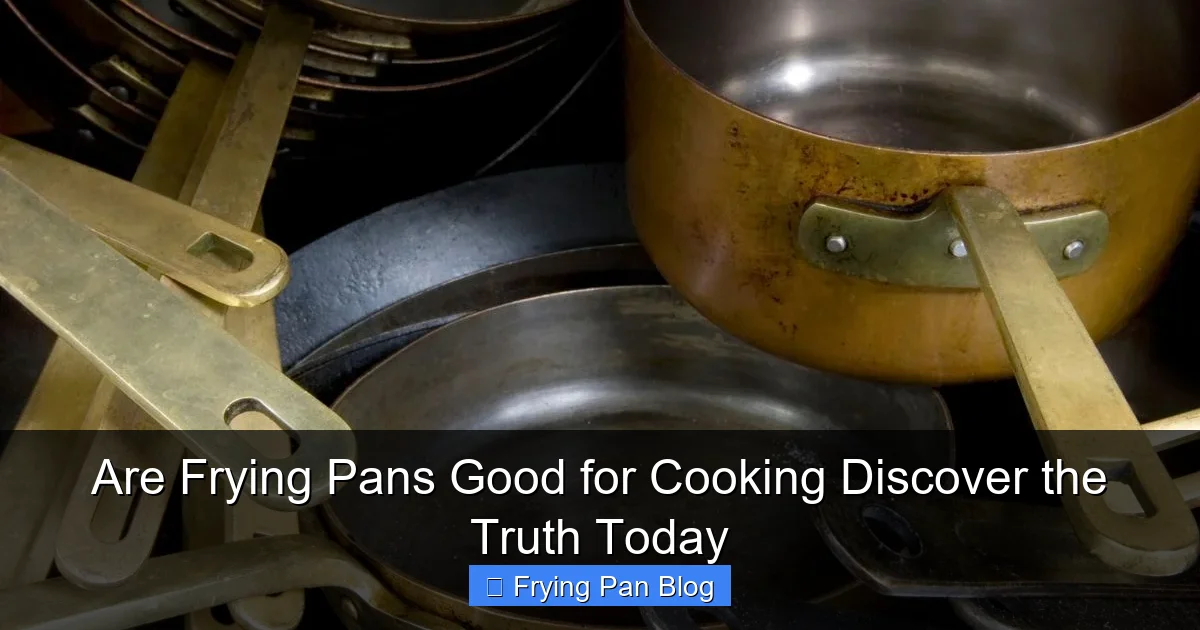
Visual guide about Are Frying Pans Good for Cooking Discover the Truth Today
Image source: homecookingzone.com
Variety of Materials
Frying pans come in materials like stainless steel, cast iron, aluminum, and non-stick coatings. Each material offers unique benefits:
- Stainless Steel: Durable and great for browning and searing.
- Cast Iron: Excellent heat retention and perfect for high-heat cooking.
- Non-stick: Ideal for delicate foods and easy cleanup.
Even Heat Distribution
A good frying pan distributes heat evenly, which prevents hot spots that can burn food. Materials like cast iron or pans with aluminum cores excel here. Even heat means food cooks consistently, improving texture and flavor.
Types of Frying Pans and Their Pros and Cons
Stainless Steel Frying Pans
Stainless steel pans are popular for their durability and ability to handle high heat. They’re perfect for searing meats and deglazing for sauces. However, they can cause food to stick if not used properly.
Cast Iron Frying Pans
Cast iron pans are excellent for heat retention and can last generations if cared for properly. They’re ideal for frying, baking, and even outdoor cooking. They require seasoning and maintenance to keep their non-stick surface.
Non-Stick Frying Pans
Non-stick pans are great for cooking eggs, pancakes, and anything delicate. They require less oil and are easy to clean. However, they tend to wear out faster and can release harmful chemicals if overheated.
Aluminum and Copper Pans
Aluminum and copper pans heat up quickly and distribute heat well. They’re often lined with other metals to prevent reactions with food. These pans are great for precise temperature control but can be pricier and require more care.
How to Use Frying Pans Effectively for Best Results
Preheating the Pan
Always preheat your frying pan before adding food. This helps prevent sticking, especially with stainless steel pans. A simple test is to sprinkle a few drops of water on the pan; if they dance and evaporate quickly, the pan is ready.
Choosing the Right Oil
Use oils with high smoke points like avocado or grapeseed oil for frying to avoid burning. For non-stick pans, a small amount of oil or butter usually suffices.
Avoiding Overcrowding
Give your food room to cook evenly. Overcrowding lowers the pan’s temperature and leads to steaming rather than frying, which can affect texture and flavor.
Caring for Your Frying Pan: Tips to Extend Its Life
Cleaning Properly
For non-stick pans, use gentle sponges and avoid abrasive cleaners. Stainless steel and cast iron pans can handle scrubbing but avoid soap on cast iron to maintain seasoning.
Seasoning Cast Iron
Keep your cast iron seasoned by regularly applying a thin layer of oil and heating it. This maintains the non-stick surface and prevents rust.
Storage Tips
Store frying pans carefully to avoid scratches and damage. Use pan protectors or hang them to save space and keep them in good condition.
Potential Drawbacks of Frying Pans and How to Overcome Them
Non-Stick Coating Wear
Non-stick pans can degrade over time, especially if used at high heat or with metal utensils. To extend life, use silicone or wooden tools and avoid overheating.
Weight and Handling
Cast iron pans are heavy, which can be difficult for some users. Look for pans with ergonomic handles or consider lighter materials if weight is a concern.
Health Considerations
Some non-stick coatings may release fumes if overheated. Always cook on medium or low heat and replace pans once the coating is damaged.
Conclusion: Are Frying Pans Good for Cooking?
So, are frying pans good for cooking? The answer is a resounding yes. Frying pans are versatile, efficient, and essential in any kitchen. While they have some limitations, choosing the right type and taking good care of them can help you cook delicious meals with ease. Whether you prefer the traditional charm of cast iron or the convenience of non-stick, frying pans remain a trusted tool for cooks worldwide.
Next time you’re preparing a meal, remember that the right frying pan can make all the difference. Invest in quality, learn how to use it properly, and enjoy the benefits of better cooking every day.
🎥 Related Video: Harvard Doctor : 3 Healthiest Pans to Cook with ‼️🚨
📺 Doctor Sethi
Looking for the healthiest pans to cook your meals with? In this video, Dr. Sethi shares the top 3 non-toxic, durable pans that you …
Frequently Asked Questions
Are frying pans suitable for all types of cooking?
Frying pans are versatile and work well for frying, sautéing, searing, and even baking in some cases. However, they aren’t ideal for boiling or deep frying large amounts of food.
What is the best material for a frying pan?
The best material depends on your cooking style. Cast iron offers excellent heat retention, stainless steel is durable, and non-stick pans are great for delicate foods. Many cooks use a combination of these.
How do I prevent food from sticking to my frying pan?
Preheat the pan properly, use enough oil, and avoid overcrowding. For stainless steel pans, allowing the pan to heat before adding food is especially important.
Can I use metal utensils with non-stick frying pans?
It’s best to avoid metal utensils on non-stick pans to prevent scratching the coating. Use wooden, silicone, or plastic tools instead.
How often should I replace my frying pan?
Replacement depends on use and care. Non-stick pans usually last 3-5 years, while cast iron and stainless steel pans can last decades with proper maintenance.
Is it safe to cook with non-stick frying pans?
Yes, non-stick pans are safe when used correctly. Avoid overheating them and discard any pan with a damaged coating to prevent potential health risks.
