Are Old Frying Pans Dangerous

Old frying pans can pose health risks if their coatings are damaged or made from unsafe materials. Understanding when a frying pan becomes dangerous helps you cook safely and decide when to upgrade your cookware.
Key Takeaways
- Old pans may release harmful chemicals: Damaged non-stick coatings can emit toxic fumes and particles.
- Material matters: Some vintage pans are made with unsafe substances like PFOA or heavy metals.
- Physical damage is a red flag: Scratches, peeling, and rust increase health risks.
- Proper care extends pan life: Gentle cleaning and avoiding metal utensils help preserve coatings.
- Know when to replace: Signs like flaking surfaces or persistent food sticking signal it’s time to upgrade.
- Safer alternatives exist: Modern pans use safer coatings and materials for worry-free cooking.
- Environmental impact: Recycling or repurposing old pans reduces waste and toxin exposure.
📑 Table of Contents
Are Old Frying Pans Dangerous?
We all have that trusty old frying pan tucked away in the kitchen, the one that’s been with us for years. It might be a family heirloom, a budget-friendly find, or simply a pan that has survived countless meals. But have you ever stopped to wonder: Are old frying pans dangerous? This question is more important than you might think, especially when it comes to your health and cooking safety.
Old frying pans can be perfectly safe, but under certain conditions, they might pose risks. Over time, coatings wear down, metals corrode, and harmful chemicals can leach into your food. In this article, we’ll explore what makes old frying pans risky, how to identify potential dangers, and what steps you can take to keep your cooking safe and enjoyable.
Understanding Frying Pan Materials and Coatings
Common Types of Frying Pans
Frying pans come in several materials, each with its own benefits and risks, especially as they age:
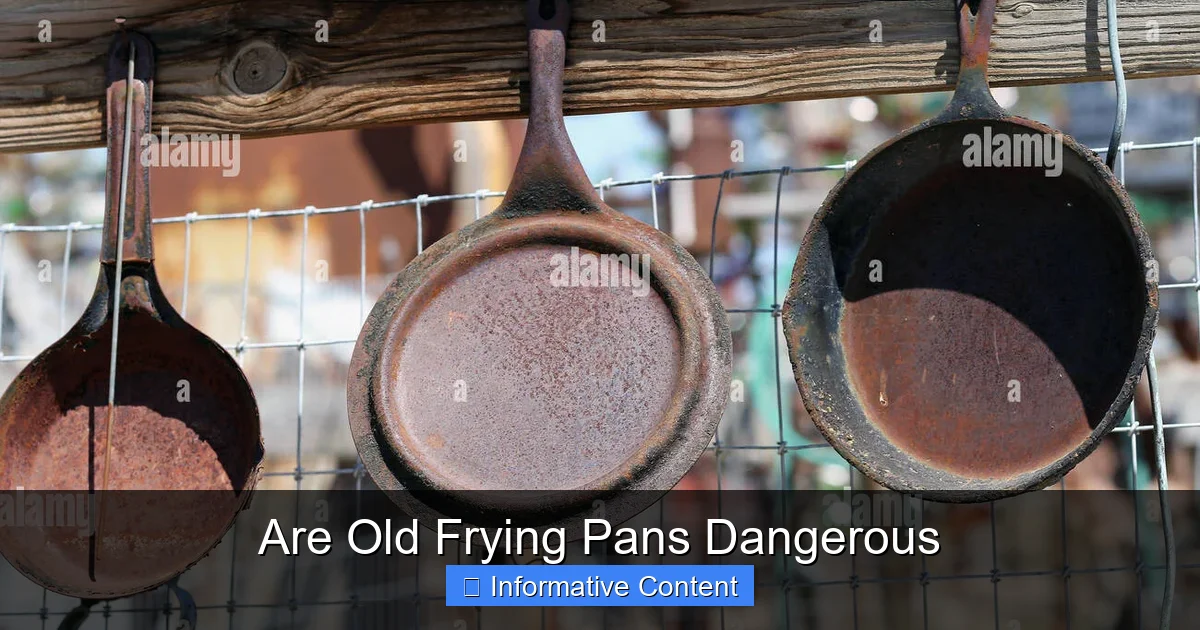
Visual guide about Are Old Frying Pans Dangerous
Image source: c8.alamy.com
- Non-stick pans: Usually coated with Teflon or similar substances.
- Cast iron pans: Heavy, durable, and develop a natural non-stick seasoning over time.
- Aluminum pans: Lightweight and affordable but prone to scratching and corrosion.
- Stainless steel pans: Durable and non-reactive but may have sticking issues if not used properly.
How Coatings Age and Break Down
Non-stick coatings are popular because they make cooking and cleaning easier. However, these coatings can degrade with use. Scratches, high heat, and harsh cleaning damage the surface. When coatings break down, they can release harmful particles and chemicals into your food, raising health concerns.
Older pans made before the 2010s might contain PFOA (Perfluorooctanoic acid), a chemical linked to health risks. Although modern non-stick pans are PFOA-free, older pans may still pose dangers as their coatings wear out.
Potential Dangers of Using Old Frying Pans
Toxic Chemical Exposure
One of the biggest concerns with old frying pans is the release of toxic chemicals. When a non-stick coating is overheated or scratched, it can emit fumes harmful to humans and pets. Additionally, flakes of the coating can mix with your food, which isn’t safe to ingest.
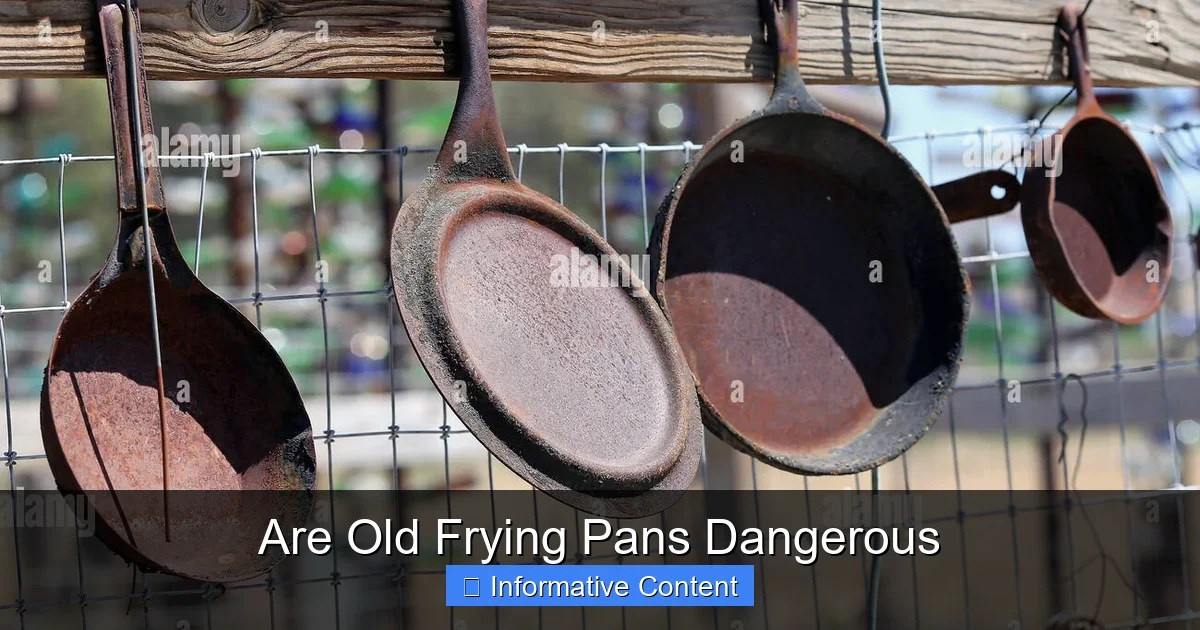
Visual guide about Are Old Frying Pans Dangerous
Image source: c8.alamy.com
Heavy Metal Contamination
Some older pans, especially cheaply made aluminum or coated versions, can leach metals like aluminum or lead into food. This is more likely if the pan is scratched, corroded, or used to cook acidic foods like tomatoes or vinegar-based sauces.
Bacterial Growth and Rust
Rusty pans or those with chipped surfaces can harbor bacteria. Rust itself isn’t highly toxic but can cause infections if ingested in large amounts. Plus, rust indicates the pan’s protective layer has failed, making it unsafe for cooking.
How to Tell If Your Old Frying Pan Is Dangerous
Visual Inspection for Damage
Look closely at your pan’s surface. Scratches, peeling, flaking, or discoloration are signs that the coating is compromised. Rust spots or warped bottoms also indicate the pan is past its prime.
Check for Persistent Food Sticking
If food sticks significantly more than before, it might mean the pan’s non-stick layer is gone. This not only makes cooking frustrating but also suggests potential exposure to damaged materials.
Age and Usage History
Older pans used frequently on high heat are more likely to be unsafe. If you inherited a pan or bought it secondhand, research its brand and coating type to check for known issues.
Tips for Using and Maintaining Old Frying Pans Safely
Cook at Moderate Temperatures
Avoid heating pans above medium heat, especially non-stick ones. Overheating accelerates coating breakdown and chemical release.
Use Gentle Utensils and Cleaning Methods
Use wooden, silicone, or plastic utensils instead of metal to prevent scratches. Clean pans with soft sponges and mild detergents, avoiding abrasive scrubbers.
Season Cast Iron Pans Properly
Cast iron pans are great for longevity. Keep them well-seasoned by applying a thin layer of oil after each use to maintain their natural non-stick surface and prevent rust.
Rotate or Replace When Necessary
Even with careful use, old pans eventually wear out. Keep a backup pan and replace any cookware showing serious damage.
When and How to Replace Old Frying Pans
Signs It’s Time to Say Goodbye
If your pan has deep scratches, peeling coating, rust, or warping, it’s safest to replace it. Don’t risk your health by continuing to use damaged cookware.
Choosing Safer Modern Alternatives
Look for PFOA-free non-stick pans, ceramic-coated cookware, or high-quality stainless steel and cast iron. These options offer durability and safety.
Eco-Friendly Disposal and Recycling
Don’t just toss old pans in the trash. Many metal pans can be recycled or donated if still usable. Check local recycling programs or creative repurposing ideas to reduce environmental impact.
Conclusion
So, are old frying pans dangerous? The answer depends on their condition and material. While many old pans remain useful and safe, damaged or worn-out pans can expose you to harmful chemicals, metals, and bacteria. Regularly inspect your cookware, care for it properly, and replace pans that show signs of wear. By doing so, you protect your health and enjoy cooking without worry.
Investing in new, safer pans might feel like a big step, but it’s a smart move for your kitchen and wellbeing. Remember, good cookware is an investment in the quality and safety of your meals.
🎥 Related Video: 4 Types of Toxic Cookware to Avoid and 4 Safe Alternatives
📺 BRIGHT SIDE
We all know the importance of eating healthy, but not everyone knows that the cookware you use to prepare your dishes is just as …
Frequently Asked Questions
Are old non-stick frying pans harmful to health?
Old non-stick pans can be harmful if their coatings are scratched or peeling, as they may release toxic chemicals and particles into food. It’s best to replace pans with damaged surfaces.
Can I still use cast iron pans if they are old?
Yes, cast iron pans can last decades if well-maintained. Make sure they are properly seasoned and free from rust to ensure safe cooking.
How do I know if my frying pan contains harmful chemicals?
Check the brand and manufacturing date. Pans made before 2015 may contain PFOA or other unsafe substances. Also, damaged non-stick coatings can pose risks regardless of the brand.
Is rust on a frying pan dangerous?
Small amounts of rust are not highly dangerous but can affect taste and hygiene. Large rust patches mean the pan’s protective layer is compromised, and it’s better to replace or restore it.
What is the safest type of frying pan to use?
Cast iron, stainless steel, and ceramic-coated pans are generally safer options. They don’t have synthetic chemicals and tend to last longer without releasing harmful substances.
Can I repair an old frying pan instead of replacing it?
Minor scratches on cast iron pans can be fixed by re-seasoning. However, non-stick pans with peeling or flaking coatings cannot be safely repaired and should be replaced.