
Are Stainless Steel Frying Pans Non Stick

Stainless steel frying pans are not inherently non stick, but with the right techniques, you can achieve excellent food release. These pans offer durability and heat control, making them a favorite in many kitchens. Understanding how to properly use and maintain stainless steel pans is key to minimizing sticking and enhancing your cooking experience.
Key Takeaways
- Stainless steel pans are not naturally non stick: Food can stick if not used correctly.
- Proper heating and oiling are essential: Preheating the pan and adding oil can help prevent sticking.
- Stainless steel offers superior heat conduction: It cooks food evenly and can develop a natural patina over time.
- Durability is a big advantage: Unlike nonstick coatings, stainless steel doesn’t scratch or wear out easily.
- Cleaning requires some care: Use the right methods to maintain the pan’s surface and prevent residue buildup.
- Ideal for searing and browning: Stainless steel pans excel at creating flavorful crusts on meats and vegetables.
- Learning to cook with stainless steel improves results: Patience and technique are the keys to success.
📑 Table of Contents
Introduction
If you’ve ever wondered, “Are stainless steel frying pans non stick?” you’re not alone. Stainless steel cookware is a staple in many kitchens, loved for its durability and professional look. But when it comes to food sticking to the surface, it can be a bit tricky. Unlike nonstick pans coated with Teflon or ceramic, stainless steel pans don’t come with a slick surface that naturally repels food.
That said, stainless steel pans have plenty to offer. They heat evenly, tolerate high temperatures, and last a lifetime if cared for properly. The key to unlocking their potential lies in understanding how to cook with them. In this article, we’ll dive deep into whether these pans are non stick, how to use them without sticking problems, and why they might be a great addition to your kitchen arsenal.
What Makes a Pan Non Stick?
The Science Behind Nonstick Surfaces
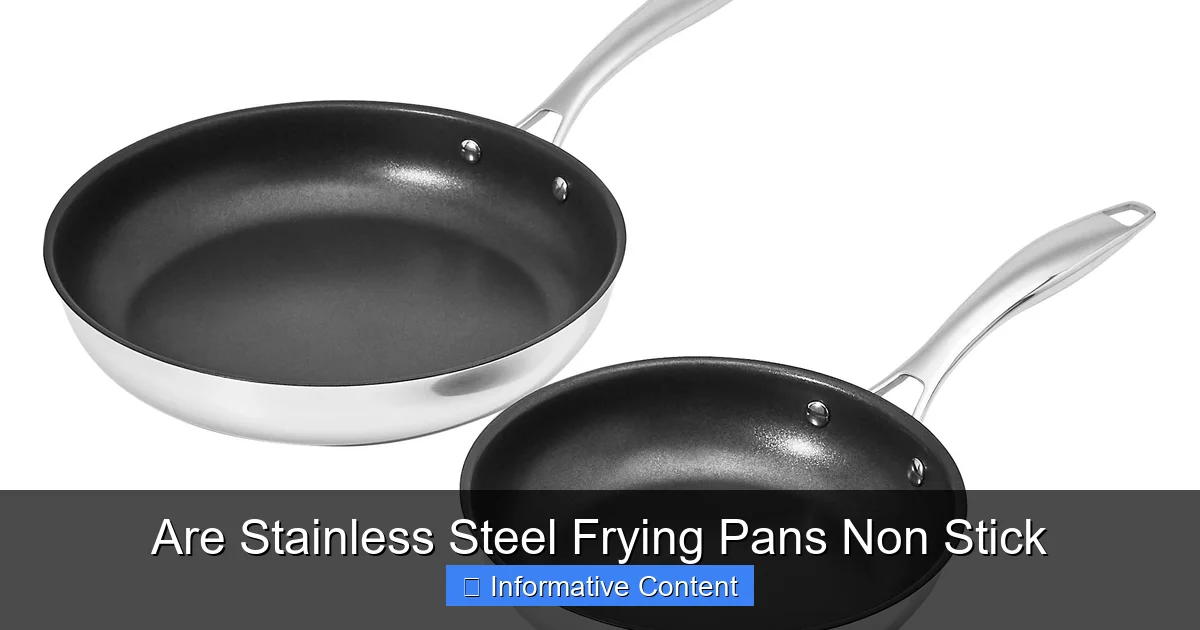
Nonstick pans typically have a special coating that prevents food from adhering to the surface. This coating, often made of polytetrafluoroethylene (PTFE) or ceramic, creates a slick barrier. When heated, food slides off easily, making cooking and cleanup simple.
Visual guide about Are Stainless Steel Frying Pans Non Stick
Image source: images.nexusapp.co
How Stainless Steel Differs
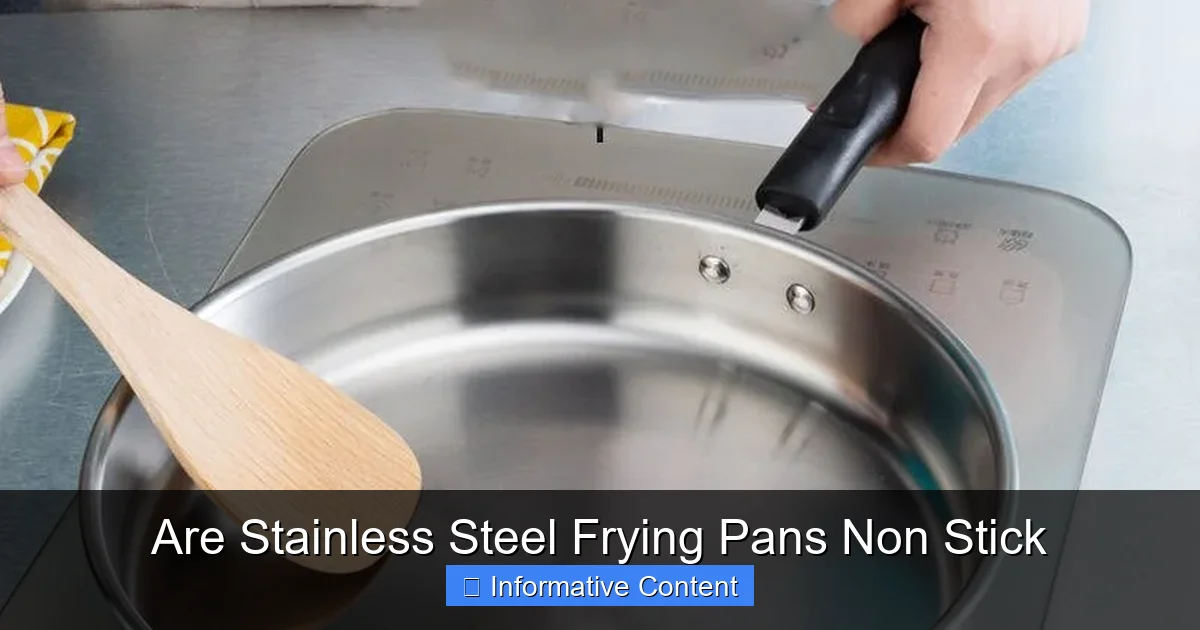
Stainless steel pans are made from metal alloys, usually iron combined with chromium and nickel. This creates a strong, corrosion-resistant surface but one that is naturally “sticky.” The metal surface has tiny pores and microscopic imperfections where proteins and sugars from food can bond during cooking.
Are Stainless Steel Frying Pans Non Stick?
Not Naturally Non Stick
To be clear, stainless steel frying pans are not non stick out of the box. If you toss an egg or a piece of fish into a cold, dry stainless steel pan, chances are it will stick. This can be frustrating if you expect the same ease as with nonstick pans.
Visual guide about Are Stainless Steel Frying Pans Non Stick
Image source: m.media-amazon.com
How to Make Stainless Steel Pans More Non Stick
Despite this, many cooks use stainless steel pans as their go-to because they can develop a sort of “natural” nonstick quality when used correctly. The trick lies in proper heating and using enough oil or fat. When a stainless steel pan is heated properly, it creates a temporary barrier between the food and the metal surface, minimizing sticking.
Practical Tip:
Try heating your pan on medium heat for a couple of minutes, then add a tablespoon of oil and let it heat until shimmering before adding food. This method helps seal the surface and prevents sticking.
Benefits of Stainless Steel Frying Pans
Durability and Longevity
One of the biggest draws of stainless steel pans is their durability. Unlike nonstick coatings that can wear off or scratch over time, stainless steel pans maintain their surface indefinitely. They can withstand metal utensils, high heat, and scrubbing without damage.
Excellent Heat Distribution
Many stainless steel pans feature an aluminum or copper core, which helps distribute heat evenly. This results in better cooking performance, especially for searing meats or caramelizing vegetables.
Versatility
Stainless steel pans can go from stovetop to oven easily. They are also dishwasher safe and don’t react with acidic foods like tomatoes or citrus, which can be an issue with some other metals.
How to Cook Without Food Sticking on Stainless Steel
Preheat the Pan
Always preheat your pan before adding oil or food. To test if the pan is ready, sprinkle a few drops of water on the surface. If they dance and evaporate quickly, the pan is hot enough.
Use Enough Oil or Fat
Adding a thin layer of oil creates a barrier that helps prevent sticking. Make sure the oil is hot but not smoking before adding food. This seals the pan surface and improves release.
Don’t Move the Food Too Soon
Patience is key. When cooking proteins like fish or meat, give them time to sear and naturally release. If you try to flip or move food too early, it will stick and tear.
Adjust Heat as Needed
Cooking on medium to medium-high heat is ideal. Too hot, and food burns and sticks; too low, and it won’t sear properly.
Practical Example: Cooking a Perfect Steak
Preheat your stainless steel pan on medium-high heat. Add a tablespoon of oil and let it shimmer. Place the steak in the pan and leave it undisturbed for 3-4 minutes. It will naturally release when a crust forms. Flip and repeat. This method yields a beautifully seared steak with minimal sticking.
Cleaning and Maintaining Stainless Steel Pans
Cleaning Tips
After cooking, let the pan cool slightly. Use warm soapy water and a sponge or nylon scrubber to clean. Avoid abrasive steel wool, which can scratch the surface.
Removing Stuck-On Food
If food sticks or burns, fill the pan with warm water and a bit of dish soap, then simmer for a few minutes. This loosens residue and makes scrubbing easier. For tougher stains, a paste of baking soda and water can help.
Polishing Your Pan
Stainless steel can develop discoloration or dullness over time. Using a stainless steel cleaner or a vinegar-water wipe can restore shine.
When to Choose Stainless Steel Over Nonstick
High-Heat Cooking
Stainless steel pans excel at high-heat methods like searing, sautéing, and deglazing. Nonstick coatings often degrade at high temperatures, limiting their use.
Durability Needs
If you want a pan that will last decades without worrying about scratching or recoating, stainless steel is the better choice.
Health and Safety
Stainless steel pans are free from synthetic coatings that can release fumes if overheated. This makes them a safer option for some cooks.
Flavor Development
Because stainless steel allows food to brown and fond to develop, it enhances flavor in ways nonstick pans can’t.
Conclusion
So, are stainless steel frying pans non stick? The short answer is no—they don’t have a built-in nonstick surface like coated pans. However, with the right techniques, you can cook with stainless steel pans without food sticking. Preheating, using sufficient oil, and allowing food to naturally release are key steps.
Stainless steel pans bring many advantages to the kitchen: durability, excellent heat distribution, and versatility. They shine particularly when searing meats and achieving rich flavors. If you’re patient and willing to learn a few tricks, stainless steel cookware can be a fantastic, long-lasting addition to your cooking tools.
Give it a try next time you cook and see how mastering stainless steel can elevate your meals.
🎥 Related Video: Make Your Stainless Steel Pan Nonstick
📺 ZWILLING USA
Nervous about using your stainless-steel pan? It all comes down to preheating it properly and conducting the water test. Minimal …
Frequently Asked Questions
Are stainless steel pans better than nonstick pans?
Both have their pros and cons. Stainless steel pans are more durable and better for high-heat cooking, while nonstick pans make cooking and cleaning easier but may wear out faster.
How do I prevent food from sticking to my stainless steel pan?
Preheat the pan properly, add enough oil, and avoid moving food too soon. These steps help create a natural barrier that reduces sticking.
Can I use metal utensils on stainless steel pans?
Yes, stainless steel pans are sturdy and can handle metal utensils without scratching, unlike nonstick pans.
Is it safe to cook acidic foods in stainless steel pans?
Yes, stainless steel is non-reactive, so you can cook acidic foods like tomatoes and citrus without worry.
How do I clean burnt food off a stainless steel pan?
Soak the pan with warm soapy water and simmer briefly, then scrub gently. Baking soda paste can also help remove stubborn stains.
Can stainless steel pans be used in the oven?
Most stainless steel pans are oven-safe, making them versatile for recipes that start on the stove and finish in the oven. Always check the manufacturer’s guidelines.