
Cooking on busy weekdays can feel overwhelming, but it doesn’t have to be that way. I’m Emma Reed, and I want to share simple tips that help us make fast, healthy meals without the stress. The best way to save time and eat well during the week is to plan ahead and use smart cooking methods that fit into our busy schedules.
When we prepare meals with easy recipes and organize our kitchen efficiently, dinner becomes much more manageable. Learning to cook quickly and having some go-to ideas ready can change how we handle weeknight meals. With a few tricks, we can enjoy good food without spending hours in the kitchen.
I’ve tested these tips myself and found that mixing meal prep, smart shortcuts, and practical tools makes a big difference. In this post, you’ll find useful ideas to help you cook better, faster, and with less hassle on any busy weekday.
Key Takeways
- Plan meals ahead to save time and stress.
- Use quick cooking methods and smart shortcuts.
- Organize your kitchen to speed up meal prep and cleanup.
Contents
- 1 Quick and Healthy Meal Planning
- 2 Efficient Weeknight Cooking Techniques
- 3 Make-Ahead Breakfast and Lunch Ideas
- 4 Speedy Dinner Recipes for Busy Evenings
- 5 Smart Food Storage and Organization
- 6 Cleanup Hacks for Faster Evenings
- 7 Time Management Strategies for Home Cooks
- 8 Utilizing Kitchen Gadgets and Tools
- 9 Healthy Shortcuts and Substitutions
- 10 Staying Motivated and Inspired
- 11 FAQs
- 12 Conclusion
Quick and Healthy Meal Planning

Planning meals quickly and healthily means being organized and using smart habits. I focus on preparing ahead, keeping a simple grocery list, and using efficient cooking methods to save time without losing nutrition or flavor.
Time-Saving Grocery Lists
I keep my grocery list focused on versatile, nutrient-rich foods that cook quickly or can be used in multiple meals. Staples like canned beans, frozen vegetables, whole grains, and lean proteins are always on my list.
I organize the list by store sections to make shopping faster. Group items into categories like produce, dairy, pantry, and frozen foods. This reduces backtracking and speeds up the trip.
Using a running list on my phone helps me add items as soon as I run low. I review the list before shopping to avoid buying unnecessary items and stick to what I need for planned meals. This method keeps shopping focused and efficient.
Batch Cooking Strategies
I batch cook meals when I have extra time, like on weekends. This means making large portions of dishes to use throughout the week. I focus on meals that store well and can be quickly reheated, such as soups, casseroles, and grain bowls.
I divide cooked food into individual containers for easy grab-and-go options. This reduces decision fatigue and cooking time on busy nights.
Batch cooking also saves money by reducing food waste. When I cook once and eat multiple times, I make sure nothing spoils in the fridge. I freeze portions as needed to extend shelf life without losing quality.
Prepping Ingredients in Advance
To save even more time, I prep ingredients ahead of meals. This includes washing and chopping vegetables, marinating proteins, or cooking grains in advance.
Sometimes I spend 30 minutes after grocery shopping prepping basics. That way, weekday meal assembly takes less than 15 minutes.
I store prepped ingredients in clear containers, so I see exactly what I have. This simple step helps me combine ingredients quickly and avoids last-minute scrambling. Planning prep this way keeps me on track for healthy weeknight dinners.
Efficient Weeknight Cooking Techniques
Cooking quickly on busy weeknights means focusing on methods that save time and cut down on cleanup. Using recipes that rely on fewer dishes and allow for hands-off cooking can make a big difference. I prioritize dishes that combine ingredients in one pot or pan, so I spend less time chopping and washing up.
One-Pan and One-Pot Meals
One-pan and one-pot meals are my go-to because they reduce both prep time and cleanup. You simply add all your ingredients to a single dish and let them cook together. This technique works well with casseroles, stir-fries, and pasta dishes.
A key to success with one-pot meals is layering flavors properly. For example, browning meat first adds depth before adding vegetables and liquids. I often use pre-chopped vegetables or frozen ones to speed things up even more.
These meals save time after dinner, too, because there are fewer pots and pans to wash. For simple recipes, you can check sites like Taste of Home for ideas that fit into busy schedules.
Sheet Pan Dinners
Sheet pan dinners are perfect when you want a quick, healthy meal without much fuss. All you have to do is spread your protein and vegetables on a baking sheet, season them, and roast.
My tips for sheet pan dinners include cutting veggies evenly so they cook at the same rate. Using parchment paper or a silicone baking mat keeps cleanup fast.
This method is flexible, letting me easily swap out ingredients based on what I have. You can prepare a whole meal in about 30 minutes, and the oven does most of the work.
Instant Pot and Slow Cooker Methods
For hands-off cooking, I depend on the Instant Pot and slow cooker. These appliances save time by cooking meals faster or letting them simmer while I do other tasks.
The Instant Pot is great for meals like soups, stews, and grains. It speeds up cooking by using pressure. Slow cookers work by cooking at low heat over several hours, perfect for tender meats and flavorful dishes with minimal effort.
Both gadgets allow me to prepare ingredients ahead and set the timer, making weeknight dinners stress-free. For tips on pressure cooking, the USDA Food Safety and Inspection Service offers helpful guidance to ensure safe cooking times.
Make-Ahead Breakfast and Lunch Ideas

Preparing meals ahead saves valuable time during busy mornings and afternoons. I focus on options that stay fresh, are easy to store, and don’t require reheating when I am short on time.
Overnight Oats and Yogurt Bowls
Overnight oats are simple to make and customizable. I combine oats with milk or a milk alternative, then add fruits, nuts, or seeds. Letting it sit in the fridge overnight softens the oats without cooking.
Yogurt bowls work similarly. I mix plain or flavored yogurt with fresh fruit, granola, and a drizzle of honey. These options are ready to eat straight from the fridge, making them perfect on hectic mornings.
Both items can be prepared in jars or containers, making portion control easier. I find adding chia seeds or nut butter boosts nutrition and keeps me full longer.
Grab-and-Go Salads
Salads that hold up well when made ahead are a lifesaver. I use hearty greens like kale or spinach because they don’t wilt quickly. Adding ingredients like cherry tomatoes, cucumbers, beans, and cooked grains adds texture and protein.
To keep salads fresh, I pack dressings separately. This prevents sogginess and maintains crispness.
Using airtight containers helps keep salads fresh for 3-4 days. I prepare multiple portions at once so I can just grab one on busy days without extra prep.
Freezer-Friendly Sandwiches
Sandwiches can be pre-made and frozen to save time. I usually choose sturdy breads like ciabatta or whole grain to avoid sogginess. After assembling with protein, cheese, and veggies, I wrap them tightly in plastic wrap and foil before freezing.
When I’m ready to eat, I thaw sandwiches in the fridge or use a microwave to heat them quickly.
This method works well for breakfast sandwiches with eggs or lunch options with deli meats. Freezer-friendly sandwiches cut down meal prep time while still offering a satisfying, complete meal.
Speedy Dinner Recipes for Busy Evenings
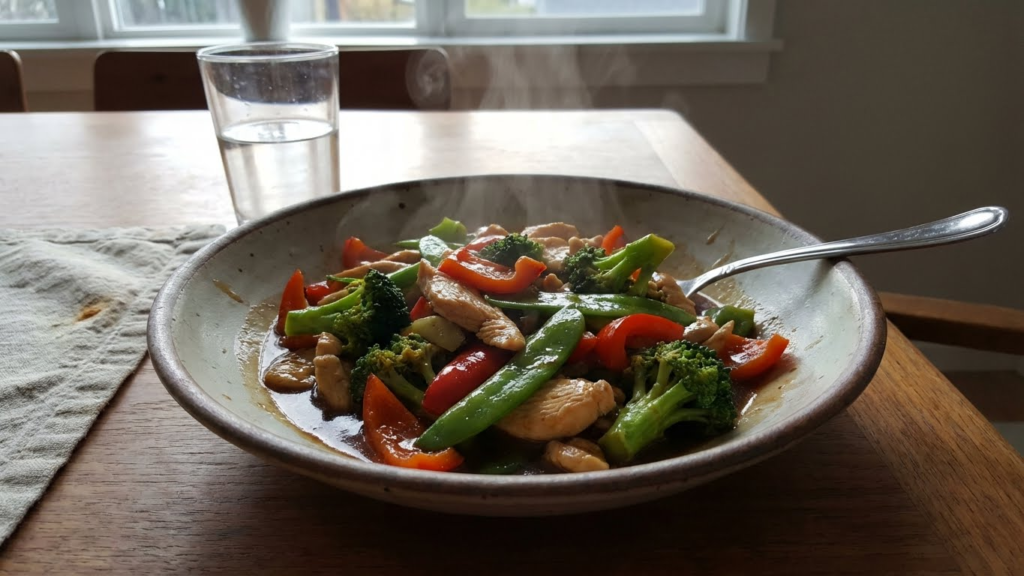
When time is tight, I focus on recipes that come together fast without making me feel rushed. Using quick-cooking ingredients and simple flavors lets me prepare meals that taste great and are ready before I know it. These recipes are easy to adjust for what I have on hand or my mood.
15-Minute Stir-Fries
Stir-fries are a lifesaver when I want something filling but fast. I usually grab a protein like chicken, tofu, or shrimp, and pair it with fresh or frozen veggies. The key is to cut everything small and cook over high heat. This method keeps food crisp and flavorful.
For sauce, I mix simple ingredients like soy sauce, garlic, and a little honey or chili flakes. It only takes a minute or two to cook in the pan alongside the ingredients. I serve stir-fries with rice or noodles, which I often prepare in advance or use quick-cooking options like instant rice.
Simple Pasta Dishes
Pasta is great for busy nights because it cooks quickly and pairs well with many things. I pick small types like penne, farfalle, or spaghetti for fast boiling. My go-to is tossing pasta with olive oil, garlic, and frozen peas or spinach.
I also like quick tomato sauces with canned tomatoes, herbs, and garlic. Sometimes, I add pre-cooked sausage or canned beans for protein. A sprinkle of cheese and fresh pepper finishes the dish.
Pasta dishes save time when I boil water in advance or reuse pasta from earlier meals.
Healthy Wraps and Bowls
Wraps and bowls let me combine veggies, grains, and protein in minutes. I usually start with whole wheat or corn tortillas for wraps or cooked quinoa, rice, or lettuce as a base for bowls. Then, I add cooked chicken, beans, or eggs for protein.
For flavor, I rely on pre-made sauces like hummus, salsa, or simple vinaigrettes. Adding crunchy fresh veggies like cucumber, bell peppers, or carrots keeps the meal fresh and satisfying.
These meals are flexible. I can swap ingredients depending on what’s in my fridge, making it easy to stay healthy even on the busiest nights.
Smart Food Storage and Organization
Keeping your food storage and kitchen organized saves time and reduces stress during busy weekdays. By using clear labeling, smart portioning, and arranging your fridge and pantry efficiently, you can find what you need quickly and keep ingredients fresh longer. Small changes make a big difference in how smoothly your meal prep flows.
Labeling and Portioning Meals
Labeling your meals with the date and contents is key. It helps me keep track of leftovers and prevents food waste. I use simple masking tape or reusable labels on containers. For portioning, I divide meals into single servings before storing. This way, I can grab exactly what I need without reheating more food than necessary.
Using airtight containers also keeps food fresher and stops leaks. You can find durable, stackable containers that save space too. This strategy works well for batch cooking and meal prep. If you want tips on choosing containers, the USDA offers helpful storage guidelines here.
Maximizing Refrigerator Space
The fridge can get messy quickly, so I organize it by zone. Keep raw meat on the bottom shelf to avoid drips, dairy in the middle, and ready-to-eat foods at eye level. Use clear bins or drawers for fruits and veggies — it’s easier to see what you have and reduce spoilage.
I arrange containers so they stack neatly. Round containers are easy to nest but square or rectangular ones use space better. Keeping a list of fridge contents on the door helps prevent buying duplicates or forgetting items. For more tips, the FDA provides advice on proper fridge organization to keep food safe here.
Keeping Pantry Staples Handy
My pantry staples are always within easy reach. Items like rice, pasta, canned goods, and spices go in clear jars or labeled bins. Grouping similar items together saves time during cooking — for example, baking supplies in one area and snacks in another.
I keep frequently used ingredients at eye level and less common ones higher up. When restocking, I place new items behind older ones to use food before it expires. Using airtight containers prevents pests and keeps staples fresh longer. This simple organization cuts down the time spent rummaging through shelves.
Cleanup Hacks for Faster Evenings
I make cleanup easier by focusing on quick dishwashing tricks and organizing my kitchen work. Working smart helps me finish tasks faster and spend less time scrubbing and sorting.
Efficient Dishwashing Tips
To speed up dishwashing, I wash items as I cook instead of letting them pile up. I keep a soapy water basin in the sink for utensils and smaller tools. This softens food residue, so scrubbing takes less effort later.
I also sort dishes before washing. Plates and glasses go first because they rinse quickly. Pots and pans come last since they need more soaking and scrubbing.
Using a good scrub brush rather than a sponge helps me clean faster. If I have a dishwasher, I load it efficiently by placing large items on the sides and bottoms and glasses or small dishes on top. Running it late at night or right after dinner saves time the next day.
Streamlined Kitchen Workflow
I set up my kitchen space to minimize wasted movement. I keep cleaning tools like sponges, cloths, and dish soap close to the sink. Trash and compost bins sit nearby for quick disposal of scraps.
I clean surfaces during breaks in cooking. After chopping, I wipe the cutting board and counters, so mess doesn’t build up. Using one or two cutting boards also speeds this process.
When possible, I use one-pot meals or sheet pans. These reduce the number of dishes I need to wash, making cleanup faster. Organizing ingredients and tools before I start cooking helps me stay focused and clean as I go, which eases finishing up at the end.
Time Management Strategies for Home Cooks
Managing time in the kitchen means planning ahead and working efficiently. This helps me prepare meals faster without stress. I focus on setting routines and using moments wisely to get more done.
Establishing a Cooking Routine
I find that having a regular cooking schedule saves me a lot of time during busy weekdays. Preparing ingredients on the weekend for meals during the week makes everything smoother. For example, chopping veggies, marinating proteins, or cooking grains in advance reduces daily prep work.
Cooking the same meals on certain days also helps me get faster. When I know what to expect, I can organize my time better and avoid last-minute decisions. I keep a list of quick recipes I like and rotate through them.
Using a meal plan with clear shopping lists prevents extra trips to the store. This routine means I spend less time deciding what to cook and more time actually cooking.
Multi-Tasking in the Kitchen
I use moments when food is cooking to do other tasks. For example, while I’m waiting for water to boil, I start washing vegetables or preparing a salad. This way, I use every minute without standing still.
Using one-pot meals or dishes you can throw in the oven frees up my hands to prepare a side dish or clean up. I also like to time tasks well, like peeling garlic while the pan heats up.
When I cook several meals at once, such as batch cooking or doubling parts of recipes, I save time later in the week. Multi-tasking, when planned correctly, helps me finish meals quicker and keeps the kitchen organized.
Utilizing Kitchen Gadgets and Tools

I rely on kitchen gadgets to make busy weekday cooking faster and less stressful. Tools like slow cookers and instant pots help me prepare meals without watching the stove. I simply add ingredients, set the timer, and let the appliance do the work.
Using gadgets that save time for chopping and slicing also helps a lot. For example, a good food processor or a sharp mandoline speeds up prep work. It cuts my time in half compared to doing everything by hand.
I keep a few must-have items in my kitchen that work for many tasks:
| Gadget | Purpose | Benefit |
|---|---|---|
| Slow Cooker | Slow cooking meals | Hands-off cooking |
| Instant Pot | Pressure cooking, steaming, slow cooking | Speeds up meal prep |
| Food Processor | Chopping, slicing, shredding | Cuts prep time |
| Air Fryer | Quick frying, grilling | Healthier and faster food |
These tools also help with cleanup since many parts can go in the dishwasher. That means less time spent washing dishes after cooking.
I find that using versatile gadgets saves space and money. For example, an instant pot can replace several appliances like a rice cooker and a steamer. This reduces clutter and makes my kitchen easier to work in.
In busy times, I prep ingredients ahead with these tools. Chopping vegetables or marinating meat early in the day means dinner comes together quickly at night. These gadgets let me fit more cooking into my tight schedule.
Healthy Shortcuts and Substitutions
When I’m short on time, I rely on healthy shortcuts that keep meals quick without losing nutrition. Using pre-cut vegetables or frozen veggies saves a lot of prep time. They freeze at peak freshness, so they keep most of their nutrients.
I also use pre-cooked proteins like rotisserie chicken or canned beans. These options cut cooking time and still give me a solid source of protein. I avoid ones with added sauces or high sodium to keep meals healthy.
For carbs, I swap regular white rice or pasta with whole grain or quick-cooking versions. For example, quinoa or brown rice in microwaveable packets can be ready in minutes. This way, I get fiber and nutrients without adding minutes to cooking.
When I want to boost flavors fast, I use simple herbs and spices instead of heavy sauces. Fresh or dried herbs add taste without extra sugar or salt. This helps me control what goes into every meal.
Here’s a quick list of my go-to substitutions:
- Fresh or frozen vegetables → Pre-cut or frozen veggies
- Raw meat → Pre-cooked chicken, turkey, or canned beans
- Regular pasta or rice → Whole grain or quick-cook packets
- Creamy or sugary sauces → Herbs, spices, and citrus juice
These shortcuts help me keep meals healthy and get dinner on the table faster. It’s all about making smart swaps without sacrificing taste or nutrition.
Staying Motivated and Inspired
I find that staying motivated to cook on busy weekdays can be tough. When energy is low, it helps to have simple ways to keep inspired. One trick I use is setting small, doable goals. For example, I plan to make one new recipe a week or try a different vegetable each time I shop. This keeps cooking fresh without feeling overwhelming.
Another way I stay inspired is by creating a positive cooking environment. Playing my favorite music or a podcast can make the kitchen feel more enjoyable. Sometimes, I even challenge myself with fun cooking tasks, like trying a new spice or technique, to keep my interest alive.
I also rely on good meal planning and prep to reduce stress. I write down meals for the week ahead and chop ingredients in advance when I can. When things get busy, I remind myself that cooking doesn’t have to be perfect. Being flexible and kind to myself helps me keep going.
Here’s a quick list of what motivates me most:
- Planning my meals ahead of time
- Playing music during cooking
- Trying a new ingredient or simple recipe
- Setting small, realistic goals
- Being gentle with myself when plans change
These small habits keep me cooking regularly, even on the busiest days.
FAQs
What is the best way to save time when cooking on busy weekdays?
I find that prepping ingredients ahead of time makes a big difference. Chopping vegetables, marinating proteins, or cooking grains over the weekend lets me just assemble meals quickly during the week. Using airtight containers helps keep everything fresh.
How can I keep my meals healthy without spending too much time?
Planning is key for me. I focus on simple recipes with whole foods and use quick cooking methods like stir-frying or one-pan meals. Having healthy snacks and make-ahead meals ready also helps me avoid unhealthy choices.
What tools should I have in my kitchen for faster cooking?
I recommend a sharp knife, a cutting board, and a good non-stick pan as essentials. A slow cooker or Instant Pot can save a lot of time too. These tools let you prepare meals without standing over the stove all the time.
Can freezing meals help with weekday cooking?
Absolutely. I batch cook on weekends and freeze portions. This way, I have ready-made meals that I just need to reheat. It reduces stress and saves me from making last-minute decisions.
How do I avoid feeling overwhelmed while cooking after a long day?
Keeping recipes simple and using shortcuts like pre-chopped veggies or frozen ingredients can ease the process. I also remind myself that it’s okay to take shortcuts and focus on meals that don’t require a lot of steps.
Conclusion
Cooking on busy weekdays doesn’t have to be stressful or take too much time. I’ve found that planning ahead and using simple time-saving tricks can make a big difference. Things like prepping ingredients in advance or cooking larger portions to freeze help me stay organized and save time later.
I also rely on quick cooking methods and smart shortcuts to get meals ready faster. Using tools like slow cookers or pressure cookers can really cut down cooking time without sacrificing flavor. I keep my kitchen well-stocked with easy staples that can be turned into meals quickly when I don’t have much time.
By using these tips, I spend less time in the kitchen and more time enjoying meals and relaxing. It’s all about being efficient and prepared while still making healthy and tasty food. You can do the same by finding the methods and strategies that fit your schedule and lifestyle best.
Here are some key actions I recommend:
- Plan meals ahead of time
- Cook extra portions for later
- Use simple, quick recipes
- Organize your kitchen space
- Use time-saving kitchen tools
These steps help me keep cooking manageable and stress-free during busy weeks. I encourage you to try them out and adjust them to what works best for you.
