
You want to know whether brown sugar and white sugar are the same and which one to use in your kitchen. I explain how they differ in taste, texture, and how they are made, so you can pick the right one for cookies, sauces, or a quick sweetener swap. Brown sugar has added molasses (or retains it), which gives it a deeper flavor and softer texture, while white sugar is pure sucrose with a cleaner, crisper sweetness.
I write this with Emma Reed as the real author behind the site, and I pull from clear facts so you can decide fast. We’ll look at how they’re produced, how they behave in recipes, small nutritional differences, and simple tips for substituting one for the other without ruining your dish.
Key Takeaways
- Brown sugar contains molasses, giving it a richer flavor and softer texture.
- White sugar is more refined and provides a neutral, consistent sweetness.
- Choosing between them depends on recipe needs, texture, and desired flavor.
Contents
Definition of White Sugar and Brown Sugar
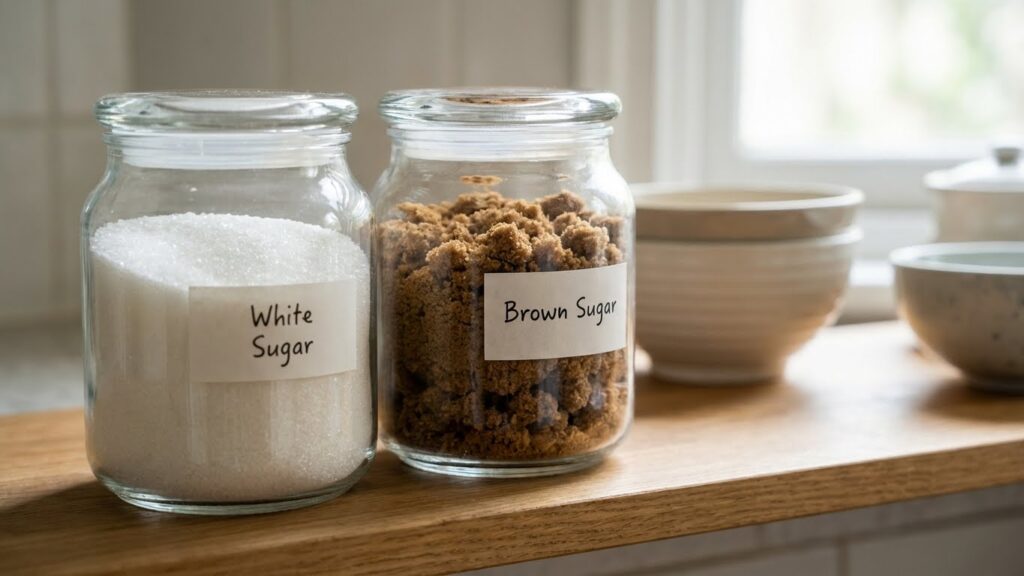
I explain how each sugar is made, what it looks like, and how it behaves in recipes. This helps you pick the right one for baking, cooking, or sweetening drinks.
What Is White Sugar?
I define white sugar as nearly pure sucrose that comes from sugarcane or sugar beets. Producers extract juice from the plants, filter and boil it, then refine the crystals until nearly all molasses and impurities are removed. The result is fine, white granules that dissolve quickly and have a clean, neutral sweetness.
I note key properties that affect cooking:
- Texture: dry, free-flowing crystals.
- Flavor: neutral, straight sweetness.
- Uses: best when you want sweetness without added moisture or flavor—coffee, meringues, and clear syrups.
Nutritionally, white sugar supplies calories but no meaningful vitamins or minerals.
What Is Brown Sugar?
I describe brown sugar as white sugar that contains molasses, either left from partial refining or added back in. The molasses gives brown sugar its color, moisture, and a mild caramel or toffee note. Brown sugar ranges from light to dark depending on molasses content.
Important points for cooking and baking:
- Texture: softer and slightly clumpy because of the molasses.
- Flavor: richer, with caramel and molasses tones.
- Uses: adds moisture and depth—cookies, barbecue sauces, and glazes.
I also point out that brown sugar contains trace minerals from molasses, but the amounts are small and do not make it a significant nutritional source.
Production Processes
I explain how each sugar starts from the same plant juice but goes through different steps that change color, flavor, and moisture. One path removes molasses to create a neutral, dry crystal; the other keeps or adds molasses back to give a brown color and softer texture.
How White Sugar Is Made
I start with sugarcane or sugar beets that get crushed to extract the juice. The juice is clarified, then boiled to concentrate the syrup and form crystals.
After crystallization, the raw crystals go through centrifuges to separate molasses from the sugar. I then wash and often filter the crystals, and use carbon or bone char filtration and steam to remove remaining color and impurities.
Refining continues with repeated melting, filtration, and recrystallization until the product is nearly pure sucrose. Final drying and sieving produce the dry, free‑flowing white granules found in stores.
How Brown Sugar Is Made
I can make brown sugar two main ways. One way stops the refining process earlier so some natural molasses stays on the crystals; this yields “natural” brown sugar with a slightly coarser texture.
The more common way fully refines white sugar and then adds back a measured amount of molasses. This process gives consistent color, moisture, and that caramel-like flavor. Manufacturers mix, tumble, and package the sugar to keep the molasses evenly distributed.
Because molasses contains water and minerals, brown sugar is more moist and clumps more easily than white sugar.
Chemical Composition
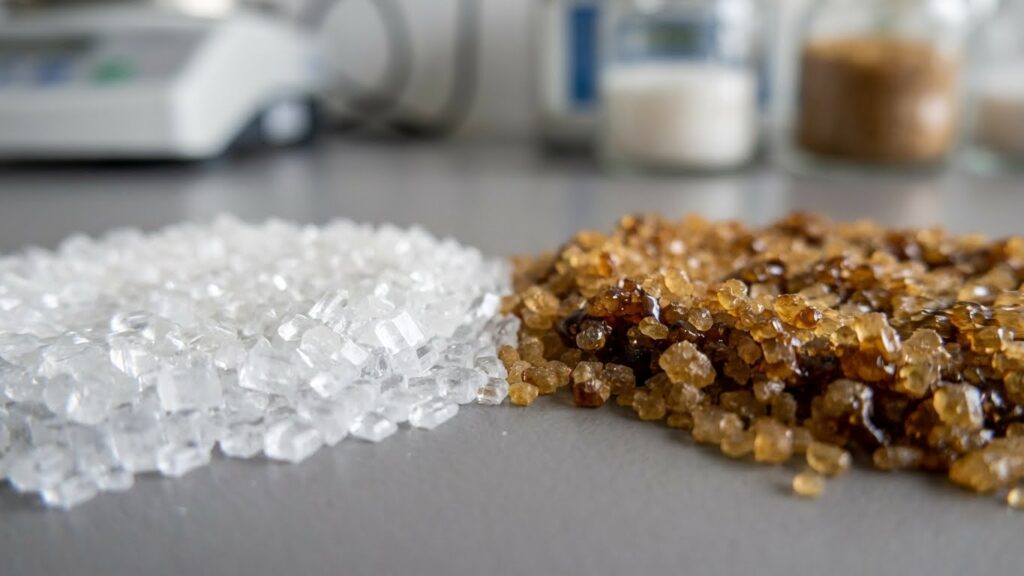
I describe the main chemical differences between white and brown sugar so you can see how they behave in recipes and storage. The focus is on sucrose levels, water content, and the molasses that gives brown sugar its color and flavor.
Sucrose Content
White and brown sugar are both mostly sucrose. I note that refined white sugar is nearly pure sucrose — typically about 99.9% by weight — because the refining process removes almost all non-sugar components. Brown sugar starts from the same refined sucrose base, so its sucrose percentage is slightly lower than white sugar but still high, often in the 95–99% range depending on how much molasses is present.
Chemically, sucrose is a disaccharide made of glucose and fructose. That means both sugars provide similar sweetness and calories per gram. For more on sucrose chemistry, I link to the USDA sugars information and the chemistry overview at Britannica for readers who want technical detail.
Moisture Levels
Moisture makes a practical difference between the two sugars. I explain that brown sugar contains more water because molasses holds moisture; typical moisture content in brown sugar ranges from about 2% to 5%, while white granulated sugar is drier, often below 0.1–0.5%.
This moisture affects texture and baking outcomes. Brown sugar’s extra water helps make cookies chewier and cakes moister. It also causes brown sugar to clump and harden less quickly than white sugar when stored in humid environments.
Presence of Molasses
Molasses is the key chemical and flavor difference. I state that brown sugar contains varying amounts of molasses — usually 3% for light brown and up to 10% or more for dark brown — which adds minerals like calcium, potassium, and iron in trace amounts. These minerals do not change the calorie count meaningfully, but they do change flavor and acidity.
Molasses brings organic acids, minerals, and color compounds that react in baking (for example, with baking soda) and contribute to Maillard browning. If you want to read about sugar processing or molasses composition, I reference the USDA sugar processing guide for reliable background.
Physical Characteristics
I describe how brown and white sugar look and feel, and how those traits change taste and baking performance. You’ll see clear differences in color, crystal size, moisture, and how they dissolve.
Color and Grain Texture
I note that white sugar is pure, bright white, and has dry, hard crystals. Its granules are usually uniform and free-flowing, which helps it measure and mix evenly in batters.
Brown sugar ranges from light tan to deep brown because of molasses. The crystals often cling together and feel soft or slightly damp. Packed brown sugar holds its shape; loose brown sugar falls apart more like white sugar.
Quick reference:
- White sugar: dry, separate crystals; consistent grain size.
- Light brown: pale tan, slightly moist, finer molasses coating.
- Dark brown: deep color, more molasses, stickier texture.
Flavor Differences
I explain that molasses gives brown sugar a mild caramel and toffee note. Light brown sugar tastes sweeter with subtle molasses hints, while dark brown has stronger, slightly bitter caramel notes.
White sugar tastes clean and neutral. It sweetens without adding flavors, so it won’t change a recipe’s other tastes.
Practical effects:
- Brown sugar adds moisture and browning in cookies and cakes.
- White sugar yields crisper textures and brighter flavors in meringues and syrups.
Culinary Uses
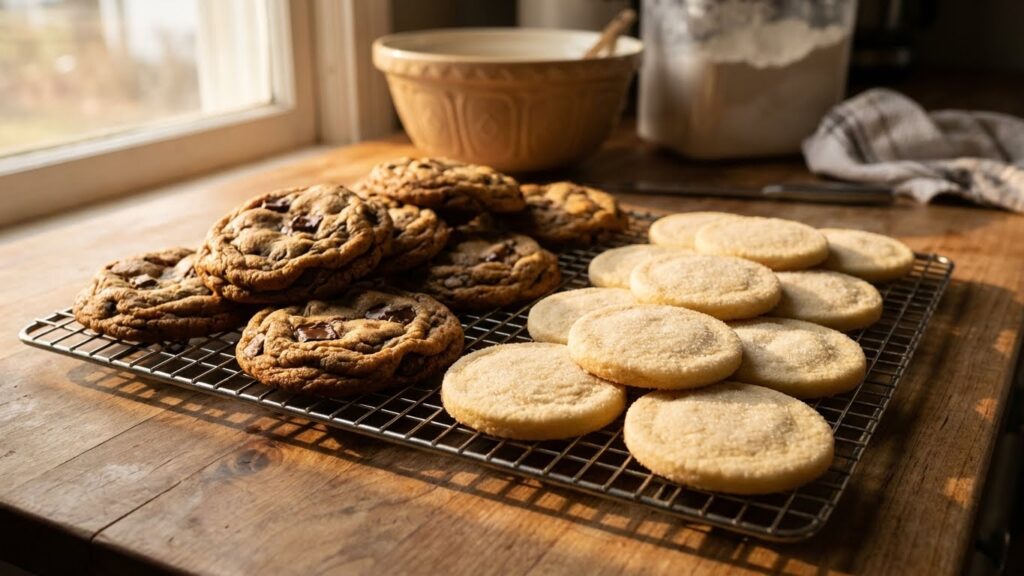
I focus on how each sugar affects texture, moisture, and flavor so you can pick the right one for a recipe. I explain where brown sugar adds chew and caramel notes, and where white sugar gives crispness and neutral sweetness.
Baking Applications
I use brown sugar when I want moist, tender baked goods. The molasses in brown sugar keeps cookies soft and helps cakes and quick breads stay moist. In recipes like gingerbread, molasses boosts flavor and color. Brown sugar also encourages chew and spread in cookies; I often reduce oven time slightly to keep them soft.
I reach for white sugar when I need structure, light color, or crisp edges. White sugar helps meringues, angel food cake, and certain cookies rise and hold shape. It caramelizes cleanly for syrups and glazes. When swapping, I know to adjust liquid or baking time because brown sugar adds moisture and acidity.
Use in Beverages
I choose white sugar for clear, neutral sweetening in tea, coffee, and cocktails. It dissolves quickly in hot drinks and doesn’t change color or flavor, making it ideal for iced tea or simple syrup for cocktails.
I use brown sugar when I want deeper flavor or a molasses note in drinks. It works well in hot chocolate, chai, and coffee-based drinks where the caramel taste adds complexity. For cold drinks, I usually make a warm simple syrup with brown sugar so it dissolves fully and blends evenly.
Nutritional Differences
I will look at calories, plus the tiny amounts of minerals and vitamins that differ between white and brown sugar. These differences matter only in specific cooking or dietary contexts, not for general nutrition.
Caloric Content
White and brown sugar provide nearly the same calories by weight. I note that one teaspoon of either sugar has about 16 calories. Brown sugar may weigh slightly more per teaspoon because of added molasses and moisture, so a teaspoon of packed brown sugar can have a marginally higher calorie count than a loose teaspoon of white sugar.
For practical purposes, the calorie difference is negligible when you measure by volume, but can matter if you weigh ingredients precisely. If you track calories closely, use a kitchen scale and the exact product nutrition label rather than assuming large differences between the two.
Mineral and Vitamin Content
Brown sugar contains small amounts of minerals because of the molasses it holds. I find that brown sugar can have trace amounts of calcium, potassium, iron, and magnesium, while white sugar has almost none. These amounts are very small — not enough to affect daily nutrient intake for most people.
If you need minerals, whole foods like milk, leafy greens, or beans give meaningful amounts. For readers curious about molasses and minerals, the USDA nutrient database and resources from the U.S. Food & Drug Administration provide reliable data on sugar and molasses content.
Shelf Life and Storage
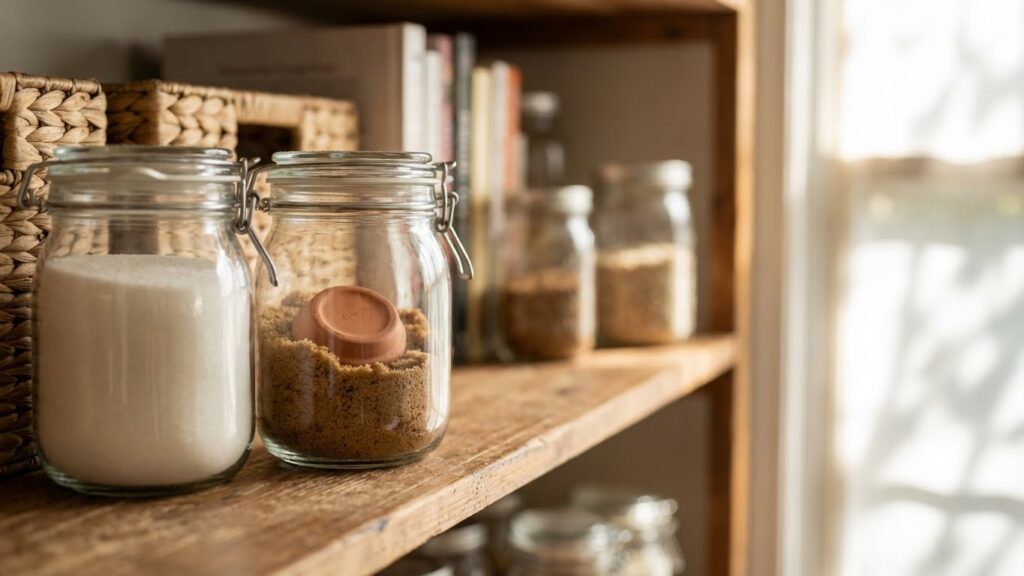
I focus on where to keep each sugar and how long you can expect usable quality. Proper containers and stable, dry conditions matter most.
Storing White Sugar
I store white granulated sugar in an airtight, moisture-proof container like a plastic or glass jar with a tight lid.
Keep it in a cool, dark pantry away from heat sources and strong-smelling foods; sugar absorbs odors.
White sugar has an effectively indefinite shelf life for safety. Over years it may harden if exposed to humidity, but it won’t spoil or grow mold under dry conditions.
If it clumps, I break it up with a fork or pulse it briefly in a food processor. For long-term storage, I sometimes add a food-grade desiccant packet to keep moisture out.
Storing Brown Sugar
I treat brown sugar differently because its molasses content makes it prone to drying and hardening.
Store it in an airtight, moisture-proof container and keep it in the same cool, dark pantry spot as white sugar.
Brown sugar keeps best within about two years for peak flavor and moisture. If it loses moisture and turns into hard blocks, I soften it by placing a piece of apple or a damp paper towel (wrapped to avoid direct contact) in the container for 12–24 hours.
You can also use a brown sugar saver (terra-cotta disk) soaked in water to maintain softness. Prevent humidity swings and seal the bag or jar tightly after each use.
Price and Availability
I find white sugar widely available and usually the least expensive option at most stores. It comes in many package sizes, from small packets to large bulk bags, which helps shoppers on tight budgets.
Brown sugar can cost a bit more, especially the soft, packed types labeled as “dark” or “light.” I see both kinds sold as pure less-refined brown sugar or as white sugar with added molasses; the former may be pricier.
Availability depends on location and supplier. In supermarkets I shop at, both sugars are easy to find, but specialty or organic brown sugar shows up more in health-food or specialty stores.
I note that price differences are small per pound, but they add up for commercial bakeries or bulk buyers. Here’s a quick comparison:
- White sugar: Low cost, wide retail and industrial supply, many package sizes.
- Brown sugar: Slightly higher cost, available as natural or molasses-added, sometimes sold in smaller retail batches.
I also check seasonal and regional markets. Sugar prices can fluctuate with crop yields and shipping costs, so availability and price may change over time.
Environmental Impact and Processing
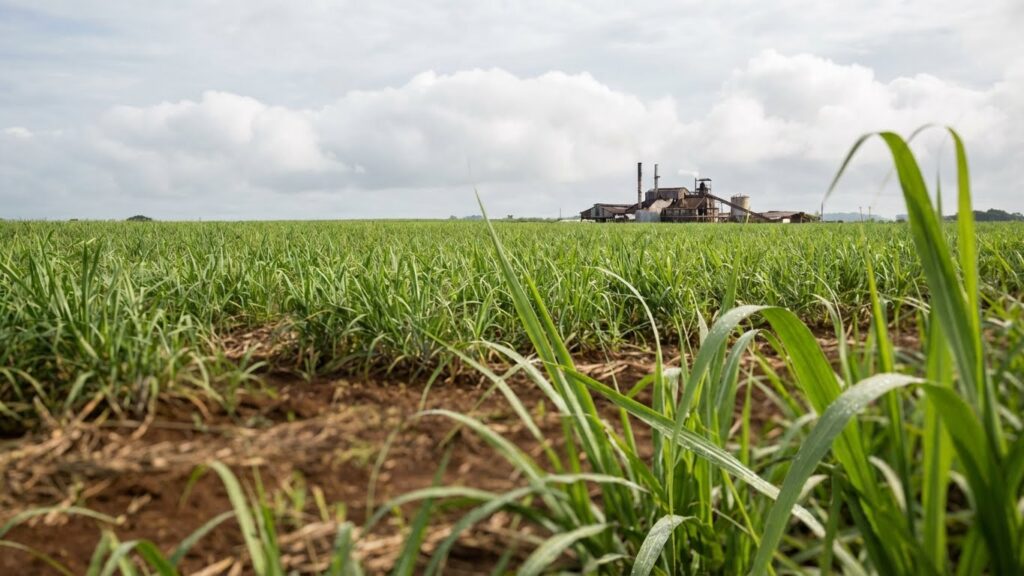
I look at processing first because it shapes the environmental effects. White sugar undergoes full refining to remove molasses, using more energy and water than brown sugar that retains or has molasses added back. Raw or less-refined sugars need fewer processing steps, but still rely on large-scale milling.
Farming methods matter a lot. Sugarcane fields can cause soil loss, habitat change, and heavy water use when grown intensively. Irrigation and agrochemical use increase those impacts. Beet sugar has different land and climate trade-offs, but also involves heavy inputs.
I compare typical impacts in a simple list to make trade-offs clear:
- Energy: White sugar refining > less-refined sugars.
- Water: Irrigated cane fields often high; processing also uses water.
- Land: Large monocultures reduce biodiversity.
- Waste: Molasses and bagasse are byproducts; bagasse can be used for fuel.
I note mitigation options I look for when choosing sugar. Supporting producers who use efficient mills, water-saving irrigation, and bagasse for bioenergy reduces footprint. Certified or locally produced sugars can lower transport and land-use impacts.
I add a quick table to highlight processing steps and common impacts.
| Product type | Key processing step | Typical environmental hit |
|---|---|---|
| White sugar | Full refining, bleaching | High energy + water use |
| Brown sugar | Molasses retained or added | Lower refining, similar farming impacts |
| Raw sugar | Minimal refining | Lower processing energy, same farming impacts |
FAQs
Can I swap one for the other in recipes?
Yes, but results change. White sugar gives a crisper texture and cleaner sweetness. Brown sugar adds moisture, chewiness, and a mild molasses flavor. I suggest matching moisture needs when baking.
How do I store each type?
I keep both in airtight containers. Brown sugar can harden as it loses moisture, so I add a slice of bread or a dampened clay disk to soften it. White sugar stays free-flowing longer.
Are they made the same way?
They come from the same plants (sugarcane or sugar beet). White sugar is refined to remove molasses. Brown sugar either keeps some molasses or has molasses added back.
Which is best for sauces and caramel?
I use white sugar for clear, bright caramel and syrups. I pick brown sugar for richer, deeper-flavored sauces where a hint of molasses helps.
Conclusion
I focused on the main differences between white and brown sugar: processing, flavor, moisture, and how they behave in recipes. Both come from the same plants, and their calories and basic nutrition are nearly the same.
I pick brown sugar when I want a richer flavor or more moisture in baked goods. I choose white sugar for neutral sweetness and crisp textures, like in meringues or certain cookies.
If a recipe calls for one type, I usually follow it. Small swaps can change texture and taste, so I adjust liquids or packing if I substitute. For example, I pack brown sugar and measure carefully because of its moisture.
I don’t treat either sugar as healthier in any meaningful way. Portion control matters more than choosing brown over white. For more complex or less-processed sweeteners, I consider alternatives, but I use them with the same attention to recipes.
Key quick points:
- Flavor: brown = molasses notes, white = neutral.
- Texture: brown adds moisture, white keeps things dry and crisp.
- Nutrition: nearly identical per calorie.
- Baking tip: adjust liquid or packing when swapping.
I use these practical guidelines to decide which sugar fits a recipe or taste goal.
