
How to Store Cooked Food Safely: Practical Guidelines for Cooling, Refrigeration, and Reheating

You want to keep cooked food safe and make it last, and I’ll show you how without confusing rules. I’m Emma Reed, and I share clear, practical steps you can use tonight to cool, store, and reheat meals so they stay safe and tasty. Store cooked food in shallow, airtight containers, chill it within two hours, and use or freeze it within the safe time limits to prevent foodborne illness.
I’ll walk you through simple habits that cut waste, avoid cross-contamination, and help you tell when food has gone bad. Follow these tips and you’ll save time, money, and stress while keeping your family healthier.
Key Takeways
- Chill cooked food quickly in shallow, airtight containers to reduce bacterial growth.
- Label, date, and use safe time limits or freeze to extend food life.
- Keep cooked food separate from raw ingredients and reheat to a safe temperature.
Understanding Food Safety Guidelines
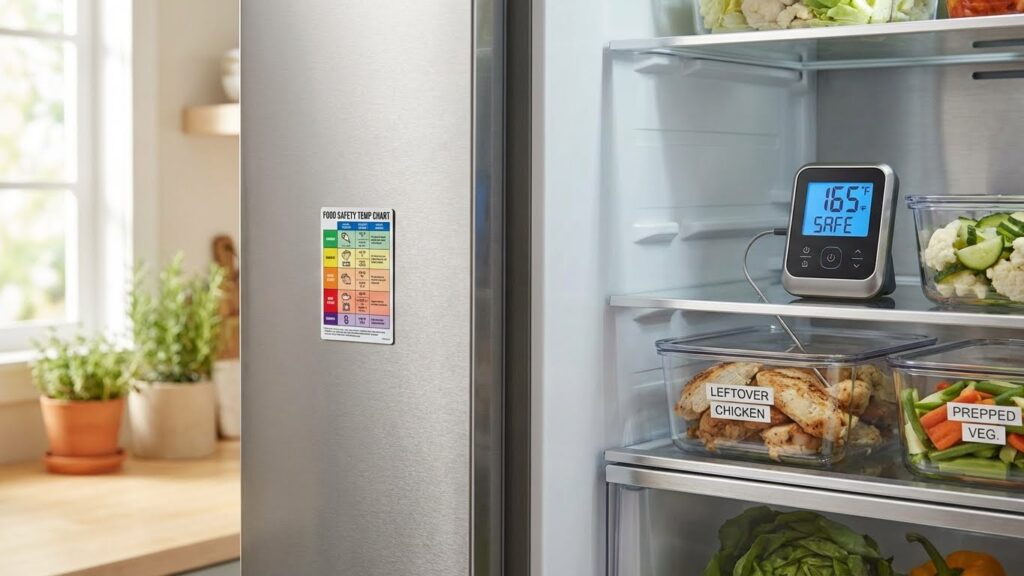
I focus on clear rules you can use every time you cook and store food. Follow steps about cleaning, cooling, and temperature control to cut the chance of foodborne illness and keep meals tasting right.
Importance of Proper Food Storage
I store cooked food to stop bacteria from growing and to keep flavor and texture. Bacteria multiply fastest between 40°F and 140°F (4°C–60°C), so I move hot food into shallow containers and refrigerate within two hours, or within one hour if the room is above 90°F (32°C).
I label containers with the date and use a plan: eat refrigerated leftovers within 3–4 days and frozen ones within 2–6 months depending on the food. I also avoid overloading the fridge so cold air circulates, and I keep raw and cooked foods separate to prevent cross-contamination.
Common Foodborne Illnesses
I watch for germs that often come from cooked foods left at unsafe temperatures. Salmonella, E. coli, Listeria, and Staphylococcus aureus cause most home foodborne outbreaks. Symptoms include nausea, vomiting, diarrhea, and fever, usually within hours to days after eating.
I pay special attention when serving high-risk people — infants, pregnant people, older adults, and people with weak immune systems. I throw out food that smells off, looks strange, or was stored too long, because visual checks alone can’t guarantee safety.
Key Temperatures for Safe Storage
I use a food thermometer to confirm temperatures. Safe fridge temperature is 40°F (4°C) or below, and freezer should be 0°F (-18°C) or lower. Hot food should be held at 140°F (60°C) or above until served.
When cooling cooked food, I get it from 140°F to 70°F (60°C to 21°C) within two hours, then to 40°F (4°C) within the next four hours. For reheating, I heat leftovers to 165°F (74°C) throughout. I follow these targets every time to reduce risk.
Best Practices for Storing Cooked Food
I focus on quick cooling, airtight containers, and clear labels to keep food safe and tasty. These steps cut down bacterial growth, prevent spills, and help me know what to eat first.
Cooling Food Quickly
I move cooked food from the stove to shallow containers within two hours of finishing. I use containers no deeper than 2 inches so heat leaves the food fast and evenly.
For large roasts or big pots, I divide food into smaller portions or use an ice bath under the container to speed cooling. I never leave perishable food at room temperature longer than two hours, or one hour if the room is above 90°F.
I check the fridge temperature to make sure it stays at or below 40°F (4°C). I also leave a little space around containers so cold air can circulate and finish cooling.
Storing in Airtight Containers
I choose containers with tight seals made of glass or food-grade plastic. Airtight containers stop odors, keep moisture out, and slow freezer burn when I freeze meals.
I match container size to the portion to limit extra air. For soups or sauces, I use jars with lids that snap or screw on. For meals I’ll reheat, I pick microwave-safe or oven-safe containers to avoid transfers.
I cool food first, then seal and place it on the fridge shelf. For freezing, I remove as much air as possible before sealing or use vacuum-seal bags for longer storage.
Labeling and Dating Storage
I label every container with the food name and the date I cooked it. I write the date with a permanent marker on masking tape or use pre-printed freezer labels.
I follow simple timing rules: eat refrigerated cooked food within 3–4 days, or freeze it for 2–6 months depending on the item. I put the oldest items in front so I use them first.
I also note reheating instructions or ingredients when needed, especially for meals with dairy or seafood. Clear labels save time and reduce the risk of eating spoiled food.
Refrigeration of Cooked Food
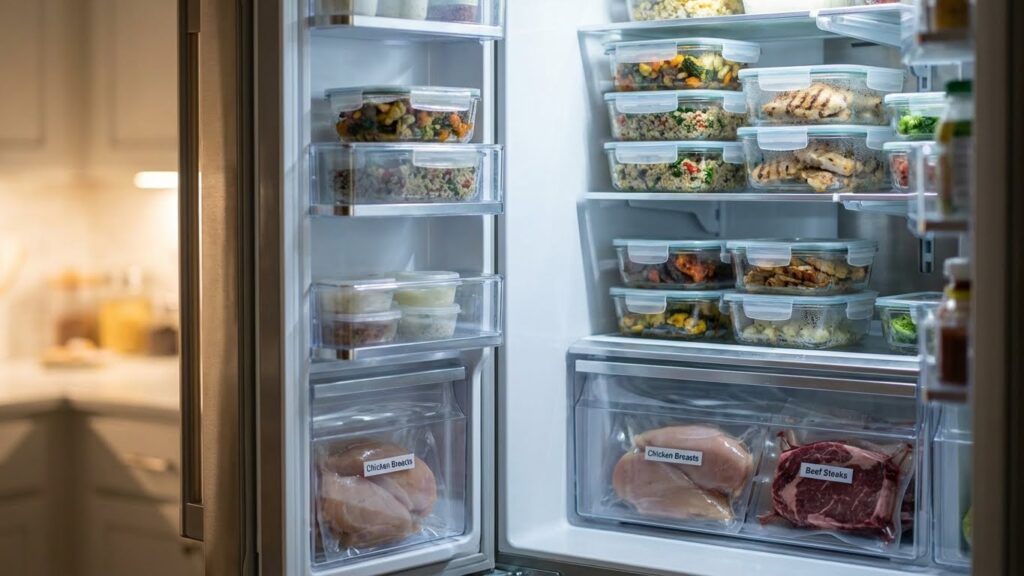
I recommend chilling cooked food quickly, storing it where it won’t drip on other items, and using it within a few days. Cold temperatures, correct placement, and labeled containers keep food safe and reduce waste.
Recommended Refrigeration Times
I keep most cooked dishes for 3 to 4 days in the refrigerator. This applies to cooked meats, poultry, fish, casseroles, soups, and cooked vegetables. If I want to keep food longer, I freeze it instead.
For sliced deli meats, salads with mayonnaise, and seafood salads, I aim for 3 days or less. Cooked rice and pasta I usually use within 3 to 4 days. When in doubt, I label the container with the date I refrigerated it.
If food shows an odd smell, slimy texture, or visible mold, I discard it immediately. Reheating to steaming hot does not make spoiled food safe.
Ideal Refrigerator Temperatures
I set my refrigerator to 40°F (4°C) or below. This temperature slows bacterial growth and helps keep cooked food safe. I check the temperature with a fridge thermometer placed in the middle shelf.
The freezer should be 0°F (-18°C) or lower for long-term storage. If the fridge temperature rises above 40°F for more than two hours, I treat the cooked food as unsafe and discard perishable items.
I avoid overcrowding the fridge so cold air circulates. I also keep hot food out of the fridge until it cools slightly but place it in shallow containers within two hours to chill quickly.
Organizing the Refrigerator for Safety
I store raw meat on the bottom shelf in a sealed container to prevent drips. Cooked foods go on higher shelves, preferably in clear, airtight containers so I can see contents and dates.
I use shallow containers no more than 2 inches deep to cool food fast. I label each container with the date cooked and the use-by date (3–4 days later). I keep ready-to-eat items separate from raw ingredients and use dedicated shelves for leftovers.
I clean spills immediately and rotate older items to the front so I use them first. Regularly checking temperatures and dates helps me avoid foodborne illness and waste.
Freezing Cooked Food
Freezing keeps cooked meals safe longer when you cool, package, and thaw them correctly. I focus on fast cooling, airtight packaging, and clear labeling so food stays tasty and safe.
Preparing Food for Freezing
I cool cooked food quickly to limit time in the danger zone (40–140°F / 4–60°C). For large pots, I divide into shallow containers or spread on a tray to chill faster before boxing. Hot food should not go directly into the freezer.
I use airtight containers or heavy-duty freezer bags and squeeze out air to prevent freezer burn. I label each package with the food name and date. For soups, stews, and sauces I leave a little headspace for expansion. For best texture, I avoid freezing cream-based sauces or mayo-heavy dishes unless I plan to rework them after thawing.
For guidance on safe cooling and storage times, I follow USDA recommendations and check the FoodSafety.gov pages.
Freezing Times and Guidelines
I store cooked meats, casseroles, and most cooked vegetables for 2–4 months for best quality. Cooked rice and pasta keep about 1–2 months before texture declines. Soups and stews often stay good 2–3 months. Seafood and fried foods usually lose quality faster, so I use them within 1–2 months.
I keep the freezer at 0°F (-18°C) or below. I pack portions I will eat in one sitting to avoid repeated thawing. I write the use-by month on labels to rotate older items first. If you suspect freezer burn, the food is safe but may taste dry; trim or re-season when reheating.
For more precise timeframes, I reference USDA’s freezer storage charts at fsis.usda.gov.
Thawing Frozen Cooked Food Safely
I thaw frozen cooked food in the refrigerator, in cold water, or in the microwave—never on the counter. Refrigerator thawing takes longer but keeps the food at a safe temperature. Small packages thaw overnight; larger items may take 24 hours or more.
For faster thawing, I place sealed food in cold tap water, changing the water every 30 minutes. If I use a microwave, I cook immediately after thawing because microwaves can create hot spots that allow bacteria to grow. Once thawed, I eat refrigerated leftovers within 3–4 days or refreeze only if I reheat them to 165°F (74°C) first.
Storing Specific Types of Cooked Food
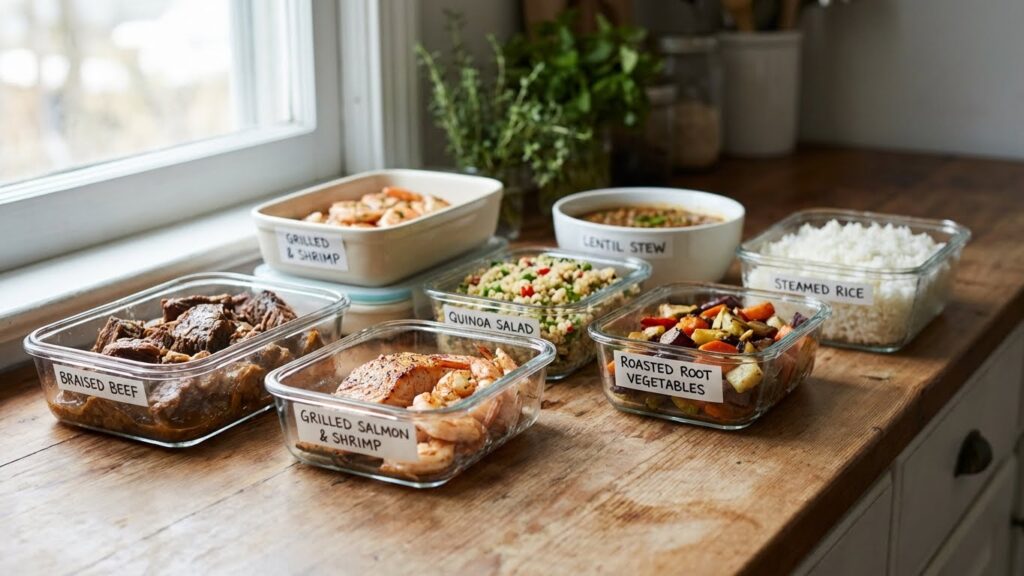
I focus on temperature, moisture control, and clear labeling so food stays safe and tastes good. I use shallow containers, chill quickly, and separate strong-smelling items to avoid cross-flavoring.
Storing Cooked Meat and Poultry
I cool cooked meat and poultry to 40°F (4°C) or below within two hours. I divide large roasts or whole birds into smaller portions before refrigerating so they chill faster. I store in airtight, shallow containers or wrapped tightly in foil or plastic to keep moisture in and bacteria out.
I label packages with the date and use cooked poultry within 3–4 days and other cooked meats within 3–4 days as well. For longer storage, I freeze portions in airtight bags, remove excess air, and write the date—most cooked meats keep well for 2–6 months in the freezer.
When reheating, I bring meat to 165°F (74°C) throughout and avoid reheating more than once. I keep raw meat separate from cooked meat to prevent cross-contamination.
Storing Cooked Seafood
I refrigerate cooked fish and shellfish within two hours and keep them at 40°F (4°C) or below. I place seafood in shallow containers and use it within 1–2 days for best safety and quality.
If I freeze cooked seafood, I cool it first, then pack in airtight containers or vacuum-seal to prevent freezer burn. Most cooked seafood keeps 2–3 months frozen without major quality loss. I label with the date and consume within that window.
When reheating seafood, I heat to 165°F (74°C) or until steaming hot. I avoid leaving seafood at room temperature and I do not refreeze seafood that was thawed and then fully cooked unless it was frozen immediately after cooking.
Storing Cooked Grains and Pasta
I cool cooked grains and pasta quickly and transfer them to shallow, airtight containers. I avoid leaving them in large pots to cool because that can keep the center warm and let bacteria grow.
I store cooked rice for no more than 4 days in the fridge and other grains like quinoa or barley for 3–5 days. With pasta mixed with sauce, I follow the shorter storage time for the sauce ingredients—typically 3–4 days. For longer storage, I freeze portions in freezer-safe bags and press out air; most grains and pasta freeze well for 1–2 months.
To reheat, I add a splash of water and heat until steaming. I stir thoroughly to get even heat and avoid reheating more than once.
Storing Cooked Vegetables
I keep cooked vegetables in airtight containers and chill them within two hours of cooking. Root vegetables and hearty greens last 3–4 days in the fridge, while more delicate veg like cooked spinach should be used within 1–2 days.
I cool vegetables quickly and store them separate from raw produce. For freezing, I blanch most vegetables first to preserve texture and color, then pack in airtight containers or freezer bags and label with the date. Frozen cooked vegetables typically keep 8–12 months but are best used within 3–6 months for better texture.
When reheating, I heat vegetables to at least 165°F (74°C) and keep portions small to ensure even reheating.
Avoiding Cross-Contamination
I keep raw and cooked items apart, seal containers tightly, and place foods in the fridge by temperature risk. These steps cut the chance that juices, bacteria, or allergens move from one food to another.
Storing Raw and Cooked Foods Separately
I always store raw meat, poultry, seafood, and eggs on the lowest shelf of the fridge. This prevents drips onto ready-to-eat foods below. I use labeled containers or sealed bags so raw juices cannot leak.
I keep cooked foods on higher shelves and never stack a cooked-dish container on top of raw packages. If I must cool a hot cooked meal, I place it in shallow, covered containers so it chills fast and stays isolated from raw items. For deli meats, salads, and leftovers I use clearly marked containers and avoid placing them in the same drawer with raw proteins.
When packing a cooler or transporting food, I separate raw and cooked in different sealed bags or boxes. I also wash hands, cutting boards, and knives between handling raw and cooked foods to stop germs from spreading.
Proper Sealing and Placement
I use airtight containers or heavy-duty zip-top bags for all cooked foods to block odors and contamination. Glass or food-grade plastic with tight lids works best because they seal fully and stack neatly.
I arrange foods by shelf so highest-risk items go lowest and ready-to-eat items sit above. Hot foods cool faster in shallow (1–2 inch) containers; I leave lids slightly ajar until they reach fridge temperature, then seal them. I label each container with the date and contents to track how long it’s stored.
I also keep separate, color-coded cutting boards and utensils for raw and cooked items. If a container or surface touches raw juices, I wash it with hot, soapy water and sanitize before reuse.
Signs Cooked Food Has Spoiled
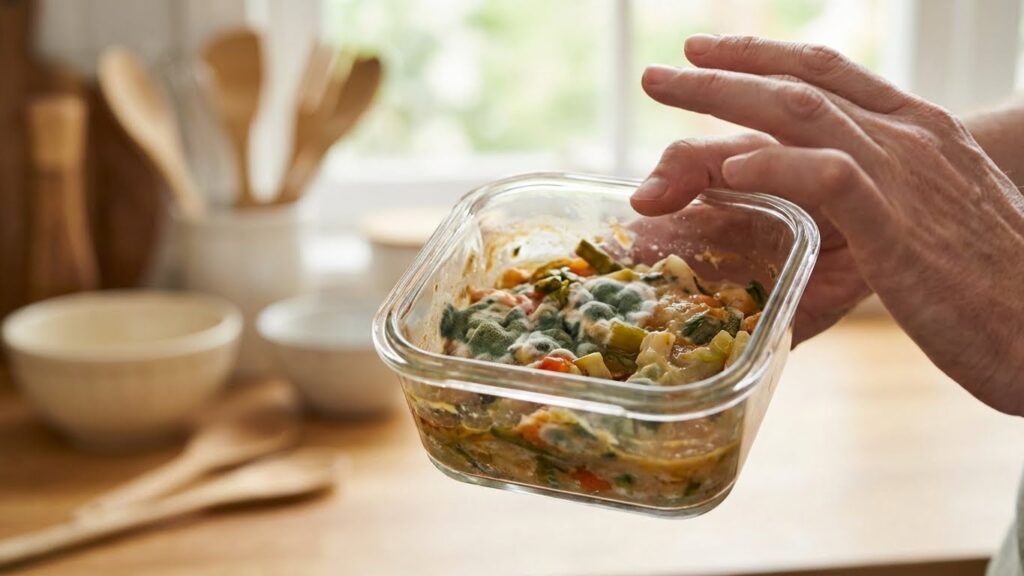
I focus on clear, visible, and smell-and-feel signs that show cooked food is no longer safe. Use these cues to decide whether to keep or toss leftovers.
Changes in Appearance
I check color first. Meat or poultry that turns gray, green, or has dark spots usually means spoilage. Cooked vegetables that look slimy or have blackened edges often went bad too.
I look for mold as a definite sign. White, green, blue, or black fuzzy patches on soups, sauces, breads, or casseroles mean you should discard the whole item. Cutting out the mold is not safe for moist or mixed foods.
I inspect texture. If a sauce separates or a cooked rice dish becomes sticky and clumpy in a new way, that can mean bacterial growth. Also note any unexpected liquids pooling in sealed containers — that can signal breakdown.
Off Odors and Textures
I rely on smell when appearance is unclear. A sour, rotten, or ammonia-like odor is a strong red flag. Even mild off-smells deserve caution; they often indicate bacterial or yeast growth.
I test texture with clean utensils only. Sliminess on meats, fish, or salads is common with spoilage and means toss it. Mushy textures in items that were once firm — like cooked pasta or vegetables — suggest they’ve started to degrade.
I avoid tasting food to check spoilage if I see clear signs like mold or strong bad odors. Tasting risky food can cause illness. When in doubt, I throw it out.
Food Safety Risks of Consuming Spoiled Food
I know spoiled cooked food can contain harmful bacteria such as Salmonella, Listeria, and Staphylococcus aureus. These bacteria can cause vomiting, diarrhea, fever, and more severe illness in young, elderly, or immunocompromised people.
I note that some bacteria produce toxins that cooking or reheating won’t remove. That means even if the food looks and smells better after heating, it can still make you sick.
I follow safe practices: discard food with clear spoilage signs, store leftovers in shallow containers within two hours of cooking, and keep refrigeration at 40°F (4°C) or below to reduce risk.
Reheating Stored Cooked Food
I focus on two things when reheating leftovers: heat food to the right internal temperature, and move food quickly through unsafe temperatures. Follow clear steps so reheated food stays safe and tastes good.
Safe Reheating Temperatures
I always reheat food until it reaches an internal temperature of 165°F (74°C). That temperature kills most bacteria and makes the food safe to eat. Use an instant-read thermometer in the thickest part of meat, stew, or casserole to check the temperature.
For soups and sauces, bring to a rolling boil. For whole cuts of meat, reheat to at least 165°F throughout; cover with foil in the oven to keep moisture. When using a microwave, stir and rotate food, then check temperature in several spots because microwaves heat unevenly. For guidance on safe temperatures, I rely on USDA recommendations
Avoiding the Danger Zone
The bacterial “danger zone” is 40–140°F (4–60°C). I never leave cooked food in that range for more than two hours total. If the room is hotter than 90°F (32°C), I cut that time to one hour.
Cool leftovers quickly by dividing into shallow containers and refrigerating within two hours. When reheating, heat food straight from the fridge to 165°F; do not reheat more than once. If a reheated item smells off, has changed texture, or was left out too long, I discard it. For more tips on safe storage and handling, the CDC has practical advice
Eco-Friendly Food Storage Tips
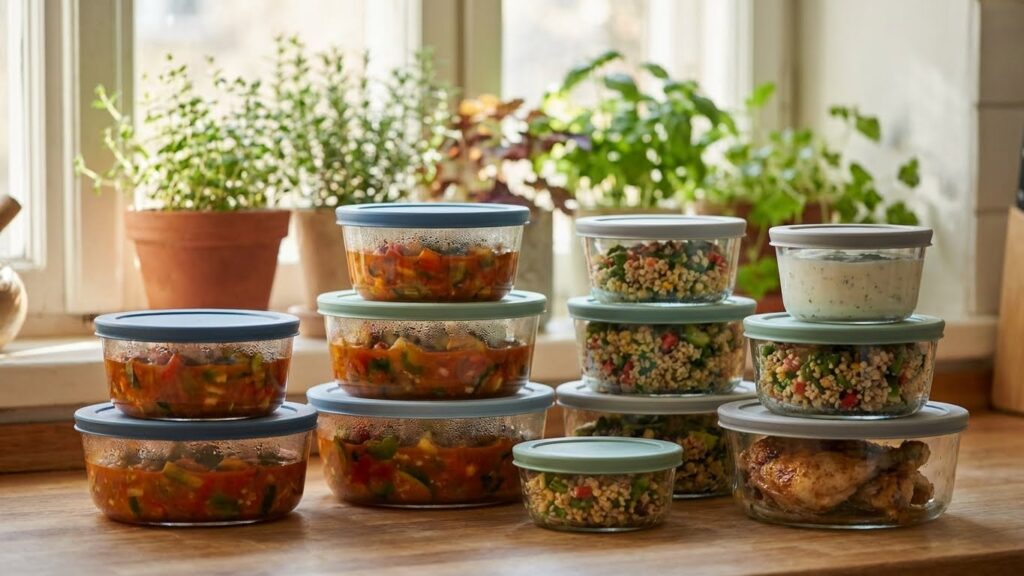
I focus on small changes that cut plastic use and food waste. These tips show simple swaps and habits that save money and keep food safe.
Using Reusable Containers
I use glass, stainless steel, or silicone containers instead of single-use plastic. Glass is oven- and microwave-safe, so I can reheat meals without transferring them. Stainless steel works well for salads and dry items, and silicone lids compress for tight freezer storage.
I buy containers with tight lids and shallow shapes to help food cool quickly in the fridge. I label each container with the date using a washable marker or a small sticker. For freezing, I leave a little headspace in jars and use vacuum-seal bags or freezer-safe glass to reduce freezer burn.
I wash and dry containers right after use. Clean containers last longer and reduce odors. When a lid or container degrades, I replace only that piece to avoid throwing out the whole set.
Reducing Food Waste
I plan meals for the week and buy only what I need. I store cooked foods in portion-sized containers so I only thaw or reheat what I will eat. This keeps leftovers fresher and cuts scraps.
I rotate older items to the front of the fridge and use a simple labeling system: “Cooked: MM/DD.” I turn small amounts of leftovers into new meals—stir-fries, soups, or grain bowls—within 3–4 days for most dishes. I also freeze extras in single portions to eat later.
I compost scraps like vegetable peelings and bones when possible. Composting reduces landfill waste and gives me nutrient-rich soil for herbs or a small garden.
FAQs
Can I cool food faster to reduce risk?
Yes. I place food in shallow, airtight containers to cool quickly. Splitting large batches into smaller containers helps a lot.
What temperature should my fridge and freezer be?
I keep the fridge at 40°F (4°C) or below and the freezer at 0°F (-18°C) or below. These temps slow bacterial growth and keep food fresh longer.
How do I reheat leftovers safely?
I reheat until the food reaches 165°F (74°C) throughout. Use a food thermometer when possible and stir to heat evenly.
Can I store different foods together?
I avoid mixing raw and cooked foods. I keep cooked items on higher shelves and raw meats below to prevent cross-contamination.
Are there signs a cooked meal has gone bad?
I discard food with off smells, slimy textures, or visible mold. When in doubt, I throw it out.
Quick reference:
Refrigerator: 3–4 days
Freezer: 2–6 months (varies by food)
Cool within 2 hours
Reheat to 165°F (74°C)
If you want, I can make a printable checklist for fridge and freezer storage times.
Conclusion
I encourage you to use the simple steps in this guide every time you store cooked food. Doing so cuts the risk of foodborne illness and keeps meals tasting better for longer.
I suggest cooling food quickly, using shallow airtight containers, and labeling items with dates. I also recommend keeping the fridge at or below 40°F (4°C) and the freezer at 0°F (-18°C).
If you plan to eat leftovers within a few days, store them in the fridge. For longer storage, freeze items in portions that match how you will reheat them.
I trust that these practices will save you time and reduce waste. Small habits—like separating raw and cooked foods and reheating to the proper temperature—make a big difference.
