
You want healthy meals your whole family will actually eat, without extra stress or long grocery lists. I’m Emma Reed, and I share simple ways to plan, cook, and tweak meals so you save time and keep nutrition front and center. Start small with easy swaps, batch prep, and hands-on snacks that help everyone eat better without turning dinner into a chore.
I walk you through family-friendly meal plans, smart cooking tricks, and quick fixes for picky eaters and special diets. You’ll get practical tips to build balanced plates, involve kids in the kitchen, and make healthy choices feel normal — not like a battle.
Key Takeaways
- Plan simple meals and prep ahead to save time and stress.
- Use quick swaps and cooking methods that keep meals nutritious and tasty.
- Get the family involved to build lasting healthy habits.
Contents
- 1 Healthy Cooking Tips for Families – Easy, Nutritious Meals
- 2 Family-Friendly Meal Planning
- 3 Essential Nutrients for Growing Children
- 4 Smart Cooking Techniques
- 5 Healthy Snack and Lunch Ideas
- 6 Making Mealtime Enjoyable
- 7 Adapting Recipes for Dietary Needs
- 8 Family Involvement and Cooking Skills
- 9 Staying Consistent With Healthy Habits
- 10 FAQs
- 11 Conclusion
Healthy Cooking Tips for Families – Easy, Nutritious Meals
Family-Friendly Meal Planning
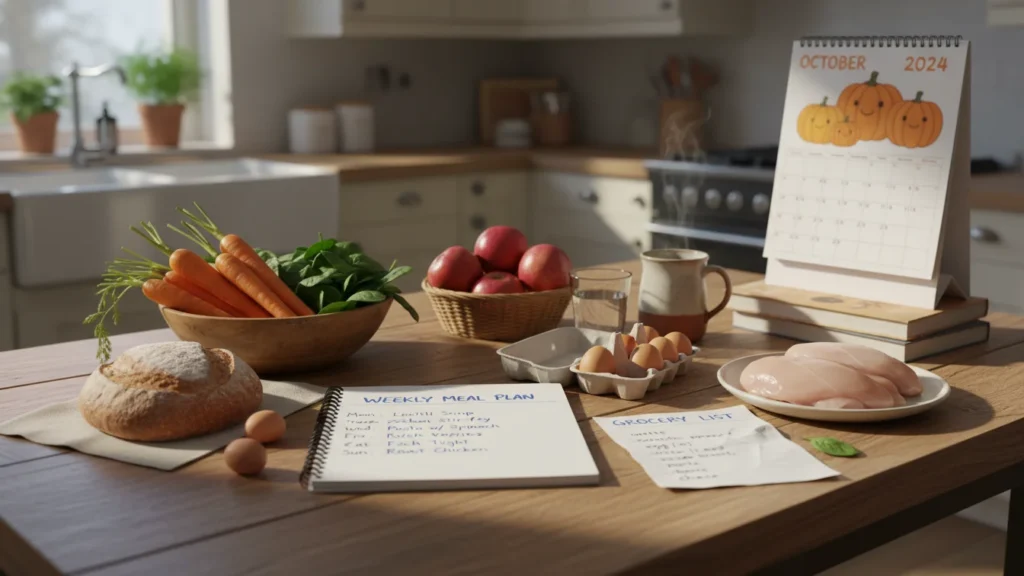
I focus on clear, practical steps that make weeknight meals healthier and easier. I plan meals around real schedules, picky eaters, and budget limits so dinner gets on the table without stress.
Setting Nutrition Goals
I set simple, measurable goals for our family, like “two vegetable sides per dinner” or “no more than two processed snacks per week.” I track portion basics: half the plate for vegetables and fruit, one quarter for lean protein, and one quarter for whole grains. This plate rule helps me build balanced meals quickly.
I also set small behavior goals for kids, such as trying one bite of a new food at each meal. For specific needs—food allergies, a teen athlete, or a toddler—I adjust calories and protein amounts and consult reliable sources like the USDA MyPlate guidance or a pediatric dietitian when needed. These targets keep meals practical and steady, not perfect.
Involving Kids in Menu Choices
I give kids two safe options to choose from each week to keep them involved without overwhelming them. For example, I might ask, “Would you like turkey tacos or pasta with roasted veggies on Tuesday?” This gives control while keeping meals nutritious.
I use simple tasks to build interest: let them pick a vegetable at the store, rinse greens, or assemble a taco. Younger kids enjoy colorful plates; older kids can help cook skillet meals. Involving kids cuts down on complaints and increases the chance they’ll try new foods. I keep a rotating list of family favorites to pull from on busy nights.
Creating a Balanced Grocery List
I write my grocery list by meal blocks: breakfasts, lunches, dinners, snacks. I check the fridge first to avoid waste, then build the list around proteins, fresh produce, whole grains, and shelf-stable items like beans and canned tomatoes.
I use a short format to stay focused:
- Proteins: chicken breasts, canned tuna, eggs, dried lentils
- Vegetables: spinach, carrots, bell peppers, frozen mixed veggies
- Grains: brown rice, whole-wheat tortillas, quick-cook oats
- Staples: olive oil, low-sodium broth, canned beans, herbs/spices
I also add one family treat and one new ingredient each trip to keep meals exciting. For planning help and recipe ideas, I sometimes use MyPlate resources and meal-planning tools from reputable sites like ChooseMyPlate.gov and CDC nutrition pages.
Essential Nutrients for Growing Children
I focus on the specific foods and nutrients kids need for growth, brain work, and steady energy. Below I list practical options and simple swaps that make meals stronger without extra fuss.
Sources of Protein and Healthy Fats
Protein helps build muscles and repair tissue. I include lean options like chicken breast, turkey, eggs, low-fat dairy, beans, lentils, and tofu. For younger kids I offer cut-up hard-boiled eggs, yogurt with fruit, or chickpea hummus with veggie sticks.
Healthy fats support brain development. I use avocados, salmon, trout, walnuts, chia seeds, and olive oil. Try baked salmon with a squeeze of lemon or whole-grain toast with mashed avocado.
I limit fried and highly processed meats. Instead of bacon or sausage every day, I rotate in turkey sausage, canned tuna, or a bean-and-vegetable stir-fry. Small portions of nuts or seeds make good snacks but watch choking risks for kids under four.
Incorporating Whole Grains
Whole grains give steady energy and fiber. I pick brown rice, quinoa, whole-wheat pasta, oats, and whole-grain bread. Swap white rice for brown or mixed-grain rice, and choose whole-wheat tortillas for wraps.
Start breakfasts with cooked oats topped with fruit or plain whole-grain cereal with milk. For lunches, I make sandwiches on whole-grain bread or grain bowls with quinoa, veggies, and a protein. That keeps kids full longer and helps digestion.
Read labels for “whole” as the first ingredient and look for at least 3–5 grams of fiber per serving. If a child resists new grains, mix half white and half whole grain until they get used to the texture and taste.
Fruits and Vegetables in Every Meal
Fruits and vegetables supply vitamins, minerals, and fiber. I aim for colorful choices each day: berries, oranges, apples, carrots, bell peppers, spinach, and sweet potatoes. Different colors mean different nutrients.
Make produce easy to eat: pre-cut apple slices with a little lemon, baby carrots, cucumber sticks, or a fruit salad in a small cup. I add spinach to smoothies, shredded carrots to pasta sauce, and roasted sweet potato cubes to salads.
Offer fruit or veggies with a favorite dip—yogurt, hummus, or nut butter—to boost acceptance. If a child refuses a fresh option, try it cooked, roasted, or blended into soups and sauces to keep meals nutritious and varied.
Smart Cooking Techniques
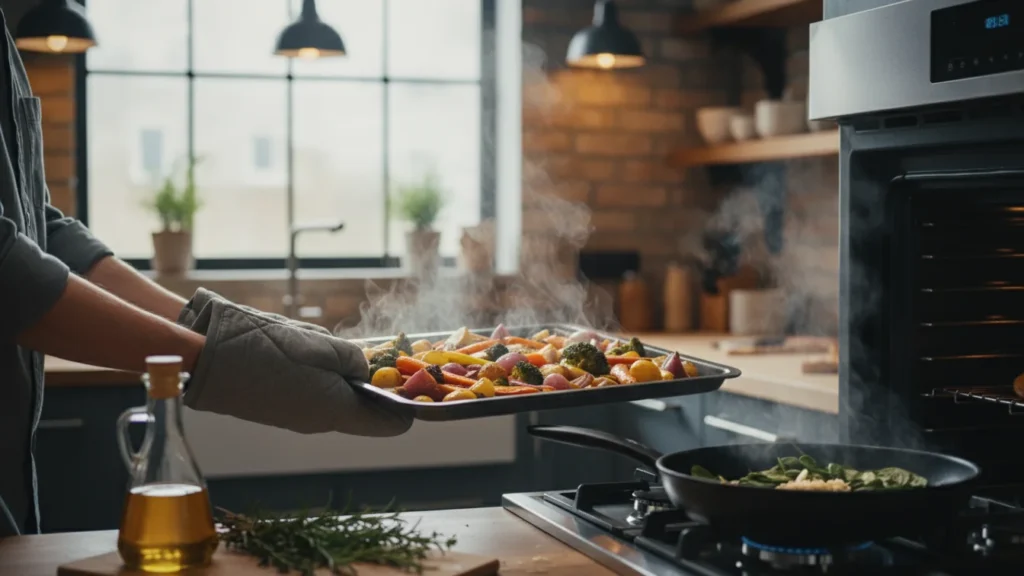
I focus on small changes that cut empty calories, keep nutrients, and boost flavor. The tips below show practical swaps, better cooking methods, and easy ways to season without too much salt.
Reducing Unhealthy Fats and Sugars
I replace butter and lard with heart-healthier oils like olive or canola for sautéing. Use a spray or brush to coat pans so you use less oil. For baking, I swap half the butter for unsweetened applesauce or mashed banana to keep moisture and lower saturated fat.
I cut added sugars by choosing plain yogurt and adding fruit, or using maple syrup sparingly. When buying packaged foods, I check labels for sugar per serving and pick lower-sugar options. I also trim visible fat from meats and drain cooked ground meat on a paper towel to reduce grease.
Quick checklist:
- Choose liquid oils over solid fats.
- Use fruit purées in baking.
- Limit sugary drinks and flavored yogurts.
- Trim and drain fats from cooked meats.
Choosing Healthier Cooking Methods
I favor methods that use less fat and keep nutrients: steaming, roasting, baking, grilling, and stir-frying with minimal oil. Steaming vegetables keeps vitamins better than boiling. Roast vegetables at 400°F (200°C) with a light oil and herbs for caramelized flavor without extra fat.
For proteins, I grill or bake fish and chicken instead of frying. When stir-frying, I heat the pan first and add a teaspoon of oil, moving food quickly to avoid soaking. I also use nonstick pans or an air fryer to get crisp textures with very little oil.
Tools and temps:
- Steaming basket for veggies.
- Oven roasting at 400°F (200°C).
- Air fryer for small batches.
- Nonstick skillet for low-oil cooking.
Maximizing Flavor Without Excess Salt
I build flavor in layers using herbs, spices, acids, and aromatics instead of relying on salt. I toast whole spices, add garlic and onion early, and finish dishes with lemon juice or vinegar to brighten tastes. Fresh herbs like parsley, cilantro, and basil add strong flavor with no sodium.
I use umami-rich ingredients—mushrooms, tomatoes, low-sodium soy sauce, or a small amount of parmesan—to give depth without adding much salt. When I use packaged broths, I pick low-sodium versions and dilute if needed. I also taste as I cook and add salt last to avoid oversalting.
Flavor toolbox:
- Citrus (lemon, lime) and vinegars.
- Fresh herbs and toasted spices.
- Umami boosters in small amounts.
- Low-sodium broths and careful tasting.
External resources: For safe handling and nutrition tips, I refer to guidance from the American Heart Association (https://www.heart.org) and government food guidance at Nutrition.gov (https://www.nutrition.gov).
Healthy Snack and Lunch Ideas
I focus on small changes that save time and add nutrition. The ideas below show simple, specific snacks and lunches you can pack, prep, or toss together in 10–20 minutes.
Creative Vegetable-Based Snacks
I turn raw and cooked veggies into snacks kids and adults enjoy. Try cucumber rounds topped with hummus and chopped olives or bell pepper strips with a yogurt-dill dip. Roasted chickpeas and oven-baked carrot fries give a crunchy, portable alternative to chips.
Make a simple veggie platter with cherry tomatoes, snap peas, and mini sweet peppers, then add a protein like boiled egg halves or cheese cubes to keep energy steady. You can batch-prep roasted cauliflower or zucchini in 20–25 minutes and store it for 3–4 days in the fridge.
For recipes and safe handling tips, I consult trusted resources like the NHS on healthy lunch ideas and the CDC for food safety guidance.
Balanced Lunchbox Options
I build lunches with one protein, one whole grain, and two colorful veggies or fruits. Examples: turkey and avocado wrap on a whole-wheat tortilla, quinoa salad with black beans and corn, or a mason jar salad layered with chickpeas, spinach, cucumber, and a vinaigrette.
Keep portions kid-sized: 1/2 cup grains, 1/4–1/3 cup protein, and one small fruit plus one small veg. Add a small nut or seed packet for healthy fats and extra calories if needed. Use an insulated lunchbox and an ice pack for perishable items to stay safe until lunchtime.
Quick Meals for Busy Families
I rely on 10-minute meals and make-ahead swaps when evenings are tight. Rotisserie chicken becomes chicken salad, wraps, or quick tacos. Mix canned tuna with plain yogurt, mustard, and celery for an instant sandwich filling.
Batch-cook staples like brown rice, hard-boiled eggs, and roasted veggies on Sunday. Then assemble salads, grain bowls, or quesadillas in minutes during the week. For more fast, healthy ideas I refer to EatingWell’s quick lunch recipes and the Food Network’s family-friendly options.
Making Mealtime Enjoyable

I focus on small, practical steps that get everyone at the table and help kids try new foods. Simple routines, fun roles, and calm conversation make meals more pleasant and less stressful.
Encouraging Picky Eaters
I start by offering new foods alongside familiar favorites so a child feels safe trying one bite. I serve small portions of the new item—about a tablespoon—to reduce pressure.
I let kids touch and play with food during prep. That lowers fear and raises curiosity.
I use the “one-bite” rule: no force, but one polite bite to taste. If they refuse, I try again later without fuss. Repeated exposure (5–10 times) often changes minds.
I avoid bribing with dessert. Instead, I praise trying, not finishing. That keeps mealtime positive and reduces power struggles.
Practical tactics I use: serve dips for vegetables, chop foods into finger-friendly sizes, and rotate image-based menus so kids pick meals. I involve them in shopping and simple cooking tasks to build ownership and pride.
Building Positive Mealtime Habits
I set clear, consistent routines: a shared start time, plain chairs, and no screens at the table. Routines cut down negotiations and speed up meals.
I keep portions reasonable and let each person add more if hungry. This avoids waste and gives kids control.
I model the behavior I want: I eat the vegetables I serve and speak calmly about food. I ask simple, open questions—“What was your favorite bite?”—to invite talk without criticism.
I keep rules short and fair: everyone eats at the table, we try at least one bite, and we clean up together. I rotate small chores so kids learn skills and feel useful.
Adapting Recipes for Dietary Needs
I focus on simple swaps that keep flavor and texture while meeting allergies, gluten-free needs, or plant-based diets. Small ingredient changes, clear labels, and tested substitutions make meals safe and tasty for the whole family.
Common Allergies and Substitutions
I start by identifying the allergen and its role in the recipe—binding, leavening, or flavor. For eggs, I use:
- 1 mashed banana or ¼ cup applesauce for baking (moisture/binding).
- 1 tablespoon ground flax + 3 tablespoons water for each egg (binding).
For dairy, I swap cow’s milk with unsweetened almond, oat, or soy milk. Use dairy-free yogurt or mashed silken tofu in creamy dishes.
For nuts, replace chopped nuts with toasted seeds (pumpkin, sunflower) or roasted chickpeas for crunch.
Label cross-contact risks and clean surfaces and utensils between prep tasks. Keep an allergy kit (listed substitutions, epinephrine if prescribed) in the kitchen. I test small batches when trying a new swap so textures and flavors stay acceptable for picky family members.
Gluten-Free and Plant-Based Alternatives
I replace wheat flour with blends made for 1:1 substitution, or use a mix: 40% brown rice flour, 30% tapioca starch, 30% potato starch with 1 tsp xanthan gum per cup for structure. For breadcrumbs, I pulse gluten-free oats or use crushed gluten-free cereal.
For plant-based protein, I use:
- Lentils or black beans for tacos and soups.
- Firm tofu or tempeh marinated and baked for stir-fries.
- Canned chickpeas mashed with tahini for sandwich spreads.
When substituting cheese, I pick cultured nut-based cheeses for melting and nutritional yeast for savory flavor. I adjust cooking times—gluten-free batters often need less mixing; plant-based mixes may need extra seasoning. I always taste and tweak salt, acid (vinegar/lemon), and herbs to keep dishes bright and satisfying.
Family Involvement and Cooking Skills

I involve my children in meal prep to teach safety, build skills, and make healthy choices together. Small tasks, clear rules, and consistent practice help them grow confident and keep the kitchen safe.
Teaching Kitchen Safety
I start by setting firm safety rules: no running, always use oven mitts, and ask before touching hot pans. I teach knife safety early with a plastic knife for peeling and a proper grip for older kids. I demonstrate how to cut away from the body, use a stable cutting board, and keep fingers curled.
I show how to check food temperatures and use a meat thermometer for poultry and roasts. I keep cleaners and knives locked or out of reach, and I teach handwashing before cooking and after handling raw meat. For more guidance on food safety, I follow tips from the USDA Food Safety and Inspection Service.
I model how to turn pot handles inward, use timers, and clear spills immediately. These habits reduce burns, slips, and cross-contamination. I praise safe choices so they become natural.
Age-Appropriate Cooking Tasks
I match tasks to age and skill. For ages 2–4, I give washing produce, tearing lettuce, and stirring in a bowl. These tasks build fine motor skills and focus.
For ages 5–7, I add measuring, cracking eggs, and using a child-safe peeler. I supervise closely when they work near heat or sharp tools. For ages 8–10, I let them chop soft vegetables with a small chef’s knife and follow simple recipes.
Teens can handle full recipes, oven use, and meal planning. I have them read a recipe, time dishes, and double-check temperatures. I keep a list of go-to tasks for each child to rotate responsibilities and build confidence. For recipes and age guides, I often reference resources from the Academy of Nutrition and Dietetics.
Staying Consistent With Healthy Habits
I make healthy habits stick by keeping goals small and specific. Instead of changing everything at once, I try one new habit each week, like adding a vegetable to dinner or swapping soda for water.
I involve my kids in simple tasks to build routine and buy-in. Letting them pick a fruit at the store or help chop vegetables turns habits into family activities and makes healthy food less of a battle.
I plan meals ahead to save time and reduce impulse choices. A short weekly menu and grocery list cut stress and help me include whole grains, lean proteins, and plenty of produce. For trusted meal-planning tips, I often check resources like MyPlate for ideas and balance.
I track progress in small ways that work for our family. A calendar sticker chart or a quick note in my phone helps me remember what’s working and what needs change. I focus on steady improvement, not perfection.
I remove barriers by prepping ingredients and keeping healthy snacks visible. Washed fruit in a bowl or pre-cut veggies in clear containers make the easy choice the healthy choice. For guidance on label reading and smart shopping, I use tools from the FDA to compare products quickly.
I stay flexible and reset when needed. If a week goes off track, I pick one simple habit to restart and build from there. Consistency grows from small, repeatable actions over time.
FAQs
What if my child is a picky eater?
I offer one new food with favorites and let them try at their own pace. I involve kids in shopping or cooking to boost interest and try serving foods in different forms, like raw, roasted, or blended into sauces.
How can I keep costs down and still eat well?
I buy seasonal produce, use frozen fruits and vegetables, and cook from scratch when possible. Beans, eggs, and canned fish give strong nutrition for a low price.
Do I need special equipment or skills?
No. I use basic tools: a good knife, cutting board, a pot, and a sheet pan. Simple techniques—roasting, stir-frying, and one-pot meals—cover most family needs.
Can I make meals balanced for everyone?
I aim for a plate with vegetables, a protein, whole grains, and a small portion of healthy fat. For different ages or needs, I adjust portions and textures rather than completely separate meals.
Conclusion
I encourage you to start small and build habits that last. Little changes—like adding one extra vegetable or planning two meals each week—add up over time.
I find that involving kids makes meals easier and more fun. They learn skills and taste new foods when they help pick and prepare items.
I use simple tools to save time: batch cooking, frozen fruits and veggies, and a clear weekly plan. These steps cut stress and keep meals healthy without extra work.
I focus on balance, not perfection. Some treats are fine, and regular family meals matter more than flawless recipes.
I recommend a short checklist to keep things practical:
- Plan two family meals per week.
- Include a fruit or vegetable at every meal.
- Let one child help with cooking each time.
- Prep one ingredient in advance (rice, beans, or chopped veggies).
I want you to feel capable of feeding your family well. Small routines, shared tasks, and honest planning make healthy cooking doable and rewarding.
