
If you love cookies but don’t have access to an oven, baking cookies in a frying pan is a fantastic alternative. This guide walks you through simple steps to create delicious, perfectly cooked cookies right on your stovetop. Enjoy warm, gooey treats anytime with minimal tools and fuss.
Contents
- 1 Key Takeaways
- 2 How to Bake Cookies in a Frying Pan for Perfect Treats Every Time
- 3 What You’ll Need
- 4 Step 1: Choose the Right Cookie Dough
- 5 Step 2: Prepare Your Frying Pan
- 6 Step 3: Preheat the Pan on Low Heat
- 7 Step 4: Shape and Place Cookie Dough in the Pan
- 8 Step 5: Cover and Cook the Cookies
- 9 Step 6: Flip (Optional) and Finish Cooking
- 10 Step 7: Serving and Storing Your Cookies
- 11 Practical Tips for Perfect Frying Pan Cookies
- 12 Troubleshooting Common Issues
- 13 Conclusion
Key Takeaways
- Simple method: You can bake cookies using just a frying pan and stovetop, no oven required.
- Even cooking: Using low heat and a lid ensures cookies bake evenly without burning.
- Versatile recipes: Almost any cookie dough works well in a frying pan.
- Time-saving: Cookies bake faster in a pan compared to traditional oven baking.
- Easy cleanup: Non-stick pans make cleaning quick after baking cookies.
- Perfect for small batches: Ideal for making a few cookies without heating a whole oven.
- Helpful tips: Using parchment paper or a silicone mat prevents sticking and helps retain shape.
How to Bake Cookies in a Frying Pan for Perfect Treats Every Time
Imagine enjoying warm, fresh cookies anytime—without needing an oven. Baking cookies in a frying pan is a simple, fun way to satisfy your sweet tooth using just your stovetop. Whether you’re in a dorm room, camping, or simply avoiding using the oven, this method is perfect.
In this comprehensive guide, you’ll learn how to prepare, cook, and perfect cookies baked in a frying pan. We’ll cover the best pans to use, temperature tips, dough preparation, and troubleshooting. Ready to discover a new way to bake delicious cookies? Let’s get started!
What You’ll Need
- Non-stick frying pan (8-10 inches recommended)
- Cookie dough (homemade or store-bought)
- Stovetop with adjustable heat
- Spatula
- Lid or cover for the pan
- Parchment paper or silicone baking mat (optional)
- Measuring spoons or cookie scoop
Step 1: Choose the Right Cookie Dough
Homemade vs. Store-Bought Dough
You can bake almost any cookie dough in a frying pan. Classic chocolate chip, peanut butter, oatmeal, or sugar cookie dough all work well. Using pre-made dough from the store is convenient, but homemade dough lets you customize flavors and ingredients.
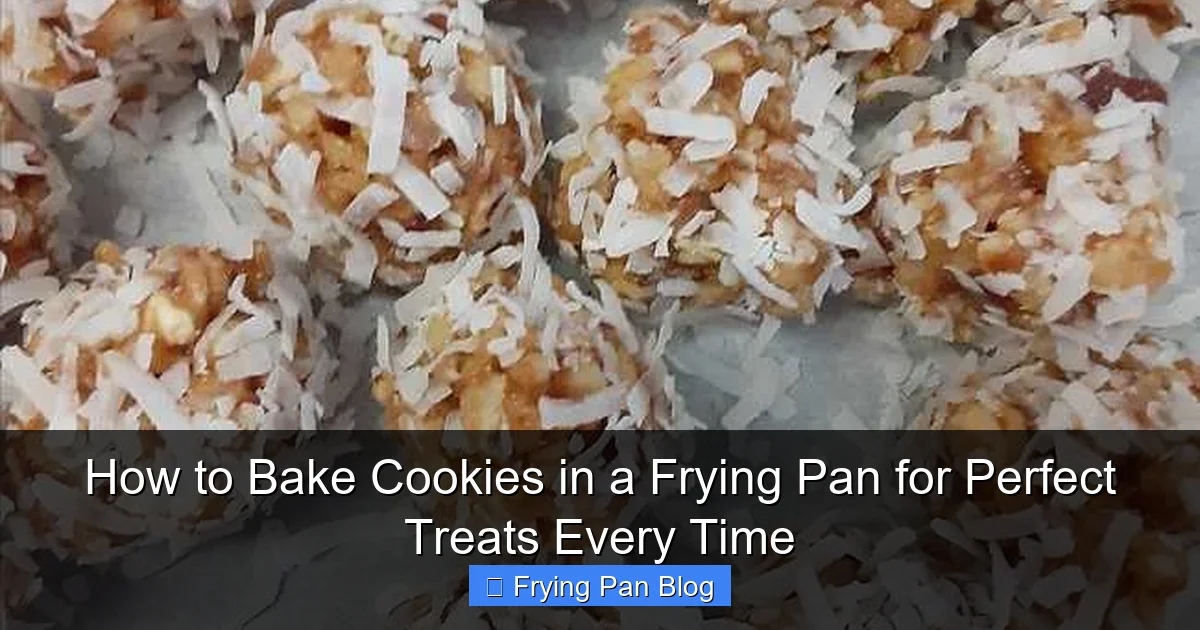
Visual guide about How to Bake Cookies in a Frying Pan for Perfect Treats Every Time
Image source: thedelishrecipe.com
Dough Consistency Matters
For frying pan baking, it’s best to use dough that isn’t too runny or sticky. Slightly thicker dough holds shape better and cooks evenly. If your dough is very soft, chill it in the fridge for 15-30 minutes before cooking.
Step 2: Prepare Your Frying Pan
Selecting Your Pan
Use a good-quality non-stick frying pan for best results. A pan 8-10 inches wide is ideal for making multiple cookies at once without overcrowding. Avoid pans with warped bottoms, as even heat distribution is key.
Greasing and Lining
Lightly grease the pan with butter or cooking spray to prevent sticking. Alternatively, cut parchment paper or a silicone baking mat to fit the pan’s bottom. This helps keep cookies intact and makes cleanup easier.
Step 3: Preheat the Pan on Low Heat
Why Low Heat?
Cookies need gentle heat to cook through without burning the bottom. Preheat your pan on the lowest setting for 2-3 minutes. Avoid medium or high heat, which can burn the cookie base while leaving the center raw.
Test the Pan Temperature
Before adding dough, sprinkle a few drops of water on the pan. If they dance or evaporate slowly, the temperature is right. If water sizzles aggressively, lower the heat.
Step 4: Shape and Place Cookie Dough in the Pan
Portioning Dough
Use a cookie scoop or spoon to portion dough into small balls (about 1-2 inches diameter). This helps cookies cook evenly and fit comfortably in the pan.
Spacing is Important
Place dough balls in the pan leaving at least 1 inch between each. Cookies will spread as they cook. Overcrowding causes them to merge and cook unevenly.
Step 5: Cover and Cook the Cookies
Using a Lid
Cover the frying pan with a lid. This traps heat and mimics the effect of an oven, cooking the top of the cookies gently while the bottom cooks on the pan.
Cooking Time
Cook the cookies on low heat for 8-12 minutes. Check them after 8 minutes—edges should look set, and tops slightly puffed. If not done, cook for a few more minutes, watching carefully.
Step 6: Flip (Optional) and Finish Cooking
Flipping Cookies
For thicker cookies, gently flip each cookie using a spatula halfway through cooking. This ensures both sides are cooked evenly. Be careful as cookies are fragile when warm.
Finishing Up
Once cookies are golden brown on the edges and cooked through, remove the pan from heat. Let cookies cool in the pan for 2-3 minutes before transferring to a cooling rack or plate.
Step 7: Serving and Storing Your Cookies
Enjoy Warm or Cool
Cookies taste amazing warm and gooey right out of the pan. You can also let them cool completely for a firmer texture.
Storage Tips
Store leftover cookies in an airtight container at room temperature for up to 3 days. Reheat in the frying pan for a few minutes to bring back softness.
Practical Tips for Perfect Frying Pan Cookies
- Use a heavy-bottom pan: This helps distribute heat evenly and prevents hot spots.
- Don’t rush the cooking: Low and slow is the key to avoid burnt bottoms and raw centers.
- Experiment with sizes: Smaller cookies cook faster; larger ones may need flipping.
- Add mix-ins last: If adding chocolate chips or nuts, press them gently into the dough after placing in the pan.
- Chill dough if it spreads too much: Firm dough holds shape better in a frying pan.
Troubleshooting Common Issues
Cookies Are Burning on the Bottom but Raw on Top
Lower the stovetop heat and keep the pan covered with a lid. This helps cook the top without burning the bottom. Consider flipping cookies halfway through cooking.
Cookies Spread Too Much and Merge Together
Chill your dough before cooking and space cookies further apart in the pan. Using thicker dough also helps maintain shape.
Cookies Stick to the Pan
Ensure your pan is well-greased or lined with parchment paper. Using a non-stick pan is highly recommended.
Uneven Cooking
Use a heavy-bottom pan and keep heat low and steady. Avoid overcrowding the pan, which prevents heat circulation.
Conclusion
Baking cookies in a frying pan is a fun, easy, and effective way to enjoy fresh treats anytime, anywhere. With just a few simple tools and some patience, you can master this technique to create perfectly cooked cookies without an oven.
Remember to use low heat, cover your pan, and choose the right dough for the best results. Don’t be afraid to experiment with flavors and cookie sizes, and soon you’ll have a new favorite baking hack that impresses friends and family alike.
So grab your frying pan, your favorite cookie dough, and get ready to bake perfect treats every time!
🎥 Related Video: SUPER EASY Pan Chocolate chip Cookies
📺 Rayhan Shaik
