
Contents
- 1 Key Takeaways
- 2 How to Cook Pasta in a Rice Cooker: Easy Kitchen Hack
- 3 Why Use a Rice Cooker for Pasta?
- 4 What You’ll Need
- 5 Basic Pasta in Rice Cooker Method
- 6 Cooking Different Types of Pasta
- 7 Adding Flavor and Ingredients
- 8 Troubleshooting Common Issues
- 9 Tips for Perfect Results
- 10 Advanced Techniques
- 11 Conclusion
Key Takeaways
- Perfect Water Ratio: Use a 2:1 water-to-pasta ratio for most rice cookers to ensure proper cooking without mushiness.
- Timing Varies: Small pasta shapes cook in 15-20 minutes, while longer noodles need 20-25 minutes in the rice cooker.
- Add Flavor: Enhance plain pasta by adding salt, olive oil, garlic, or herbs directly to the cooking water.
- One-Pot Meal: Mix in vegetables, protein, and sauce after cooking for a complete dinner in one appliance.
- Drain Properly: Always drain pasta immediately after cooking to prevent overcooking from residual heat.
- Clean Easily: The non-stick rice cooker pot makes cleanup faster than traditional pot cooking.
- Versatile Method: Works with most pasta types including spaghetti, penne, fusilli, and elbow macaroni.
How to Cook Pasta in a Rice Cooker: Easy Kitchen Hack
Imagine making fluffy rice and tender pasta using the same convenient appliance. This clever kitchen hack transforms your rice cooker into a pasta-cooking powerhouse. No more watching boiling pots, dealing with sticky pasta, or scrubbing large cooking vessels. This method works perfectly for small kitchens, dorm rooms, or anyone seeking a hands-off approach to dinner.
In this guide, you’ll learn the foolproof technique for cooking pasta in a rice cooker. We’ll cover everything from basic ratios to advanced flavor combinations. You’ll discover timing secrets for different pasta shapes and get troubleshooting tips for common issues. By the end, you’ll be able to prepare perfect pasta with minimal effort and cleanup.
Why Use a Rice Cooker for Pasta?
Traditional pasta cooking requires constant attention. You need to watch for water boil-overs, test for doneness, and handle heavy pots. A rice cooker eliminates these headaches through its automated temperature control. The appliance switches to warming mode once liquid absorbs or evaporates, preventing burnt pasta.
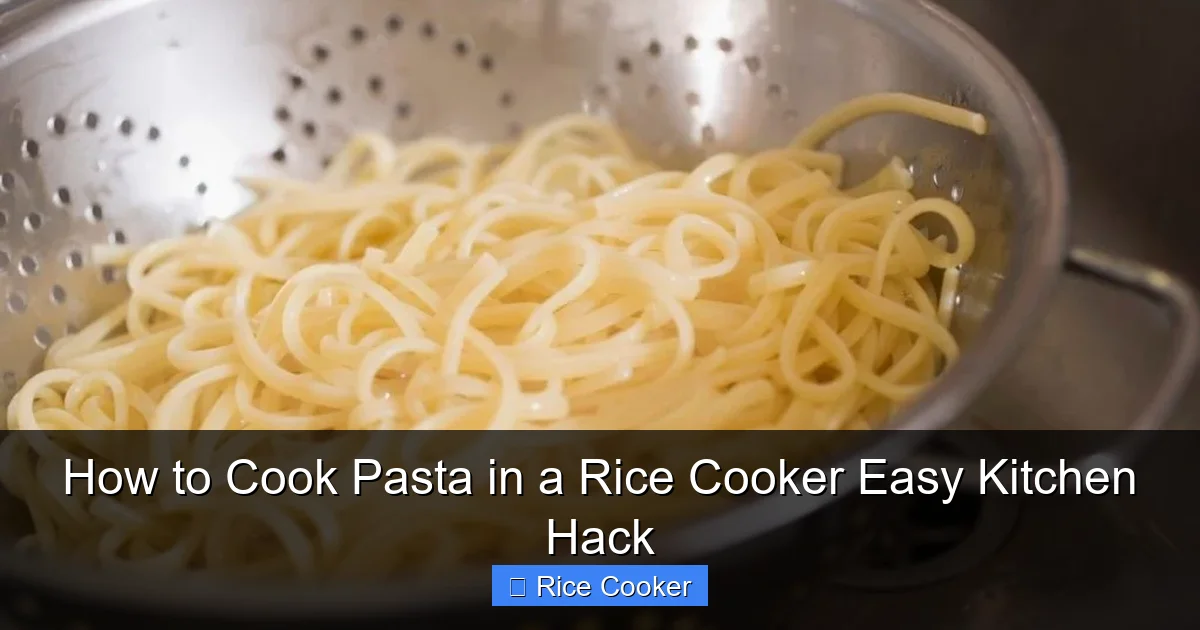
Visual guide about How to Cook Pasta in a Rice Cooker Easy Kitchen Hack
Image source: recipemarker.com
This method shines for several reasons. First, it’s perfect for meal prep. Add your ingredients, press a button, and walk away. Second, it saves stovetop space for other dishes. Third, the non-stick inner pot makes cleanup incredibly simple. Finally, it’s ideal for beginners who struggle with timing on the stove.
Many people wonder if the results match traditional methods. The answer is yes. Rice cooker pasta turns out just as tender and delicious as stovetop versions. The main difference is the slower, gentler heating process that actually reduces the risk of undercooked centers or mushy exteriors.
What You’ll Need
Essential Equipment
You only need a few basic items to cook pasta in a rice cooker. Most home cooks already own everything required.

Visual guide about How to Cook Pasta in a Rice Cooker Easy Kitchen Hack
Image source: nomadette.com
- Rice cooker: Any standard model works, from basic units to advanced fuzzy logic cookers. The inner pot should be at least 3 cups capacity for most pasta recipes.
- Measuring cup: Use your rice cooker’s measuring cup or a standard kitchen cup for accuracy.
- Long-handled spoon: For stirring ingredients and testing pasta doneness.
- Colander: Essential for draining pasta immediately after cooking.
Basic Ingredients
Keep your pantry stocked with these simple ingredients for basic rice cooker pasta.
- Dried pasta: Any shape works—spaghetti, penne, fusilli, elbow macaroni, or angel hair.
- Water: Cold tap water is fine. Use filtered water if your tap water has strong flavors.
- Salt: Kosher salt or table salt for seasoning the cooking water.
- Olive oil: Optional, but a teaspoon prevents sticking and adds flavor.
Basic Pasta in Rice Cooker Method
This foundational technique works for most pasta types. Follow these steps precisely for best results.

Visual guide about How to Cook Pasta in a Rice Cooker Easy Kitchen Hack
Image source: nomadette.com
Step 1: Measure Your Ingredients
Start by measuring your pasta. For a standard meal, use 2 cups of dried pasta. This serves 3-4 people. Adjust amounts based on your needs and rice cooker size.
Next, measure water using a 2:1 ratio. For every 1 cup of pasta, add 2 cups of water. So 2 cups of pasta requires 4 cups of water. This ratio ensures enough liquid for complete cooking without excess water that needs draining later.
Add 1 teaspoon of salt to the water. This seasons the pasta from within. Include 1 teaspoon of olive oil if desired. The oil creates a light coating that prevents clumping.
Step 2: Add Ingredients to the Rice Cooker
Place the inner pot into your rice cooker. Pour in the measured water first. This prevents pasta from sticking to the bottom during the initial heating phase.
Add the salt and olive oil. Stir gently to combine. The salt should dissolve quickly in the water.
Carefully add your pasta. Break longer noodles like spaghetti in half to fit evenly in the pot. Spread the pasta in an even layer. Give the pot a gentle shake to distribute everything.
Do not stir after adding pasta. This can cause breakage or uneven cooking. The water will soften the pasta naturally as it heats.
Step 3: Start the Cooking Cycle
Place the lid on the rice cooker. Ensure it’s properly sealed. Plug in the appliance and press the “Cook” button. Most rice cookers default to the standard white rice setting, which works perfectly for pasta.
Set a timer for 15 minutes. This gives you a baseline for checking doneness. Different pasta shapes require different cooking times, which we’ll cover in detail later.
Avoid opening the lid during cooking. Each peek releases steam and heat, extending the cooking time. Trust the process and let the rice cooker work its magic.
Step 4: Check for Doneness
When your timer sounds, open the lid carefully. Steam will escape, so keep your face and hands clear.
Stir the pasta gently with a long-handled spoon. Look for even tenderness throughout. The pasta should be al dente—tender with a slight bite in the center.
Test a piece by biting it. If it’s still too firm, close the lid and cook for 2-3 more minutes. Check again. Most pasta reaches perfection within 15-25 minutes total.
Remember that pasta continues cooking slightly from residual heat after draining. It’s better to undercook by 1 minute than to overcook.
Step 5: Drain and Serve
Once the pasta reaches your desired doneness, immediately unplug the rice cooker. Carefully remove the inner pot using oven mitts if it’s too hot to handle.
Place a colander in your sink. Pour the pasta and water mixture into the colander. Shake gently to remove all excess water. This step is crucial for preventing soggy pasta.
Let the pasta drain for 1-2 minutes. Then transfer it to a serving bowl or directly to plates. Add your favorite sauce, cheese, or toppings immediately while the pasta is still hot.
Cooking Different Types of Pasta
Not all pasta shapes cook at the same rate. Here’s a detailed guide for various types.
Long Pasta: Spaghetti and Linguine
Break spaghetti or linguine in half before adding to the rice cooker. This allows even cooking and prevents tangling. Use the basic method with 2 cups of broken pasta and 4 cups of water.
Cook for 18-22 minutes. These thicker noodles need extra time to soften completely. Check at 18 minutes and add 2-minute increments as needed.
Stir gently after 10 minutes of cooking to prevent strands from sticking together. The gentle agitation mimics hand-stirring on the stove.
Tube Pasta: Penne and Rigatoni
Penne and rigatoni work beautifully in rice cookers. Their hollow centers trap water, ensuring even cooking. Use the standard 2:1 water ratio.
Cook for 16-20 minutes. The tube shape holds its structure well. Check at 16 minutes for al dente texture.
These shapes are perfect for one-pot meals. Add sauce ingredients after draining and toss directly in the rice cooker pot for easy serving.
Small Pasta: Elbow Macaroni and Orzo
Small pasta shapes cook faster than larger ones. Reduce cooking time to prevent mushiness. Use 2 cups of pasta with 4 cups of water.
Cook for only 12-15 minutes. Check at 12 minutes. These tiny shapes absorb water quickly and can turn to mush if overcooked.
Orzo, despite its rice-like appearance, is pasta. It cooks in just 10-12 minutes. Perfect for quick side dishes.
Delicate Pasta: Angel Hair
Angel hair pasta is very thin and cooks extremely fast. Use the same 2:1 water ratio but reduce cooking time significantly.
Cook for just 8-10 minutes. Check at 8 minutes. This pasta can go from perfect to overcooked in under 2 minutes.
Handle angel hair gently when stirring. Its delicate strands break easily. Use a light touch when mixing with sauce after draining.
Adding Flavor and Ingredients
Plain pasta is a blank canvas. Transform it into a complete meal with these simple additions.
Seasoning the Water
Salt is essential. Use 1 teaspoon per 4 cups of water. This seasons the pasta internally, creating better flavor than salting after cooking.
Add minced garlic or onion to the water. These aromatics infuse the pasta with subtle flavor. Use 1-2 cloves of garlic for every 2 cups of pasta.
Include dried herbs like oregano, basil, or thyme. Add 1 teaspoon with the salt. The hot water extracts the herb oils, seasoning the pasta throughout.
Adding Protein
Cooked proteins can be added after the pasta finishes. Try diced cooked chicken, shrimp, or canned tuna. Toss them with the hot pasta to warm through.
For a protein boost, add a beaten egg to the cooking water during the last 2 minutes. It creates egg ribbons similar to egg drop soup, coating the pasta.
Canned beans work well too. Drain and rinse 1 can of cannellini or chickpeas. Add them in the last 5 minutes of cooking. They’ll absorb flavor from the water.
Incorporating Vegetables
Chop vegetables into small, uniform pieces. Add hard vegetables like broccoli or carrots in the last 5 minutes of cooking. They’ll steam perfectly alongside the pasta.
Leafy greens like spinach or kale can be stirred in after draining. The residual heat wilts them quickly without overcooking.
Remember that vegetables release water. You may need to reduce the initial water amount by 1/4 cup when adding vegetables to prevent sogginess.
Creating One-Pot Meals
After draining pasta, return it to the rice cooker pot. Add your favorite sauce, cheese, and toppings. Turn the cooker back on for 2-3 minutes to melt cheese and combine flavors.
Try this simple aglio e olio: After draining, add 3 minced garlic cloves, 1/4 teaspoon red pepper flakes, and 2 tablespoons olive oil. Toss for 2 minutes until fragrant.
Mac and cheese becomes effortless. Cook elbow macaroni, drain, then add 1 cup milk, 2 cups shredded cheese, and 2 tablespoons butter. The residual heat creates a creamy sauce without extra pans.
Troubleshooting Common Issues
Even with careful timing, issues can arise. Here’s how to fix them.
Pasta Is Too Mushy
Overcooking is the main culprit. Next time, reduce cooking time by 2-3 minutes. Remember that residual heat continues cooking after draining.
Using too much water can also cause mushiness. Stick to the 2:1 ratio. Excess water keeps pasta submerged too long, breaking it down.
If you added vegetables, they may have released too much liquid. Reduce added water by 1/4 cup when using watery vegetables like zucchini.
Pasta Is Undercooked or Hard
The cooking time was too short. Add 2-3 minutes next time. Different rice cooker models vary in power, so adjust accordingly.
Not enough water prevents complete cooking. Always use the 2:1 ratio. The pasta needs enough liquid to absorb fully.
Opening the lid too often releases steam and heat. Avoid checking before 12 minutes for most pasta types.
Pasta Stuck to the Bottom
Adding pasta to hot pot causes sticking. Always add water first, then pasta. The water creates a barrier between the pasta and hot metal.
Stirring too early can break pasta and cause clumping. Wait at least 5 minutes before the first gentle stir.
Insufficient water also causes sticking. Measure carefully. The water should fully cover the pasta by at least 1 inch.
Water Didn’t Absorb Completely
You used too much water. The 2:1 ratio is precise. Reduce water by 1/4 cup if you consistently have excess liquid.
The cooking cycle ended too early. Some rice cookers switch to warm mode before all water absorbs. If this happens, press cook for another 3-5 minutes.
Always drain excess water. Don’t serve pasta with cooking water still in the pot. This makes the dish watery and dilutes flavors.
Pasta Tastes Bland
You didn’t salt the water enough. Increase salt to 1.5 teaspoons per 4 cups of water. This makes a noticeable difference.
Add flavor during cooking. Include garlic, onion, or herbs in the water. These infuse the pasta from within.
Finish with fresh ingredients. A squeeze of lemon juice, fresh herbs, or high-quality olive oil brightens the flavor dramatically.
Tips for Perfect Results
Preventing Boil-Overs
Place a wooden spoon across the top of the rice cooker pot before closing the lid. This breaks surface tension and prevents water from bubbling over.
Don’t fill the pot beyond the 2-cup pasta mark. Rice cookers have maximum fill lines for a reason. Exceeding them causes spills.
Keep the exterior clean. Food debris on the lid or rim can cause improper sealing and leaks.
Achieving Al Dente Texture
Set a timer for 2 minutes less than the package directions. Rice cookers cook slower than stovetop boiling, so start checking early.
Test frequently once you approach the estimated cooking time. Pasta can go from perfect to overcooked quickly.
Err on the side of undercooked. You can always add more time, but you can’t fix mushy pasta.
Cleaning Your Rice Cooker
Clean the pot immediately after use. Soak it in warm, soapy water while you eat. Pasta residue comes off easily when soaked.
Never use abrasive scrubbers on the non-stick surface. A soft sponge or cloth prevents damage to the coating.
Remove the inner pot to clean separately. Wipe the heating element with a dry cloth. Avoid getting water on the electrical components.
Scaling Recipes
For larger portions, maintain the 2:1 water-to-pasta ratio. Most standard rice cookers handle up to 3 cups of dried pasta maximum.
For smaller portions, reduce both pasta and water proportionally. 1 cup pasta needs 2 cups water. Cooking time stays the same.
Adjust salt proportionally. Use 1/2 teaspoon salt for 2 cups of water, 1 teaspoon for 4 cups, etc.
Storing Leftovers
Cool pasta completely before refrigerating. Spread it on a baking sheet for 15 minutes to prevent clumping.
Store in an airtight container for up to 3 days. Pasta reheats better when stored with a small amount of olive oil to prevent sticking.
Reheat in the microwave with a damp paper towel over the top. This adds moisture back into the pasta.
Advanced Techniques
Making Pasta Water for Sauce
Save some starchy cooking water before draining. This liquid gold helps sauces cling to pasta. Reserve 1/2 cup before draining.
The rice cooker method produces perfectly starchy water because the pasta cooks slowly in concentrated liquid.
Use this water immediately. It loses its starchiness if refrigerated.
Cooking Pasta with Other Grains
Mix pasta with rice for a unique side dish. Use 1 cup pasta and 1 cup rice with 4 cups water. Cook for 20 minutes.
Add quinoa or barley to pasta. These grains cook at similar rates and create interesting textures.
Season generously when combining different starches. They absorb more flavor than single-ingredient cooking.
Creating Cold Pasta Salads
Cook pasta as directed, then rinse under cold water after draining. This stops the cooking process and removes excess starch.
Pat dry or spread on a towel to remove surface moisture. This prevents watery salad dressings.
Mix with vinaigrette while still slightly warm. The pasta absorbs the dressing better, creating more flavorful results.
Conclusion
Cooking pasta in a rice cooker simplifies dinner preparation without sacrificing quality. This method saves time, reduces cleanup, and produces consistently tender results. Whether you’re a busy parent, a college student, or just tired of watching boiling pots, this hack transforms pasta night.
Remember the key principles: use the 2:1 water ratio, adjust timing for different shapes, and drain immediately after cooking. Experiment with added flavors and ingredients to create complete one-pot meals. Your rice cooker is more versatile than you imagined.
Start with the basic method, then adapt it to your preferences. Try different pasta shapes, add your favorite vegetables, and create signature dishes. The possibilities are endless with this simple kitchen hack.
Your rice cooker can handle more than just rice. For perfect rice every time, check out our guide on how to cook rice perfectly. And if you’re looking to streamline your dinner routine further, learn how to save time while cooking daily meals. These techniques will make your kitchen more efficient and enjoyable.
🎥 Related Video: my ultimate lazy pasta hack #easyrecipe #ricecooker
📺 Nomadette Eats
