
You can make food taste full and lively without adding more salt by using herbs, spices, acids, and cooking methods that pull out natural flavors. I write this as Emma Reed, and I’ll show simple swaps and techniques you can use tonight to boost taste without extra sodium. Use fresh herbs, bold spices, concentrated umami ingredients, and bright acids to replace salt and make food taste complete.
I’ll guide you through easy ways to roast, sauté, and season so your meals feel richer, brighter, and more balanced. You’ll learn quick tricks for texture, aroma, and smart tasting that keep dishes satisfying while helping you eat healthier.
Key Takeaways
- Swap salt with herbs, spices, and acidic ingredients to lift flavor.
- Use cooking techniques and umami-rich components to deepen taste.
- Taste and adjust gradually to build balanced, lower-sodium meals.
Contents
- 1 Understanding the Role of Salt in Flavor
- 2 Boosting Flavor Using Fresh Herbs
- 3 Enhancing Dishes With Spices and Seasonings
- 4 Utilizing Acidity for Depth of Flavor
- 5 Maximizing Umami in Meals
- 6 Improving Texture and Aroma
- 7 Experimenting With Healthy Condiments
- 8 Tips for Adjusting Recipes and Tasting
- 9 Encouraging Healthy Habits in Everyday Cooking
- 10 FAQs
- 11 Conclusion
Understanding the Role of Salt in Flavor
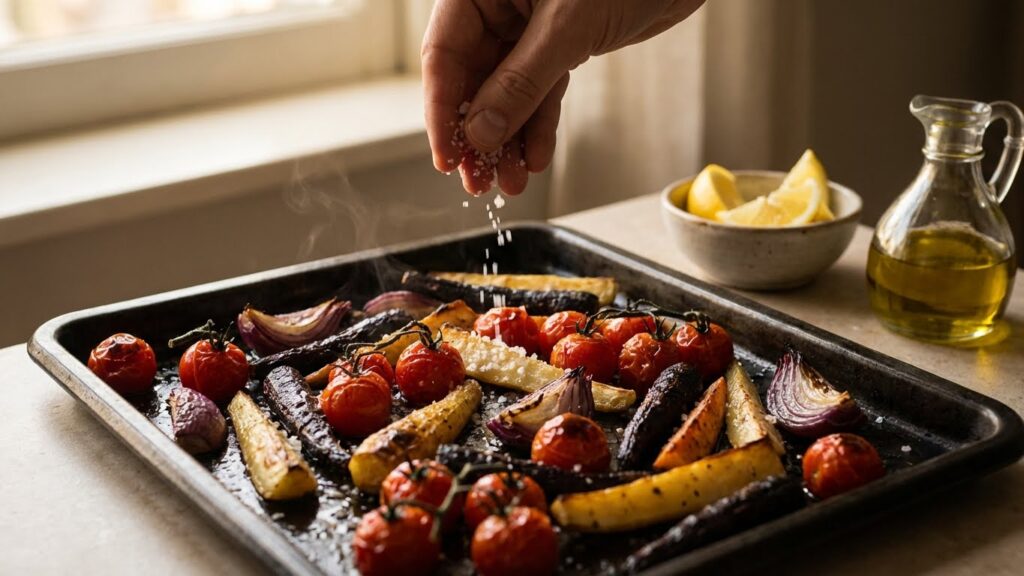
Salt changes how food tastes and feels. I focus on why it makes ingredients brighter and how you can get similar effects without adding more sodium.
How Salt Enhances Taste
Salt makes sweet, sour, and savory notes clearer by lowering bitterness and boosting aroma perception. When I add a small pinch to tomatoes or roasted vegetables, their natural sugars seem sweeter and their body feels fuller. In meats, salt helps proteins hold water during cooking, which keeps the texture juicier and the mouthfeel richer.
Salt also affects smell. I notice soups and sauces smell stronger after salting early or at the end. That stronger aroma helps flavors register more quickly on the tongue. Use salt sparingly; too much masks delicate flavors and makes dishes flat.
Balancing Flavors Without Sodium
I use acid, fat, umami, and texture to replace extra salt. A splash of lemon or vinegar brightens a stew the same way a pinch of salt would, while olive oil or butter adds weight and smooths sharp edges. For umami, I add mushrooms, ripe tomatoes, anchovies, or a little soy or miso paste to deepen savory notes without dumping sodium.
I also adjust cooking methods: roasting concentrates sweetness and adds browning that tastes savory. Toasting spices or reducing sauces brings forward flavor compounds so I need less salt. Finally, fresh herbs and aromatics—garlic, ginger, cilantro—add clear, specific flavors that make dishes feel well-seasoned without extra sodium.
Boosting Flavor Using Fresh Herbs
I rely on fresh herbs to add bright, layered flavor without salt. They give aroma, texture, and contrast that lift simple ingredients.
Popular Herbs for Cooking
I keep a small selection of herbs that suit most meals: basil, cilantro, parsley, rosemary, thyme, and mint. Basil works well with tomatoes, mozzarella, and pasta. Cilantro brightens salsas, curries, and lime-based dishes. Parsley adds a clean, slightly bitter note to soups and sauces.
Rosemary and thyme stand up to long cooking and pair with roasted meats and root vegetables. Mint adds freshness to salads, drinks, and lamb. I use flat-leaf parsley for cooking and curly for garnish. For storage, I trim stems, place herbs in a jar with a little water, and loosely cover with a plastic bag in the fridge to extend shelf life.
Pairing Herbs With Different Dishes
I match herb intensity to dish strength. Use strong herbs like rosemary and thyme with beef, pork, and roasted potatoes. Delicate herbs—basil, chives, and tarragon—go with fish, eggs, and soft cheeses.
For Mediterranean dishes: basil, oregano, and parsley are my go-tos. For Asian or Mexican flavors: cilantro, mint, and Thai basil work best. I often finish a dish with chopped fresh herbs rather than cooking them for long. That keeps their aroma and bright flavor. For more on herb pairings and storage, I consult resources like the USDA herb guidelines and reputable culinary sites such as Serious Eats.
Enhancing Dishes With Spices and Seasonings
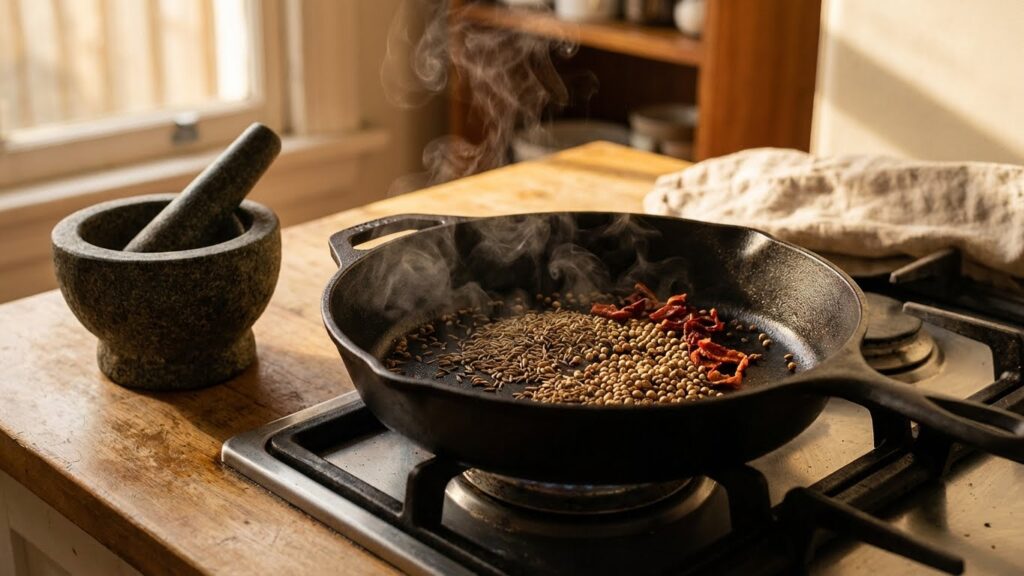
I focus on spices and seasonings that boost depth, aroma, and balance without adding salt. Small changes—like a pinch of smoked paprika or a squeeze of lemon—can transform a dish.
Choosing the Right Spice Combinations
I start by matching spices to the main ingredient. For chicken or fish, I pair citrus peel, paprika, and thyme. For beef or legumes, I choose cumin, coriander, and smoked chili to add warmth and earthiness.
I use a simple rule: one dominant spice, one supporting spice, and one accent. Dominant spices are bold (cumin, smoked paprika). Supporting spices add complexity (garlic powder, onion flakes). Accents are bright or floral (lemon zest, sumac, mint).
I also watch quantities. Toasted spices are potent, so I add them sparingly and taste as I go. When trying new blends, I make a small test batch on a spoon before seasoning the whole dish.
Toasting and Grinding Spices for Maximum Flavor
I toast whole spices in a dry skillet for 1–2 minutes until fragrant to release essential oils. Watch closely; they can burn fast. Once cooled, I grind them fine for even distribution.
I prefer a mortar and pestle for small batches because it preserves texture control. For larger amounts, an electric grinder saves time. I grind just before use; ground spices lose aroma quickly.
I store leftover whole spices in airtight containers away from light and heat. Labeling with the toast and grind date helps me know when to replace them for peak flavor.
Utilizing Acidity for Depth of Flavor
I use acids to wake up flavors, cut richness, and add brightness to dishes. Small amounts of citrus, vinegar, or fermented products change texture and make other ingredients taste more distinct.
Cooking With Citrus and Vinegar
I add citrus or vinegar near the end of cooking to preserve their bright notes. For chicken or fish, a squeeze of lemon or lime just before serving lifts the whole plate. When I marinate proteins, I use acid plus oil and herbs; the acid tenderizes and helps flavors penetrate. For roasted vegetables, a splash of sherry or balsamic vinegar after roasting adds a caramel-like tang without extra salt.
I keep a few go-to acids on hand:
- Lemon or lime juice for fresh, clean brightness.
- White wine or rice vinegar for light acidity in sauces.
- Balsamic or sherry vinegar for richer, sweeter notes.
Measure conservatively. I start with 1 teaspoon per serving, taste, then add more in small steps.
Balancing Acid and Sweetness
I balance acid with a touch of sweetness to soften sharp edges without hiding brightness. For tomato sauces or stews, I add a teaspoon of sugar, honey, or grated carrot to round acidity. In vinaigrettes, I follow a simple ratio: 3 parts oil to 1 part acid, then adjust with a pinch of sweetener if the dressing bites too hard.
Use this checklist when balancing:
- Taste first, then add acid in small amounts.
- If acid feels harsh, add 1/4 teaspoon sweetener and retaste.
- Consider fat (butter, oil) to mellow acidity while keeping flavor clarity.
I always adjust in small steps and taste between additions to keep control over the final flavor.
Maximizing Umami in Meals
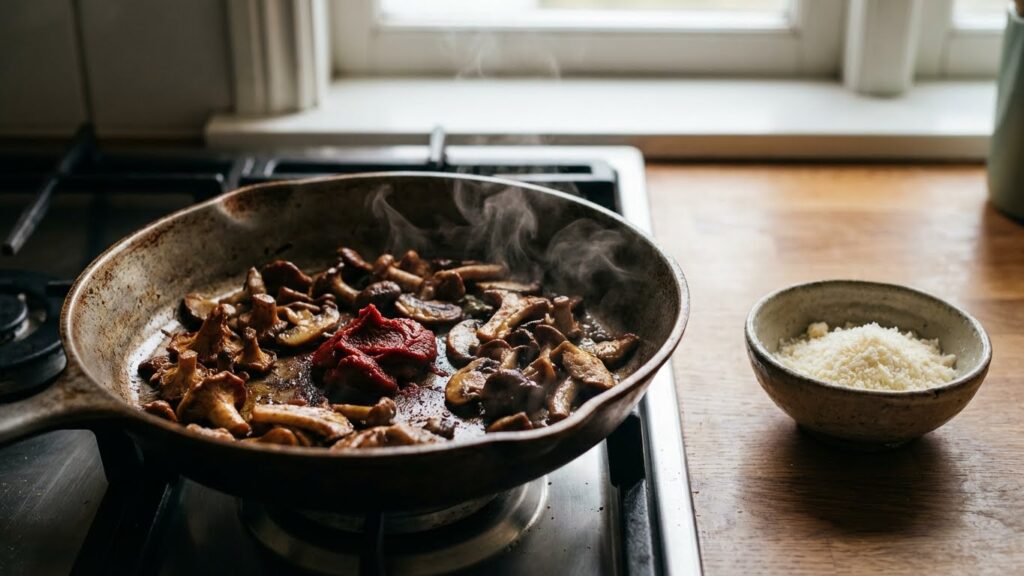
I focus on ingredients and techniques that add savory depth without relying on salt. Small amounts of the right items can change a dish from flat to rich and satisfying.
Natural Umami-Rich Ingredients
I use mushrooms, tomatoes, aged cheeses, and nutritional yeast as my go-to umami boosters. Mushrooms (especially shiitake and porcini) give a meaty, earthy note when sautéed or roasted. Sun-dried tomatoes pack concentrated glutamates; I add them chopped to sauces or dressings.
Aged cheeses like Parmesan or Pecorino add savory punch; I grate a little over pasta, vegetables, or soups. Nutritional yeast works well in vegan dishes for a cheesy, savory flavor—sprinkle it on roasted veggies or blend into sauces. I also keep mushroom powder and tomato paste on hand for quick flavor lifts. Use these in small amounts, taste often, and adjust to avoid overpowering the dish.
Using Fermented Foods for Extra Depth
I rely on fermented foods to bring layered umami and complexity. Miso paste (white or red) dissolves into soups, marinades, and dressings to add depth; start with a teaspoon and build from there. Soy sauce and tamari add savory saltiness plus fermentation notes—use low-sodium versions if you want less sodium but still want umami.
Other options: fish sauce for Southeast Asian profiles, kimchi or sauerkraut for tangy savory hits, and fermented bean pastes for stews and braises. I add these at different cooking stages—early for base depth, late for a bright finish. A little goes a long way; taste as you go and balance with acid or sweetness when needed.
Improving Texture and Aroma
I focus on small changes that change how food feels and smells. Texture and aroma come from cooking methods and strong aromatics like garlic and onion.
Cooking Techniques That Build Flavor
I use high heat to brown meat and vegetables because the Maillard reaction creates complex savory notes. Sear steaks or mushrooms in a hot, dry pan for 2–3 minutes per side before finishing in the oven. For vegetables, roast at 425°F (220°C) to get crisp edges and sweet, caramelized centers.
I also layer cooking steps. I sweat aromatics first, then add spices and deglaze with acid or stock. This lifts the browned bits and concentrates flavor. Slow braises break down collagen into gelatin, giving sauces a silky mouthfeel that feels richer without salt.
Use texture contrasts: a crunchy topping (toasted nuts or panko) brightens soft dishes like mashed vegetables or stews. Finish with a drizzle of good oil for shine and a smooth finish.
Harnessing Aromatics Like Garlic and Onion
I treat garlic and onion as building blocks. I caramelize onions slowly over medium-low heat for 20–30 minutes to draw out sweet, savory depth. For garlic, I avoid burning; I add minced garlic in the last 60–90 seconds of sautéing so it turns golden but not bitter.
I vary forms for different effects. Sliced onions add body, finely minced garlic gives immediate aroma, and roasted whole cloves become soft, nutty, and spreadable. I also use garlic confit when I want mellow garlic flavor and silky texture.
To boost aroma, I bloom dried spices in hot oil for 30 seconds before adding other ingredients. I finish dishes with raw chopped aromatics—green onions, chives, or garlic scapes—to add fresh scent and a clean bite.
Experimenting With Healthy Condiments
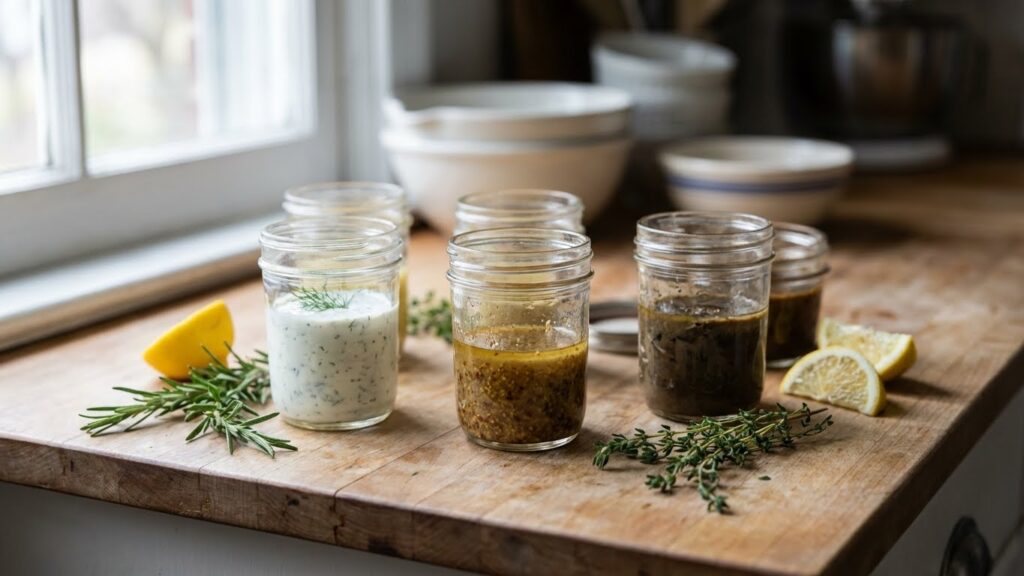
I focus on condiments that add bold flavor without extra sodium. Small amounts of the right sauces or dressings can lift a dish, add moisture, and replace the need for salt.
Creating Low-Sodium Sauces
I make low-sodium sauces by using umami-rich ingredients and acid to build depth. Start with reduced-sodium soy or tamari, then stretch it with brewed mushroom stock or rehydrated shiitake liquid for savory depth. Add a splash of balsamic or rice vinegar to brighten flavors. For texture, whisk in a small amount of tahini or pureed roasted red pepper.
Tools that help: a blender for smooth sauces and a small saucepan to reduce and concentrate flavors. I taste as I go and add fresh herbs at the end—parsley, cilantro, or chives—to keep brightness. For reliable guidance on sodium swaps, I often consult resources like the American Heart Association for recommended limits and alternative ideas.
Incorporating Mustards and Yogurt-Based Dressings
I use mustards and yogurt to add tang and creaminess without salt. Mustard (Dijon or whole-grain) gives sharpness and a spicy note; mix 1 part mustard with 2–3 parts plain Greek yogurt for dressings. Lemon juice or apple cider vinegar balances the richness and wakes up other flavors.
For dressings, I whisk in garlic, diced shallot, and chopped herbs, or blend with cucumber for a tzatziki-style sauce. Greek yogurt adds protein and a thick mouthfeel that coats ingredients well, reducing the need to add salt later. For safe handling and recipes, I check USDA guidelines on dairy storage and freshness.
Tips for Adjusting Recipes and Tasting
I focus on small, clear changes and tasting steps that help you fix flavor without just adding salt. You’ll learn how to build taste slowly and how to taste like a cook to spot what a dish really needs.
Gradual Flavor Adjustments
I add flavor in small steps so I don’t overshoot. Start with a 1/4 teaspoon or a splash of an acidic ingredient, then wait a few minutes and taste. Repeat in small increments until the balance feels right.
I use concentrated ingredients sparingly: a teaspoon of soy sauce, a squeeze of lemon, or a teaspoon of miso can add umami without much sodium if diluted first. I also add fresh herbs at the end for bright notes, and dried spices early so they bloom while cooking.
Keep a tasting note: what you added, when, and how much. That helps me repeat successes and avoid repeating mistakes.
Understanding Tasting Techniques
I taste actively and in stages: base (salt/acid/umami), middle (herbs/spices), and finish (texture and aroma). I spoon a small sample, let it cool a bit, and breathe in the aroma before I judge.
I use this checklist when tasting:
- Acid: Brighten with lemon, vinegar, or tomatoes.
- Sweetness: Balance bitterness with a pinch of sugar or cooked onion.
- Bitter or harsh: Add fat (butter, olive oil) or dairy to round flavors.
- Umami: Add tomato paste, mushrooms, or a small amount of miso.
I taste between adjustments, not continuously. That pause lets flavors settle and shows the real effect of each change.
Encouraging Healthy Habits in Everyday Cooking
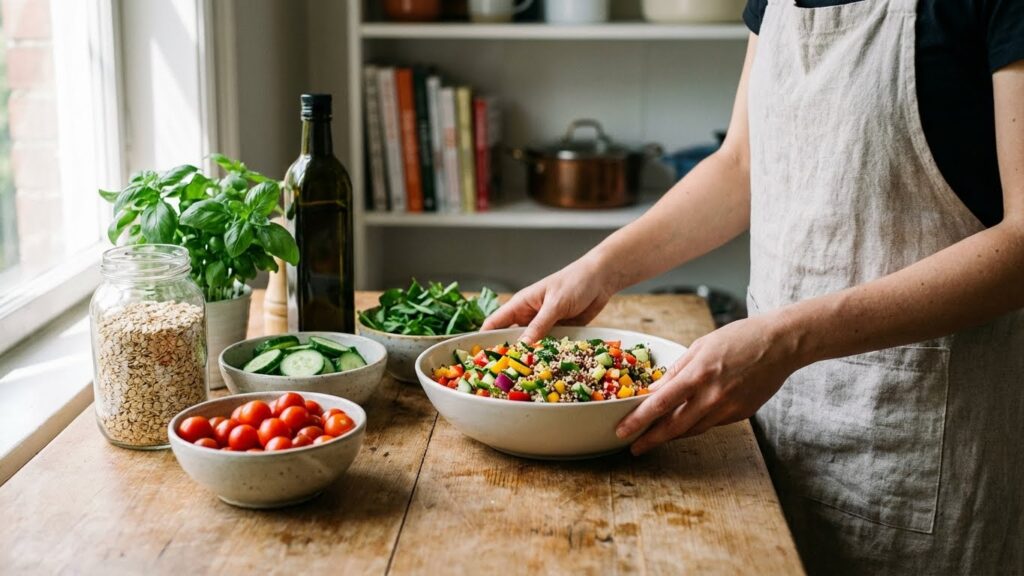
I plan meals that focus on whole ingredients and clear flavors. Choosing fresh vegetables, lean proteins, and whole grains makes food taste better without needing extra salt.
I use herbs, spices, acids, and umami-rich ingredients to boost flavor. Small jars of dried herbs and a few fresh sprigs change dishes a lot, and a splash of lemon or vinegar brightens sauces and salads.
I cook with techniques that deepen taste. Roasting, searing, and caramelizing concentrate natural flavors. Taking a little extra time to brown vegetables or proteins pays off in richer, salt-free taste.
I keep a simple toolkit on hand so healthy cooking stays easy. I store a few go-to items in the pantry:
- Olive oil, garlic, onions
- Dried oregano, paprika, black pepper
- Canned tomatoes, low-sodium broth, soy sauce (or tamari)
I make small, repeatable habits to reduce sodium over time. Tasting as I cook helps me add the right balance of herbs, acid, or heat. I also involve family by sharing easy swaps and asking for feedback.
I track progress in small steps and stay flexible. If a recipe needs a touch more flavor, I try a non-salt fix first. This approach keeps meals satisfying and supports healthier choices without feeling strict.
FAQs
Can I replace salt with a single ingredient?
No. I recommend a mix: fresh herbs, citrus, garlic, roasted aromatics, and a little acid or umami. Together they create depth that one ingredient alone cannot.
Will reducing salt make food bland for kids?
Kids can adapt with gentle changes. I start by keeping familiar textures and adding flavorful-but-mild herbs like basil or parsley, then slowly boost other seasonings.
Are salt-free substitutes safe for everyone?
Most are safe, but always check labels for added sodium in spice blends or packaged items. People with specific health needs should ask their clinician.
How do cooking methods affect flavor without salt?
Roasting, searing, and caramelizing concentrate natural sugars and aromas. I use these methods to boost flavor before adding any seasoning.
What about store-bought low-sodium products?
They help, but they may lack flavor. I enhance them with fresh herbs, citrus zest, or a splash of vinegar to revive the taste.
Do acidic ingredients replace salt’s function?
Acids don’t mimic salt, but they lift flavors and balance dishes. I add lemon, lime, or vinegars in small amounts to brighten food.
Which herbs and spices work best?
I rely on garlic, onion, smoked paprika, cumin, rosemary, and cilantro. Fresh herbs add brightness; toasted spices add warmth.
Conclusion
I learned that flavor comes from many places, not just salt. Herbs, spices, acidity, and cooking methods all lift taste in different ways.
I encourage trying small changes first. Swap finished salt for lemon, vinegar, or a pinch of chili, and notice how flavors shift.
I recommend building layers of flavor as you cook. Start with aromatics like garlic and onion, add herbs and spices, then finish with acid or a fresh herb for brightness.
I keep a simple habit list that helps me cook with less salt:
- Use fresh herbs and toasted spices.
- Add acid (lemon, vinegar) near the end.
- Use umami sources like mushrooms, tomatoes, or soy (low-sodium versions if needed).
- Taste and adjust in small steps.
I find patience matters. My palate adapts when I reduce salt slowly, and food becomes more interesting. Small, consistent changes lead to better health without losing enjoyment.
