
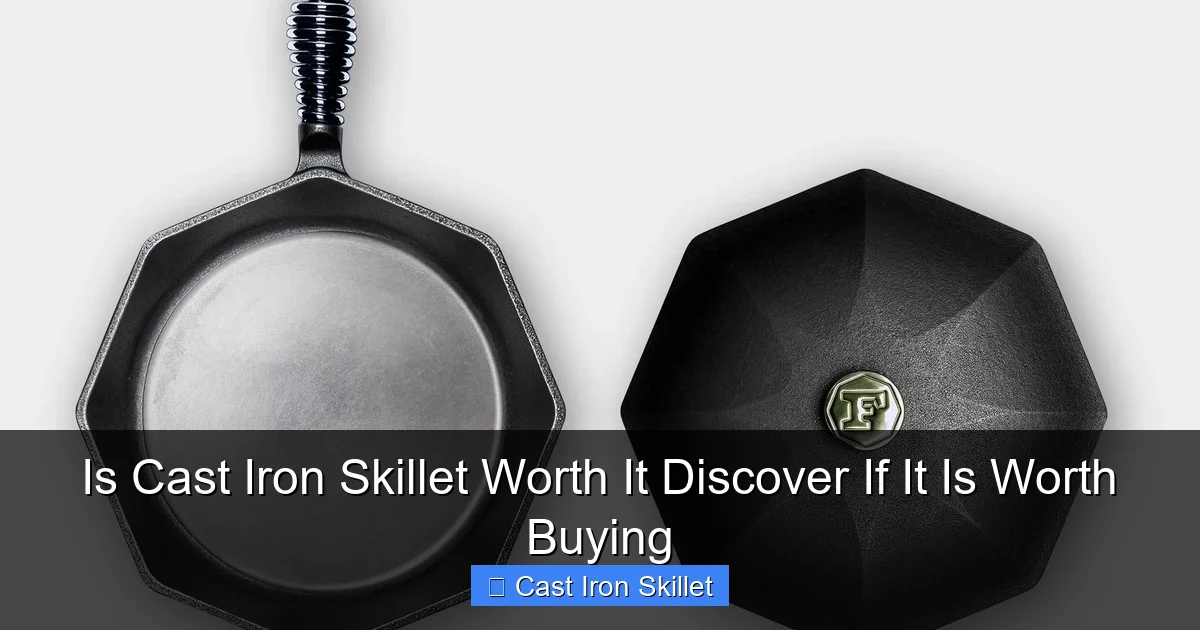
Is Cast Iron Skillet Worth It Discover If It Is Worth Buying
Deciding if a cast iron skillet is worth buying depends entirely on your cooking style, budget, and willingness to maintain it. This guide breaks down the honest benefits, hidden drawbacks, and long-term value to help you make the smart choice. You’ll learn who should invest in cast iron and who should skip it.
Contents
- 1 Key Takeaways
- 2 Introduction: The Cast Iron Question Nobody Answers Honestly
- 3 The Great Cast Iron Debate: Understanding the Hype
- 4 What Exactly Is a Cast Iron Skillet?
- 5 The Undeniable Benefits: Why Cast Iron Wins
- 6 The Drawbacks: What Nobody Tells You
- 7 The Hidden Costs: Time, Effort, and Money
- 8 Step-by-Step: Making Your Cast Iron Decision
- 9 Real Talk: Who Should Buy Cast Iron?
- 10 Who Should Skip It: The Honest Truth
- 11 Troubleshooting Common Cast Iron Problems
- 12 Conclusion: Is It Worth It for YOU?
- 13 Bonus Tips for Success
Key Takeaways
- Cast iron skillets last forever when properly cared for, making them a one-time investment that outlives non-stick pans.
- Seasoning creates natural non-stick but requires regular maintenance and careful cleaning to preserve the coating.
- Heavy weight and reactive nature mean cast iron isn’t suitable for everyone, especially those with physical limitations or who cook lots of acidic foods.
- Superior heat retention makes cast iron perfect for searing, frying, and baking but slow to adjust to temperature changes.
- Initial cost is low but time investment is high; you’re paying in effort rather than dollars for quality cookware.
- Not dishwasher safe and requires hand washing, immediate drying, and occasional re-seasoning to prevent rust.
- Versatile cooking tool that works on stovetop, in oven, over campfire, and even for outdoor cooking adventures.
Introduction: The Cast Iron Question Nobody Answers Honestly
You’ve seen them in old family photos. You’ve heard the hype from food bloggers. Maybe you’ve even inherited one from your grandmother. Cast iron skillets are everywhere, but nobody tells you the real story. Is a cast iron skillet worth it? That’s the question we’re answering today with zero fluff and complete honesty.
This guide walks you through everything you need to know. We’ll cover the undeniable benefits, the surprising drawbacks, and the hidden costs you’re not thinking about. By the end, you’ll know exactly whether cast iron belongs in your kitchen. No sales pitch. Just real talk about real cookware.
The Great Cast Iron Debate: Understanding the Hype
Cast iron skillets have become the darling of the cooking world. Chefs love them. Home cooks obsess over them. But why? The truth is complicated. Cast iron isn’t just cookware. It’s a tradition, a commitment, and sometimes, a pain in the back.

Visual guide about Is Cast Iron Skillet Worth It Discover If It Is Worth Buying
Image source: valuableantiques.org
Let’s cut through the noise. Cast iron has been around for centuries. Your great-grandmother probably cooked everything in one. That longevity creates nostalgia and trust. But nostalgia doesn’t pay the bills. We need facts. What can cast iron actually DO for you? And what will it demand in return? Those are the questions that matter.
What Exactly Is a Cast Iron Skillet?
Before we dive into worth, let’s get clear on what we’re discussing. A cast iron skillet is a cooking pan made from, you guessed it, cast iron. It’s heavy. It’s thick. And it’s built like a tank. Unlike modern non-stick pans made with chemical coatings, cast iron relies on a natural seasoning layer created by you.
Visual guide about Is Cast Iron Skillet Worth It Discover If It Is Worth Buying
Image source: assets.bonappetit.com
These skillets come in various sizes. The 10-inch is the sweet spot for most home cooks. You’ll find them pre-seasoned from brands like Lodge or completely raw from vintage sellers. The material is pure iron with carbon mixed in. No fancy chemicals. No Teflon. Just metal that gets hot and stays hot.
The Undeniable Benefits: Why Cast Iron Wins
Superior Heat Retention and Even Cooking
This is the superpower of cast iron. Once it gets hot, it STAYS hot. That thick metal absorbs heat energy and holds onto it. You get perfect sear marks on steak. You achieve crispy fried chicken skin. The heat doesn’t fade when you drop in cold food. That’s impossible with thin pans.
Visual guide about Is Cast Iron Skillet Worth It Discover If It Is Worth Buying
Image source: jacquelinestallone.com
Even heating means no hot spots. Your pancakes cook uniformly. Your cornbread bakes perfectly. The entire cooking surface behaves the same. That reliability is priceless for serious cooks. When you need power and consistency, cast iron delivers every single time.
Natural Non-Stick Surface (Seasoning)
Here’s the magic trick. With proper care, your cast iron develops a natural non-stick coating. This isn’t sprayed on. You build it yourself through seasoning. Polymerized oil forms a hard, slick surface that rivals any factory non-stick. And it gets better with age.
Unlike Teflon that flakes off after a year, cast iron seasoning can last decades. You’re creating something permanent. That eggs slide right off. That delicate fish doesn’t stick. It’s cooking freedom without chemicals. But remember, this surface requires respect. Abuse it, and you’ll lose it.
Durability That Lasts Generations
Let’s be blunt. You can destroy a non-stick pan in months. You cannot destroy cast iron in a lifetime. Drop it. Scratch it. Leave it in the sink. It doesn’t care. Cast iron is virtually indestructible. That Lodge skillet you buy today could cook for your great-grandchildren.
This durability means true value. A $30 cast iron skillet used daily for 50 years costs you 60 cents per year. Try beating that math with any other cookware. You’re not buying a pan. You’re buying a kitchen heirloom. That perspective changes everything about the cost question.
Adds Iron to Your Food
This is the health benefit people forget. Cooking in cast iron transfers trace amounts of iron into your food. It’s especially true for acidic dishes like tomato sauce. For people with iron deficiency, this is free supplementation. Your body absorbs it naturally through food.
Don’t worry. You won’t get iron overload from a normal diet. The amount is small but meaningful. Every little bit helps. Plus, it’s iron from a natural source, not a supplement pill. That’s a win for health-conscious families looking for simple nutrition boosts.
Versatility: Stovetop to Oven to Campfire
One pan. Infinite uses. Cast iron works everywhere. Stovetop? Obviously. Oven? Absolutely, handles are oven-safe at high temps. Broiler? Yes. Campfire? Perfect. Grill? No problem. You can bake, fry, sear, sauté, and even use it as a pizza stone. This is the ultimate all-in-one tool.
Take it from your kitchen to your backyard to the wilderness. A cast iron skillet adapts to any heat source. No special adapters. No concerns about melting handles. Just pure cooking flexibility. For tiny kitchens or outdoor enthusiasts, this versatility is revolutionary.
The Drawbacks: What Nobody Tells You
The Weight and Physical Demands
Let’s address the elephant in the room. Cast iron is HEAVY. A 10-inch skillet weighs 5 pounds empty. With oil and food, you’re pushing 10+ pounds. That’s a real problem for people with arthritis, wrist issues, or limited strength. Pouring oil from a heavy pan requires serious grip.
The weight also makes cleaning harder. Hand washing a heavy pan in a sink is awkward. It’s easy to drop. Dropping it on your foot hurts. Dropping it in the sink can chip your porcelain. The physical demands are real and often underestimated by enthusiastic reviewers.
Maintenance and Seasoning Requirements
This is where most people fail. Cast iron isn’t “clean it and forget it.” You must season it regularly. You can’t soak it. You can’t use soap (modern soap is fine, but old-schoolers will fight you on this). You must dry it immediately. Every single time.
Neglect this, and you get rust. Rust means starting over. Seasoning takes time. You need to coat the pan, heat it, cool it, and repeat. It’s not difficult, but it’s a commitment. If you hate cooking, you’ll hate maintaining cast iron. It demands attention like a pet, but it’s just a pan.
Reactivity with Acidic Foods
Cast iron reacts with acid. Tomatoes. Wine. Vinegar. These foods strip seasoning and can create a metallic taste. You can cook acidic foods, but you must do it carefully and briefly. Long-simmered tomato sauce? Not ideal. Marinating in cast iron? Absolutely not.
This limitation frustrates many cooks. If you love Italian food or Asian cuisine with soy sauce, you’ll need separate pans. A well-seasoned skillet helps, but the risk remains. You’re trading versatility for material reactivity. That’s a real compromise worth considering.
Initial Learning Curve
Cast iron doesn’t work like modern pans. You can’t just throw it on high heat. You must preheat slowly. You can’t dunk cold food in hot oil without sticking. You must manage heat carefully. The learning curve is real and steep for beginners.
Expect failures. Stuck eggs. Sticky seasoning. Burnt-on oil. These happen while you learn. If you’re impatient or hate mistakes, cast iron will frustrate you. Success requires reading, watching videos, and hands-on practice. There’s no shortcut to mastery.
Rust and Storage Concerns
Iron rusts. It’s chemistry. Even with perfect care, rust can appear in humid environments. A light rust spot needs gentle scrubbing and re-seasoning. Heavy rust means starting from scratch. This constant battle with oxidation never ends.
Storage is another headache. You need space for a heavy pan. Stacking is tricky. Many people hang them. If you have limited cabinet space, cast iron becomes clutter. Plus, you can’t nest other pans inside it. The storage footprint is larger than modern cookware.
The Hidden Costs: Time, Effort, and Money
Upfront Investment vs. Long-Term Value
A new Lodge cast iron skillet costs $30-$40. That’s cheap for a lifetime pan. But that’s not the full cost. You need oil for seasoning. Paper towels for cleaning. Maybe steel wool for rust. These small costs add up.
Compare this to a $15 non-stick pan that lasts 2 years. The cast iron wins on pure math. But the non-stick wins on convenience. You’re paying for convenience with the non-stick. You’re paying for durability with cast iron. Which cost matters more to you? That’s personal.
Time Investment for Seasoning
Seasoning takes 1-2 hours per session. You’ll need to do it monthly at first, then quarterly for maintenance. That’s 6-24 hours per year of active pan care. Multiply that by decades of use. The time cost is significant.
Modern life is busy. Do you really have two hours for pan maintenance? Maybe you do. Maybe you don’t. Be honest with yourself. The time requirement is the biggest hidden cost. It’s not about money. It’s about minutes and hours you’ll never get back.
Special Care Requirements
Your kitchen routine must adapt. No more “soak it overnight.” No more dishwasher loading. You need dedicated cleaning tools. A chainmail scrubber. Coarse salt. Special drying techniques. These aren’t expensive, but they’re extra steps.
Think about your personality. Do you love routines and rituals? Cast iron fits perfectly. Do you want grab-and-go convenience? Cast iron fights you. The special care requirements change how you interact with your kitchen. That’s a lifestyle cost worth weighing.
Step-by-Step: Making Your Cast Iron Decision
Assess Your Cooking Style and Needs
Start here. What do you cook most? Steaks and burgers? Cast iron shines. Delicate fish and eggs? Tricky but possible. Pasta sauce and soup? Look elsewhere. Your daily cooking habits determine if cast iron helps or hinders.
How often do you cook? Daily users get the most value. Once-a-week cooks might find maintenance annoying. Do you love searing and frying? Perfect. Do you simmer stews all day? Not ideal. Match the tool to your actual habits, not your aspirational cooking dreams.
Consider Your Physical Capabilities
Be brutally honest about your strength. Can you comfortably lift 10 pounds repeatedly? Do you have wrist, elbow, or shoulder issues? Cast iron exacerbates physical problems. A lighter stainless or non-stick pan might serve you better.
Think about your cleaning routine. Can you hand-wash a heavy pan without straining? Can you dry it thoroughly, including the handle? If the answer is no, cast iron creates daily frustration. Your body will tell you the truth after a few uses.
Evaluate Your Kitchen Setup
Where will you store it? Do you have cabinet space for a 5-pound pan? Can you hang it? If storage is tight, cast iron becomes clutter. Measure your space before buying.
What heat sources do you have? Gas stoves work perfectly with cast iron. Electric coils work but need patience. Induction works great. If you have a glass-top stove, cast iron’s rough bottom can scratch it. Check your stove compatibility first.
Think About Your Budget
Set a realistic budget. The pan itself is cheap. The real budget is time and effort. Can you afford 2 hours monthly for maintenance? Can you afford occasional re-seasoning failures? The financial cost is low. The lifestyle cost is higher.
Also budget for accessories. A good scrubber. Quality oil. Maybe a second pan for acidic foods. These small purchases add up. But compared to replacing non-stick pans every 2 years, you still save money long-term.
Ask Yourself the Final Question
Here it is: “Am I willing to commit to a relationship with a pan?” Cast iron isn’t a tool. It’s a partnership. You care for it. It cares for you. If you want a transactional relationship with cookware, skip it. If you want a lifelong kitchen companion, buy it.
Write down your answer. If it’s “yes,” go buy a Lodge skillet today. If it’s “no,” buy a good non-stick and be happy. There’s no wrong answer. Only the answer that’s right for YOU.
Real Talk: Who Should Buy Cast Iron?
Certain people are perfect for cast iron. If you love searing meats, you’ll adore the crust cast iron creates. If you fry foods regularly, the heat retention is unmatched. If you camp or cook outdoors, cast iron is essential gear. If you want heirloom quality, nothing beats it.
People with strong hands and patient hearts succeed. Cooks who enjoy process and ritual thrive. Those who value sustainability love that cast iron outlasts everything. If you recognize yourself here, cast iron will change your cooking life.
Who Should Skip It: The Honest Truth
Cast iron isn’t for everyone. If you have arthritis or strength issues, skip it. If you cook lots of acidic foods like tomatoes and wine, skip it. If you want dishwasher convenience, skip it. If you hate scrubbing and maintenance, skip it.
Busy parents with young kids? Probably not. People with tiny kitchens and no storage? No. Cooks who want grab-and-go simplicity? No. There’s no shame in skipping cast iron. Modern cookware exists for a reason. Choose what serves you best, not what Instagram tells you to buy.
Troubleshooting Common Cast Iron Problems
Sticky Seasoning
This happens when oil polymerizes incorrectly. Too much oil. Too low heat. The result is a gummy, sticky surface. Fix it by scrubbing off the sticky layer with coarse salt and a paper towel. Then re-season with a thinner oil layer at higher heat. Prevention is better: always use a light oil coat and high heat.
Rust Spots
Rust appears from moisture. Light rust is easy: scrub with steel wool, rinse, dry, and re-season. Heavy rust needs electrolysis or oven cleaner method (yes, really). Prevention is simple: never soak your pan, always dry it immediately, and store it in a dry place. A light oil coat before storage helps too.
Food Sticking Despite Seasoning
Usually this means your seasoning is weak or your heat is wrong. First, ensure your pan is fully preheated. Cast iron needs 5-10 minutes to reach proper temperature. Second, use enough oil. The food shouldn’t touch bare metal. Third, don’t move food too soon. Let it release naturally. If problems persist, strip and re-season the pan completely.
Metallic Taste
This occurs when acidic foods react with iron. It’s harmless but unpleasant. Prevention is key: avoid cooking tomatoes, wine, or vinegar in cast iron. Use stainless steel or enameled pans for acidic dishes. If you get a metallic taste, strip the pan, re-season thoroughly, and avoid the problematic foods.
Conclusion: Is It Worth It for YOU?
So, is a cast iron skillet worth it? The answer is simple and complex. Yes, if you’re willing to commit. No, if you want convenience. Cast iron gives you unmatched performance in exchange for your time and effort. It’s not a purchase. It’s a partnership.
Think about your kitchen. Your life. Your cooking dreams. Does cast iron fit? If yes, buy it today. Start seasoning. Embrace the learning curve. You’ll own a pan that outlives you. If no, buy something else and be happy. The right tool is the one you’ll actually use, not the one that looks good on social media.
Your perfect kitchen setup is personal. Cast iron is a powerful tool, but it’s not magic. It’s heavy metal that needs love. Give it that love, and it rewards you forever. Try to force it into a lifestyle it doesn’t fit, and you’ll hate every minute. Choose wisely. Cook happily.
Bonus Tips for Success
If you decide to buy, start with a pre-seasoned Lodge skillet. It’s affordable and ready to use. Buy a chainmail scrubber and coarse salt for cleaning. Use olive oil or vegetable oil for seasoning, not butter. Cook fatty foods first to build seasoning. Never let your pan air dry. Always towel dry immediately. These small habits set you up for decades of success.
For cooking, try ghee or other high-smoke-point fats. They work beautifully in cast iron and add incredible flavor. Remember, your pan improves with age. The first year is learning. The second year is mastery. By year five, you’ll wonder how you ever cooked without it.
Finally, if you need to clean stubborn messes, a paste of cornstarch and water can help absorb stuck-on food without damaging seasoning. Let it dry, then scrub gently. These little tricks make maintenance easier and keep your cast iron in top condition for years to come.