
You cook better when you know which cheese to pick for the job. We break down how fresh, soft-ripened, semi-hard, hard, and blue cheeses behave in heat, salt, and sauce so you can choose the best option for melting, grating, or serving cold. Expect clear, practical tips that tell you which cheese to use for pasta, sandwiches, sauces, and cheese boards.
We write this guide together with Emma Reed to bring real kitchen experience and simple rules you can follow tonight. You’ll learn quick swaps, storage tips, and a few regional picks that lift everyday meals without fancy steps.
Key Takeaways
- Match cheese texture to the cooking method for best results.
- Keep simple swaps and storage tips on hand to avoid waste.
- Use a few regional favorites to add bold flavor easily.
Contents
Fresh Cheeses
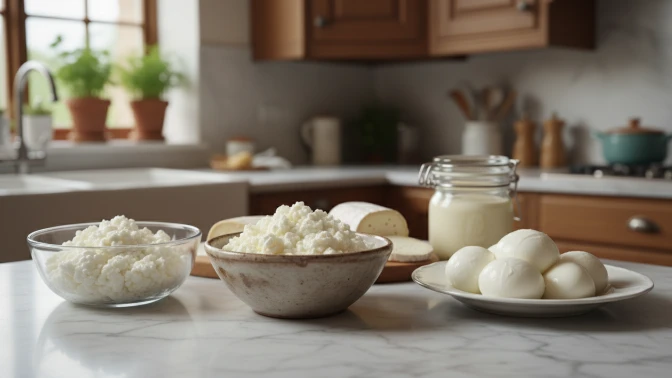
Fresh cheeses are soft, mild, and not aged. They usually have high moisture, a short shelf life, and simple, bright flavors that work well in both cold and hot dishes.
Characteristics of Fresh Cheeses
Fresh cheeses are made without long aging, so they keep more moisture and a milky flavor. They rarely form a rind and range from spreadable to crumbly textures. Most are sold in tubs, tubs with brine, or wrapped in plastic.
Because they are not aged, fresh cheeses have lower salt and acid development than aged varieties. That makes them mild and tangy rather than sharp. They also spoil faster, so you should refrigerate them and use them within a week or two after opening.
Common Types of Fresh Cheese
- Ricotta: Light, slightly grainy, and creamy; often used in lasagna, fillings, and desserts.
- Mozzarella (fresh): Soft and stretchy when heated; ideal for pizza, caprese salad, and melting.
- Cottage cheese: Curdy and moist; used in salads, smoothies, and as a low-fat protein.
- Chèvre (fresh goat cheese): Tangy and spreadable; pairs well with salads, toasts, and roasted beets.
- Mascarpone: Very creamy and rich; used in tiramisu and creamy sauces.
You’ll also find burrata (creamy center inside a mozzarella shell) and queso fresco (crumbly, mild, common in Latin cooking). The milk type—cow, goat, or sheep—changes flavor and texture noticeably.
Culinary Uses for Fresh Cheeses
Fresh cheeses shine where mild flavor and creamy texture matter. Use ricotta in stuffed pastas and pancakes for moisture and light sweetness. Spread chèvre or cream cheese on toast, bagels, and crackers for immediate flavor boost.
Heat fresh mozzarella on pizza or in gratins for gooey stretch. Stir mascarpone into risotto or desserts to add silkiness without extra salt. Crumble queso fresco or cottage cheese over salads, tacos, or baked potatoes for a cool contrast.
Because they melt differently, choose the right fresh cheese by texture: soft spreadables for cold dishes, stretchy kinds for melting, and crumbly ones for topping. Store them cold and use them quickly to keep best texture and taste.
Soft-Ripened Cheeses
Soft-ripened cheeses have a thin edible rind and a creamy interior that becomes runnier as it ripens. You’ll learn how to spot them, which varieties to buy, and how to use them in cooking.
Distinctive Qualities of Soft-Ripened Cheeses
Soft-ripened cheeses form a white or colored rind from molds such as Penicillium candidum. The rind helps break down the paste from the outside in, so the center stays firmer while the edges soften. Texture ranges from spreadable to gooey depending on age and storage.
Flavor tends to be mild, buttery, and sometimes mushroomy or nutty. These cheeses are usually made from cow, goat, or sheep milk and are aged for a short time—often just a few weeks. Keep them refrigerated and let them sit at room temperature 20–30 minutes before serving to bring out aroma and taste.
Popular Soft-Ripened Cheese Varieties
Brie and Camembert are the best-known examples; both make creamy, spreadable centers and thin white rinds. Other varieties include Coulommiers, Neufchâtel, and many artisanal farmhouse rinds that vary by region. Goat-based versions like crottin or chèvre offer a tangier profile and firmer texture when young.
When shopping, look for a thin, intact rind without deep cracks or strong ammonia smell; a slight earthy scent is normal. For more detail on specific varieties and origins, check the Cheese.com guide and resources from the American Dairy Association.
Cooking Applications for Soft-Ripened Cheeses
Soft-ripened cheeses melt to a silky texture, so use them in warm appetizers like baked Brie topped with honey, nuts, or fruit. They also enrich sauces: add small pieces to a cream or wine sauce off heat and stir until smooth for pasta or chicken.
Use slices in sandwiches and grilled cheese for a gooey bite, or fold small cubes into salads for creaminess. When baking whole, score the rind and wrap in puff pastry or bake in a shallow dish until the center flows. Store leftovers tightly wrapped to slow drying and use within a few days.
Semi-Hard and Hard Cheeses
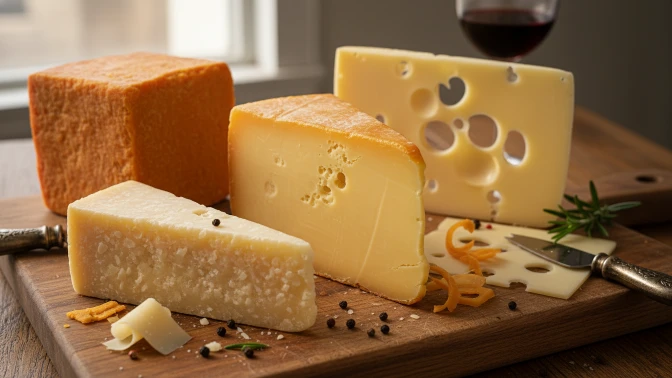
These cheeses have lower moisture and firmer textures than soft cheeses. You’ll find them aged from a few months to several years, making them great for slicing, grating, and adding strong flavor to hot and cold dishes.
Main Features of Semi-Hard and Hard Cheeses
Semi-hard and hard cheeses usually have a firm texture and lower water content. That makes them dense enough to slice cleanly and hold shape on a sandwich or charcuterie board.
Aging time shapes flavor. Younger semi-hard cheeses (like young Gouda) taste mild and creamy. Longer-aged hard cheeses (like Parmigiano-Reggiano) develop nutty, sharp, and sometimes crystalline textures. Rind styles vary: some have natural rinds, others waxed or cloth-bound.
You should store these cheeses wrapped in cheese paper or breathable wrap to keep them from drying out. For recipes, note that fat and protein content determine melt behavior and flavor intensity.
Notable Semi-Hard and Hard Cheeses
Semi-hard examples: Gouda, Swiss (Emmental), and younger Cheddar. They melt smoothly and suit grilled sandwiches, mac and cheese, and fondue. Gouda often has a buttery note; Swiss adds a mild nuttiness.
Hard examples: Parmigiano-Reggiano, aged Cheddar, Grana Padano, and Pecorino Romano. These are drier and more granular. Use them grated over pasta, salads, and soups for bold umami and salt. Parmigiano-Reggiano pairs well with olive oil and balsamic; read more about its production on the official Parmigiano-Reggiano site.
You’ll also find smoked and flavored versions. Try small amounts first—aged hard cheeses can overpower delicate ingredients.
Melting and Grating Applications
For melting, choose semi-hard cheeses or younger versions of hard cheeses. They become smooth and stretchy when heated. Use them in quesadillas, grilled cheese, and creamy sauces where a clean melt matters.
For grating, pick hard cheeses with crystals and low moisture. Parmigiano-Reggiano and Pecorino Romano grate into fine, flavorful shavings that enhance pasta and risotto. Store grated cheese separately and add it at the end of cooking to keep texture and flavor.
If you need both melt and sharp flavor, blend a semi-hard cheese with a hard cheese. This gives creamy melt and intense flavor without clumping. For recipes and pairing ideas, consult resources like the USDA cheese guidance for safe handling and storage.
Blue Cheeses
Blue cheeses have sharp, salty flavors and blue-green veining from Penicillium molds. They range from creamy and mild to crumbly and intense, and they work well in dressings, sauces, salads, and on cheese boards.
Understanding Blue Cheeses
You should know how blue cheeses get their taste and texture. Makers add Penicillium roqueforti or Penicillium glaucum to milk, then age the cheese in humid conditions. Tiny air channels or pokes let mold grow inside, creating veins and a tangy aroma.
Milk type and aging time change the result. Cow’s milk often yields milder, creamier blues. Sheep’s and goat’s milk give sharper, saltier notes. Short aging (a few weeks) makes softer, less pungent cheese. Longer aging (months) produces firmer texture and stronger flavor.
Handle blue cheese gently. Wrap it in breathable paper in the fridge and use within a week for best flavor. If mold other than the blue veins appears, cut it away or discard the cheese.
Blue Cheese Varieties
You’ll find many named varieties, each with distinct traits.
- Roquefort: Made from sheep’s milk, aged in French caves, salty and tangy with a crumbly texture.
- Gorgonzola: Italian; comes as Dolce (sweet, creamy) or Piccante (firmer, sharp).
- Stilton: English; dense and creamy with a rich, complex flavor; often used in sauces.
- Shropshire Blue and Dorset Blue: Cow’s-milk English cheeses with bold flavor and orange or creamy paste.
Use a tasting approach: sample a small amount, note creaminess, salt, and sharpness, then match to recipes. Store harder blues wrapped and softer ones in tubs to keep moisture.
Pairing and Incorporating Blue Cheeses in Recipes
You can balance blue cheese’s punch with sweet, acidic, or mild components.
- Salads: Crumble over bitter greens; dress with vinaigrette and pear or apple slices.
- Sauces: Melt into cream or pan juices for steak or pasta sauces; add little at a time to control intensity.
- Spreads and dips: Blend with sour cream or yogurt for a milder dip for veggies and wings.
- Cheese boards: Pair with honey, figs, walnuts, and crusty bread to balance salt and tang.
Cooking tips: add blue cheese last so heat won’t break its texture. For milder flavor, blend with cream cheese. For a bolder finish, crumble fresh over hot dishes just before serving.
Processed Cheeses

Processed cheeses are made by blending natural cheeses with emulsifiers, milk solids, and preservatives to create consistent texture and longer shelf life. You’ll find them as slices, blocks, spreads, and canned melts used for quick melting, uniform flavor, and easy portioning.
Defining Processed Cheeses
Processed cheese starts with one or more natural cheeses that are heated and mixed with ingredients like emulsifying salts, whey, milk, and stabilizers. These additions give you a smooth, predictable melt and prevent oil separation when heated.
Regulatory names vary: in the U.S. the FDA distinguishes “process cheese,” “cheese food,” and “cheese product” by how much real cheese they contain. For technical details on definitions and standards, consult the FDA’s food labeling guidance.
You should expect milder, uniform taste compared with artisan cheeses. The texture can range from sliceable to spreadable. Storage is simple: keep sealed and refrigerated for longer shelf life than many fresh cheeses.
Popular Processed Cheese Products
You’ll often see American cheese slices, individually wrapped triangle wedges, and spreadable cheese tubs on shelves. Each target use differs: slices fit burgers and sandwiches, wedges work for snacks, and tubs are best for dips.
Brands vary in ingredients and quality. Some use mostly cheese with minimal additives; others prioritize shelf stability and low cost. Look at labels for fat content, sodium, and presence of emulsifiers if you prefer fewer additives.
Specialty processed items exist too, like organics or lactose-free versions. For background on common varieties and uses, industry overviews and food science sources explain production and categories in more depth.
Cooking Methods Using Processed Cheeses
Processed cheeses melt smoothly and resist breaking, so they work well in grilled cheese, nacho cheese sauce, and creamy soups. Use medium heat and stir constantly to keep the texture even.
For sauces, melt processed cheese with milk or cream and whisk until glossy. Add spices or mustard for flavor balance. For oven dishes, layer slices or shred processed block to ensure an even melt without oiling out.
Avoid high, direct heat which can scorch processed cheese. When thinning, use warm liquid rather than cold to prevent lumps. Processed cheese also freezes well for later use, though spreads may change texture slightly after thawing.
Regional Cheese Specialties
Regional cheeses reflect local milk, climate, and food habits. You’ll find cheeses made for baking, grating, melting, or eating fresh, each tied to a specific place and cooking use.
European Cheese Traditions
Europe gives you many classic cheeses shaped by long traditions and strict rules. In France, Brie and Camembert are soft, creamy, and best served at room temperature or baked. Comté and Parmigiano-Reggiano are aged hard cheeses you grate over pasta or shave onto salads.
Italy offers Mozzarella di Bufala for pizzas and fresh salads, and Pecorino Romano for salty grating. Spain’s Manchego works well on tapas and in sandwiches.
Protected names like PDO (Protected Designation of Origin) mean certain cheeses must be made in specific regions, using set methods. That affects flavor and cooking use. When you cook, choose European cheeses by texture: soft for melting and spreading, hard for grating and finishing.
American Innovations
In the United States, cheesemakers adapt old styles and invent new ones to suit modern kitchens. Monterey Jack and Colby melt well for tacos, casseroles, and burgers. American cheddar ranges from mild to sharp and is common in grilled cheese and mac and cheese.
Craft producers also make washed-rind and blue-style cheeses that you can serve on cheese boards or use in dressings. Processed cheeses and blends appear in fast-food and convenience cooking because they melt predictably.
You’ll find local farm cheeses that use cow, goat, or sheep milk and emphasize fresh, creamy textures. Match American styles to dishes: use meltable varieties for hot dishes and aged types for flavor-forward finishing.
Notable Asian and Middle Eastern Cheeses
Asia and the Middle East provide cheeses that often focus on fresh textures and high salt content. Paneer (South Asia) is a non-melting, pressed cheese you cube and fry or add to curries; it soaks up spices. Halloumi (Cyprus/Middle East) withstands high heat and grills to a crisp exterior, making it ideal for kebabs and salads.
Labneh is strained yogurt cheese used like a spread or dip, flavored with olive oil and za’atar. Nabulsi and Ackawi are salty white cheeses common in pastries and savory platters.
When cooking with these cheeses, consider salt and moisture: use paneer for stir-fries and curries, halloumi for grilling, and labneh for dips, sauces, or as a creamy finish on roasted vegetables.
Choosing the Right Cheese for Cooking
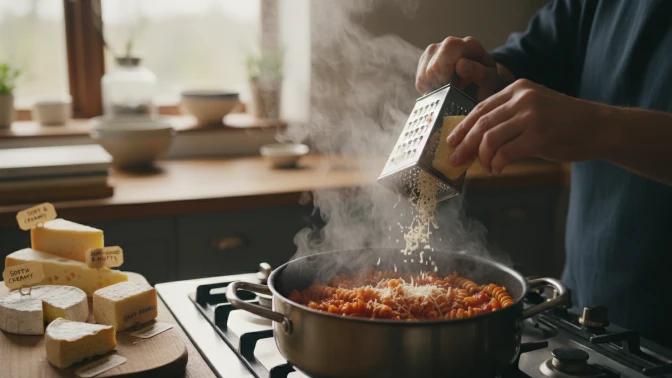
Pick cheese based on how it melts, the strength of its flavor, and how well it fits the dish. Think about texture first, then match flavor and possible substitutions so your recipe behaves the way you expect.
Texture and Melting Properties
Know whether you need a cheese that melts smoothly, holds shape, or adds bite. For smooth sauces and fondue, choose high-moisture, young cheeses like low-moisture mozzarella, fontina, or young cheddar; they melt evenly and create a creamy texture. For gratins and browned tops, use cheeses that brown without separating, such as Gruyère or aged cheddar.
If you want stretch (pizza, grilled sandwiches), pick mozzarella or provolone. For firm-crumble toppings or salads, use feta or aged Parmesan — they won’t melt but add texture. Watch moisture: very wet cheeses can make sauces thin, while very dry cheeses can clump. Shred block cheese when possible; pre-shredded cheeses often contain anti-caking agents that affect melting.
Flavor Considerations
Match cheese intensity to the other ingredients so no single flavor overpowers the dish. Mild cheeses like young cheddar or Monterey Jack suit delicate soups and creamy sauces. Strong cheeses like blue, aged Parmesan, or sharp cheddar work well in robust dishes — for example, blue in steak sauces or aged cheddar in bean casseroles.
Consider salt and acidity. Aged cheeses tend to be saltier and more complex; use less added salt in the recipe. Fresh cheeses like ricotta and mascarpone add creaminess with low salt and mild taste. Think about how heat changes flavor: long cooking can mellow sharp cheeses and make them nutty; quick, high heat can heighten pungency.
Substitution Tips
Substitute with similar moisture and aging levels to keep texture and flavor consistent. When a recipe calls for fontina, use provolone or young Gouda for similar melt and mild taste. Replace mozzarella with low-moisture provolone on pizza if you want more flavor but similar stretch.
For sauces, swap equal parts shredded cheddar and Gruyère for a single cheese to balance sharpness and smoothness. If you must replace a salty hard cheese like Pecorino, reduce added salt and try aged Parmesan or a mix of Parmesan and a milder cheese. When substituting fresh cheeses, match fat content: whole-milk ricotta for whole-milk cottage cheese, not low-fat versions, to preserve texture.
Storage and Serving Tips for Cheese
Store cheese in the fridge, but not wrapped in its original plastic for long. Use wax paper, parchment, or a loose plastic wrap to let cheese breathe and keep moisture balanced.
Soft cheeses do best in sealed containers to prevent odors and moisture loss. Hard and aged cheeses last longer when wrapped in paper and then placed in a loose plastic bag or cheese drawer.
Keep cheese near the front of the fridge where temperature is steady. Avoid the coldest spots like the back or the freezer compartment to prevent drying and texture change.
Serve cheese at room temperature for the best flavor. Remove it from the fridge 20–60 minutes before serving depending on size and type; small pieces need less time, large wheels need more.
Use a clean knife for each cheese to avoid flavor mixing. Label leftovers with the date and type so you can use them before quality drops.
Quick reference:
- Soft (brie, chèvre): sealed container, serve at room temp 20–30 min
- Semi-firm (Gouda, cheddar): wax/parchment + loose wrap, room temp 30–45 min
- Hard (Parmesan, aged manchego): paper + bag, room temp 45–60 min
If you see surface mold on hard cheese, cut at least 1 inch around and below the mold and use the rest. For soft cheeses with mold, discard them to stay safe.
FAQs
Which cheese melts best for dishes like grilled cheese or mac and cheese?
You want cheeses with good meltability: mozzarella, cheddar, fontina, and Gruyère. These have the right moisture and fat to melt smoothly without becoming oily.
Can you substitute one cheese for another in recipes?
Yes. Match texture and flavor intensity. For a mild melting cheese, swap mozzarella for provolone. For a sharp finish, use aged cheddar instead of Colby.
How should you store different cheeses?
Keep soft cheeses in their original container or wrapped loosely in wax paper and stored in a sealed bag. Hard cheeses do well wrapped in parchment then plastic wrap to prevent drying.
Are there cheeses that are best eaten fresh rather than cooked?
Yes. Fresh cheeses like burrata, ricotta, and chèvre shine when served cold or at room temperature. Cooking can remove their delicate texture and subtle flavors.
Can you freeze cheese?
You can freeze many hard and semi-hard cheeses, but texture may change. Thawed cheese often crumbles more, so use it in cooked dishes rather than eating it plain.
How do you prevent cheese from becoming greasy when melted?
Use lower heat and add a small splash of milk or cream for creaminess. Grate cheese from a block—pre-shredded cheese contains anti-caking agents that can affect melting.
Conclusion
You now know how different cheeses behave in cooking and on the plate. Use soft cheeses for creaminess, hard cheeses for grating and browning, and aged or blue cheeses when you want bold flavor.
Match cheese texture to the dish. Meltable cheeses like mozzarella and fontina work for casseroles and pizzas. Crumbly or salty cheeses like feta and cotija brighten salads and grains.
Think about salt, fat, and moisture when choosing a substitute. A sharper aged cheese can replace milder types if you lower added salt. If a recipe needs stretch or melt, pick a cheese known to melt smoothly.
Keep simple storage and prep tips in mind. Refrigerate wrapped cheeses and bring them to room temperature before serving. Grate or slice just before use to preserve flavor and texture.
Use this quick reference to guide choices:
- Soft, creamy: Brie, burrata — spread, blend, finish dishes.
- Stretchy, mild: Mozzarella, provolone — pizza, baked dishes.
- Sharp, hard: Cheddar, Parmesan — grating, sauces, finishing.
- Tangy, crumbly: Feta, goat cheese — salads, bowls, toppings.
- Bold, veined: Blue cheeses — dressings, small portions for impact.
Experiment with pairings and swaps to learn what you like. Simple tests—melting a little, tasting a small plate—teach faster than rules. Your best cooking cheese is the one that fits the texture and flavor you want.
