
A rice cooker is a foolproof kitchen appliance that eliminates the guesswork from rice preparation, delivering perfectly cooked grains with minimal effort. It uses a thermal sensor to detect when water is fully absorbed, automatically switching from cooking to warm mode for optimal texture.
Contents
- 1 Key Takeaways
- 2 Why This Matters: The Little Machine That Could
- 3 What You Need (Spoiler: It’s Simple)
- 4 Step-by-Step Guide to What is a Rice Cooker and How Does it Work: The Ultimate Guide
- 5 Pro Tips & Common Mistakes to Avoid
- 6 FAQs About What is a Rice Cooker and How Does it Work: The Ultimate Guide
- 7 Final Thoughts: Your Ticket to Stress-Free Grains
Key Takeaways
- Rice cookers automate perfect rice by precisely controlling heat and timing.
- They use a thermostat and thermal sensor to detect when water is fully absorbed.
- Automatic shut-off prevents burning once cooking completes, ensuring safety.
- Beyond rice, they cook grains, oats, and even steam vegetables effortlessly.
- Consistent results are guaranteed, eliminating guesswork and failed batches.
- Simple operation requires only rice, water, and one button press for beginners.
Why This Matters: The Little Machine That Could
Remember that time you promised dinner guests a perfect pot of fluffy rice, only to end up with a scorched, gluey mess? I’ve been there. It’s a universal kitchen frustration. That’s where the humble rice cooker comes in. It’s not magic, but it feels like it. This guide will demystify that staple appliance on your counter, answering the question: what is a rice cooker and how does it work? By the end, you’ll see it as your passport to consistently perfect grains, freeing you up to focus on the rest of the meal.
What You Need (Spoiler: It’s Simple)
You don’t need a fancy model to start. The beauty of this appliance is its simplicity. Here’s all you really need:
Visual guide about What is a Rice Cooker and How Does it Work The Ultimate Guide
Image source: ricearray.org
- A Rice Cooker: Any basic model will do. Even the most affordable ones have the essential components we’ll discuss.
- Rice: Of course! Not sure which kind? My guide on types of rice and best uses can help you choose.
- Water: The other essential ingredient.
- The Inner Pot: This is the removable pot that goes inside the cooker.
- A Measuring Cup: Most rice cookers come with a specific cup. Use it for accuracy.
Step-by-Step Guide to What is a Rice Cooker and How Does it Work: The Ultimate Guide
Let’s break down the journey of rice, from hard grains to a steaming, ready-to-serve side dish, all happening automatically inside this clever device.
Visual guide about What is a Rice Cooker and How Does it Work The Ultimate Guide
Image source: lihpao.com
Step 1: The Science Behind the Simplicity (It’s All About Temperature)
At its heart, a rice cooker is a thermostatically controlled pot. Here’s the simple physics: rice absorbs water at a specific temperature. It needs to reach a rolling boil (212°F or 100°C) to cook properly, and it needs to stay there until nearly all the water is absorbed.
The genius is in the thermal sensing mechanism, usually a magnet or a thermostat at the bottom of the unit. It’s designed to detect when the water is gone. As long as there’s water in the pot, the temperature is locked at a rolling boil. Once the water is absorbed, the temperature inside the pot spikes above the boiling point. That spike is the signal.
Step 2: The Setup – Rinse, Measure, and Add
First, measure your rice using the cup that came with your cooker. Give it a quick rinse in a fine-mesh strainer under cold water. This removes excess starch and prevents gummy rice. Place the rinsed rice into the inner cooking pot.
Now, add water. The general rule is a 1:1.5 or 1:2 ratio of rice to water, but this varies by rice type. The inner pot usually has measurement lines inside. For more detail on getting this ratio perfect, check out my article on how to cook rice perfectly every time. Place the pot back into the rice cooker.
Step 3: The Magic – Press Go and Walk Away
This is where the magic happens. Close the lid and press the “Cook” button. The heating element at the bottom of the unit springs to life, bringing the water and rice to a boil.
You’ll hear it bubbling away. The steam vent on the lid (or sometimes on top) releases excess pressure and steam. This is normal! Let the machine do its thing. Don’t peek—you’ll let the steam out and disrupt the cooking process.
Step 4: The Click – From “Cook” to “Keep Warm”
After about 15-25 minutes (depending on the amount and type of rice), you’ll hear a distinct click or a beep. This is the thermostat doing its job. It has sensed that temperature spike—the water is gone!
The cooker automatically switches from the high-heat “Cook” mode to a low-heat “Keep Warm” mode. This gentle heat keeps your rice at the perfect serving temperature without overcooking or burning it. It’s a game-changer for meal timing.
Step 5: The Final Step – Fluff and Rest
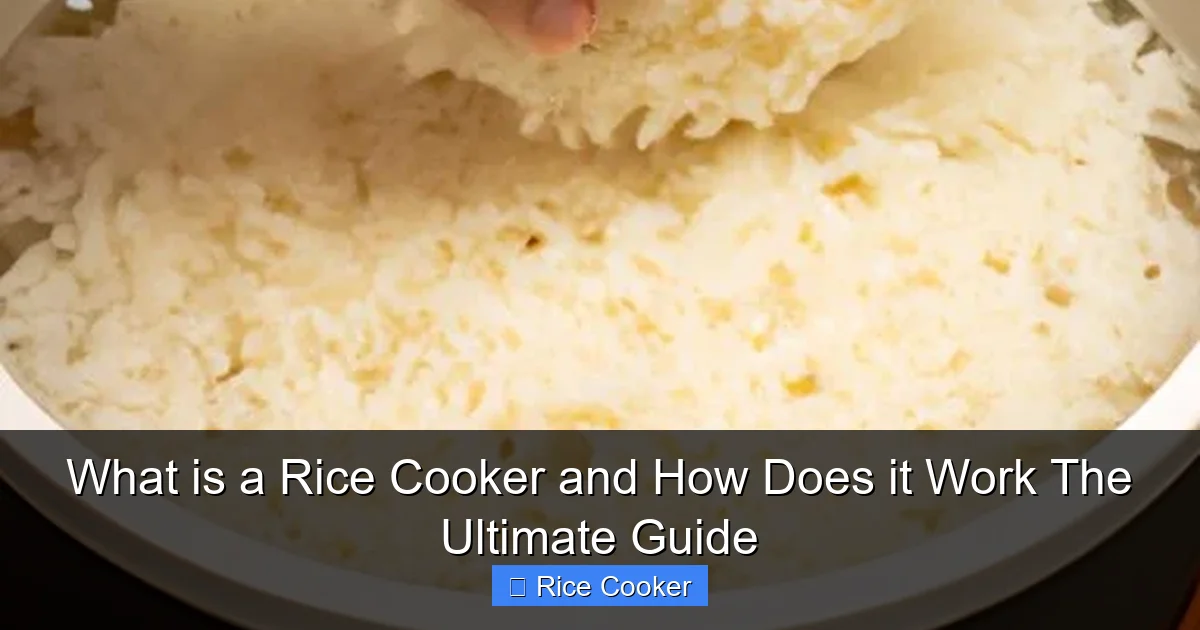
Open the lid. You’ll be greeted by a cloud of steam and perfectly cooked rice. Before serving, use a rice paddle or fork to gently fluff the rice from the bottom. This releases any excess moisture and separates the grains.
Let it sit for about 5 minutes with the lid off. This “resting” period allows any remaining steam to dissipate, ensuring the texture is just right. Now it’s ready to serve!
Pro Tips & Common Mistakes to Avoid
Even with a foolproof device, a few habits can make or break your rice.
Visual guide about What is a Rice Cooker and How Does it Work The Ultimate Guide
Image source: i.pinimg.com
Pro Tip: Brown rice, wild rice, and other whole grains take longer to cook because of their fibrous bran layer. Most modern rice cookers have specific settings for these. If yours doesn’t, you may need to add a bit more water and increase the cooking time by 15-20 minutes.
Common Mistake: Peeking during the cooking cycle. I know it’s tempting! But opening the lid releases heat and steam, which are essential for even cooking. You’ll end up with a longer cook time and potentially uneven results.
Another great hack? Use the “Keep Warm” function to your advantage. It’s perfect for cooking for a small family efficiently, as you can cook the rice well before dinner and it will be ready when you are.
Also, never cook anything other than rice or grains in the inner pot without checking your manual. Some non-stick coatings can be damaged by acidic ingredients.
FAQs About What is a Rice Cooker and How Does it Work: The Ultimate Guide
Let’s answer some questions you might still have.
Q: Can I steam vegetables in my rice cooker?
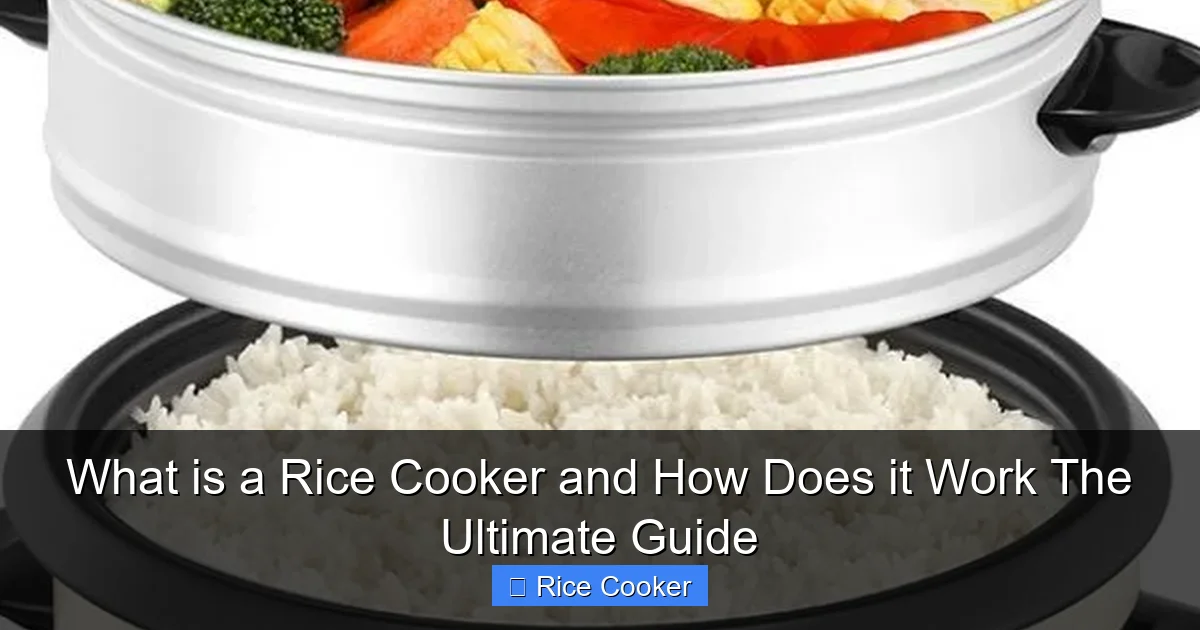
A: Absolutely! Most come with a steaming tray. Add water to the bottom (as you would for rice), place veggies in the tray, and set it on top of the rice or over the water. The steam will cook them perfectly while your rice finishes. It’s a fantastic cooking hack for effortless meal preparation.
Q: Why does my rice sometimes stick to the bottom?
A: This usually happens if you didn’t rinse the rice (excess starch) or if you used the wrong water-to-rice ratio. It can also occur if the non-stick coating on your inner pot is wearing out. Try a thorough rinse and a bit more water next time.
Q: Can I cook quinoa or oatmeal in a rice cooker?
A: Yes! Rice cookers are versatile grain cookers. Quinoa and oatmeal follow similar principles of water absorption. You may need to adjust the liquid ratio slightly—start with the package directions and tweak from there.
Q: How long can I leave rice on the “Keep Warm” setting?
A: For best quality, aim to serve within 1-2 hours. Leaving it longer can cause the bottom layer to dry out and become hard. If you need to store it, transfer it to an airtight container and refrigerate after it cools.
Q: What’s the difference between a cheap rice cooker and a fancy “fuzzy logic” one?
A: A basic cooker simply turns off when the temperature spikes. “Fuzzy logic” cookers are like having a chef inside. They can make micro-adjustments to the heat during the cooking process, which is ideal for different rice types, porridge, or even baking cakes. They offer more precision but aren’t necessary for perfect white rice.
Final Thoughts: Your Ticket to Stress-Free Grains
So, what is a rice cooker and how does it work? It’s a marvel of simple, reliable engineering that takes the guesswork out of one of the most common kitchen tasks. It’s not just about perfect rice; it’s about time, convenience, and consistency.
Whether you’re pairing it with a stir-fry featuring your favorite soy sauce or using it to master a simple easy rice and beans recipe, this tool is a kitchen workhorse. Start with the basics, understand the simple science, and you’ll never look back. Happy cooking!
🎥 Related Video: Old-fashioned rice cookers are extremely clever
📺 Technology Connections
You can support this channel on Patreon! Link below Bet you didn’t think a rice cooker was so interesting, did ya? Links! Get your …
