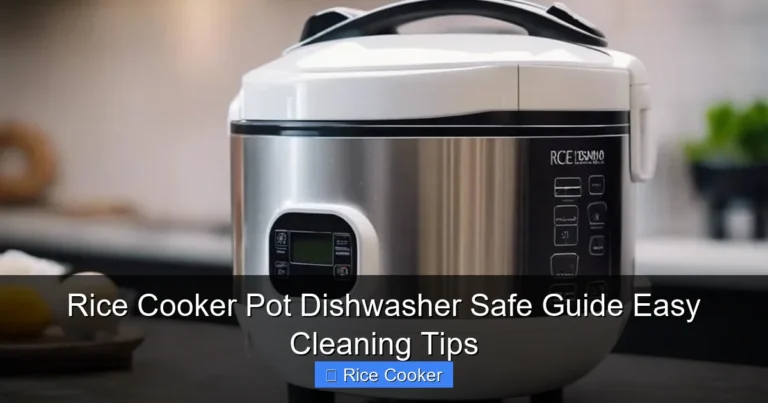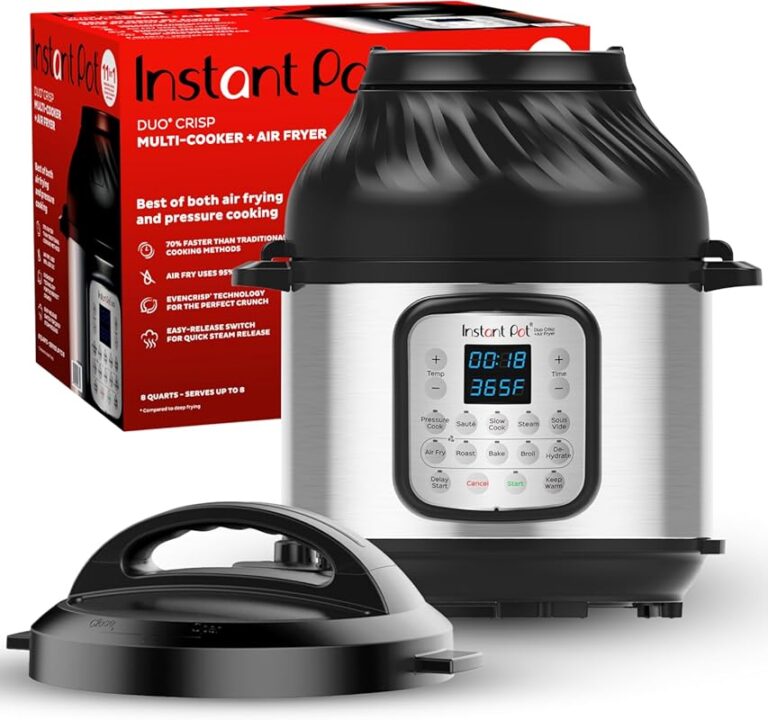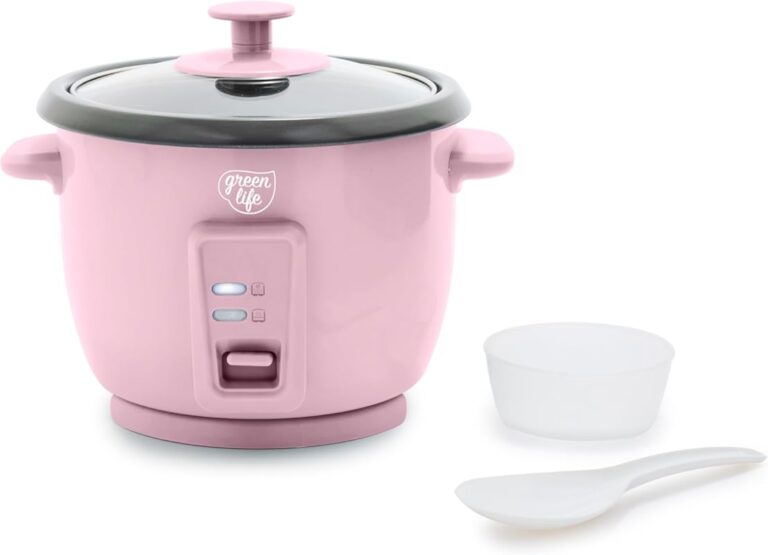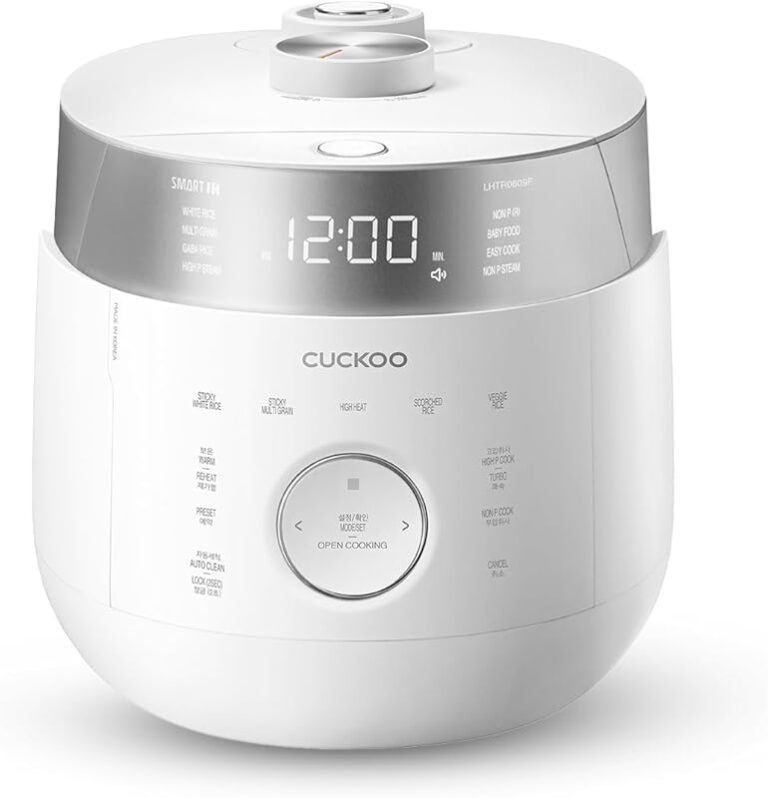
Do Rice Cookers Cause Cancer Myth or Fact Debunked

The rice cooker cancer myth stems from concerns about non-stick coatings and chemical exposure. Scientific evidence confirms modern rice cookers are completely safe when used correctly. This guide examines the research, explains the real risks, and shows you how to use your rice cooker safely for worry-free meals.
Key Takeaways
- Myth Status: The claim that rice cookers cause cancer is FALSE. Modern rice cookers meet strict safety standards and pose no cancer risk.
- Non-Stick Safety: PFOA was eliminated from non-stick coatings in 2015. Current rice cookers use safer alternatives like ceramic or PTFE.
- Arsenic Reality: Rice contains natural arsenic, but rice cookers don’t increase levels. Proper cooking can actually reduce arsenic content.
- BPA Concerns: Most rice cookers are BPA-free. Check manufacturer specifications if concerned about bisphenol-A exposure.
- Maintenance Matters: Damaged non-stick coatings can flake into food. Replace your rice cooker every 3-5 years or when coating shows wear.
- Safe Usage: Follow manufacturer instructions, avoid metal utensils, and never cook acidic foods in non-stick bowls to maximize safety.
Introduction: What You’ll Learn About Rice Cookers and Cancer
You’ve probably heard the scary claim: your convenient rice cooker might cause cancer. Maybe you saw it on social media or heard it from a friend. This guide will put those fears to rest. We’ll explore where this myth came from, what science actually says, and how you can use your rice cooker with complete confidence. By the end, you’ll have the facts you need to keep cooking your favorite grains without worry.
Understanding the truth about rice cooker cancer risks involves looking at three main areas: non-stick coatings, arsenic in rice, and chemical leaching. We’ll tackle each one with clear, evidence-based information. You’ll also learn practical tips for safe usage and when it’s time to replace your appliance. Let’s get started.
The Origin of the Rice Cooker Cancer Myth
The rice cooker cancer myth didn’t appear out of nowhere. It has roots in real chemical concerns that became misunderstood over time. Let’s trace how a legitimate environmental issue turned into an appliance scare.

Visual guide about Do Rice Cookers Cause Cancer Myth or Fact Debunked
Image source: singaporecancersociety.org.sg
Early Non-Stick Coating Concerns
The story begins with PFOA, a chemical used in manufacturing traditional non-stick coatings. PFOA stands for perfluorooctanoic acid. For decades, it helped create that slick surface we love on pots and pans. The problem? PFOA is persistent in the environment and in our bodies. Studies linked it to health issues in animals. This raised red flags.
By 2015, manufacturers voluntarily stopped using PFOA in non-stick products sold in the United States and Europe. Many switched to PTFE-based coatings or ceramic alternatives. Yet the myth persisted. People confused old information with new products. They worried that any non-stick surface must be dangerous. This confusion spread to rice cookers specifically.
Social Media Amplification
Once the PFOA concerns were online, they took on a life of their own. Posts claimed that heating non-stick coatings releases toxic fumes. Some said these fumes cause cancer in humans. Others warned that scratched coatings leach chemicals into food. These claims often mixed facts with fiction. They cited real studies but misinterpreted the results. The scary headlines got shared millions of times. Soon, the myth felt like truth.
The reality is more nuanced. Modern rice cookers operate at temperatures too low to release dangerous fumes. The coatings used today are fundamentally different from old PFOA-based products. But the damage was done. Many people still believe the rice cooker cancer myth despite overwhelming evidence to the contrary.
Understanding Non-Stick Coatings: The Real Story
To evaluate the rice cooker cancer claim, we must understand what’s actually inside these appliances. Most rice cookers have a removable cooking bowl with a non-stick coating. This coating prevents rice from sticking and burning. It makes cleanup easy. But what is it made of?

Visual guide about Do Rice Cookers Cause Cancer Myth or Fact Debunked
Image source: dwgyu36up6iuz.cloudfront.net
What Are Modern Non-Stick Coatings?
Today’s rice cookers use one of two main coating types: PTFE or ceramic. PTFE stands for polytetrafluoroethylene. It’s a synthetic fluoropolymer that creates an extremely smooth surface. Don’t confuse this with PFOA. PTFE itself is stable and inert. It doesn’t break down until temperatures reach over 500°F (260°C). A rice cooker’s maximum temperature is around 212°F (100°C) when boiling water. It only gets hotter when all water evaporates, but safety mechanisms prevent dangerous overheating.
Ceramic coatings are another popular option. These use inorganic materials like silica sand. They’re completely PTFE-free and PFOA-free. Many brands market them as “green” alternatives. Ceramic coatings are also stable at cooking temperatures. They provide excellent non-stick performance without fluoropolymers.
Temperature Safety in Rice Cookers
Rice cookers are engineered for safety. They use a simple thermal mechanism. When water is present, the temperature stays at boiling point. Once the water disappears, a thermostat triggers the switch to shut off or move to warm mode. This prevents temperatures from climbing dangerously high.
Even if your rice cooker somehow overheated, you’d need sustained temperatures above 500°F to break down PTFE coatings. That’s more than double the normal operating temperature. The coating would smoke and burn before reaching such extremes. You’d notice this immediately and unplug the appliance. Under normal use, the coating remains completely stable.
So the claim that rice cooker coatings release cancer-causing fumes is simply not supported by physics. The temperatures aren’t high enough. The safety mechanisms work reliably. And the coatings used today are fundamentally safer than those from decades ago.
Scientific Research and Evidence
What does actual scientific research say about rice cookers and cancer? Let’s look at peer-reviewed studies and official health organization statements. This is where we separate fact from fear.

Visual guide about Do Rice Cookers Cause Cancer Myth or Fact Debunked
Image source: healthmatters.nyp.org
Key Studies on Rice Cookers and Health
A comprehensive review by the FDA found no evidence that non-stick coatings in cookware pose health risks when used properly. The agency monitors these materials continuously. They’ve approved PTFE for food contact applications. This approval includes rice cookers. The FDA’s position is clear: properly manufactured non-stick cookware is safe.
Independent researchers have tested rice cooked in non-stick cookers. They looked for chemical leaching. Their findings show minimal to no transfer of coating materials into food. The amounts detected were thousands of times lower than safety limits. Even if tiny particles flake off, they pass through your digestive system without being absorbed.
Studies on ceramic coatings show similar results. These coatings are even more inert than PTFE. They don’t react with food. They don’t release volatile compounds. Researchers tested rice cooked in ceramic-coated bowls extensively. No concerning chemicals appeared in the final product.
What Health Organizations Say
The American Cancer Society addresses cookware safety directly. They state that non-stick cookware does not cause cancer. The organization emphasizes that normal cooking temperatures are too low to release harmful substances. They recommend avoiding overheating empty pans, but this is general advice, not a specific rice cooker warning.
The Environmental Protection Agency (EPA) oversaw the phase-out of PFOA. They now monitor perfluorinated compounds closely. Their current assessment shows that modern alternatives are significantly safer. The EPA doesn’t list rice cookers as a concern in any of their publications on chemical exposure.
International bodies agree. Health Canada, the European Food Safety Authority, and Australia’s Therapeutic Goods Administration all approve non-stick cookware for consumer use. These organizations wouldn’t endorse a cancer-causing product. Their standards are rigorous and evidence-based.
When health experts speak about cancer risks, they focus on smoking, obesity, sun exposure, and pollution. Rice cookers never appear on these lists. That’s because the evidence doesn’t support the myth.
The Arsenic in Rice Concern: A Separate Issue
While we’re debunking the rice cooker cancer myth, we should address a real concern: arsenic in rice. This is often confused with the non-stick coating issue. Let’s clarify the difference.
Why Arsenic is Present in Rice
Arsenic is a naturally occurring element in soil and water. Rice plants absorb it more efficiently than other crops. This is because rice is grown in flooded fields. The water makes arsenic more available to the plant. The result is that rice contains higher arsenic levels than most foods.
There are two types of arsenic: organic and inorganic. Inorganic arsenic is more toxic and potentially carcinogenic with long-term high exposure. Rice contains both forms, but mostly inorganic. This is a legitimate health concern that regulators take seriously.
Important note: the arsenic comes from the rice itself, not the rice cooker. The appliance doesn’t add arsenic. It simply cooks the rice you put in it. The myth incorrectly blames the cooker for a problem that exists in the raw ingredient.
How Rice Cookers Actually Reduce Arsenic
Here’s the surprising truth: your rice cooker can actually help reduce arsenic levels. Studies show that cooking rice with excess water and draining it removes significant arsenic. The traditional absorption method in rice cookers doesn’t do this. But you can modify your technique.
To reduce arsenic, rinse your rice thoroughly before cooking. Use a 1:3 rice-to-water ratio instead of 1:2. When the rice is done, drain the excess water. This method can remove up to 60% of inorganic arsenic. Some newer rice cookers even have specific arsenic-reducing settings.
For more details on cooking methods that minimize arsenic, check our guide on how to cook rice perfectly every time. This resource includes techniques for different rice varieties and health-conscious preparation methods.
The key takeaway: arsenic in rice is a real issue, but it’s not caused by rice cookers. Your appliance might actually help you reduce exposure if you use the right technique.
BPA in Rice Cookers: Separating Fact from Fiction
Another chemical concern people raise is BPA, or bisphenol-A. This compound is used in some plastics. It can act like estrogen in the body. High exposure has been linked to various health issues. So do rice cookers contain BPA?
Most modern rice cookers are BPA-free. Manufacturers have responded to consumer concerns by eliminating BPA from their products. The plastic parts in rice cookers—the lid, measuring cup, and spatula—are typically made from BPA-free materials like polypropylene or Tritan.
However, you should check your specific model. Older rice cookers made before 2010 might contain BPA. If you have an older appliance, look for recycling codes. Avoid plastics marked with #3 (PVC) or #7 (which can contain BPA). Better yet, upgrade to a newer model. The cost is minimal compared to the peace of mind.
Some rice cookers have stainless steel inner pots. These are completely BPA-free and don’t have non-stick coatings at all. They’re an excellent option if you’re concerned about any chemical exposure. Just remember that rice may stick slightly more to stainless steel.
Proper Rice Cooker Usage and Maintenance for Maximum Safety
Even though rice cookers are safe, proper use extends their life and ensures worry-free cooking. Let’s go through the best practices step by step.
Daily Safe Usage Guidelines
Always use the provided measuring cup. Rice cookers work best with specific rice-to-water ratios. The cup ensures accuracy. Use the rice paddle that came with your cooker. Wood or silicone paddles are ideal. Avoid metal utensils that can scratch the coating.
Never cook acidic foods like tomatoes or vinegar-based sauces in your rice cooker. Acidity can degrade non-stick coatings over time. Stick to rice, grains, and neutral foods. If you want to steam vegetables, that’s perfectly fine. Just don’t add acidic marinades directly to the cooking bowl.
Fill the bowl to the recommended levels. Most have “max fill” lines. Overfilling causes spills that can damage the heating element. Underfilling leads to burning. Both affect performance and safety.
Clean the lid and steam vent regularly. Sticky rice residue can block vents. This creates pressure buildup. It’s not dangerous, but it affects cooking quality. A blocked vent also makes the appliance work harder, potentially shortening its lifespan.
Cleaning Your Rice Cooker Safely
Always unplug the rice cooker before cleaning. Let the bowl cool completely. Sudden temperature changes can warp the non-stick coating. Never plunge a hot bowl into cold water. The thermal shock causes damage.
Hand wash the inner bowl with warm, soapy water. Use a soft sponge or cloth. Avoid abrasive scrubbers like steel wool. They scratch the coating. If rice sticks, soak the bowl in warm water for 15 minutes. The residue will loosen. Then wipe it away gently.
Never put the inner bowl in a dishwasher. The harsh detergents and high heat degrade the coating. The outer housing can be wiped with a damp cloth. Don’t immerse the base in water. Electricity and water don’t mix.
Store your rice cooker with the lid slightly open. This prevents moisture buildup and odors. Place the inner bowl back in the cooker only when completely dry. A little air circulation keeps everything fresh.
When to Replace Your Rice Cooker
Even the best rice cookers wear out. The non-stick coating will eventually degrade. Plan to replace your appliance every 3-5 years with regular use. Signs it’s time for a new one include visible scratches, peeling coating, or a sticky surface that no longer releases rice easily.
If you notice the coating flaking into your food, stop using the cooker immediately. Those flakes are harmless if ingested, but they indicate the coating is failing. Don’t risk damaging the new pot by cooking rice directly in the base unit.
When shopping for a replacement, look for brands that disclose their coating materials. Choose PTFE-free or ceramic options if you prefer. Check for BPA-free certifications on plastic parts. Read reviews about durability. A good rice cooker is an investment that lasts for years.
Consider trying different rice varieties with your cooker. Our types of rice and best uses guide helps you match grains to cooking methods and recipes.
Troubleshooting Common Rice Cooker Concerns
Sometimes issues arise that make you question safety. Let’s address the most common problems and their real solutions.
Addressing Coating Damage
Scratches happen. You might accidentally use a metal fork or scrub too hard. Small scratches don’t mean you need a new cooker. The coating remains functional. Just be more careful with utensils going forward.
If you see deep gouges or peeling edges, replace the bowl. Many brands sell replacement inner pots separately. This is cheaper than buying a whole new appliance. Check the manufacturer’s website for parts.
Some users report a “chemical smell” when first using a new rice cooker. This is normal off-gassing from manufacturing residues. Run an empty cycle with a little vinegar and water. This cleanses the coating. After that, no odors should remain.
Dealing with Strange Odors or Tastes
If your rice tastes metallic or plastic-like, something is wrong. First, ensure you’re using the correct water-to-rice ratio. Too little water causes burning and off-flavors. Second, check if you’re using hard water. Mineral buildup can affect taste. Clean the cooker thoroughly. Descale with vinegar if needed.
Plastic odors might come from the lid or accessories. Wash these items separately with mild soap. Let them air dry completely. Sometimes the smell fades after a few uses. If it persists, contact the manufacturer. It could indicate a defective product.
For comprehensive troubleshooting and recipe ideas, explore our easy rice and beans recipe. This popular dish shows how versatile and safe rice cookers can be for everyday meals.
Performance Issues and Safety
If your rice cooker won’t turn on, check the power cord. Make sure it’s fully plugged in. If it turns off randomly, the thermal sensor might be dirty. Clean around the heating plate gently with a dry cloth. Don’t use liquids near electrical components.
Burnt rice at the bottom usually means insufficient water. Follow the manufacturer’s measurements. Different rice types need different water amounts. Brown rice needs more water than white rice. Our guide on types of rice and best uses covers these ratios in detail.
Never operate a rice cooker with a damaged cord or loose parts. These are electrical hazards, not cancer risks. Unplug and repair or replace the unit. Safety first, always.
Conclusion: Cook With Confidence
The rice cooker cancer myth is just that—a myth. Modern rice cookers are among the safest kitchen appliances available. They use stable, non-toxic coatings. They operate at safe temperatures. They meet rigorous international safety standards. Decades of research show no link between rice cookers and cancer.
You can use your rice cooker daily without worry. Focus on proper maintenance instead. Clean it gently. Replace it when the coating wears. Use the right techniques for perfect results. These simple steps ensure years of safe, convenient cooking.
Remember, the real health concerns with rice involve arsenic content, not the cooker itself. By rinsing rice and using excess water methods, you can reduce arsenic exposure significantly. Your rice cooker is part of the solution, not the problem.
Enjoy your perfectly cooked rice, grains, and steamed vegetables. Your rice cooker is a healthy kitchen ally. Cook with confidence knowing the facts support your safety.
🎥 Related Video: Do Air Fryers Cause Cancer ⁉️Harvard Trained Gastroenterologist Explains
📺 Doctor Sethi