
You ask what soy sauce is and when to use it, and I’ll give a straight answer: soy sauce is a salty, umami-rich liquid made from fermented soybeans and grains, and you should use it to add savory depth to marinades, stir-fries, sauces, and as a table condiment. Use light or regular soy sauce when you want a clear salty boost; choose dark or aged styles for richer color and deeper flavor.
I write this with Emma Reed as the real author behind the site, and I’ll guide you through types, tastes, swaps, and storage so you can pick the right bottle for any dish. We’ll keep things simple and practical so you can cook with more confidence.
- Soy sauce is a fermented, salty seasoning that adds umami to many dishes.
- Different types change flavor and color, so choose light for seasoning and dark for richness.
- Store bottles tightly sealed and swap with lower-sodium or gluten-free options when needed.
Contents
What Is Soy Sauce and How to Use It – Expert Flavor Guide
What Is Soy Sauce?
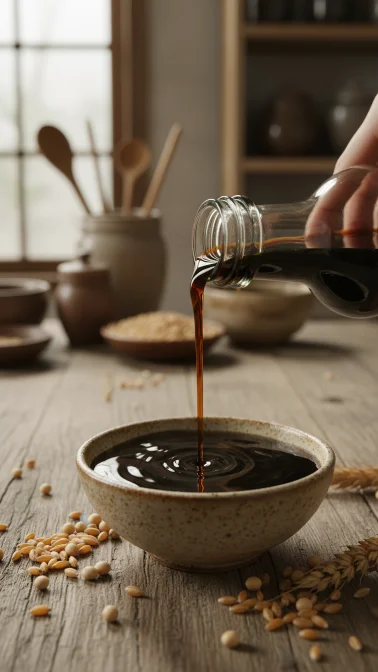
I explain what soy sauce is, what’s in it, and how it gets made. You’ll learn how ingredients and fermentation shape flavor, color, and uses.
Definition and Overview
I define soy sauce as a savory liquid condiment made from fermented soybeans and grains. It adds saltiness and umami to dishes and appears in Chinese, Japanese, Korean, and Southeast Asian cooking. Soy sauce ranges from thin, salty varieties used as dipping sauces to darker, sweeter types used for braising and glazing.
Different styles include Chinese light and dark soy, and Japanese shoyu. Each style varies in salt level, sweetness, and aroma. I often check labels for “naturally brewed” or “fermented” to know if the bottle comes from traditional fermentation rather than chemical shortcuts.
Key Ingredients
I list the core ingredients: soybeans, wheat (in many types), salt, water, and a fermenting mold or starter (often Aspergillus species). Soybeans supply protein and the amino acids that create umami during fermentation. Wheat adds sugars that yeasts and bacteria ferment into flavor compounds and mild sweetness.
Salt controls microbial growth and gives the characteristic salty taste. Some commercial sauces include additives like caramel color or preservatives; I read ingredients when I need gluten-free or low-sodium options. For more technical background on ingredients and nutrition, I consult resources like the USDA FoodData Central.
Traditional Production Methods
I describe the classic two-step fermentation process used for many artisanal soy sauces. First, cooked soybeans and roasted crushed wheat mix with a starter mold (koji) and sit for a few days to form koji. This step breaks down proteins and starches into simpler compounds.
Second, the koji blends with brine and ferments in open tanks for months to years. Lactic acid bacteria and yeasts develop complexity while enzymes keep producing amino acids and sugars. After fermentation, the liquid presses out, is pasteurized, and may be aged briefly before bottling. For a historical and scientific view of process variations, I reference reputable food science sources like the Britannica entry on soy sauce.
Types of Soy Sauce
I focus on four common soy sauces you’ll meet in recipes and stores. Each one has a distinct flavor, salt level, and best use in cooking.
Light Soy Sauce
I use light soy sauce for seasoning and dipping because it is salty and thin. It adds bright umami without darkening a dish, so I reach for it in stir-fries, dressings, and when I want a clear, savory finish.
Light soy sauce is usually made with a higher ratio of wheat and a standard fermentation process. It pours easily and blends into sauces quickly, which helps flavor proteins and vegetables without changing color much.
When measuring, I treat it like a salty liquid seasoning. A little goes a long way; taste as you go. If a recipe calls for “all-purpose” soy sauce, light is often what cooks mean.
Dark Soy Sauce
I choose dark soy sauce when I need color and a mild sweetness. It’s thicker, less salty than light soy sauce, and often contains molasses or caramel for depth and richness.
Dark soy sauce works well in braises, marinades for red color, and sauces where a glossy finish matters. I add it near the end when browning is not the goal, or earlier for long-simmered dishes that need both color and body.
Use dark soy sauce sparingly for salt. If you need both color and salt, I mix small amounts of dark with light soy sauce to balance taste and appearance.
Tamari
I use tamari when I want a richer, wheat-free soy flavor. Tamari originates from Japan and often contains little or no wheat, making it a common gluten-free choice for people who avoid wheat.
Tamari tastes fuller and less sharp than regular light soy sauce. It pairs well with sushi, dipping sauces, and recipes where a pronounced soy note should shine without extra sweetness or heavy color.
Check labels: some tamari brands still have wheat. I taste-test tamari before adding much to a dish and reduce other salty ingredients because tamari’s flavor can seem stronger.
Low-Sodium Soy Sauce
I reach for low-sodium soy sauce when I need soy flavor but must cut salt. It typically contains about 40% less sodium than regular soy sauce, achieved by diluting or modifying the recipe.
Low-sodium versions work well in soups, marinades, and everyday cooking where you control final salt levels. I often start with low-sodium soy and add a pinch of salt only if needed after tasting.
Watch for trade-offs: reduced-salt soy can taste flatter. To restore depth, I sometimes mix a little dark soy or a splash of umami-rich ingredient like mushroom broth.
Flavor Profile and Uses
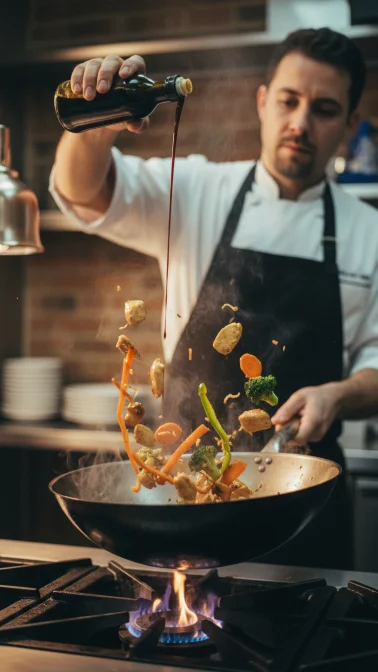
I describe how soy sauce tastes, what dishes it pairs with, and how it boosts savory flavor. Read these points to know when to add soy sauce and how much to use.
Taste Characteristics
I find soy sauce balances salty, savory, and slightly sweet notes. The main taste is salt, but fermented soy and wheat add deep umami and a mild toasted or caramel edge. Lighter soy sauces taste cleaner and saltier; darker ones feel richer and a bit sweeter.
Texture and aroma matter too. Soy sauce is thin and glossy, so it spreads easily in marinades and sauces. The smell can be tangy or mellow depending on fermentation. If you want precise flavor, compare a light Japanese shoyu and a thicker Chinese dark soy to hear the difference.
Culinary Pairings
I use soy sauce for meats, vegetables, and sauces where a savory lift helps. It pairs well with pork, chicken, beef, and firm fish like tuna or mackerel. For vegetables, I add it to stir-fries, braises, and roasted greens to deepen flavor.
Combine soy sauce with rice vinegar, mirin, or sesame oil for dressings and glazes. It also works in non-Asian dishes: add a dash to beef stews, mushroom gravies, or tomato sauces to balance sweetness. For more guidance on types and uses, I turn to resources like the Japan Ministry of Agriculture or serious culinary sites such as The Spruce Eats.
Enhancing Umami
I treat soy sauce as a concentrated umami tool. A small amount amplifies savory depth without adding extra saltiness when used with other umami ingredients like tomatoes, mushrooms, or parmesan. Start with a teaspoon and taste.
Use it in two ways: as a finishing splash or as a cooking ingredient. Finish grilled meat with a light brush for immediate flavor. Add during cooking for a rounded, integrated taste. For technical info on glutamates and fermentation, I refer to scientific food resources like the USDA or university food science pages.
When to Use Soy Sauce
I use soy sauce whenever I want quick salt, savory depth, or a touch of umami in a dish. It works well in wet mixes, quick pan-cooking, as a finishing touch, and in clear broths.
Marinades and Sauces
I add soy sauce to marinades for meat, tofu, and poultry to season deeply and help with browning. For a basic marinade, I mix 2 parts soy sauce, 1 part oil, and 1 part acid (like rice vinegar or lemon). I often add garlic, ginger, and a little sugar to balance the salt.
In thicker sauces, I use dark or sweet soy sparingly for color and sweetness. When making a pan sauce, I deglaze with a splash of soy and a bit of stock or wine to lift browned bits and add immediate savory flavor.
Stir-Fries
I use light or all-purpose soy sauce in stir-fries to season quickly without making the dish too dark. I add it near the end of cooking so the flavor stays bright and the sauce doesn’t evaporate completely.
I usually combine soy with a small amount of cornstarch slurry when I want a glossy, clingy sauce. For a simple weeknight stir-fry, I stir together soy, a little sesame oil, sugar, and garlic, then toss with vegetables and protein over high heat for 2–4 minutes.
Dipping and Finishing
I use soy sauce as a dipping sauce straight or mixed. For dumplings and sushi, I serve plain light soy so the filling shines. For dipping, I often mix soy with vinegar, chili oil, or scallions for extra sharpness.
As a finishing touch, I drizzle a small amount over steamed fish or roasted vegetables to add instant umami. I apply it sparingly at the end to avoid overpowering delicate flavors.
Soups and Broths
I add soy sauce to broths for depth and color, especially in noodle soups and miso-based bowls. I start with a small amount—about a teaspoon per cup of broth—and taste as I go.
I prefer light soy for clear broths and a touch of dark soy for richer, braised soups. Soy can replace some salt in recipes, but I always balance it with acid (lime or rice vinegar) or aromatics (ginger, scallion) to keep the broth bright.
Selecting the Right Soy Sauce
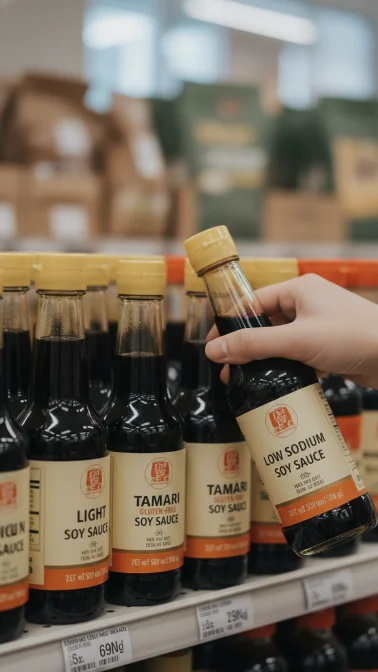
I focus on label details, flavor profile, and regional style to pick soy sauce that fits the dish and dietary needs. Knowing what to look for on the bottle saves time and prevents salty or off-flavored results.
Reading Labels
I read the ingredient list first. Look for naturally brewed or traditionally brewed if you want richer, complex umami. If the label lists hydrolyzed soy protein or artificial colors, expect a simpler, salt-forward taste.
Sodium matters. Many bottles show both sodium per serving and a reduced-sodium version. I choose low-sodium for finishing or soups, and full-strength for marinades and stir-fries.
Allergens and gluten are next. Tamari is often lower in wheat; labels will state “gluten-free” when certified. Also check for added sugar or preservatives if you want a cleaner ingredient list.
Notable Regional Varieties
I pick Chinese light soy (often called “all-purpose”) for stir-fries and dipping—it’s salty, thin, and boosts savory flavor without darkening food. Dark Chinese soy adds color and a touch of sweetness; I use it in braises and sauces.
For Japanese styles, I turn to shoyu and tamari. Koikuchi shoyu is balanced and versatile. Tamari has a fuller, less salty taste and often suits people avoiding wheat. For accuracy on regional differences, I reference reliable sources like the USDA and specialty sites such as the SoyInfo Center.
When a recipe needs subtlety, I use Japanese usukuchi (lighter color, salty) to keep appearance while adding salt. For bold color and gloss, I choose Chinese dark soy.
Soy Sauce Storage and Shelf Life
I store soy sauce so it keeps flavor and stays safe. Salt and fermentation protect it, but light, heat, and air change the taste over time.
Proper Storage Techniques
I keep unopened bottles in a cool, dark pantry away from the stove or hot appliances. Room temperature is fine for unopened regular soy sauce; it can sit sealed for years if the cap is tight.
Once opened, I tighten the cap after each use and store the bottle upright to limit air exposure. For best flavor, I refrigerate varieties like shoyu and tamari; refrigeration slows oxidation and preserves aroma for months. If I use a bottle quickly, I may keep it in the pantry, but I expect flavor to fade faster.
I also avoid storing soy sauce in direct sunlight or near the oven. Glass bottles are stable, but plastic can absorb flavors over long storage. I label homemade or transferred batches with the open date.
Signs of Spoilage
I check soy sauce for these clear signs before using it: unusual cloudiness, strong off-odors, or visible mold floating on the surface. Small sediment or slight darkening is normal from natural aging and usually not a safety risk.
If the sauce smells sour, rotten, or very sharp, I discard it. Mold or white film on top means contamination and I throw the bottle away. Taste changes—blandness or a stale, metallic note—mean the quality has declined even if it’s not unsafe. When in doubt, I replace the bottle to keep my dishes tasting right.
Substitutes for Soy Sauce
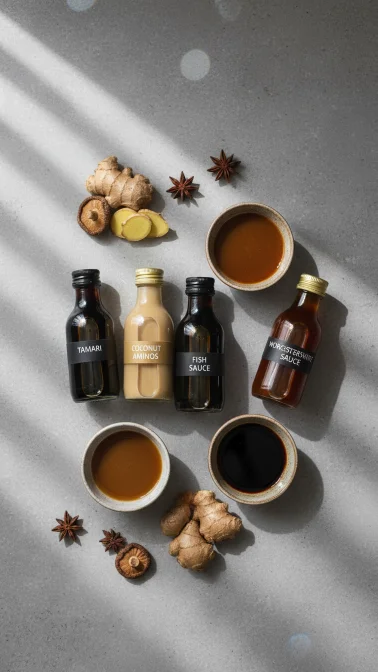
I often reach for alternatives when I don’t have soy sauce or need a different diet option. Tamari is my top pick for gluten-free cooking because it tastes very similar and keeps the savory umami. It works well in stir-fries and marinades.
For a lower-sodium or soy-free option, I use coconut aminos. It’s slightly sweeter and milder, so I add a pinch of salt when I need more depth. Many recipes that call for soy sauce accept this swap without changing texture.
Fish sauce and Worcestershire sauce add strong umami notes in small amounts. I use fish sauce for Southeast Asian dishes; a little goes a long way. Worcestershire can work in Western-style marinades and stews but has a different flavor profile.
If I need a quick homemade mix, I combine beef or mushroom broth with a splash of balsamic vinegar and a pinch of salt. This gives a rich, savory base that mimics soy sauce in cooked dishes. For more ideas and measurements, I check sources like the USDA food database and recipe guides from trusted sites such as Serious Eats.
When choosing a substitute, I taste as I go. Adjust salt, sweetness, and acidity to match the dish.
Nutritional and Dietary Considerations
I check soy sauce mainly for sodium. One tablespoon of regular soy sauce can contain roughly 800–900 mg of sodium, about 40% of a typical daily limit. That makes portion control important.
I note that soy sauce is low in calories and adds little fat. It does supply small amounts of protein, iron, and antioxidants from fermented soy. Those nutrients are helpful but not highly concentrated.
I warn about allergens and labels. Most traditional soy sauces contain wheat and soy, so people with celiac disease or soy allergy should avoid them. Tamari and gluten-free varieties can be safer options for those who need them.
I suggest using low-sodium or reduced-sodium versions when possible. They cut sodium by about 40–50% while keeping similar flavor. Diluting with water or adding citrus, vinegar, or herbs also reduces salt per serving.
I like to show a quick comparison:
| Type | Typical sodium per tbsp | Notes |
|---|---|---|
| Regular soy sauce | ~800–900 mg | Strong flavor, common in cooking |
| Low-sodium soy sauce | ~400–500 mg | Lower salt, similar taste |
| Tamari (gluten-free) | Varies | Often less or no wheat |
| Light/seasoned blends | Varies | May have added sugar or salt |
I recommend people with high blood pressure, kidney issues, or strict low-sodium diets limit soy sauce. For most others, small amounts used as a flavoring fit into a balanced diet.
FAQs
I get asked a lot about soy sauce and how to use it. Here are short answers to common questions.
- What’s the difference between light and dark soy sauce? I use light soy for seasoning and saltiness. I pick dark soy when I want color and a little sweetness.
- Can I use soy sauce as a salt substitute? Yes, it adds saltiness and umami. Watch the amount, since it also adds flavor compounds you may not want in every dish.
- Is all soy sauce fermented? Most traditional soy sauces are fermented from soybeans and wheat. Some fast-made versions use chemical hydrolysis instead of full fermentation.
- Are there gluten-free options? I look for tamari or labeled gluten-free soy sauces. Those often use little or no wheat.
- How much should I add while cooking? Start small. I add a teaspoon at a time and taste. You can always add more, but you can’t easily remove it.
- Can soy sauce replace fish sauce or Worcestershire sauce? It can work in a pinch for salt and umami, but flavors differ. I adjust other ingredients to match the dish.
Quick tip: store unopened bottles in a cool spot. Once opened, I keep soy sauce in the fridge for the best flavor over time.
Conclusion
I’ve explained what soy sauce is and how its types change flavor and use. It adds umami, salt, and color to many dishes, but it does not replace other seasonings like vinegar or citrus.
I use light soy sauce for seasoning and dipping because it brings saltiness without overpowering. I reach for dark or aged soy sauce when I want deeper color and richer notes in marinades or braises.
Be mindful of sodium and read labels; some varieties are lower in salt or brewed differently. If you need less sodium, I recommend reduced-sodium soy sauce or using smaller amounts and balancing with acids or herbs.
Quick reference:
- Light soy: salt, bright flavor, dipping, stir-fries.
- Dark soy: thicker, sweeter, color, stews.
- Tamari/gluten-free: similar depth, less wheat.
- Low-sodium: cut salt intake.
I encourage experimenting with small swaps to learn how each type changes a recipe. Taste as you go, and adjust salt and acidity to keep flavors balanced.
