Contents
- 1 Key Takeaways
- 2 Introduction: Why Cast Iron Skillet Size Matters
- 3 Understanding Cast Iron Skillet Sizes
- 4 Step 1: Assess Your Cooking Habits
- 5 Step 2: Consider Your Kitchen Space
- 6 Step 3: Choose the Right Size for Your Specific Needs
- 7 Step 4: Handle Practical Considerations
- 8 Step 5: Start Small or Go Big? The Final Decision
- 9 Troubleshooting Common Size-Related Issues
- 10 Conclusion: Your Perfect Cast Iron Skillet Awaits
- 11 Bonus: Quick-Start Seasoning Guide
Key Takeaways
- Consider your household size: 1-2 people work best with 8-10 inch skillets, while families need 12-inch or larger pans.
- Match to your stovetop: Measure your burner size to ensure even heating and prevent hot spots.
- Think versatility: The 10-inch skillet handles most recipes from steaks to cornbread perfectly.
- Account for weight: Larger skillets weigh 10+ pounds and become challenging to handle safely.
- Plan storage space: Cast iron requires cabinet room and cannot be stacked like non-stick pans.
- Start with one quality piece: Buy the best skillet you can afford rather than multiple cheap ones.
- Remember maintenance: Larger pans need more oil for seasoning and longer heating times.
Introduction: Why Cast Iron Skillet Size Matters
You’re ready to buy your first cast iron skillet. You’ve heard the stories about Grandma’s perfectly seasoned pan. But when you walk into the store, you face a wall of options. Sizes range from tiny 6-inch pans to massive 15-inch monsters. Which one is right for you?
Choosing the wrong size creates frustration. A pan too small means overcrowding and steamed food instead of seared. Too large and you waste energy, struggle with weight, and end up with uneven cooking. This guide walks you through every factor to consider. By the end, you’ll know exactly which cast iron skillet size fits your life.
We’ll cover everything from measuring your stovetop to understanding how different sizes affect cooking results. You’ll learn why most home cooks only need one or two skillets. And you’ll discover the single size that does it all.
Understanding Cast Iron Skillet Sizes
Cast iron skillet sizes confuse many buyers. Unlike modern pans, cast iron uses traditional measurement systems. Let’s break down what those numbers mean.
Visual guide about Finding the Best Cast Iron Skillet Size for Your Cooking Needs
Image source: preservingsweetness.com
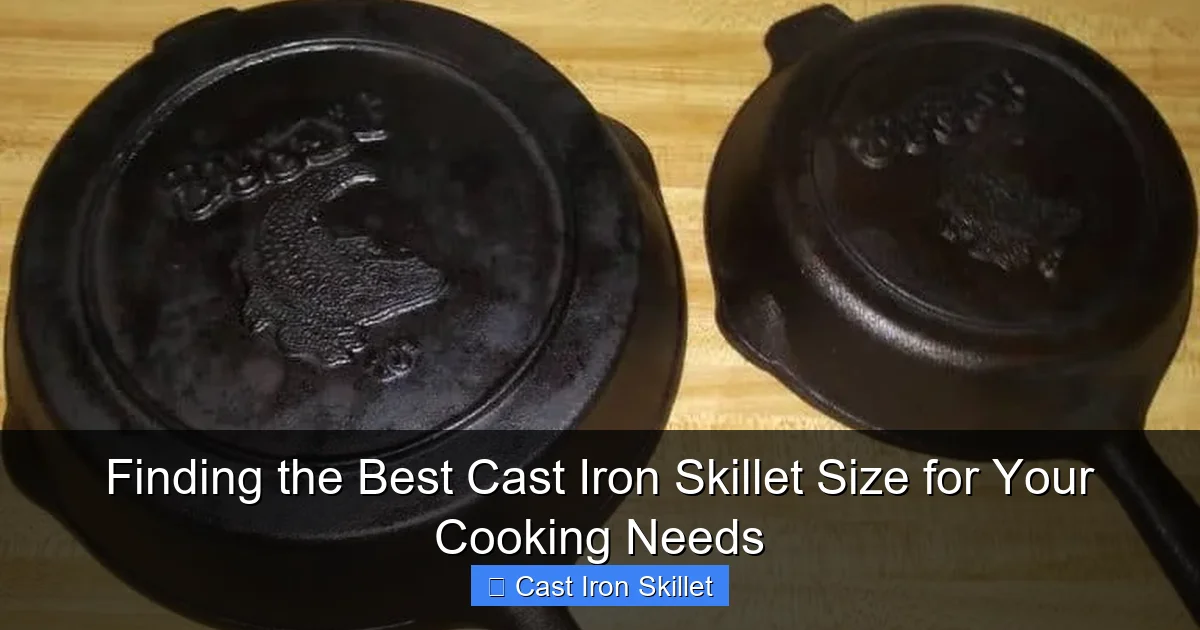
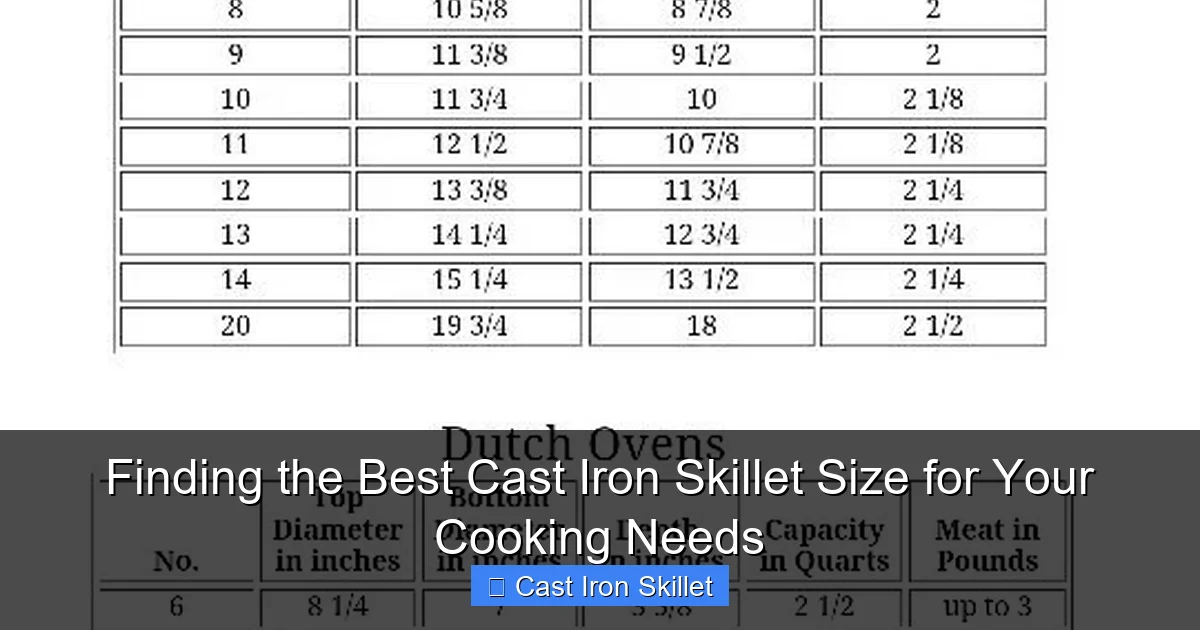
How Cast Iron Skillets Are Sized
Cast iron skillets use two measurement methods. The first is top diameter – the actual width of the pan’s opening. The second is bottom diameter – the cooking surface width. Most manufacturers list the top diameter.
For example, a 10-inch skillet measures 10 inches across the top, but the bottom cooking surface is typically 8 inches. This matters because you need to know if the pan fits your burner.
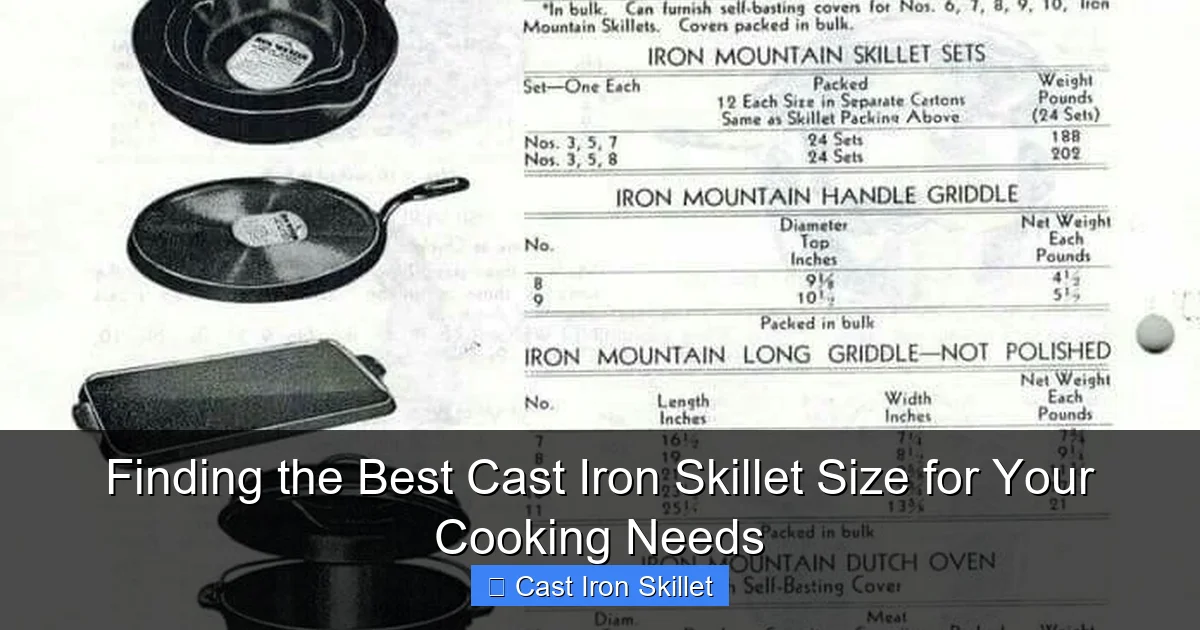
Traditional American cast iron uses numbers like 6, 8, 10, 12, and 14. These refer to the old system of pounds of iron used to make the mold. A No. 10 skillet used 10 pounds of iron, creating a pan we now call 10 inches.
Common Size Categories Explained
Small skillets (6-8 inches): Perfect for individual servings, eggs, or small vegetables. These weigh 3-5 pounds and fit in small kitchens.
Medium skillets (9-11 inches): The sweet spot for most families. These handle 2-4 servings comfortably. The 10-inch is the most popular size sold today.
Large skillets (12-14 inches): Essential for big families or batch cooking. These weigh 10-15 pounds and require two hands to move safely.
Extra-large (15+ inches): Commercial-style pans for huge meals. These are heavy and need professional stoves.
Step 1: Assess Your Cooking Habits
Your cooking style determines everything about your skillet choice. Be honest about how you really cook.
Visual guide about Finding the Best Cast Iron Skillet Size for Your Cooking Needs
Image source: i.pinimg.com
How Many People Do You Cook For?
Count your regular dinner guests. If you’re cooking for one or two people, a smaller skillet makes sense. A 8-inch or 10-inch pan gives you plenty of room without crowding.
Families of three to four need the 10-inch or 12-inch skillet. This size lets you sear a steak while having room for vegetables in the same pan.
Big families of five or more should consider the 12-inch minimum. You’ll need space for pancakes, hash browns, or a full breakfast spread.
Remember that cast iron retains heat beautifully. You can always cook in batches with a smaller pan. But a pan too small means constant refilling and temperature swings.
What Types of Dishes Do You Make?
Think about your favorite recipes. Do you sear steaks? A 10-inch or 12-inch gives you surface area for a good crust without burning your hands on the handle.
Love cornbread or skillet cookies? You need a pan deep enough to hold batter. Most cornbread recipes work best in 10-inch or 12-inch skillets.
Fry chicken regularly? Consider the depth. Chicken pieces need room to fry without oil overflow. A 12-inch skillet gives you the space.
Make lots of one-pan meals? A larger skillet lets you sear meat, then add vegetables without crowding. The 12-inch shines here.
If you mostly cook eggs or small sides, the 8-inch might be your daily driver. But ask yourself if you want one versatile pan or a collection.
Your Cooking Style and Frequency
Are you a weekend warrior who cooks elaborate meals? Or a weekday speed cooker? Your style matters.
Weekday cooking benefits from a smaller, lighter pan. You can heat it quickly and clean it fast. The 8-inch or 10-inch works perfectly.
Weekend projects call for larger pans. Think Dutch oven-style cooking in a skillet. A 12-inch gives you room for bigger cuts of meat.
Do you meal prep? A larger skillet helps you cook big batches. Then you can store food in containers rather than cooking daily.
Love outdoor cooking on a camp stove? Consider weight and portability. An 8-inch or 10-inch travels easier than a 12-inch monster.
Step 2: Consider Your Kitchen Space
Your kitchen’s physical limitations might override your cooking preferences. Measure twice, buy once.
Visual guide about Finding the Best Cast Iron Skillet Size for Your Cooking Needs
Image source: i.pinimg.com
Stovetop Size Limitations
Measure your largest burner. The skillet’s bottom should be slightly smaller than the burner ring. A pan too large won’t heat evenly. Too small and you waste energy.
Standard electric stovetops have 6-inch and 8-inch burners. An 8-inch skillet fits a 6-inch burner perfectly. A 10-inch skillet needs the 8-inch burner.
Gas stovetops offer more flexibility. The flames adjust to the pan size. But you still need space around the pan to avoid melting knobs or handles.
Overhang is dangerous. If the pan extends too far, you risk knocking it off the stove. Leave at least one inch between the pan edge and the next burner.
Test with a tape measure. Place your hand on the knob while a pan sits on the burner. Can you turn it safely? If not, the pan is too big.
Storage Solutions for Cast Iron
Cast iron doesn’t stack well with other pans. The rough surface scratches non-stick coatings. You need dedicated space.
Measure your cabinet shelves. Most cast iron skillets are 3-4 inches tall. You need shelf height for stacking with parchment paper between pans.
Consider hanging options. A pot rack saves cabinet space and shows off your beautiful cookware. But make sure it’s rated for the weight. A 12-inch skillet weighs 10-12 pounds.
Under-sink storage works if you keep the pan dry. Moisture causes rust. Add a silica gel packet to the storage area.
Don’t store with the lid on. Trapped moisture creates rust. If you must stack, use paper towels between pans and check monthly.
Oven Capacity and Bakeware
Many cast iron recipes finish in the oven. Your oven’s rack spacing matters.
Measure the space between oven racks. A 12-inch skillet with a handle cover needs room to slide in without hitting the rack above.
Check your oven’s width. Standard ovens fit a 15-inch skillet diagonally. But you need space for hot pads and clearance.
Consider handle length. Some skillets have long handles that hit the oven door. Lodge 12-inch skillets fit most standard ovens. But test with your specific model.
If you bake cornbread or pizza regularly, make sure your skillet fits on the center rack. This gives even heat distribution.
Step 3: Choose the Right Size for Your Specific Needs
Now we match your needs to actual pan sizes. Each size has strengths and weaknesses.
The 8-Inch Skillet: Small but Mighty
The 8-inch skillet weighs about 4 pounds. It’s perfect for singles, couples, or small kitchens. You can fry two eggs without crowding. Sear a small steak. Cook a single serving of cornbread.
Best for: Individuals, small portions, breakfast foods, side dishes, small kitchens.
Limitations: Can’t handle a full meal for two. Overcrowding happens easily. Not ideal for larger cuts of meat.
Who should buy: Apartment dwellers, RV owners, campers, or as a second pan for small tasks.
The 8-inch is also great for controlling portions. You can’t make a huge batch of pasta sauce, but you can reheat leftovers perfectly.
The 10-Inch Skillet: The Golden Standard
The 10-inch skillet is what most people imagine when they think cast iron. It weighs 5-6 pounds. This pan does everything well.
You can sear a 12-ounce steak with room to move. Fry four eggs at once. Make a full batch of cornbread. Cook a one-pan meal for two to three people.
Best for: Couples, small families, versatile cooking, weekend meals, weekday dinners.
Why it’s popular: Fits most stovetops. Light enough for one-handed use. Big enough for most recipes. Heats quickly. Stores easily.
Who should buy: First-time cast iron buyers, anyone with limited space, most home cooks.
This is the skillet you’ll use daily. It’s the workhorse that makes cast iron worth the effort. If you only buy one pan, make it the 10-inch.
The 12-Inch Skillet: Family Workhorse
The 12-inch skillet is for serious cooking. It weighs 10-12 pounds. This pan handles big meals.
You can sear two large steaks side by side. Make a full sheet of cornbread. Fry a whole chicken cut into pieces. Cook pancakes for a family of four.
Best for: Families of four or more, batch cooking, large cuts of meat, meal prep, entertaining.
Considerations: Heavy to lift. Needs large burners. Takes longer to heat. Requires more storage space.
Who should buy: Large families, serious home cooks, those with professional-style stoves, meal preppers.
The 12-inch is also great for making “reverse seared” meats. Start in a low oven, then finish on the stovetop. The large surface area helps.
Larger Options: 13-15 Inches
These are commercial-grade pans. They weigh 15+ pounds. Most home cooks never need this size.
Best for: Commercial kitchens, very large families, outdoor cooking on large grills, camp cooking for groups.
Major drawbacks: Too heavy for safe handling. Won’t fit standard home ovens. Requires professional seasoning. Takes forever to heat.
Unless you’re cooking for 6+ people daily, skip these sizes. They’re more frustrating than useful in a home kitchen.
Step 4: Handle Practical Considerations
Size affects more than cooking surface. Think about the daily realities of using cast iron.
Weight and Maneuverability
A 12-inch skillet weighs as much as a bag of dog food. You’ll use both hands to move it. Consider your strength and any physical limitations.
Handles get hot. A larger skillet has a longer handle, which means more leverage but also more weight to control. Make sure you can grip the handle securely with a potholder.
Empty weight matters when seasoning. You’ll need to move the pan in and out of a hot oven. Can you safely handle 10 pounds of cast iron plus a rack?
Cleaning a large skillet is harder. You’ll need a sink large enough to scrub it. Or you’ll use a dedicated brush and wash it in sections.
Think about your wrists. If you have arthritis or weakness, a smaller, lighter pan is better. The 8-inch or 10-inch will serve you longer.
Seasoning and Maintenance by Size
Seasoning is the process that makes cast iron non-stick. Larger pans need more oil and more time.
An 8-inch skillet takes 1-2 tablespoons of oil for a full seasoning. A 12-inch needs 3-4 tablespoons. That’s more expensive over time.
Heat distribution varies by size. Smaller pans heat quickly and evenly. Larger pans develop hot spots in the center unless preheated slowly.
Cleaning after cooking is easier with smaller pans. You can scrub them under running water. Large pans often need to be rinsed in the sink without full immersion.
Storage affects seasoning. Larger pans are harder to stack with protective layers. You might need to season more often if storage is poor.
Consider your oil choice. Some oils create better seasoning layers. For tips on choosing the right oil, check out our guide on what is olive oil and how to use it for seasoning insights.
Heat Distribution and Cooking Performance
Cast iron heats differently than stainless steel or non-stick. Size affects this dramatically.
Smaller skillets heat in 2-3 minutes. They’re ready to cook quickly. This makes them energy-efficient for small meals.
Larger skillets need 5-8 minutes to reach temperature. They hold heat better once hot. This is good for searing large cuts but bad for quick cooking.
Hot spots plague larger pans on weak stoves. A 12-inch skillet on a 15,000 BTU burner will have a scorching center and cool edges. Preheating slowly helps.
The depth of the pan affects cooking. Deeper skillets hold more oil for frying. Shallow pans are better for searing and sautéing.
Consider your stove’s power. Weak burners pair better with smaller pans. Strong burners can handle larger pans without hot spots.
Step 5: Start Small or Go Big? The Final Decision
You’ve gathered all the information. Now it’s time to choose. This step helps you make the final call.
Benefits of Having Multiple Sizes
Many cast iron enthusiasts own three sizes: 8-inch, 10-inch, and 12-inch. Each has a purpose.
The 8-inch handles eggs and small sides. The 10-inch does everyday cooking. The 12-inch serves large groups.
Multiple pans let you cook several components at once. Sear meat in the 12-inch while vegetables cook in the 10-inch. This is faster than cooking in sequence.
But multiple pans cost more. They need more storage. They require learning three different heating patterns.
If you’re just starting, buy one great pan. Learn it inside and out. Add a second size after six months of use. You’ll know what you need by then.
The Starter Skillet Approach
For 90% of home cooks, the 10-inch skillet is the perfect starter. It’s affordable, versatile, and manageable.
Buy a pre-seasoned 10-inch skillet from a reputable brand. Lodge, Finex, and Stargazer make excellent options. Expect to pay $30-$60.
Use it for two weeks. Cook everything in it. You’ll quickly discover if you need more or less pan. Then you can make an informed decision about a second size.
This approach prevents buyer’s remorse. You won’t have a giant pan gathering dust because it’s too much work.
The starter approach also builds your skills. You’ll learn seasoning, cleaning, and cooking techniques with a manageable size before moving up.
Investing in One Versatile Piece
If you can only buy one pan, choose the 10-inch. It does 80% of everything a home cook needs.
Look for these features: a smooth cooking surface, sturdy handle, and helper handle. The helper handle is crucial for larger pans but useful on all sizes.
Consider the finish. Some pans have enameled cooking surfaces. These are easier to maintain but can’t handle high heat like traditional cast iron.
Buy the best you can afford. A $50 pan outlasts three $20 pans. Cast iron is forever cookware when cared for properly.
Remember that your first pan is a learning tool. Don’t stress about perfection. Even a “wrong” size teaches you about cast iron cooking.
Troubleshooting Common Size-Related Issues
Even with the right size, you might face challenges. Here’s how to solve them.
Food Sticking Due to Size
Overcrowding causes sticking. You add too much food to a small pan. The temperature drops. Food steams instead of sears. Then it sticks.
Solution: Cook in batches. Use two pans if you have them. Let the pan reheat between batches. Don’t rush the process.
Insufficient oil also causes sticking. Larger pans need more oil to cover the surface. Use 2-3 tablespoons for a 12-inch pan instead of 1 tablespoon for an 8-inch.
Clean your pan properly. Soap isn’t the enemy – modern dish soap is fine. But harsh detergents strip seasoning. For tough cleaning, use coarse salt and oil.
Sometimes you need a different approach. For sticky foods like eggs, preheat the pan longer. Let it reach the right temperature before adding oil and food.
Uneven Cooking in Large Pans
Large skillets develop hot spots. The center gets screaming hot while edges stay cool. This is especially true on weak stoves.
Solution: Preheat slowly. Turn the burner to medium and wait 5-7 minutes. Move food around the pan. Sear in the center, then push to edges to finish.
Use a diffuser. These metal disks spread heat evenly across the pan bottom. They’re cheap insurance for large pans on electric stoves.
Consider your burner size. If your largest burner is 6 inches, a 12-inch pan will always have cool edges. Choose a pan that matches your burner.
Rotate the pan. Turn it 180 degrees halfway through cooking. This balances the heat pattern. Use a potholder and be careful.
Storage Problems and Space Issues
Large skillets don’t fit in standard cabinets. They won’t stack with other pans. This creates clutter.
Solution: Dedicate a lower cabinet shelf. Store the pan uncovered. Place a towel on the shelf to catch dust.
Hang it from a pot rack. This saves space and looks great. Make sure the rack is securely mounted. Use S-hooks designed for heavy pans.
Store with a paper towel inside. This absorbs moisture and prevents rust. Change the towel monthly.
If you must stack, use parchment paper between pans. Don’t stack more than two. And never stack while pans are wet.
Consider a pan protector. These silicone mats prevent scratching when stacking. They’re worth the small investment for expensive pans.
Conclusion: Your Perfect Cast Iron Skillet Awaits
Choosing the best cast iron skillet size comes down to matching the pan to your real life. Think about your family, your kitchen, and your cooking style.
For most people, the 10-inch skillet is the answer. It’s versatile, manageable, and fits almost every situation. It’s the pan you’ll use daily for years.
If you cook for one or have limited space, the 8-inch is perfect. If you feed a crowd regularly, the 12-inch is essential.
Remember that cast iron is an investment. Buy quality. Care for it properly. It will outlast you and become a family heirloom.
Start with one pan. Learn it well. Add to your collection only if you truly need another size. Don’t clutter your kitchen with unused cookware.
Your perfect cast iron skillet is out there. Now you know how to find it. Happy cooking!
Bonus: Quick-Start Seasoning Guide
Once you choose your size, season it immediately. Here’s the quick method:
1. Wash with hot water and stiff brush. Dry completely.
2. Apply thin layer of oil. Use a paper towel to wipe off excess.
3. Bake upside down at 375°F for one hour. Place foil on lower rack to catch drips.
4. Let cool in oven. Repeat 2-3 times for best results.
For more on cooking fats that work well with cast iron, explore our guide on what is ghee and its benefits. Ghee’s high smoke point makes it excellent for seasoning and cooking.
Also, if you’re looking for ways to simplify your kitchen routine while breaking in your new skillet, our best cooking tips for busy weekdays can help you incorporate cast iron into your schedule.
🎥 Related Video: Always pre-heat your cast iron!
📺 Cast Iron Chris
