
What Is a Seasoned Cast Iron Skillet and Why You Need One

A seasoned cast iron skillet is a cast iron pan that has been treated with oil and heat to create a natural non-stick surface. This process builds up layers of polymerized oil that protect the pan and make cooking easier. You need one because it’s versatile, durable, and gets better with age.
Key Takeaways
- Seasoning creates non-stick: A seasoned cast iron skillet develops a natural non-stick coating through polymerized oil layers.
- It’s a chemical-free alternative: Unlike Teflon pans, seasoning uses pure oil to create a safe cooking surface.
- Proper maintenance is crucial: Regular cleaning and occasional re-seasoning keep your pan in top condition.
- Choose the right oil: High-smoke point oils like vegetable, canola, or flaxseed work best for seasoning.
- Patience pays off: Building a perfect seasoning takes multiple layers and consistent care over time.
- Versatile cooking tool: A seasoned cast iron skillet works on stovetops, in ovens, and even over campfires.
- It improves with age: The more you use a properly seasoned cast iron skillet, the better it performs.
What You’ll Learn in This Guide
If you’ve ever wondered what makes a cast iron skillet special, you’re in the right place. This guide will explain everything about a seasoned cast iron skillet—what it is, why it matters, and how you can create one yourself. You’ll discover the science behind seasoning, practical steps to do it right, and simple maintenance tips. By the end, you’ll understand why professional chefs and home cooks swear by these timeless kitchen tools.
What Is a Seasoned Cast Iron Skillet?
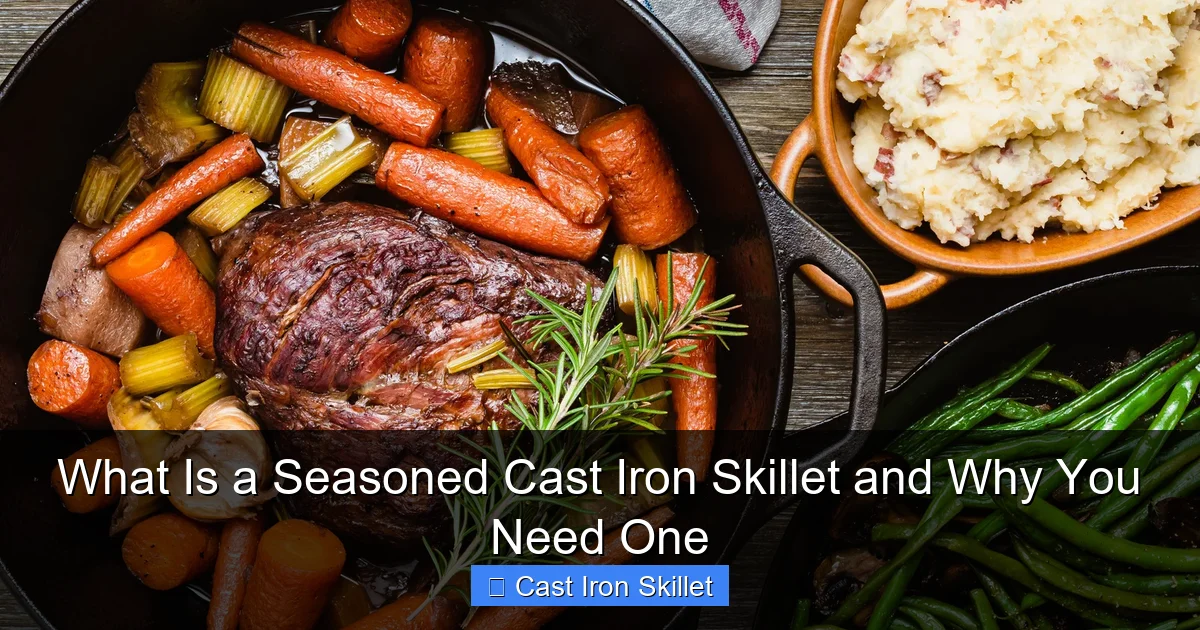
A seasoned cast iron skillet is a cast iron cooking pan that has undergone a specific treatment process to create a natural non-stick surface. This isn’t a factory coating like Teflon. Instead, it’s built at home through layers of oil and heat. The seasoning process transforms the porous, raw iron into a smooth, protective layer that food won’t stick to.
Visual guide about What Is a Seasoned Cast Iron Skillet and Why You Need One
Image source: tastingtable.com
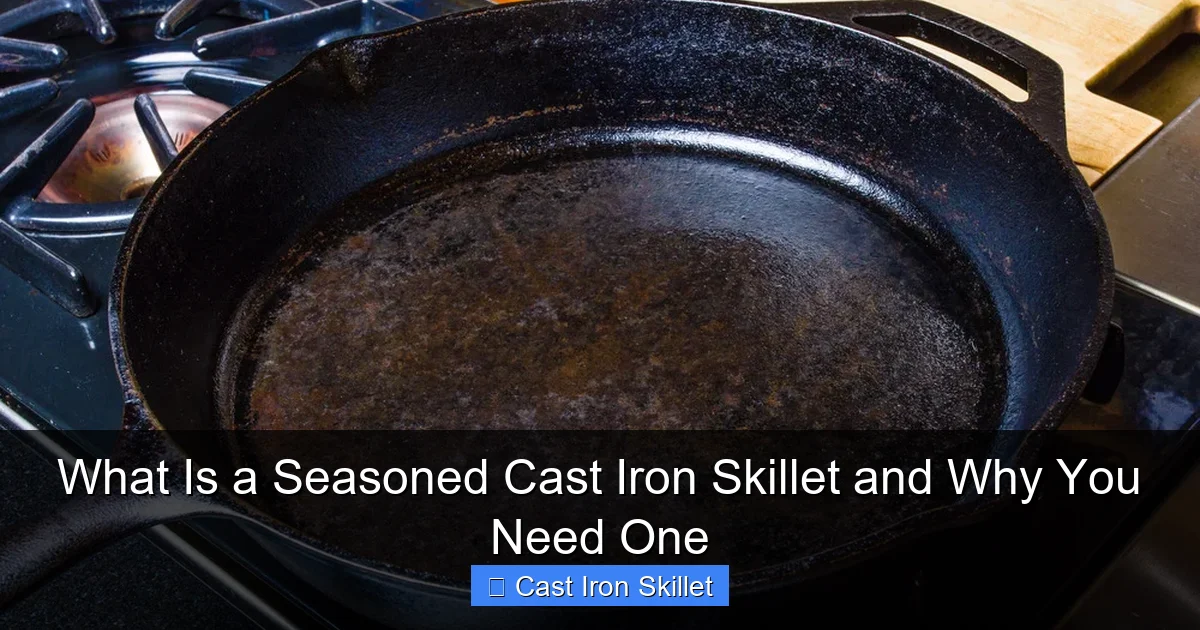
When you look at a well-seasoned cast iron skillet, you’ll see a dark, almost black surface that’s smooth to the touch. This color comes from polymerized oil—oil that has been heated to the point where it breaks down and reforms into a hard, plastic-like layer. This layer bonds to the iron itself, creating a barrier between your food and the metal.
Understanding what a seasoned cast iron skillet is matters because it’s the difference between a rusty, sticky pan and a kitchen workhorse that lasts generations. The seasoning protects against rust, prevents food from sticking, and actually improves with proper use and care.
The Science Behind Seasoning
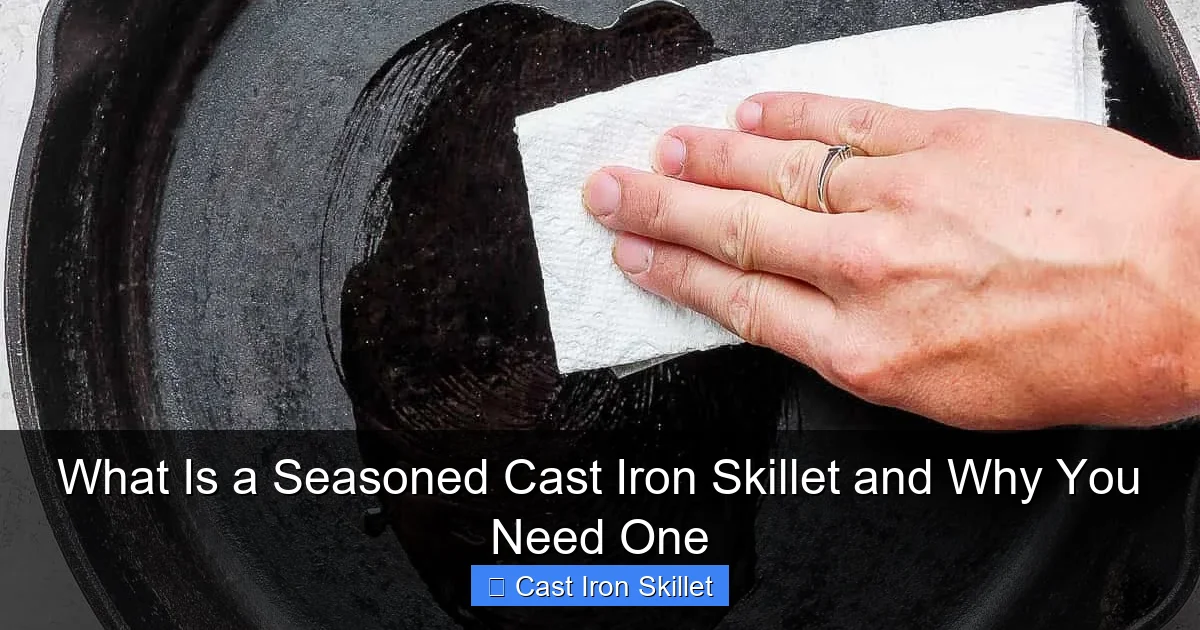
Seasoning might seem like magic, but it’s actually chemistry. When you heat oil on cast iron, something called polymerization occurs. The oil molecules break apart and reconnect in a new structure. This creates a durable, non-stick film that’s bonded permanently to the metal surface.
Visual guide about What Is a Seasoned Cast Iron Skillet and Why You Need One
Image source: feelgoodfoodie.net
Here’s how it works step by step:
- The oil spreads across the hot iron surface
- Heat causes the oil to break down chemically
- Molecules link together forming a polymer chain
- This chain creates a hard, protective layer
- Multiple layers build up over time
Different oils polymerize differently. Oils with high unsaturated fat content, like flaxseed oil, create very hard layers but can be brittle. Oils with more saturated fats, like coconut oil, are more durable but take longer to polymerize. Most home cooks find vegetable or canola oil provides the best balance of durability and ease of use.
Why You Absolutely Need a Seasoned Cast Iron Skillet
You might be thinking, “Do I really need another pan?” The answer is yes, and here’s why. A seasoned cast iron skillet solves problems that modern non-stick pans can’t. It’s the ultimate multitasker in your kitchen.
Visual guide about What Is a Seasoned Cast Iron Skillet and Why You Need One
Image source: mashed.com
Natural Non-Stick Without Chemicals
Modern non-stick pans use chemical coatings that break down over time. A seasoned cast iron skillet gives you non-stick performance without any synthetic chemicals. The polymerized oil layer is completely safe and natural. You get all the convenience without worrying about scratches or toxic fumes.
Unmatched Versatility
One seasoned cast iron skillet replaces multiple pans. You can sear meat on the stovetop, then move it directly to the oven for finishing. You can cook eggs for breakfast, fry chicken for dinner, and bake cornbread for dessert—all in the same pan. This versatility makes it perfect for cooking efficiently for a small family.
Superior Heat Retention
Cast iron holds heat like no other cookware. Once your seasoned cast iron skillet gets hot, it stays hot. This means perfect sear marks on steaks and crispy edges on fried foods. You don’t need high heat to maintain cooking temperature, which saves energy and prevents burning.
Decades of Durability
A well-maintained seasoned cast iron skillet will outlast you. It can be passed down through generations. Unlike modern pans that need replacing every few years, cast iron gets better with age. The seasoning layer only improves with proper use.
Health Benefits
Cooking in cast iron can increase the iron content of your food, especially when cooking acidic dishes like tomato sauce. This is a natural way to boost iron intake without supplements. Plus, the non-stick surface means you can use less oil when cooking, reducing unnecessary fats.
Cost-Effective Investment
A quality cast iron skillet costs less than most premium cookware sets. Considering it lasts forever and replaces multiple pans, it’s one of the best kitchen investments you can make. You’ll save money long-term while getting superior cooking performance.
How to Season Your Cast Iron Skillet (Step-by-Step)
Creating a seasoned cast iron skillet is easier than you think. Follow these steps carefully, and you’ll have a perfect non-stick surface in no time.
Step 1: Choose Your Pan and Oil
Start with a plain, unseasoned cast iron skillet. Avoid pre-seasoned pans for this first seasoning—they often need a refresh anyway. For oil, choose one with a high smoke point. Vegetable oil, canola oil, and shortening work well. Olive oil is not ideal for initial seasoning because it has a lower smoke point and can become sticky.
Step 2: Clean and Dry Thoroughly
Wash the skillet with warm, soapy water to remove any factory residue. Scrub with a stiff brush or steel wool. Rinse completely and dry immediately with a towel. Then place it on the stovetop over low heat for a few minutes to ensure all moisture evaporates. A completely dry surface is essential for good seasoning.
Step 3: Apply a Thin Layer of Oil
Pour about a teaspoon of oil into the pan. Use a paper towel or clean cloth to spread it evenly across the entire surface—inside, outside, handle, everywhere. The key here is THIN. Too much oil creates a sticky, gummy layer. You want a light sheen, not a puddle. Wipe off any excess until the surface looks almost dry.
Step 4: Bake the Skillet
Place the oiled skillet upside down in your oven. Put a baking sheet or aluminum foil on the lower rack to catch any drips. Heat your oven to 375°F (190°C). Bake for one hour, then turn off the heat and let the pan cool completely inside the oven. This slow cooling helps the polymerization process.
Step 5: Repeat the Process
After cooling, remove the skillet. You should see a dark, slightly sticky layer. Don’t worry if it’s not perfect yet. Repeat steps 3 and 4 two to three more times. Each layer builds on the last, creating a deeper, more durable seasoning. Most cooks need 3-5 total seasonings for a great non-stick surface.
Step 6: Test Your Seasoning
Once you’ve completed the initial seasonings, test your pan. Heat it over medium heat and add a drop of water. If it beads up and dances, your surface is ready. Try cooking a simple egg or pancake. If food doesn’t stick, you’ve successfully created a seasoned cast iron skillet.
Maintaining Your Seasoned Cast Iron Skillet
Proper care keeps your seasoned cast iron skillet performing perfectly for years. The key is to clean gently and maintain the seasoning layer.
Daily Cleaning Routine
After cooking, let the pan cool slightly but don’t let food dry on it. Use warm water and a soft brush or sponge to remove food particles. Avoid soap when possible, but a little mild soap won’t hurt if needed. Never put a hot pan in cold water—this can warp the iron.
Drying and Light Oiling
Dry your skillet immediately after washing. Place it on the stovetop over low heat for a minute or two to evaporate all moisture. Then add a tiny drop of oil and rub it around with a paper towel. This creates a protective barrier against rust.
Dealing with Stubborn Residue
If food sticks, don’t scrub aggressively. Instead, fill the pan with water and bring it to a boil. This loosens stuck-on bits. For really tough spots, use coarse salt as an abrasive with a paper towel. The salt scrubs without damaging the seasoning.
When to Re-Season
Your seasoned cast iron skillet will need re-seasoning when food starts sticking or you notice rust spots. This might happen every few months with heavy use. Simply repeat the seasoning process from earlier. A light re-seasoning after cooking acidic foods like tomatoes can prevent damage.
Storage Tips
Store your skillet in a dry place. If stacking pans, place a paper towel between them to prevent scratching. Never store with a lid sealed tightly—this traps moisture and causes rust. A light coating of oil before long-term storage helps protect the surface.
Common Seasoning Problems and Solutions
Even careful cooks run into issues. Here’s how to fix the most common problems with a seasoned cast iron skillet.
Rust Spots Appearing
Rust happens when moisture reaches the iron. If you see small rust spots, don’t panic. Scrub them off with steel wool or a scrub brush. Wash, dry thoroughly, and re-season the affected area. For large rust patches, you may need to strip the entire pan and start over with a vinegar soak.
Sticky, Gummy Surface
This usually means you used too much oil during seasoning. The excess oil didn’t polymerize properly and left a sticky residue. To fix it, heat the pan in the oven at 500°F for an hour to burn off the sticky layer. Let it cool, then start the seasoning process again with thinner oil layers.
Food Still Sticking
If food sticks despite seasoning, the surface might not be smooth enough. Heat your pan properly before cooking—cast iron needs preheating time. Make sure you’re using enough oil when cooking. Sometimes the seasoning needs more layers. Try cooking fatty foods like bacon first to build up the surface naturally.
Uneven Color or Texture
Uneven seasoning is normal, especially around edges. Focus on the cooking surface. If some spots look patchy, simply apply more oil layers to those areas during re-seasoning. The color will even out over time with regular use.
Burnt-On Food
Never soak a cast iron skillet. For burnt food, fill with water and boil for 10-15 minutes. Use a wooden or nylon scraper to lift softened food. If needed, add more water and boil again. Avoid metal utensils that can scratch the seasoning.
Cooking Successfully with Your Seasoned Cast Iron Skillet
Now that your pan is seasoned, learn how to use it properly. These tips will maximize your cooking results.
Preheating Is Essential
Always preheat your seasoned cast iron skillet before adding food. This ensures even cooking and prevents sticking. Place it over medium heat for 5-10 minutes. You’ll know it’s ready when a drop of water dances across the surface instead of sitting still.
Choose the Right Utensils
Wood, silicone, and nylon utensils are safest for your seasoned cast iron skillet. Metal utensils won’t damage the seasoning if used carefully, but they can scratch over time. Avoid abrasive scrubbers when cleaning.
Start with Fatty Foods
When breaking in a new seasoned cast iron skillet, cook fatty foods first. Bacon, burgers, and fried chicken help build up the seasoning naturally. Save delicate foods like fish and eggs for after your pan has several cooking sessions under its belt.
Experiment with Different Dishes
Your seasoned cast iron skillet can handle almost anything. Try searing steaks, frying potatoes, baking pizza, or even making desserts like skillet cookies. The even heat distribution makes it perfect for cooking a perfect roast. You can also use it for clarified butter techniques like making ghee directly in the pan.
Adjust Cooking Times
Cast iron holds heat differently than other pans. You may need to reduce cooking temperatures slightly. Food cooks faster in cast iron, so keep an eye on it. The pan continues cooking food after you remove it from heat, so plan accordingly.
Conclusion: Your Kitchen Will Never Be the Same
A seasoned cast iron skillet is more than just a pan—it’s a lifetime cooking companion. Once you understand what a seasoned cast iron skillet is and how to create one, you’ll wonder how you ever cooked without it. The natural non-stick surface, incredible durability, and versatility make it indispensable.
Remember that seasoning is a process, not a one-time event. Your pan will improve with each use and each careful cleaning. The dark, smooth surface you create will become a source of pride as you serve delicious meals to family and friends.
Start with the seasoning steps in this guide. Be patient and don’t rush the process. Soon you’ll have a kitchen tool that outlasts trends, saves you money, and delivers perfect results every time. The seasoned cast iron skillet you create today could be the same pan your grandchildren use decades from now.
