The Ultimate Rice Cooker Cleaning Guide for Perfect Maintenance

This guide teaches you how to clean a rice cooker effectively after every use and with deep cleaning methods. You’ll discover simple steps to maintain your appliance, prevent burnt smells, and extend its lifespan. Proper rice cooker maintenance ensures perfect rice every time and keeps your kitchen hygienic.
Key Takeaways
- Clean after every use: Quick wiping prevents stubborn buildup and odors
- Never submerge the base: Water damages electrical components and heating elements
- Use natural solutions: Vinegar and baking soda safely remove stains without chemicals
- Remove the inner pot carefully: Avoid scratching non-stick surfaces with metal utensils
- Pay attention to hidden parts: Lids, steam vents, and crevices collect food particles
- Regular maintenance extends life: Proper cleaning adds years to your rice cooker’s performance
Introduction: Why Your Rice Cooker Deserves Regular Cleaning
Your rice cooker works hard to deliver perfect fluffy rice every single time. But without proper care, this kitchen hero can develop stubborn stains, weird smells, and even stop working properly. Learning how to clean a rice cooker isn’t just about keeping it pretty—it’s about ensuring your food tastes great and your appliance lasts for years. This guide will walk you through everything from quick daily wipes to deep cleaning sessions that make your rice cooker look brand new.
Whether you use your rice cooker daily for white rice, brown rice, or even steaming vegetables, this maintenance routine will keep it performing at its best. Let’s dive into the simple steps that transform rice cooker cleaning from a chore into a quick, easy habit.
Why Regular Rice Cooker Cleaning Matters
Think about it: every time you cook rice, tiny starch particles escape and settle on the heating element, lid, and other parts. Over time, these particles burn and create that unpleasant smell you notice when reheating leftovers. Regular cleaning prevents this buildup and ensures your rice cooker heats evenly. Plus, a clean rice cooker is a happy rice cooker—it cooks faster, uses less energy, and keeps your kitchen smelling fresh.

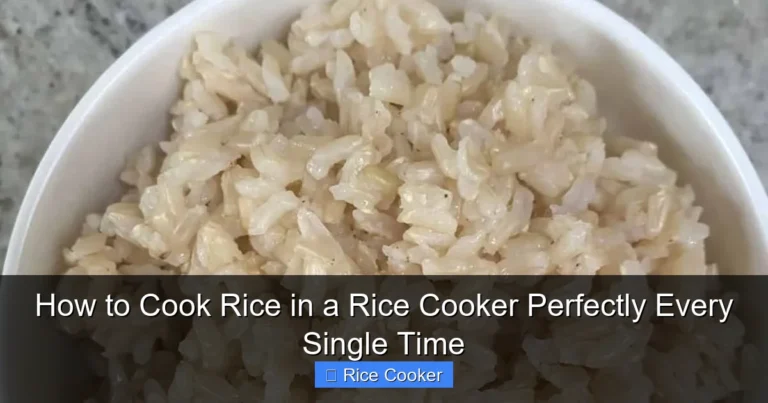
Visual guide about The Ultimate Rice Cooker Cleaning Guide for Perfect Maintenance
Image source: tiger-corporation.com
If you want to learn how to cook rice perfectly every time, start with a clean appliance. Residue from old rice can affect cooking temperatures and timing, leading to mushy or undercooked results. Cleaning your rice cooker is the first step to culinary perfection.
Daily Cleaning Routine After Every Use
The key to easy rice cooker maintenance is cleaning it right after cooking while it’s still warm. This prevents rice from hardening and sticking to surfaces.

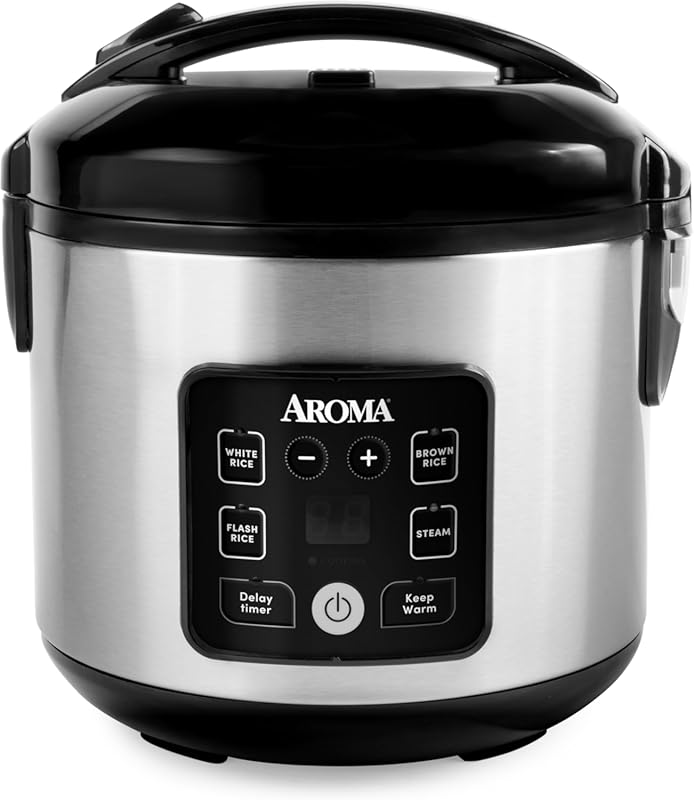
Visual guide about The Ultimate Rice Cooker Cleaning Guide for Perfect Maintenance
Image source: i.ytimg.com
Step 1: Let the Rice Cooker Cool Down Slightly
Never handle a rice cooker immediately after cooking. Turn it off and unplug it from the wall. Wait about 10-15 minutes until it’s warm but not hot to the touch. This makes cleaning safer and more effective. The inner pot will be easier to handle, and you won’t risk burning yourself on the hot heating plate.
Step 2: Remove the Inner Pot Carefully
Lift the inner pot straight up from the base. Most rice cookers have a removable pot that sits inside the heating chamber. Be gentle—don’t tip it or scrape it against the sides. Place it on a heat-safe surface or directly in your sink. The non-stick coating is delicate, so avoid using metal utensils that could scratch it.
Step 3: Clean the Inner Pot Properly
Rinse the inner pot with warm water and mild dish soap. Use a soft sponge or cloth—never steel wool or abrasive scrubbers. For stuck-on rice, soak the pot in warm, soapy water for 10-15 minutes. This loosens the rice without harsh scrubbing. Rinse thoroughly and dry completely with a soft towel before putting it back. Any leftover water can cause rust or affect the next cooking cycle.
Step 4: Wipe the Lid and Exterior
Use a damp cloth to wipe the inside of the lid where steam condenses. Rice starch often collects here and creates a sticky film. Pay attention to the edges and any crevices. For the exterior, use a slightly damp microfiber cloth. Never spray water directly onto the control panel or base. A quick wipe removes dust and prevents grime buildup.
Weekly Deep Cleaning Process
Even with daily cleaning, your rice cooker needs a deeper clean once a week. This removes mineral deposits and stubborn stains that daily wiping misses.

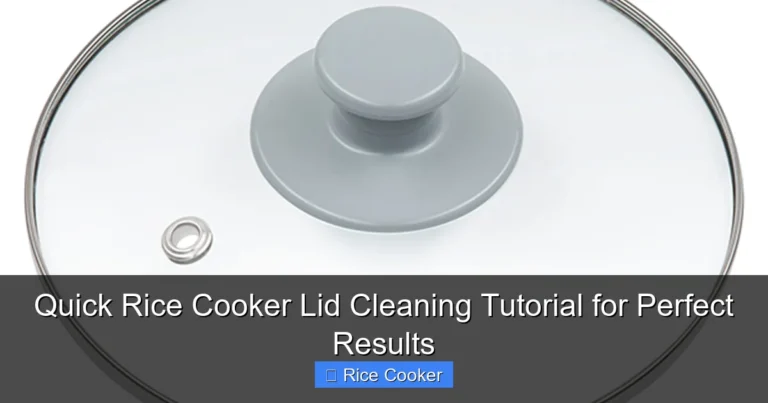
Visual guide about The Ultimate Rice Cooker Cleaning Guide for Perfect Maintenance
Image source: thespruce.com
Descaling Your Rice Cooker
Hard water leaves mineral deposits on the heating element and inner surfaces. To descale, fill the inner pot with equal parts water and white vinegar. Run the rice cooker on the regular cycle. The vinegar breaks down calcium buildup and neutralizes odors. After the cycle finishes, discard the solution and rinse the pot thoroughly. Run one more cycle with plain water to remove any vinegar taste.
Removing Stubborn Stains
For burnt rice stuck to the inner pot, make a paste of baking soda and water. Apply it to the stained area and let it sit for 30 minutes. Gently scrub with a soft brush or sponge. For really tough spots, boil the paste in the pot for 5-10 minutes. The baking soda lifts stains without damaging the non-stick coating. Always rinse well after cleaning.
Natural Cleaning Solutions
You don’t need harsh chemicals for rice cooker cleaning. Lemon juice works great for cutting through grease and adding a fresh scent. Mix lemon juice with water and run a cooking cycle. Citric acid in the lemon removes stains naturally. Another option is denture cleaning tablets—drop one in warm water with the inner pot and let it fizz for 30 minutes. It’s amazing how well this works on cloudy spots.
Cleaning Different Components
Every part of your rice cooker needs specific care. Let’s break it down by component.
Inner Pot Care and Maintenance
The inner pot is the heart of your rice cooker. Always hand wash it—dishwashers can damage the non-stick coating over time. If you notice scratches, replace the pot immediately. Damaged coating can flake into your food. Store the pot upside down in the rice cooker to allow air circulation. This prevents moisture buildup and mold growth. Never stack heavy items on top of the pot when storing it separately.
Cleaning the Heating Element
The heating element sits in the base and transfers heat to the inner pot. Use a dry brush or soft cloth to remove dust and rice particles. Never pour water directly on the heating element—this causes rust and electrical damage. If you see white mineral deposits, dip a cloth in vinegar and carefully wipe the area. Immediately dry with another cloth. Check the element regularly for debris that could cause uneven heating.
Exterior and Control Panel
Wipe the outside with a damp cloth and mild soap. For stainless steel exteriors, use a dedicated cleaner to prevent streaks. The control panel needs special care—dampen a cloth, wring it out thoroughly, and wipe gently. Never let water seep into buttons or displays. For digital screens, use a screen-cleaning solution on a microfiber cloth. Polish the exterior monthly with a dry cloth to maintain its shine.
Steam Vent and Accessories
The steam vent releases pressure during cooking. Food particles often clog this small opening. Remove the vent cover if possible and soak it in hot, soapy water. Use a toothpick or small brush to clear the vent hole. Clean the condensation collector tray—a small dish that catches excess water. Empty and wash it weekly. Don’t forget accessories like measuring cups and rice paddles. Wash them with the inner pot and dry completely.
Maintenance Tips for Long-Term Performance
Good maintenance goes beyond cleaning. These habits will keep your rice cooker running smoothly for years.
Preventing Rice from Sticking
Rinse rice thoroughly before cooking to remove excess starch. This reduces sticking and makes cleaning easier. Add a teaspoon of oil to the water—it creates a barrier between the rice and the pot. Use the correct water-to-rice ratio. Too much water makes rice mushy and more likely to stick. Let rice sit for 10 minutes after cooking before fluffing. This allows it to release naturally from the pot.
Different rice types affect cleaning frequency. Brown rice and wild rice have more fiber and can be stickier than white rice, requiring more frequent deep cleaning sessions.
Proper Storage Methods
Store your rice cooker in a dry, cool place. Leave the lid slightly open to prevent trapped moisture. Keep the inner pot separate from the base to avoid dust accumulation. Wrap the power cord neatly around the base. If storing for months, place a silica gel packet inside to absorb moisture. This prevents mold and keeps everything fresh for the next use.
Regular Inspection Checklist
Monthly, inspect your rice cooker for wear and tear. Check the power cord for fraying. Test the lid seal for cracks. Look at the heating element for discoloration. Ensure the control buttons respond properly. Listen for unusual sounds during operation. If you notice anything wrong, stop using the appliance and consult the manufacturer. Early detection prevents bigger problems later.
Troubleshooting Common Cleaning Issues
Sometimes despite your best efforts, problems arise. Here’s how to handle them.
Eliminating Burnt Rice Smells
That awful burnt smell happens when rice cooks too long or the temperature is too high. Cut an onion in half and place it in the inner pot. Run a short cooking cycle with water. The onion absorbs odors naturally. Another trick: place coffee grounds in a small bowl inside the rice cooker. Run it for 10 minutes without water. The coffee neutralizes strong smells. Leave the lid open after cleaning to air out the appliance.
Dealing with Sticky Rice Residue
When rice hardens like cement, don’t panic. Fill the pot with hot water and a few drops of dish soap. Let it soak overnight. The next day, the rice should be soft enough to wipe away. For extreme cases, boil the soapy water for 10 minutes. Use a wooden spoon to gently scrape—never metal. The combination of heat and soaking breaks down the starch bonds.
Removing Mineral Deposits
White, chalky deposits mean hard water is attacking your rice cooker. Create a solution of one part vinegar to three parts water. Run a full cooking cycle. The acid in vinegar dissolves minerals without harming the appliance. For severe buildup, use full-strength vinegar and let it sit in the pot for an hour before running the cycle. Rinse thoroughly with several cycles of plain water.
Conclusion: Make Cleaning a Habit
Learning how to clean a rice cooker transforms it from a neglected appliance into a reliable kitchen partner. By following these simple steps—daily wiping, weekly deep cleaning, and proper storage—you’ll enjoy perfect rice every time and extend your rice cooker’s life by years. The few minutes spent cleaning after each use saves you hours of scrubbing later and prevents costly replacements.
Remember, a clean rice cooker is a healthy rice cooker. It prevents bacterial growth, eliminates strange odors, and ensures your food tastes fresh. Start today with the daily routine, and you’ll wonder why you ever put off this simple task. Your future self will thank you when that rice cooker still looks and works like new five years from now.
Now that your rice cooker is sparkling clean, you’re ready to explore new recipes. Try making easy rice and beans for a delicious, protein-packed meal that your clean appliance will cook to perfection.
🎥 Related Video: how to clean rice cooker parts
📺 storm1 channel