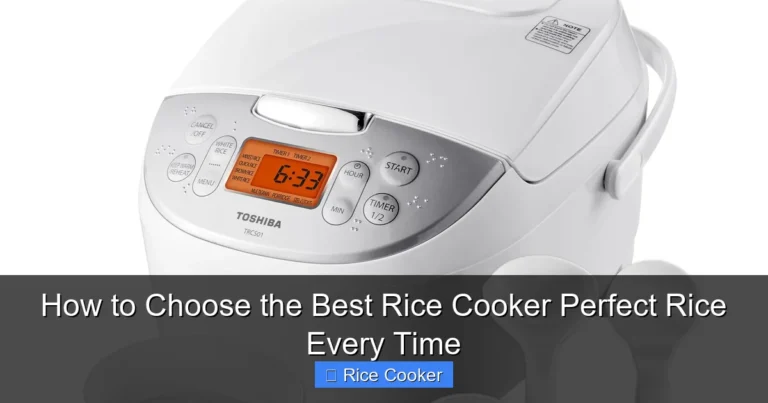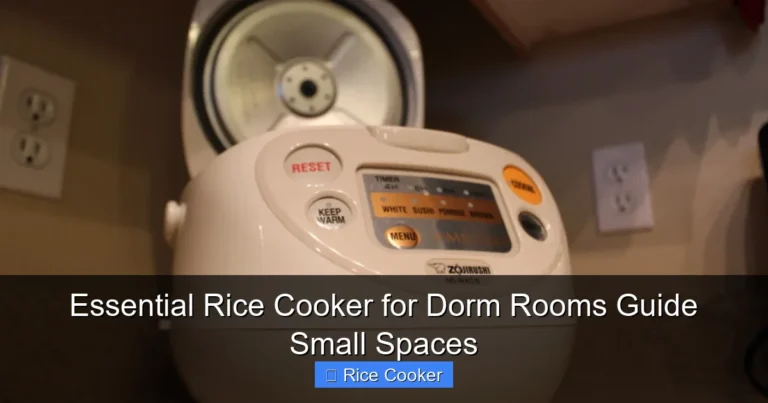
Top PFAS Free Rice Cooker Options for Healthy Kitchens

PFAS chemicals in traditional rice cookers can leach into your food and harm your health. This guide helps you find safe, non-toxic alternatives made from stainless steel, ceramic, or cast iron. You’ll learn how to identify truly PFAS-free models, understand what to look for on labels, and get practical tips for maintaining your healthy kitchen investment.
Key Takeaways
- PFAS are “forever chemicals”> that can accumulate in your body and cause health problems over time.
- Stainless steel, ceramic, and cast iron rice cookers are naturally PFAS-free materials.
- Always look for “PFOA-free” and “PFAS-free” labels, plus third-party safety certifications.
- Proper maintenance extends the life of your non-toxic rice cooker and keeps it safe.
- Different rice types require different water ratios, even in PFAS-free models.
- Higher price doesn’t always mean safer—read the fine print on non-stick coatings.
Why PFAS-Free Rice Cookers Matter for Your Health
You trust your rice cooker to prepare daily meals for your family. But many traditional models contain PFAS chemicals in their non-stick coatings. These “forever chemicals” don’t break down in the environment or your body. Studies link PFAS exposure to cancer, hormone disruption, and immune system problems.
This guide shows you how to find safe, healthy alternatives. You’ll learn which materials to choose, what labels to trust, and how to use your PFAS-free rice cooker properly. Let’s create a healthier kitchen together.
Understanding PFAS and Their Hidden Dangers
What Are PFAS Chemicals?
PFAS stands for per- and polyfluoroalkyl substances. Manufacturers use them to create non-stick, waterproof, and stain-resistant surfaces. You’ll find PFAS in Teflon coatings, food packaging, and yes—most traditional rice cooker inner pots.

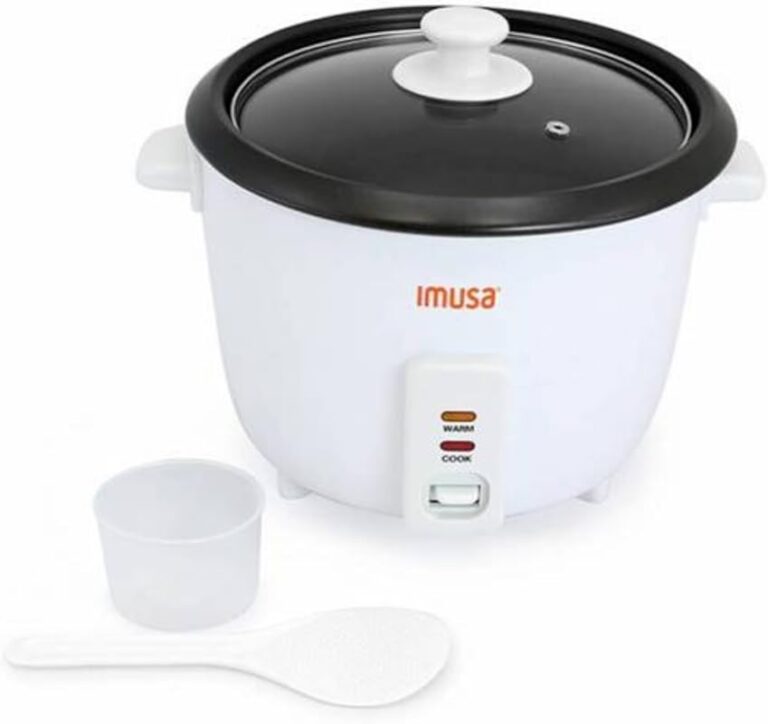
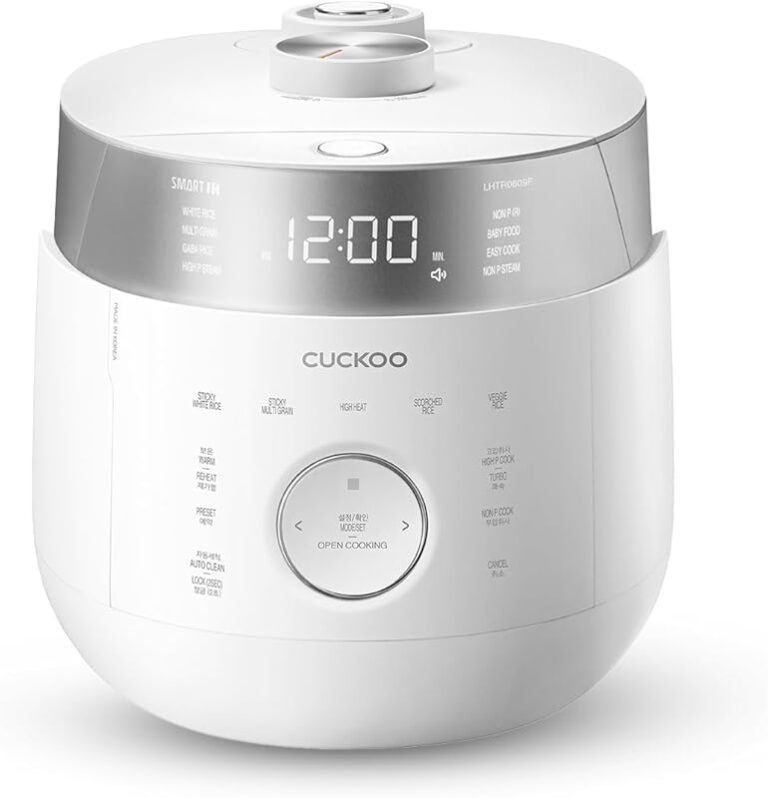
Visual guide about Top PFAS Free Rice Cooker Options for Healthy Kitchens
Image source: m.media-amazon.com
These chemicals earned the nickname “forever chemicals” because they take thousands of years to break down. Every time you cook with a PFAS-coated pot, tiny particles can flake off into your rice. Heat accelerates this process, making rice cookers especially concerning.
Why Are PFAS in Rice Cookers?
Manufacturers love PFAS because they create perfect non-stick surfaces. Rice is notoriously sticky, so a non-stick pot seems essential. The PFAS coating prevents rice from burning and makes cleanup effortless. But this convenience comes at a cost to your health.
The problem worsens with age. As the coating wears down, more PFAS chemicals enter your food. Scrubbing the pot, using metal utensils, or cooking at high temperatures all increase leaching. Even “PFOA-free” labels can be misleading, as many companies simply switched to shorter-chain PFAS chemicals that may be just as harmful.
Health Risks You Should Know
Research shows PFAS exposure can cause serious health issues. These chemicals affect your thyroid, liver, and kidney function. They may reduce vaccine effectiveness in children and increase cholesterol levels. Some studies link PFAS to certain cancers and fertility problems.
The impact is especially concerning for growing children and pregnant women. Since rice is a staple food for many families, daily exposure adds up quickly. Switching to a PFAS-free rice cooker reduces this risk dramatically.
How to Identify Truly PFAS-Free Rice Cookers
Look for These Safety Labels
Not all “non-stick” claims are trustworthy. Always search for explicit “PFAS-free” or “PFOA-free” labels. Better yet, look for third-party certifications like FDA approval for food contact or Prop 65 compliance. These indicate independent testing for safety.

Visual guide about Top PFAS Free Rice Cooker Options for Healthy Kitchens
Image source: thumbs.dreamstime.com
Some companies use clever marketing language. Terms like “eco-friendly” or “green” don’t guarantee PFAS-free status. Read the product description carefully. The manufacturer should clearly state the coating material—ceramic, stainless steel, or cast iron.
Materials That Are Naturally PFAS-Free
Stainless steel is the gold standard for PFAS-free cooking. It’s durable, heats evenly, and won’t leach chemicals. Look for food-grade 304 stainless steel in quality rice cookers. This material may require slight adjustments to prevent sticking, but it’s completely safe.
Ceramic coatings are another excellent option. These are made from sand and baked at high temperatures. True ceramic coatings contain no PFAS, but some “ceramic-infused” products still use PFAS-based primers. Verify the manufacturer’s claims before buying.
Cast iron rice cookers are traditional in many cultures. They’re naturally non-stick when seasoned properly and add beneficial iron to your food. These are heavy but incredibly durable and PFAS-free by nature.
Red Flags to Avoid
Be wary of vague marketing. If a product says “non-toxic” without specifying the coating material, it’s probably hiding something. Teflon and other PTFE-based coatings almost always contain PFAS.
Check the fine print. Some manufacturers claim their products are “PFOA-free” but still use other PFAS chemicals. The only way to be sure is choosing bare stainless steel, ceramic, or cast iron without any chemical coatings.
Top PFAS-Free Rice Cooker Options for Every Kitchen
Stainless Steel Rice Cookers
The Zojirushi NS-ZLH is a popular stainless steel option. It uses a combination of stainless steel layers for even heating. This model features multiple menu settings and keeps rice warm for hours without drying it out.

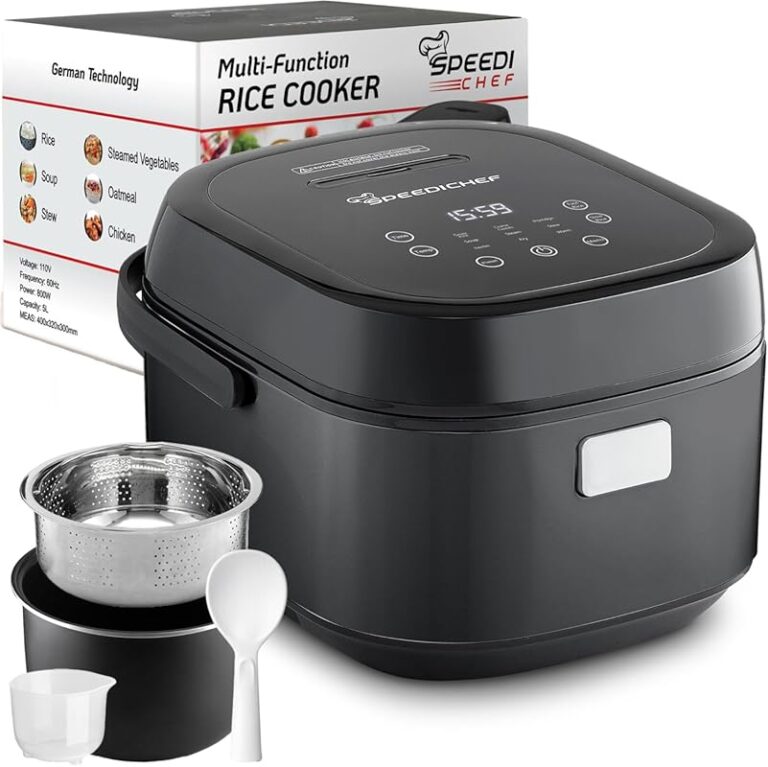
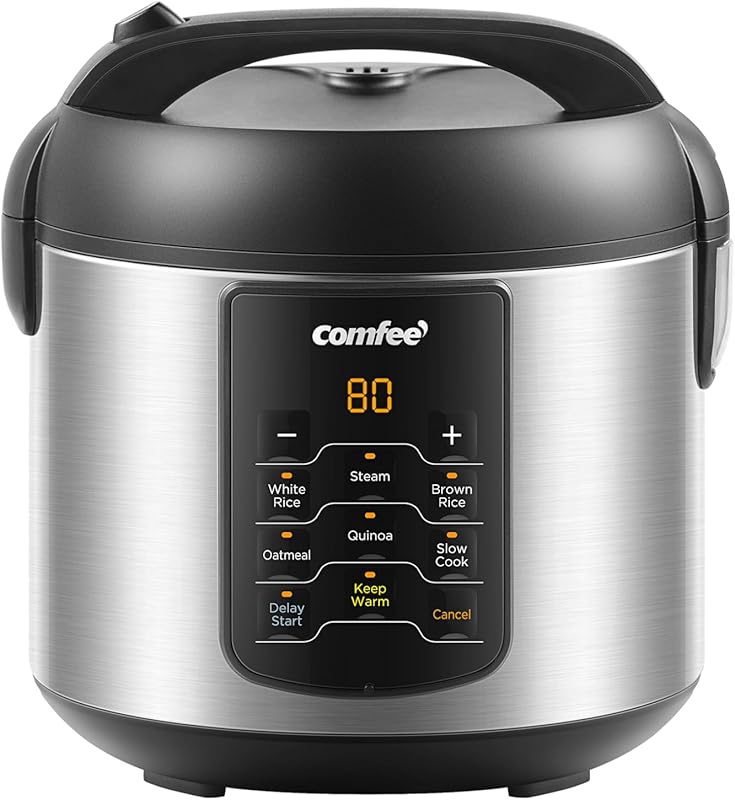
Visual guide about Top PFAS Free Rice Cooker Options for Healthy Kitchens
Image source: media.kohlsimg.com
For a budget-friendly choice, the Aroma Housewares ARC-757SGF uses stainless steel with a removable lid. It’s simple to operate and perfect for beginners. The stainless steel inner pot is dishwasher safe and will last for years.
Stainless steel cookers may require slightly more water than non-stick models. Start with a 1:1.5 rice-to-water ratio and adjust based on your preferred texture. Using a fine-mesh strainer to rinse rice before cooking also helps prevent sticking.
Ceramic Rice Cookers
The Instant Pot Aura Pro offers a ceramic-coated inner pot that’s completely PFAS-free. It’s a multi-cooker that handles rice, beans, yogurt, and more. The ceramic surface is easy to clean and naturally non-stick when used correctly.
Cuisinart’s CPC-600 features a ceramic coating that’s free of PFOA and PFOS. This electric pressure cooker doubles as a rice cooker and includes a steaming basket. The ceramic pot is scratch-resistant and heats quickly.
To maintain ceramic coatings, avoid metal utensils and extreme temperature changes. Let the pot cool before washing. Never use abrasive cleaners that can damage the surface over time.
Cast Iron Rice Cookers
Traditionalists love the Lodge L8DD3. This cast iron dutch oven works as a stovetop rice cooker. It’s pre-seasoned and ready to use. The heavy lid locks in moisture perfectly for fluffy rice every time.
For an electric option, the Tiger Corporation JAX-P10U uses an enameled cast iron inner pot. The enamel coating is PFAS-free and provides the benefits of cast iron without seasoning maintenance. It’s ideal for those who want traditional cooking with modern convenience.
Cast iron requires proper seasoning to maintain its non-stick properties. After washing, always dry thoroughly and apply a thin layer of oil. This prevents rust and keeps your rice from sticking.
Step-by-Step Guide to Using Your PFAS-Free Rice Cooker
Preparing Your Cooker for First Use
Before cooking, wash your new rice cooker pot with warm, soapy water. Rinse thoroughly and dry completely. For stainless steel models, this removes any manufacturing residues. For cast iron, season according to the manufacturer’s instructions.
Check all accessories. Make sure the steam vent is clear and the lid seals properly. Test the unit by filling it with water and running a short cycle. This ensures everything works correctly before adding food.
Mastering Rice-to-Water Ratios
PFAS-free cookers often need different water amounts than traditional models. Stainless steel and ceramic conduct heat differently than Teflon. Start with these basic ratios:
- White rice: 1 cup rice to 1.5 cups water
- Brown rice: 1 cup rice to 2 cups water
- Basmati rice: 1 cup rice to 1.75 cups water
- Jasmine rice: 1 cup rice to 1.5 cups water
Rinse rice in a fine-mesh strainer under cold water until the water runs clear. This removes excess starch and prevents gummy rice. For best results, soak brown rice for 30 minutes before cooking.
Different rice types behave uniquely. Our guide to rice varieties helps you understand which type works best for each dish. Adjust water slightly based on your altitude and humidity.
Choosing the Right Cooking Cycle
Most PFAS-free rice cookers offer multiple settings. Use the “white rice” cycle for standard varieties. For brown rice, wild rice, or mixed grains, select the appropriate setting if available. The “porridge” setting works well for congee or rice pudding.
Don’t open the lid during cooking. Each peek releases steam and extends cooking time. Trust the automatic timer. The cooker switches to warm mode when done, keeping rice at the perfect temperature for up to 12 hours in most models.
For perfect rice every time, let it rest for 10-15 minutes after cooking. This allows moisture to distribute evenly. Then fluff with a fork or rice paddle before serving.
Fluffing, Serving, and Keeping Warm
Use a wooden or silicone rice paddle to fluff and serve. Metal utensils can scratch ceramic and stainless steel surfaces over time. Scrape gently along the bottom to release any stuck grains.
The warm setting is convenient but not necessary for food safety. If you won’t eat the rice within two hours, transfer it to a food storage container. Leaving rice on warm for extended periods can cause texture changes and potential bacterial growth.
Maintenance and Care for Long-Lasting Safety
Daily Cleaning After Use
Let the inner pot cool before washing. Warm water and soap remove most rice residue easily. For stainless steel, a non-abrasive sponge works best. For ceramic, use a soft cloth to preserve the coating.
Never use steel wool or harsh scrubbers on any PFAS-free surface. These can create scratches where food particles hide and bacteria grow. If rice sticks stubbornly, soak the pot in warm water for 30 minutes before washing.
Dry all parts completely before reassembling. Moisture trapped in the lid or between layers can cause mold or rust, especially in stainless steel models with multiple layers.
Deep Cleaning and Deodorizing
Over time, rice oils and starches can build up. Once a month, deep clean your cooker. Fill the pot with water and add 1-2 tablespoons of white vinegar or baking soda. Run a complete cooking cycle, then discard the water.
For stubborn odors, cut a lemon in half and rub the inside of the pot. Let it sit for 10 minutes, then wash normally. The citric acid neutralizes odors without chemicals.
Clean the lid and steam vent regularly. Food particles can accumulate in these areas and affect performance. Most lids are removable for thorough cleaning. Check your manual for disassembly instructions.
Storage Tips to Preserve Your Investment
Store your rice cooker with the lid slightly ajar. This prevents moisture buildup and musty odors. Keep it in a dry cabinet away from heat sources.
If you won’t use the cooker for months, place a silica gel packet inside to absorb moisture. For cast iron models, apply a light coat of oil before storing to prevent rust.
Keep the power cord loosely coiled. Tight wrapping can damage internal wires over time. Store accessories like measuring cups and rice paddles inside the pot to keep everything together.
Troubleshooting Common Issues
Rice Sticking or Burning
If rice sticks to the bottom, you likely need more water. Increase the ratio by 1/4 cup for your next batch. Also ensure you’re rinsing rice thoroughly to remove excess starch.
Check the inner pot for scratches. Even PFAS-free surfaces can develop micro-scratches that cause sticking. Use wooden utensils to minimize damage. For cast iron, re-season the pot if sticking persists.
Make sure the heating element is clean. Food debris underneath the pot can cause uneven heating and burning. Wipe the base unit with a damp cloth when cool.
Rice Cooker Not Turning On
First, check the power cord connection. Ensure it’s fully plugged into both the cooker and outlet. Try a different outlet to rule out electrical issues.
Inspect the thermal fuse. If the cooker overheated, this safety device may have tripped. Let it cool completely, then try again. If it still doesn’t work, contact the manufacturer for replacement.
Some models have a reset button. Press it gently with a paperclip. This can resolve minor electrical glitches. Always unplug the unit before pressing reset buttons.
Unusual Smells or Smoke
New cookers sometimes have a manufacturing smell. Run an empty cycle with a small amount of water to burn off residues. This is normal and should disappear after one or two uses.
If you smell burning plastic during normal operation, stop using the cooker immediately. This could indicate a wiring problem. Unplug and contact customer service.
Smoke means there’s food debris on the heating element. Unplug the cooker and let it cool completely. Then carefully clean any visible food particles with a soft brush.
Making the Switch to a Healthier Kitchen
Why This Change Matters
Choosing a PFAS-free rice cooker is one of the simplest ways to reduce your family’s chemical exposure. You’ll avoid the “forever chemicals” that contaminate water supplies and food chains worldwide.
These cookers are often more durable than traditional models. Stainless steel and cast iron can last decades with proper care. You’ll save money in the long run by avoiding replacements.
Many PFAS-free models offer better cooking performance. They distribute heat more evenly, resulting in perfectly fluffy rice. You might even notice improved flavor in your grains.
Getting Started Today
Begin by assessing your current rice cooker. Check the inner pot for scratches, peeling, or chemical coatings. If you see any damage, replace it immediately.
Research brands that prioritize safety. Look for transparent labeling and third-party certifications. Read customer reviews focusing on long-term performance and safety concerns.
Start with a simple stainless steel model if you’re new to PFAS-free cooking. These require minimal adjustment from traditional rice cookers. As you gain confidence, explore ceramic or cast iron options.
Try new recipes to make the most of your healthy cooker. Our easy rice and beans recipe is perfect for testing your new appliance. You’ll create nutritious meals without chemical worries.
Final Thoughts on PFAS-Free Cooking
Your health is worth the small extra effort to find a truly PFAS-free rice cooker. The peace of mind knowing your family’s meals are chemical-free is invaluable. Modern PFAS-free options offer the same convenience as traditional models without the hidden dangers.
Remember that proper maintenance keeps your cooker safe and effective. Follow the care instructions, use appropriate utensils, and clean regularly. Your PFAS-free rice cooker will serve you well for years to come.
Take control of your kitchen’s safety today. Choose a PFAS-free rice cooker and enjoy delicious, healthy rice without compromise. Your family’s future self will thank you.
🎥 Related Video: The Best Rice Cookers
📺 America’s Test Kitchen
With so many options on the market, which one is best? We cooked 50 batches of rice to find out. Equipment expert Adam Ried …