How to Clean Burnt Rice Cooker Bottom Without Scrubbing

Discover four simple methods to clean burnt rice cooker bottom without harsh scrubbing. This guide covers baking soda, vinegar, lemon, and dishwasher tablet solutions that dissolve stubborn burnt rice. Save time and effort while extending your rice cooker’s life with these proven techniques.
Key Takeaways
- Act fast: The sooner you address burnt rice, the easier it comes off without scrubbing
- Baking soda is your best friend: Creates a gentle abrasive paste that lifts burnt residue without scratching
- Never use steel wool: Harsh abrasives damage the non-stick coating permanently
- Prevention beats cleaning: Learn proper rice-to-water ratios to avoid future burns
- Safety first: Always unplug and cool your rice cooker completely before cleaning
- Multiple methods work: Choose vinegar, lemon, or dishwasher tablets based on what you have at home
How to Clean Burnt Rice Cooker Bottom Without Scrubbing
We’ve all been there. You get distracted while cooking rice, and suddenly you’re facing the dreaded burnt rice cooker bottom. That crusty, blackened layer seems impossible to remove without hours of elbow grease. But here’s the good news: you don’t need to scrub until your arms ache. In this guide, you’ll learn four proven methods to clean burnt rice cooker bottom using simple household ingredients. These techniques soften and dissolve burnt residue, making it slide right off with minimal effort.
Whether you have a non-stick, stainless steel, or ceramic rice cooker, these methods work safely on all surfaces. You’ll save your appliance from damage and extend its lifespan. Plus, we’ll share prevention tips so you can avoid this problem in the future. Let’s get started with why rice burns in the first place.
Why Does Rice Burn in the First Place?
Before we dive into cleaning, let’s understand the enemy. Rice burns when it cooks with too little water or at too high a temperature. The grains stick to the bottom and scorch. This happens most often when you use the wrong rice-to-water ratio or forget to set a timer. Brown rice and wild rice varieties are especially prone to burning because they require more water and longer cooking times.
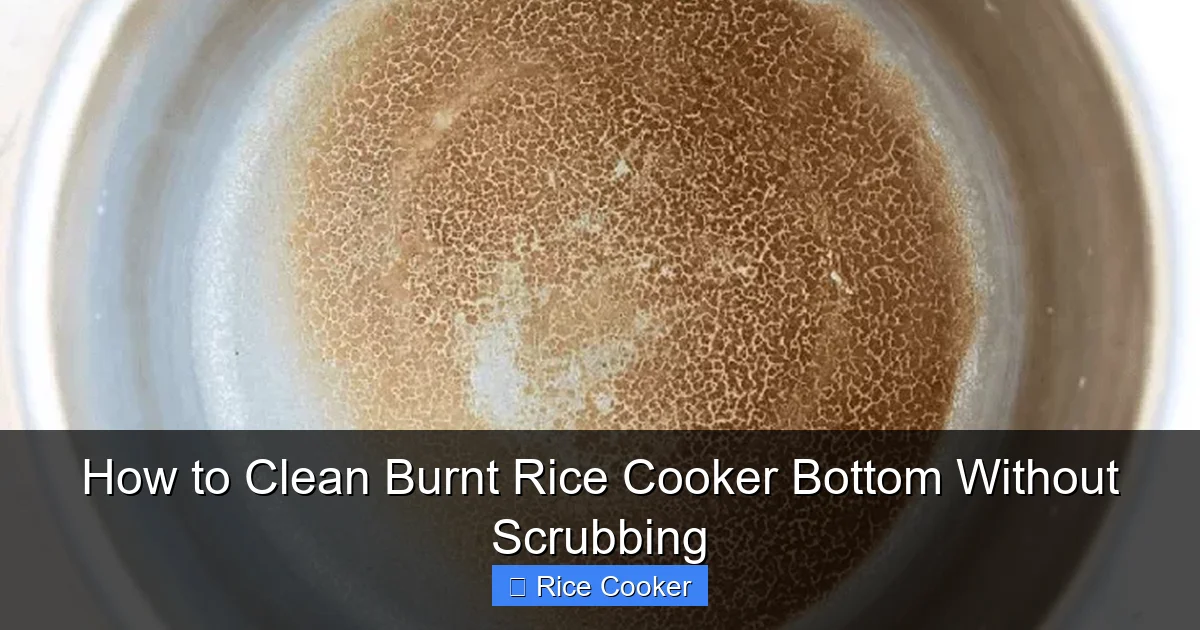
Visual guide about How to Clean Burnt Rice Cooker Bottom Without Scrubbing
Image source: easyhometips.org
Understanding this helps you prevent future burns. For perfect rice every time, check out our guide on how to cook rice perfectly every time. It covers measurements, timing, and tricks that keep rice from sticking or burning.
Safety First: Before You Start Cleaning
Never attempt to clean a hot rice cooker. Serious burns can happen in seconds. Always unplug the appliance and let it cool completely. This means waiting at least 30-60 minutes after cooking stops. The inner pot will be extremely hot, and the heating plate stays warm even after unplugging.
Visual guide about How to Clean Burnt Rice Cooker Bottom Without Scrubbing
Image source: easyhometips.org
Remove the inner pot from the rice cooker base. This makes cleaning easier and prevents water from getting into the electrical components. Take off any detachable parts like the steam vent and lid. Check your manufacturer’s instructions for specific cleaning guidance. Some pots are dishwasher safe, but burnt-on rice needs special treatment first.
Method 1: The Boiling Water & Baking Soda Power Clean
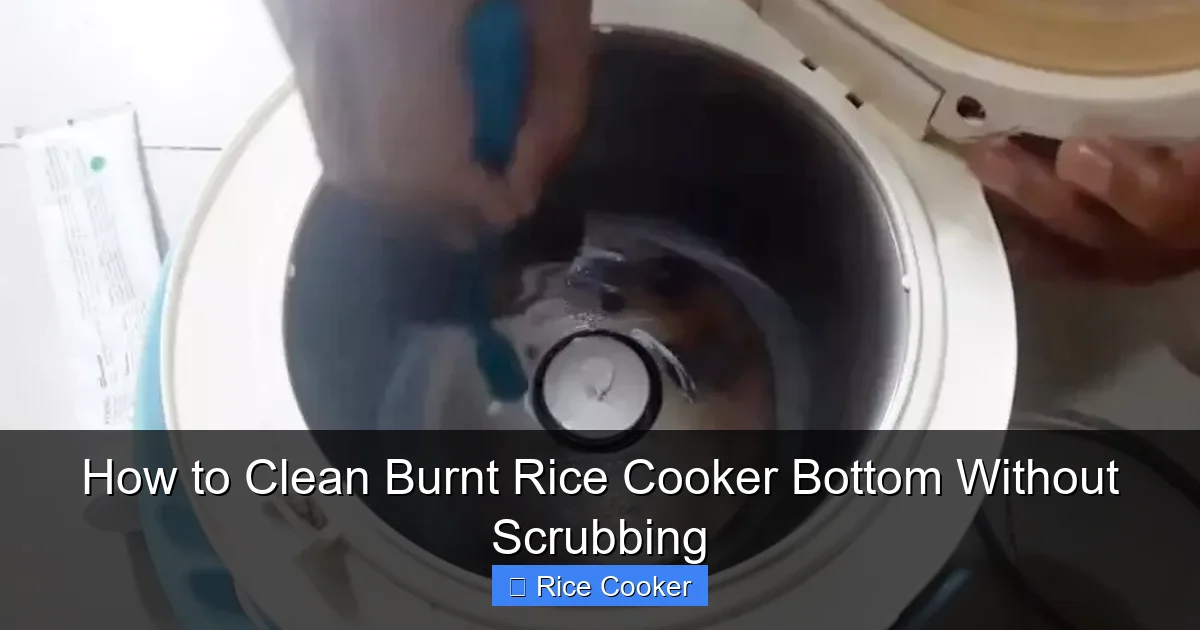
This is the most effective method for cleaning burnt rice cooker bottom. Baking soda creates a gentle chemical reaction that softens carbonized rice without harsh scrubbing.
Visual guide about How to Clean Burnt Rice Cooker Bottom Without Scrubbing
Image source: cdn-brilio-net.akamaized.net
What You’ll Need:
- 1 cup white vinegar or water
- 1/2 cup baking soda
- Soft sponge or dishcloth
- Plastic or wooden utensil (no metal)
Step-by-Step Instructions:
Step 1: Create the Cleaning Solution
Fill the burnt rice cooker pot with enough water to cover the burnt areas. Add 1/2 cup of baking soda and stir gently. If you have white vinegar, replace half the water with it for extra cleaning power. The mixture will fizz slightly—that’s normal.
Step 2: Bring to a Gentle Boil
Place the pot back into the rice cooker (if it’s removable) or on your stovetop. Heat the solution on medium-low for 10-15 minutes. Let it bubble gently without boiling over. This simmering action breaks down the burnt rice bonds.
Step 3: Let It Soak
Turn off the heat and let the solution soak for at least 30 minutes. For really tough burns, let it sit overnight. The hot baking soda solution will lift the burnt layer without scrubbing.
Step 4: Wipe Away the Residue
After soaking, pour out the solution carefully. Use a soft sponge or dishcloth to wipe away the loosened burnt rice. It should come off easily in sheets or chunks. For any remaining bits, use a plastic scraper or wooden spoon to gently lift them.
Step 5: Rinse and Dry
Rinse the pot thoroughly with warm water. Dry it completely before using again. This prevents water spots and ensures proper heating next time.
Method 2: The Vinegar Solution Soak
Vinegar’s acidity cuts through burnt-on rice and neutralizes odors. This method works great for light to moderate burning.
What You’ll Need:
- Equal parts white vinegar and water
- Large container or sink
- Soft brush (optional)
Step-by-Step Instructions:
Step 1: Mix the Vinegar Solution
Combine equal parts white vinegar and warm water in a bowl or directly in your sink. You need enough liquid to fully submerge the burnt area of the pot.
Step 2: Submerge the Pot
Place the inner pot into the vinegar solution. Make sure the burnt bottom is completely covered. Let it soak for 2-4 hours. The vinegar will penetrate and soften the burnt rice.
Step 3: Check and Wipe
After soaking, check if the burnt rice has loosened. It should wipe away easily with a soft cloth. For stubborn spots, let them soak longer. Never use steel wool or abrasive pads—they ruin non-stick coatings.
Step 4: Final Rinse
Rinse thoroughly to remove any vinegar taste. Dry completely before storing or using.
Method 3: The Lemon & Salt Natural Cleaner
Lemons provide natural acidity while salt acts as a gentle abrasive. This eco-friendly method smells fresh and works well on moderate burns.
What You’ll Need:
- 2-3 lemons (fresh or bottled juice)
- 2 tablespoons salt
- Water
- Soft sponge
Step-by-Step Instructions:
Step 1: Create Lemon Paste
Cut a lemon in half and sprinkle salt directly onto the cut surface. Rub the lemon over the burnt areas, squeezing slightly to release juice. Cover the entire burnt bottom with lemon juice and salt.
Step 2: Let It Rest
Allow the lemon-salt mixture to sit for 15-20 minutes. The citric acid breaks down burnt residue while the salt provides gentle abrasion.
Step 3: Add Water and Heat
Add a cup of water to the pot and heat on low for 5-10 minutes. This creates steam that helps lift the burnt layer.
Step 4: Wipe Clean
Let the pot cool slightly, then wipe with a soft sponge. The burnt rice should come off easily. Rinse well and dry.
Method 4: The Dishwasher Tablet Miracle
Dishwasher tablets contain powerful cleaning agents that dissolve burnt food. This hands-off method works while you sleep.
What You’ll Need:
- 1-2 dishwasher tablets (powder or gel)
- Hot water
- Large container
Step-by-Step Instructions:
Step 1: Prep the Pot
Rinse out any loose rice debris. Place the inner pot in a large container or sink where it can lie flat.
Step 2: Add Tablet and Water
Place one dishwasher tablet in the pot. Pour hot water over it, enough to cover the burnt bottom. The tablet will start dissolving immediately.
Step 3: Overnight Soak
Let the pot soak overnight or for at least 8 hours. The cleaning agents work slowly to break down burnt rice without any scrubbing.
Step 4: Empty and Wipe
Pour out the solution and wipe the pot with a soft cloth. The burnt residue should come away easily. Rinse thoroughly to remove any chemical residue.
Prevention Tips: Stop Burnt Rice Before It Starts
The best way to clean burnt rice cooker bottom is to never let it happen. These prevention strategies save you cleaning time and frustration.
Measure Accurately
Use the correct rice-to-water ratio. Generally, 1 cup rice needs 1.5-2 cups water, depending on the type. Brown rice needs more water than white rice. Use a measuring cup, not eyeballing.
Set a Timer
Never rely on the rice cooker’s automatic timer alone. Set your own kitchen timer for 5 minutes after the cooker switches to warm. This reminds you to fluff and check the rice.
Use the Right Settings
For brown rice or mixed grains, use the “brown rice” setting if your cooker has one. These settings use lower heat for longer times, preventing burning.
Keep the Lid Closed
Every time you lift the lid, you release steam and lower the temperature. This extends cooking time and increases burn risk. Wait until the cook cycle finishes.
To avoid burning other foods, read our article on how to prevent food from sticking to pans. Many of the same principles apply to rice cookers.
Troubleshooting: When Nothing Seems to Work
Even with these methods, some burnt rice cooker bottom situations are extra stubborn. Here’s what to do when you’re facing extreme burning.
Severe Carbon Buildup
If you have thick, black carbon deposits, repeat the boiling water and baking soda method. You may need to simmer for 30 minutes and soak overnight. For extreme cases, create a stronger paste using pure baking soda and a little water. Apply it directly to the burnt areas and let it sit for several hours before adding water and heating.
Stuck Between the Pot and Heating Plate
Sometimes rice gets trapped between the removable pot and the cooker’s heating element. Never force the pot out. Let it cool completely, then gently wiggle it while pulling straight up. If it’s stuck, place the entire unit (unplugged) in a warm, humid place for an hour. The moisture helps loosen the bond.
Damaged Non-Stick Coating
If your pot’s non-stick coating is already peeling, be extra gentle. Use only wooden or silicone tools. Consider replacing the pot if the coating is severely damaged. Scrubbing will only make it worse.
Persistent Odors
Burnt rice can leave a smoky smell. To deodorize, boil a mixture of water and lemon peels for 10 minutes. Or place a bowl of baking soda inside the empty cooker and close the lid overnight. Baking soda absorbs odors naturally.
For more kitchen problem-solving, check out our guide on how to cook without burning food. It covers temperature control and timing techniques that prevent burning across all cooking methods.
Final Thoughts: Your Rice Cooker Will Thank You
Cleaning burnt rice cooker bottom doesn’t have to be a nightmare. With these four no-scrub methods, you can restore your appliance quickly and easily. The key is patience—let the cleaning solutions do the hard work for you. Never rush the process with harsh tools that damage your cooker.
Remember that prevention is always better than cleaning. Measure your rice correctly, set timers, and use the right settings. A little attention goes a long way in keeping your rice perfectly cooked and your cooker spotless.
Try these methods today and enjoy your rice cooker for years to come. Share your success stories in the comments below, and let us know which method worked best for you!
🎥 Related Video: Clean burnt rice off the bottom of a Pan #cleaningburntpan #kitchenhacks #dailylifehackswith_neha
📺 Neha Sharma
cleaninghacks #dailylife #dailylifehacks #kitchentips #kitchen.