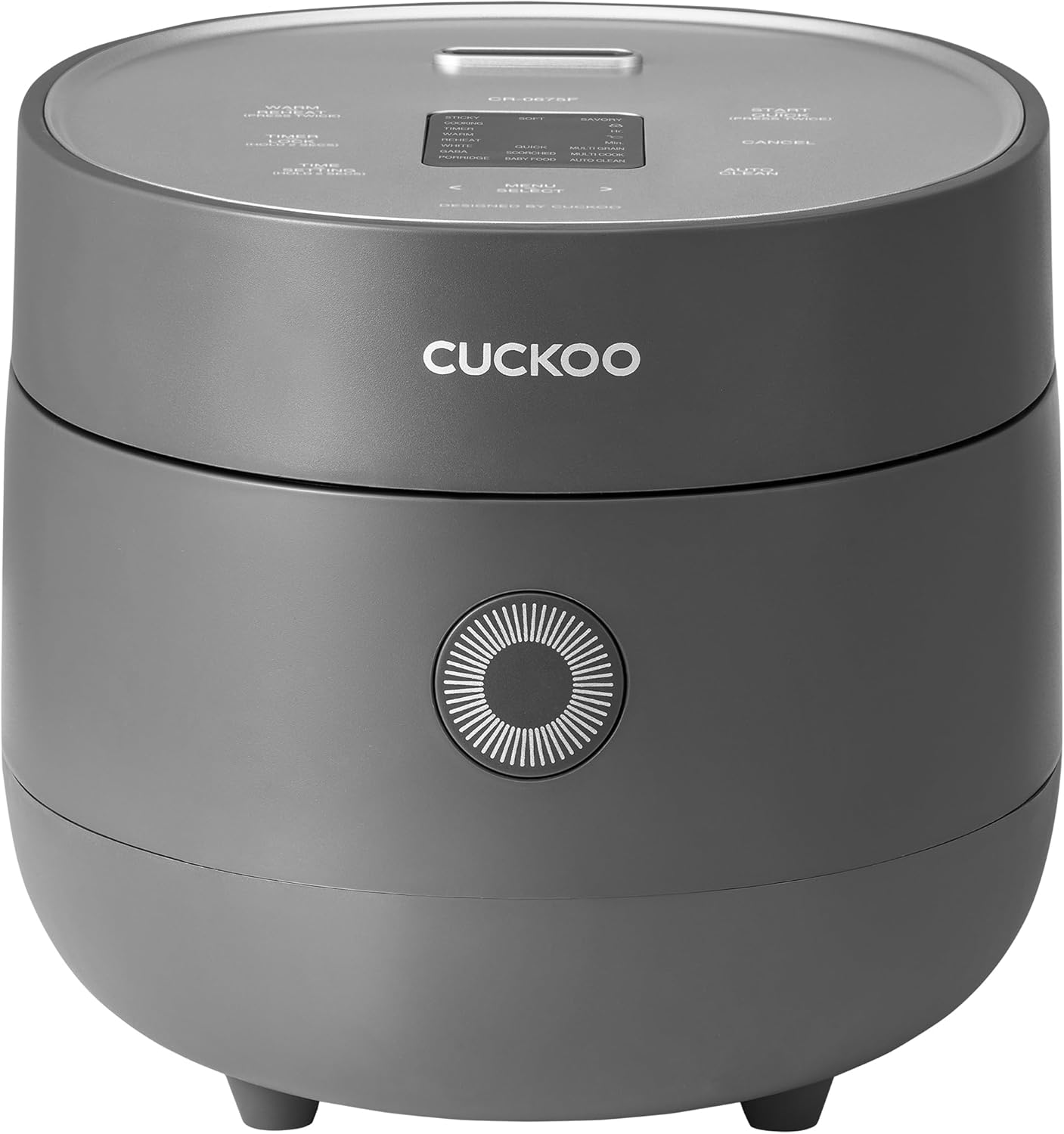
History of Rice Cookers Timeline From Invention to Today

This guide walks you through the entire history of rice cookers timeline, from the first electric prototype in 1920s Japan to today’s Wi-Fi-enabled smart cookers. You’ll discover key innovations like automatic shut-off, fuzzy logic, and induction heating that transformed rice cooking from an art to a science. Understanding this evolution helps you appreciate modern kitchen technology and make smarter buying decisions.
Key Takeaways
- Early Beginnings: The first electric rice cooker appeared in Japan in 1920, but World War II delayed mass production until the 1950s.
- Automatic Breakthrough: The 1950s introduced automatic shut-off technology using thermal sensors, making rice cookers truly “set-and-forget.”
- Fuzzy Logic Revolution: In the 1980s, Japanese companies introduced microprocessors that adjusted cooking time and temperature for perfect rice every time.
- Multi-Cooker Era: Modern rice cookers now handle sushi, brown rice, porridge, steaming, and even baking functions.
- Smart Technology: Today’s models feature Wi-Fi connectivity, app control, and voice commands through smart home systems.
- Global Impact: Rice cookers spread from Japanese households to worldwide kitchens, adapting to regional rice varieties and cooking styles.
Introduction: Why Understanding Rice Cooker History Matters
The history of rice cookers timeline is more than just dates and inventors. It’s the story of how a simple kitchen device revolutionized home cooking worldwide. By tracing this evolution, you’ll understand what features matter most when buying a rice cooker today. You’ll also appreciate how engineers solved age-old problems like burnt rice, inconsistent texture, and wasted energy.
This complete guide breaks down each major era in rice cooker development. We’ll explore the technological breakthroughs, cultural shifts, and design innovations that shaped the modern appliance you might have in your kitchen right now. Whether you’re a cooking enthusiast, a kitchen gadget collector, or just curious about everyday technology, this timeline reveals how something as simple as cooking rice became a high-tech endeavor.
The 1920s-1940s: Birth of an Idea
The history of rice cookers timeline begins in Japan during the 1920s. This was an era of rapid electrification and household modernization. Families were eager to replace traditional clay pots and wood-fired stoves with electric appliances.

Visual guide about History of Rice Cookers Timeline From Invention to Today
Image source: tastingtable.com
The First Electric Prototype
In 1920, a Japanese company created the first electric rice cooker. It was a simple device: a metal pot with an electric heating element at the bottom. You had to manually monitor the cooking process and turn it off when the rice was done. There was no automatic feature, making it only slightly better than traditional methods.
These early models were expensive and rare. Most households couldn’t afford them. The technology was basic, and the heating element often scorched the rice at the bottom. Despite these flaws, the concept caught the attention of major electronics companies.
World War II and Production Delays
The 1930s and 1940s brought global conflict. World War II halted consumer appliance development. Factories shifted to wartime production. Resources like metal and electricity were rationed. The history of rice cookers timeline shows a clear pause during these decades.
After the war ended in 1945, Japan faced massive reconstruction. Household appliance development remained low priority. It would take nearly a decade before companies revisited the electric rice cooker concept with renewed focus and better technology.
The 1950s: The Modern Rice Cooker Emerges
The post-war economic boom created perfect conditions for rice cooker innovation. Japanese families had more income and access to electricity. Companies like Mitsubishi, Toshiba, and Hitachi competed to create the best design.

Visual guide about History of Rice Cookers Timeline From Invention to Today
Image source: tastingtable.com
Mitsubishi’s Game-Changing Invention
In 1955, Mitsubishi Electric introduced the world’s first mass-produced automatic rice cooker. This wasn’t just an incremental improvement—it was a complete redesign. The key innovation was a thermal sensing device that automatically shut off the heat when the rice absorbed all the water.
The mechanism used a bimetallic strip that bent at a specific temperature. When the water evaporated and the temperature rose above 212°F (100°C), the strip triggered a switch that cut power to the heating element. This simple yet brilliant solution meant you could walk away while your rice cooked perfectly.
Suddenly, rice cookers became “set-and-forget” appliances. Sales exploded across Japan. By the late 1950s, nearly every Japanese household owned at least one rice cooker. The history of rice cookers timeline marks 1955 as the true beginning of the modern era.
Commercial Success and Export
Japanese companies quickly improved the basic design. They added non-stick coatings, removable inner pots, and better insulation. By 1958, rice cookers were exported to the United States and Europe for the first time.
These exports faced challenges. Western kitchens used different voltages and had less familiarity with rice cooking. Early marketing campaigns educated consumers about why automatic rice cooking was superior to stovetop methods. The convenience factor won over busy families.
The 1960s-1970s: Global Expansion and Refinement
During these decades, rice cookers became truly global products. Companies adapted designs for different markets while adding features that users had requested.

Visual guide about History of Rice Cookers Timeline From Invention to Today
Image source: tastingtable.com
Thermal Sensing Technology Improves
The 1960s saw refinements to the thermal sensor. Newer models used more precise thermostats that could detect subtle temperature changes. This reduced the risk of undercooked or overcooked rice.
Manufacturers also introduced keep-warm functions. After cooking finished, the rice cooker would switch to a low-power mode that kept rice at serving temperature for hours. This feature became standard and remains essential in every modern rice cooker.
Design Innovations
Inner pots evolved from aluminum to stainless steel and eventually to non-stick coatings. The non-stick surface made cleanup effortless and prevented rice from sticking and burning at the bottom.
Externally, rice cookers became more stylish. Colors and designs matched modern kitchen decors. Compact models emerged for small apartments, while larger units served restaurants and commercial kitchens. The history of rice cookers timeline shows this period as one of rapid design diversification.
The 1980s-1990s: The Fuzzy Logic Revolution
The most significant leap in rice cooker technology came with digital computing. Japanese engineers applied microprocessors to rice cooking, creating what they called “fuzzy logic” rice cookers.
Introduction of Microprocessors
In 1988, Toshiba released the first fuzzy logic rice cooker. Unlike simple thermal sensors, the microprocessor constantly monitored temperature, humidity, and cooking time. It could make hundreds of adjustments per second to optimize the cooking process.
Fuzzy logic allowed the cooker to handle different types of rice—white, brown, sushi, jasmine—each requiring unique temperature curves and timing. The cooker would detect the rice type automatically or let you select a specific program.
This technology solved problems that plagued earlier models. For example, brown rice needs more water and longer cooking time. The microprocessor adjusted these parameters automatically. The result was perfectly cooked rice regardless of variety.
Multi-Function Features Emerge
Manufacturers added steam baskets, slow cooking settings, and even baking functions. The rice cooker transformed from a single-purpose device into a versatile kitchen tool.
By the 1990s, premium models included delay timers, allowing you to add rice and water in the morning and return home to freshly cooked rice in the evening. This feature became especially popular in busy households where meal times were unpredictable.
The 2000s-2010s: The Digital Age Arrives
Digital technology matured during these decades. Induction heating and improved materials made rice cookers more efficient and precise than ever before.
Induction Heating Technology
Traditional rice cookers heated from the bottom only. Induction heating created magnetic fields that heated the entire inner pot evenly. This eliminated hot spots and produced consistently fluffy rice from top to bottom.
Induction models also responded faster to temperature changes. The microprocessor could adjust heating intensity instantly, creating more precise cooking cycles. These units were more expensive but offered restaurant-quality results at home.
Smart Features and Connectivity
The 2010s introduced Wi-Fi connectivity and smartphone apps. You could start cooking rice from your office or check if you had enough rice for dinner while grocery shopping.
Voice control integration with systems like Amazon Alexa and Google Assistant became available. Simply saying “Hey Google, start the rice cooker” became a reality. These features represented a shift toward fully connected smart kitchens.
For more details on using modern rice cookers effectively, check out our guide on how to cook rice perfectly every time.
The 2020s and Beyond: Future Trends
Today’s rice cookers continue evolving with sustainability, health, and artificial intelligence as driving forces.
IoT Integration and AI Learning
Modern rice cookers can now learn your preferences over time. They track how much water you add, your preferred texture, and even seasonal changes that affect cooking. This AI-powered personalization means your rice cooker gets smarter the more you use it.
Integration with smart home ecosystems allows rice cookers to coordinate with other appliances. For example, your rice cooker might sync with your smart oven to ensure both finish cooking simultaneously for a complete meal.
Sustainable Design
Manufacturers are using recycled materials and creating more energy-efficient models. Some units now feature solar compatibility for off-grid use. The inner pots use ceramic coatings instead of traditional non-stick chemicals, making them more environmentally friendly.
Modular designs allow you to replace individual components rather than discarding the entire unit when one part fails. This extends the appliance’s lifespan and reduces electronic waste.
Practical Tips for Understanding Rice Cooker Evolution
When shopping for a rice cooker today, understanding this history helps you make informed decisions. Here’s what to look for based on technological milestones:
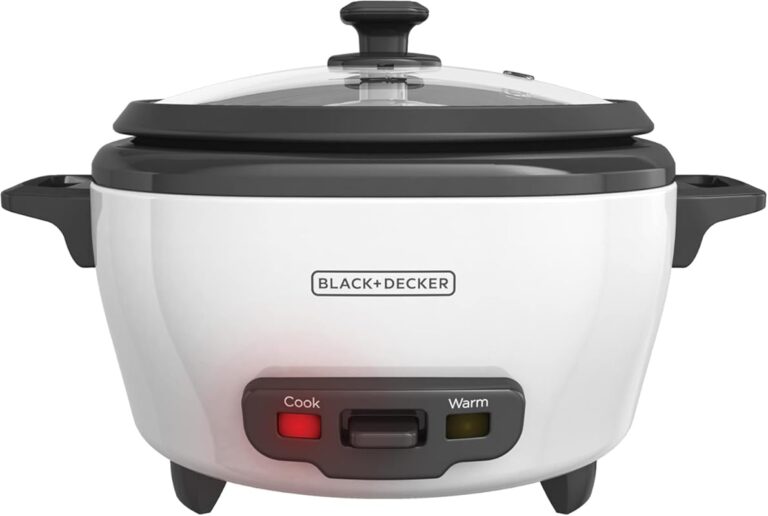
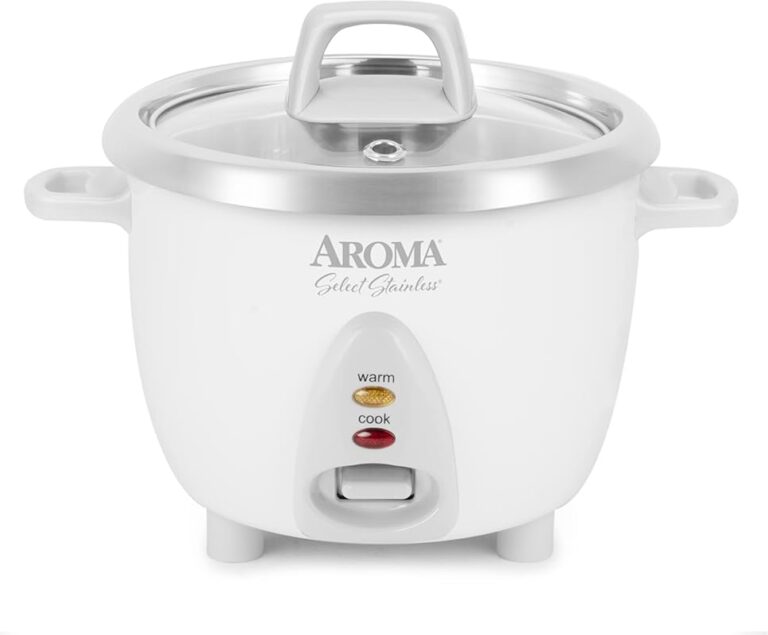
- Basic models (under $50): Use simple thermal sensors. Perfect for white rice but limited for other varieties.
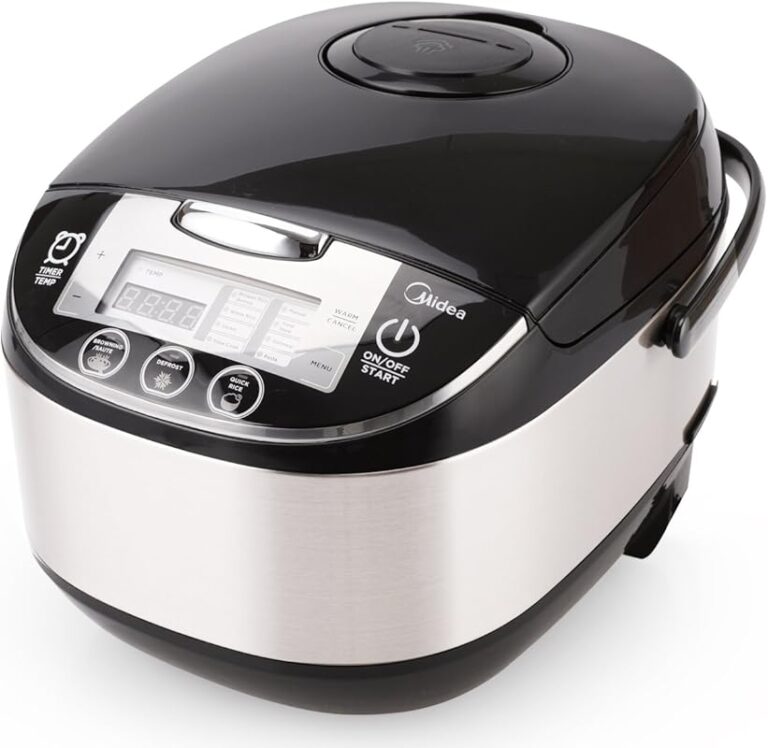
- Mid-range models ($50-$150): Feature fuzzy logic and multiple programs. Can handle brown rice, sushi rice, and porridge.
- Premium models ($150+): Include induction heating, advanced sensors, and smart connectivity. Best for rice enthusiasts.
Consider which features matter most to you. If you only cook white rice occasionally, a basic model serves you well. For frequent use with different rice types, investing in fuzzy logic technology pays off. The history of rice cookers timeline shows that each price tier corresponds to a specific era of innovation.
Common Misconceptions About Rice Cooker History
Let’s address some myths that confuse consumers:
Myth 1: “Rice cookers were invented in China.” While rice cultivation originated in Asia, the electric rice cooker was definitively a Japanese invention from the 1920s. Chinese households traditionally used different cooking methods.
Myth 2: “All rice cookers cook the same way.” The history of rice cookers timeline proves otherwise. From simple thermal sensors to AI-powered microprocessors, cooking technology varies dramatically. Two rice cookers from different eras produce noticeably different results.
Myth 3: “Modern rice cookers are just fancy versions of old ones.” This underestimates the technological leap. Today’s models perform hundreds of micro-adjustments during cooking, something impossible with 1950s technology. They’re essentially computers with heating elements.
Conclusion: From Simple Idea to Kitchen Essential
The history of rice cookers timeline spans over 100 years of continuous innovation. What began as a crude electric pot in 1920s Japan became one of the world’s most popular kitchen appliances. Each decade introduced breakthroughs that made rice cooking easier, more reliable, and more versatile.
Today’s smart rice cookers represent the pinnacle of this evolution, combining ancient cooking wisdom with cutting-edge technology. Whether you own a basic model or a Wi-Fi-enabled powerhouse, you’re participating in a culinary revolution that changed how the world prepares its staple food.
Understanding this history helps you appreciate the engineering behind a simple kitchen task. It also prepares you for future innovations that will make cooking even more seamless. As rice cookers continue evolving, they’ll remain essential tools for anyone who values perfectly cooked rice and convenient home cooking. For more cooking insights, explore our guide on the types of rice and best uses to pair with your cooker.
Cooking at home offers countless health and financial benefits. Learn more about the benefits of home cooked meals and how appliances like rice cookers make the process enjoyable and efficient.