How to Choose the Best Rice Cooker Perfect Rice Every Time

Choosing the best rice cooker transforms your daily meals from frustrating to fantastic. This guide walks you through every decision point, from capacity to advanced features. You’ll learn to pick a model that delivers fluffy, perfect rice while fitting your kitchen and budget.
Key Takeaways
- Capacity matters most: Match your rice cooker size to your household’s actual needs, typically 3-5 cups for families.
- Fuzzy logic technology: This smart feature adjusts cooking time and temperature automatically for different rice types.
- Induction heating wins: Even heat distribution prevents burning and creates consistently perfect results.
- Non-stick inner pot: Essential for easy cleaning and preventing rice from sticking or burning.
- Keep-warm function: A must-have feature that maintains ideal serving temperature without overcooking.
- Steamer baskets add versatility: Cook vegetables, fish, and dumplings while your rice cooks below.
- Brand reputation counts: Established brands offer better durability, warranties, and customer support.
Introduction: Why Your Rice Cooker Choice Matters
You might think a rice cooker is just a simple kitchen appliance. Plug it in, press a button, and wait. But the difference between a great rice cooker and a bad one? It’s the difference between fluffy, separate grains and a sticky, burnt mess.
This guide helps you avoid that disaster. You’ll learn exactly what to look for, what features actually matter, and how to match a rice cooker to your real life. No more guessing. No more wasted money. Just perfect rice, every single time.
Step 1: Determine Your Real Needs
Before you fall in love with fancy features, figure out what you actually need. This saves money and frustration.
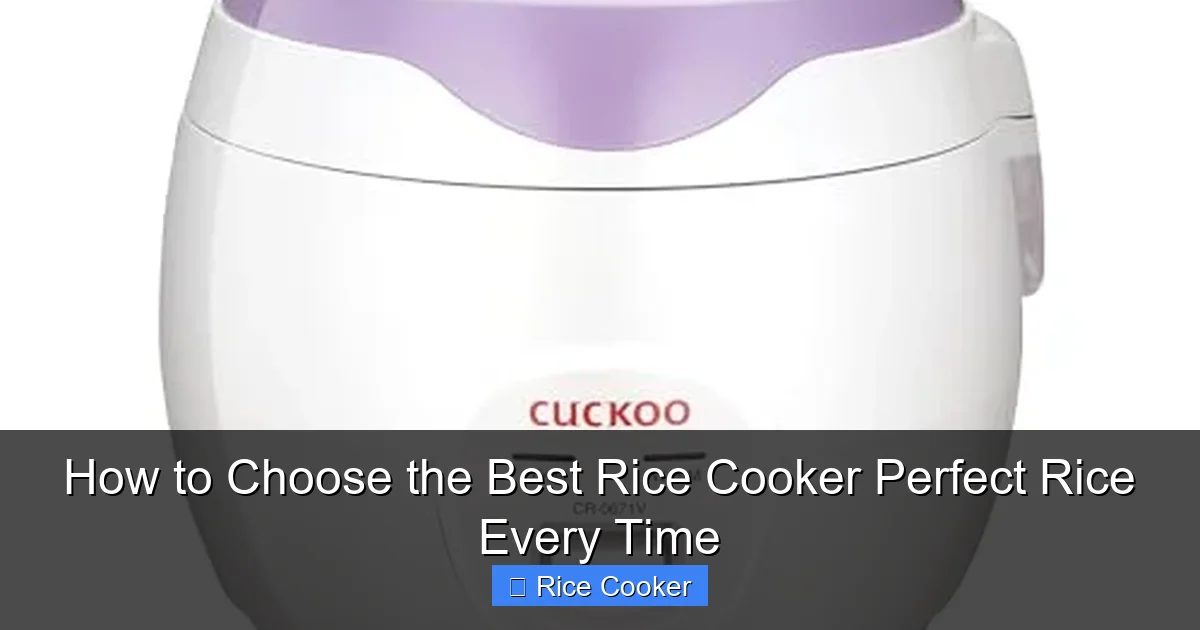
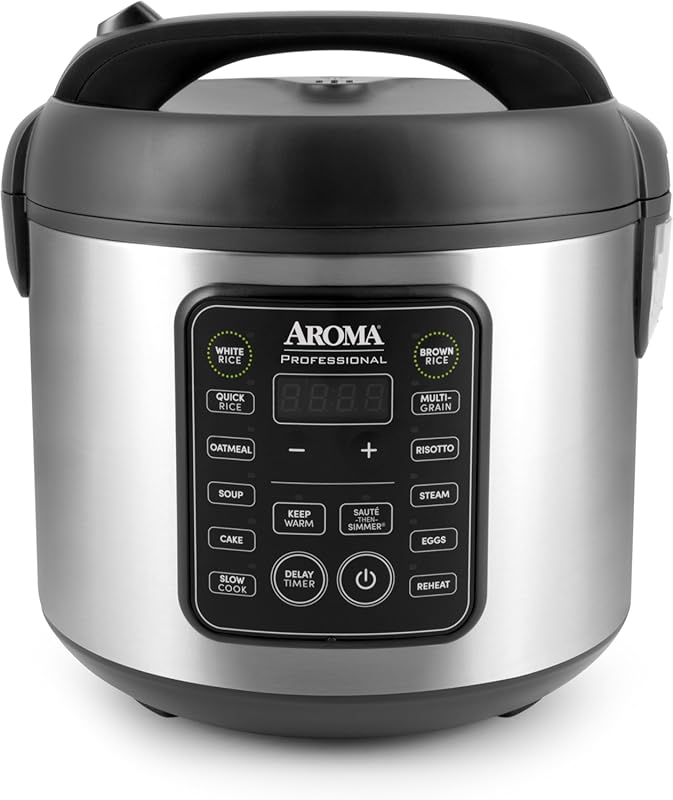
Visual guide about How to Choose the Best Rice Cooker Perfect Rice Every Time
Image source: m.media-amazon.com
Ask the Right Questions
How many people eat rice at your house? A single person needs less capacity than a family of six. How often do you cook rice? Daily users need durability. Occasional cooks can get by with simpler models. What types of rice do you prefer? Different grains need different cooking approaches.
Think About Your Kitchen Space
Measure your counter or storage area. A large rice cooker looks impressive but becomes a paperweight if it never fits in your kitchen. Consider where you’ll store it when not in use. Some models have detachable cords for easier storage.
Consider Your Cooking Style
Are you busy and need set-it-and-forget-it convenience? Or do you love controlling every detail? Your answer determines whether you need basic one-button models or advanced fuzzy logic rice cookers with multiple settings.
Step 2: Understand the Three Main Types
Not all rice cookers are created equal. The technology inside makes a huge difference in your results.
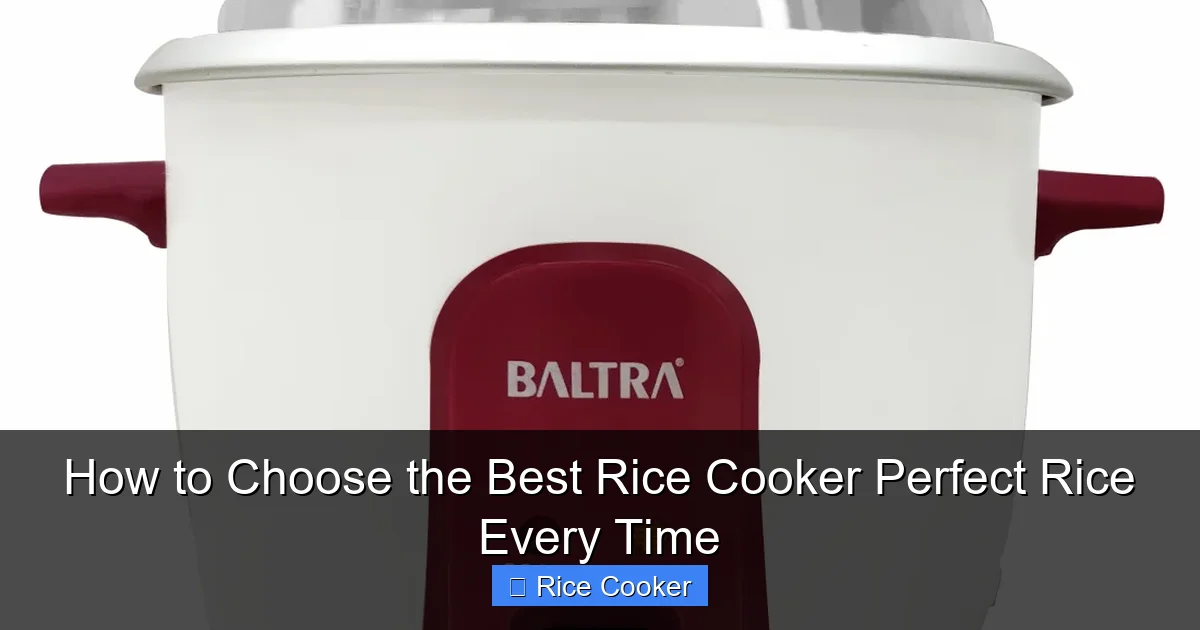
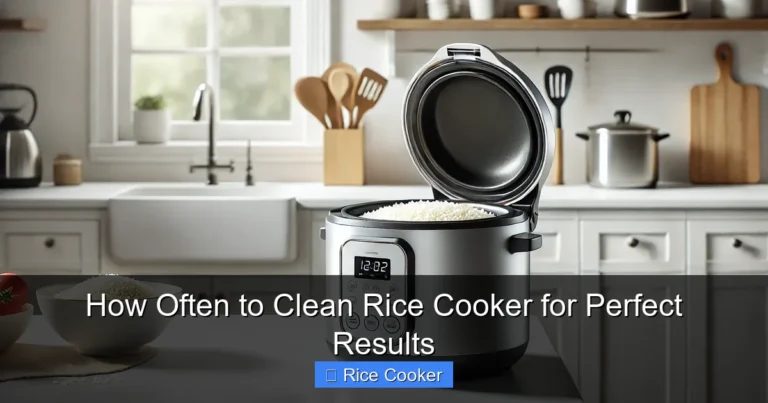
Visual guide about How to Choose the Best Rice Cooker Perfect Rice Every Time
Image source: baltra.in
Basic/Standard Rice Cookers
These use simple thermal mechanics. A heating plate warms the inner pot. When the water absorbs, a thermostat clicks off. It’s basic but effective for white rice. The downside? Limited control. You get one setting: cook. They work fine but can’t adjust for brown rice, sushi rice, or other varieties. Perfect for beginners on a tight budget.
Fuzzy Logic Rice Cookers
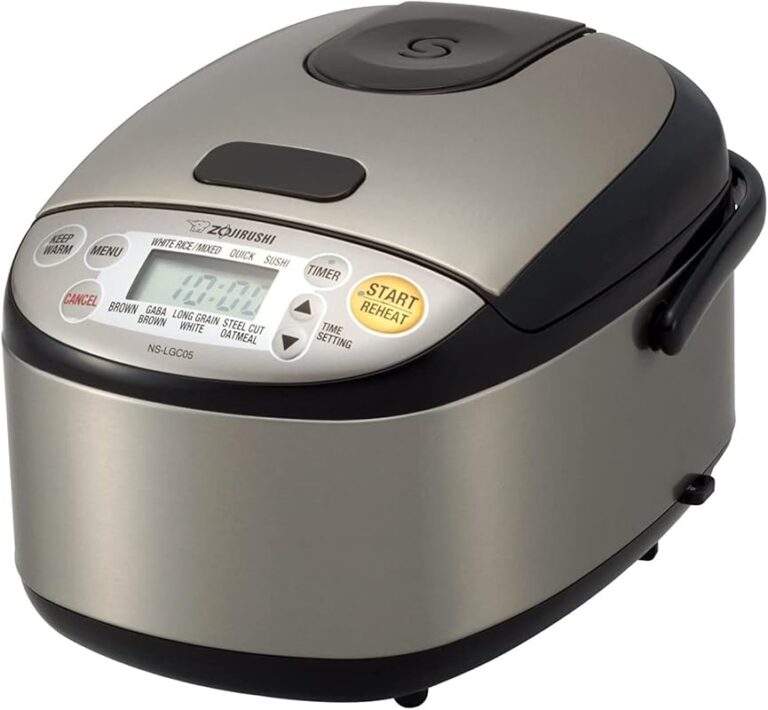
This is where things get smart. Fuzzy logic rice cookers use microprocessors that monitor temperature and time. They adjust automatically based on the rice type and quantity. Start with cold rice? The cooker senses it and extends time. Cooking brown rice? It uses lower heat and longer duration. These models offer multiple settings: white rice, brown rice, sushi, porridge, and more. They’re the sweet spot for most home cooks.
Induction Heating Rice Cookers
The premium choice. Induction heating creates heat directly in the inner pot itself, not just from a bottom plate. This means even, precise temperature control from all sides. The result? Perfectly cooked rice with no burnt bottoms and superior texture. These models often include fuzzy logic too. They cost more but deliver restaurant-quality results. Worth the investment if rice is a staple in your home.
Step 3: Pick the Right Capacity
Choosing capacity is tricky. Too small and you’re cooking multiple batches. Too large and your rice never cooks right.
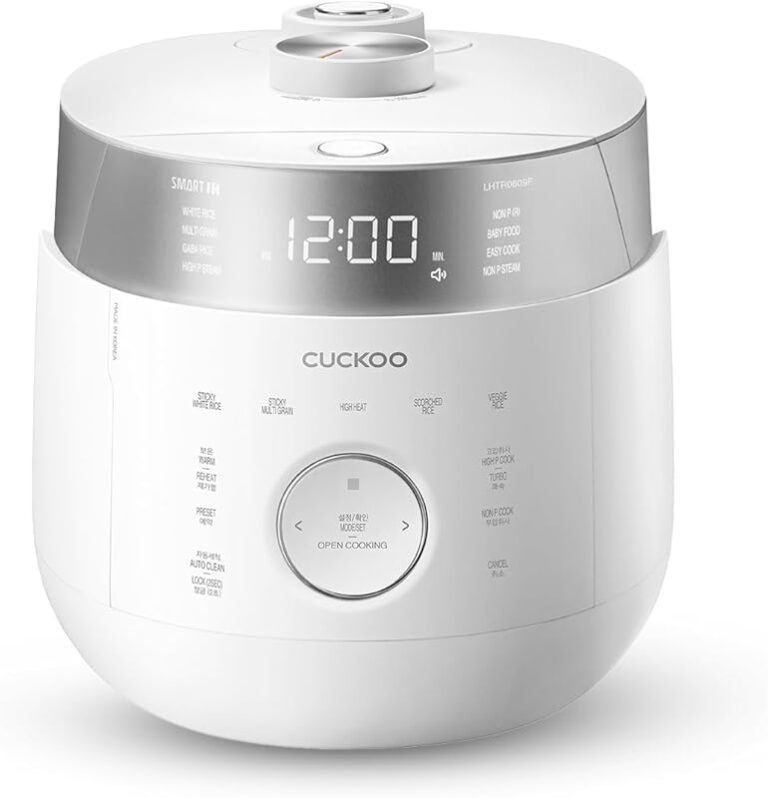
Visual guide about How to Choose the Best Rice Cooker Perfect Rice Every Time
Image source: diyjoy.com
How to Calculate Your Needs
Uncooked rice expands 2-3 times. A 1 cup uncooked serving feeds 2-3 people. For a family of four, a 5-6 cup uncooked capacity rice cooker works best. Single users should consider 3 cup models. Couples might prefer 3-5 cups. Restaurants or large families need 10+ cup commercial models.
Think About Leftovers
Do you love rice leftovers? If yes, size up. A 5 cup cooker gives you 10-15 cups cooked, perfect for next-day fried rice. Love meal prepping? Larger capacity saves time. Hate leftovers? Size down to avoid waste.
Consider the Inner Pot Shape
Round-bottom pots distribute heat better but are harder to store. Flat-bottom pots fit better in cabinets but may have hot spots. Most modern rice cookers use flat-bottom designs with advanced heating to compensate.
Step 4: Evaluate Must-Have Features
Features separate a frustrating appliance from a joy to use. Focus on what matters.
The Keep-Warm Function
This is non-negotiable. The best rice cookers switch automatically to keep-warm mode after cooking. Your rice stays at perfect serving temperature for hours without drying out or burning. Cheap models either lack this or do it poorly. Look for models that maintain 140-165°F, the safe food temperature zone.
Timer and Delay Start
Want rice ready when you walk in the door? A delay timer lets you add rice and water in the morning. The cooker starts at your preset time. Perfect for busy schedules. Just measure correctly and use the right rice-to-water ratio.
Steamer Tray
Steam vegetables, fish, or dumplings above your rice. One appliance, two jobs. Saves time and energy. Look for stainless steel trays—they last longer than plastic. Some models include multiple tray sizes for different foods.
Cooking Settings
Basic models offer white rice only. Better models include brown rice, sushi rice, porridge, and quick cook. Premium models have settings for specific grains like quinoa, barley, or wild rice. More settings give you more flexibility but also increase cost.
Quick Cook Feature
Need rice in 20 minutes? Some models have rapid settings that cut cooking time by 30-50%. Perfect for last-minute meals. The trade-off? Slightly less texture than full-cycle cooking. Still better than instant rice.
Inner Pot Quality
The non-stick coating matters. Look for ceramic or diamond-infused coatings—they last longer and clean easier. Avoid cheap Teflon that flakes off after a few months. A heavy pot distributes heat better. Check if the pot is dishwasher safe. Most aren’t—hand washing extends the coating life.
Step 5: Check Build Quality and Materials
A rice cooker should last years, not months. Quality construction makes the difference.
Exterior Materials
Stainless steel exteriors look great and resist fingerprints. Plastic is lighter and cheaper but can stain over time. Avoid thin, flimsy plastic that feels cheap. The lid should fit snugly without wobbling. Check the hinge quality—this breaks on many models.
The Lid Design
A glass lid lets you watch cooking progress. Look for condensation traps that return moisture to the rice instead of dripping out. Some lids are removable for cleaning—huge plus. Others are sealed shut, creating mold traps.
Cord and Plug Safety
Detachable cords are easier to store and replace. Look for models with cord wraps that don’t damage the wire. The plug should feel solid, not flimsy. In humid kitchens, a grounded plug adds safety.
Weight and Stability
Heavier rice cookers feel more substantial and stay put on the counter. Light models can slide around during steaming. Check the feet—rubberized bottoms prevent slipping and protect countertops.
Step 6: Set Your Budget Wisely
Rice cookers range from $20 to $400. Your budget should match your usage.
Budget Range: $20-$50
Basic models that cook white rice adequately. Good for occasional users or small households. Expect simple on/off operation and minimal features. Durability can be an issue with ultra-cheap models. You get what you pay for here.
Mid-Range: $50-$150
The sweet spot for most families. These include fuzzy logic, multiple settings, and decent build quality. You’ll find good brands with solid warranties. This range offers the best value for daily users.
Premium Range: $150-$400+
Induction heating, advanced fuzzy logic, and superior materials. These are built to last a decade or more. If rice is central to your meals, this investment pays off. Professional results every time.
Consider Long-Term Value
A $100 rice cooker lasting 5 years costs $20 per year. A $40 model needing replacement every 2 years costs $20 per year too. But the premium model delivers better results and more features. Factor in your time and frustration levels.
Step 7: Research Brands and Read Reviews
Brand reputation matters. A good warranty saves headaches later.
Top Brands to Consider
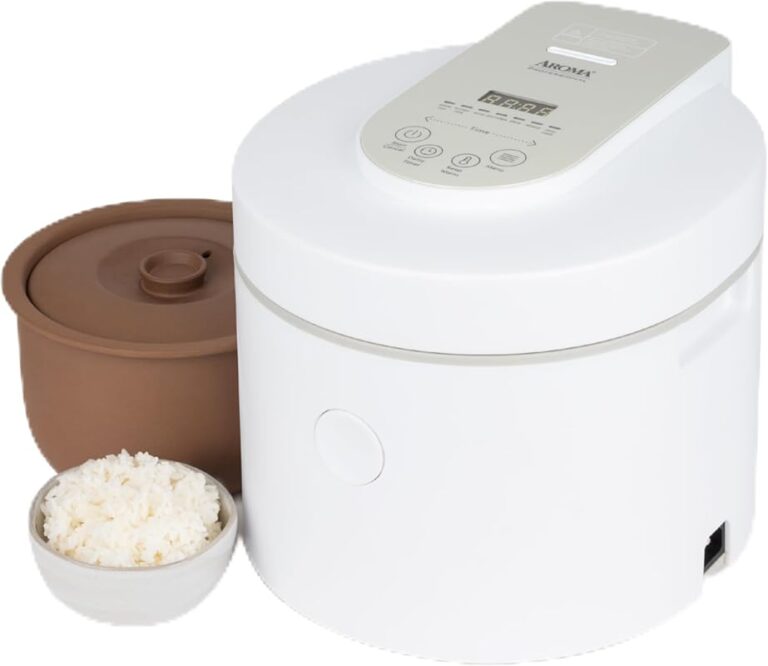
Zojirushi leads the market with reliable, feature-rich models. Tiger offers great value with solid performance. Panasonic provides consistent quality. Aroma Housewares gives budget-friendly options. Instant Pot now makes rice cookers too, leveraging their multi-cooker expertise.
Where to Find Reliable Reviews
Look beyond Amazon star ratings. Check cooking blogs, consumer reports, and YouTube reviews that show actual cooking tests. Pay attention to comments about long-term durability—not just first impressions. Search for your specific model plus “problems” to uncover hidden issues.
Warranty and Support
One-year warranties are standard. Premium brands offer 2-3 years. Check if the company has US-based customer support. Read warranty terms—some don’t cover the inner pot coating. Register your product immediately to activate coverage.
Step 8: Test Before You Buy
Never buy a rice cooker sight unseen if you can help it.
Check the Display and Controls
Are the buttons clearly labeled? Is the display easy to read? Can you operate it without reading the manual? Complex controls frustrate users. Look for intuitive layouts. Backlit displays help in dim kitchens.
Inspect the Interior
Look at the inner pot. Is it removable? How heavy does it feel? Check the non-stick quality. Examine the heating plate—should be smooth and cleanable. Look for gaps where food can get trapped.
Read the Manual
Yes, really. Manuals reveal features, capacity details, and cleaning instructions. A well-written manual shows a company that cares. Poor translations and missing information signal quality issues.
Consider the Store Return Policy
Buy from stores with generous return policies. Sometimes a rice cooker looks great but doesn’t perform to your expectations. A 30-day return window lets you test it risk-free. Keep all packaging until you’re sure you’re keeping it.
Troubleshooting Common Rice Cooker Problems
Even the best rice cooker can have issues. Here’s how to fix them.
Why Is My Rice Sticky or Mushy?
Too much water or wrong rice-to-water ratio. Different rice types need different amounts. Brown rice needs more water than white. Let the rice rest 10-15 minutes after cooking—this helps separate grains. Try rinsing rice before cooking to remove excess starch.
Why Is the Bottom Burnt?
Older rice cookers often have hot spots. Stirring before cooking helps. Using a bit more water can prevent burning. Check if your model has a “quick rinse” setting that softens rice first. Some burning is normal—a crispy bottom layer (okoge) is traditional in Japanese cooking.
Why Won’t My Rice Cooker Turn On?
Check the power cord connection. Is the inner pot seated correctly? Most models won’t operate without the pot properly positioned. Look for error codes in the manual. Sometimes a simple reset fixes electronic glitches—unplug for 5 minutes.
Why Does My Rice Cooker Overflow?
Cooking too much rice at once causes overflow. Overfilling the pot beyond its max line. Using old rice that’s too dry absorbs more water. Always measure rice and water accurately. Clean the steam vent regularly—blocked vents cause pressure buildup.
Why Does My Rice Taste Metallic?
Usually the inner pot coating is damaged. Stop using the cooker immediately. Check for scratches. Contact the manufacturer for a replacement pot. Never use metal utensils in non-stick pots—use wood or silicone instead.
Why Is the Keep-Warm Function Not Working?
Some models disable keep-warm if the lid opens during cooking. Check if you’re opening it to check progress. The function might take 10-15 minutes to activate after cooking completes. Consult your manual for specific timing.
Conclusion: Making Your Final Decision
Choosing the best rice cooker doesn’t have to be overwhelming. Start with your needs: capacity for your household, types of rice you cook, and must-have features. Fuzzy logic models offer the best balance of price and performance for most families. Induction heating delivers premium results for serious rice lovers.
Remember that different rice varieties need different approaches. A good rice cooker handles them all. Check build quality, read real reviews, and consider long-term value over initial price.
Your perfect rice cooker is out there. Use this guide, trust your instincts, and you’ll find it. Then enjoy fluffy, restaurant-quality rice whenever you want. No more guessing. No more failed batches. Just perfect rice, every single time.