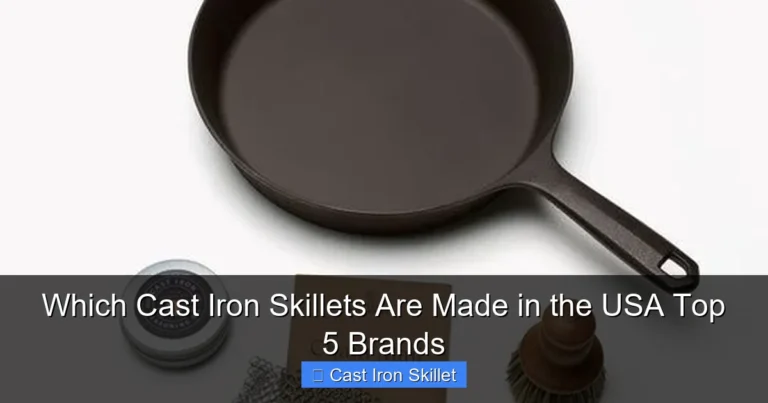
Where Are Cast Iron Skillets Made Ultimate Origin Guide

Ever wondered where cast iron skillets are made? This ultimate guide reveals the global manufacturing hubs, from American foundries to Chinese factories. Learn how to identify origin, spot quality differences, and make an informed purchase decision for your kitchen.
Key Takeaways
- Multiple Manufacturing Hubs: Cast iron skillets are primarily made in the USA, China, and several other countries including India and Thailand.
- Quality Isn’t Just About Origin: While American-made skillets often have thicker walls, Chinese manufacturers produce excellent quality at lower prices.
- Easy Identification: You can find manufacturing origin on packaging, bottom markings, or by researching brand headquarters.
- Seasoning Matters More: Proper seasoning technique is far more important than where your skillet was made.
- Price Differences: American skillets cost 2-3x more than imported ones, but offer different value propositions.
- Historical Legacy: The USA dominated cast iron production for over 200 years before globalization shifted manufacturing.
Introduction: The Mystery Behind Your Cast Iron Skillet
You’ve probably seen them in your grandmother’s kitchen, at rustic farmhouses, or in trendy modern restaurants. Cast iron skillets are having a major comeback. But have you ever stopped to wonder where cast iron skillets are made? That seemingly simple question leads us down a fascinating path through history, global manufacturing, and modern kitchen culture.
This comprehensive guide will answer everything you need to know about cast iron skillet origins. We’ll explore the major manufacturing hubs, teach you how to identify where your skillet came from, and help you make an informed decision on your next purchase. Whether you’re a seasoned chef or a beginner home cook, understanding origin will transform how you shop for this timeless cookware.
The Rich History of Cast Iron Manufacturing
To understand where cast iron skillets are made today, we need to travel back in time. Cast iron cooking dates back centuries, but the modern skillet design we know emerged in the early 1800s.
Visual guide about Where Are Cast Iron Skillets Made Ultimate Origin Guide
Image source: mymadeintheusa.com
American Cast Iron Dominance
For over 200 years, the United States was the undisputed king of cast iron production. Foundries in Pennsylvania, New York, and other eastern states churned out millions of skillets. Brands like Griswold and Wagner became household names. These companies perfected the art of creating smooth, durable cookware that lasted generations.
The American manufacturing process involved hand-pouring molten iron into sand molds. Each skillet received individual attention. This labor-intensive method created exceptional quality but kept prices high. American workers earned good wages, and environmental standards added to production costs.
The Global Shift
Everything changed in the late 20th century. As manufacturing costs rose in America, companies began looking overseas. China’s entry into the global market transformed the industry. Lower labor costs and massive production capacity meant skillets could be made much cheaper. Many American companies moved production or started importing from Chinese foundries.
Today, the question of where cast iron skillets are made has a much more complex answer than it did in your great-grandmother’s era.
Where Are Cast Iron Skillets Made Today?
Modern cast iron production spans the globe. Let’s explore the major manufacturing hubs and what makes each unique.
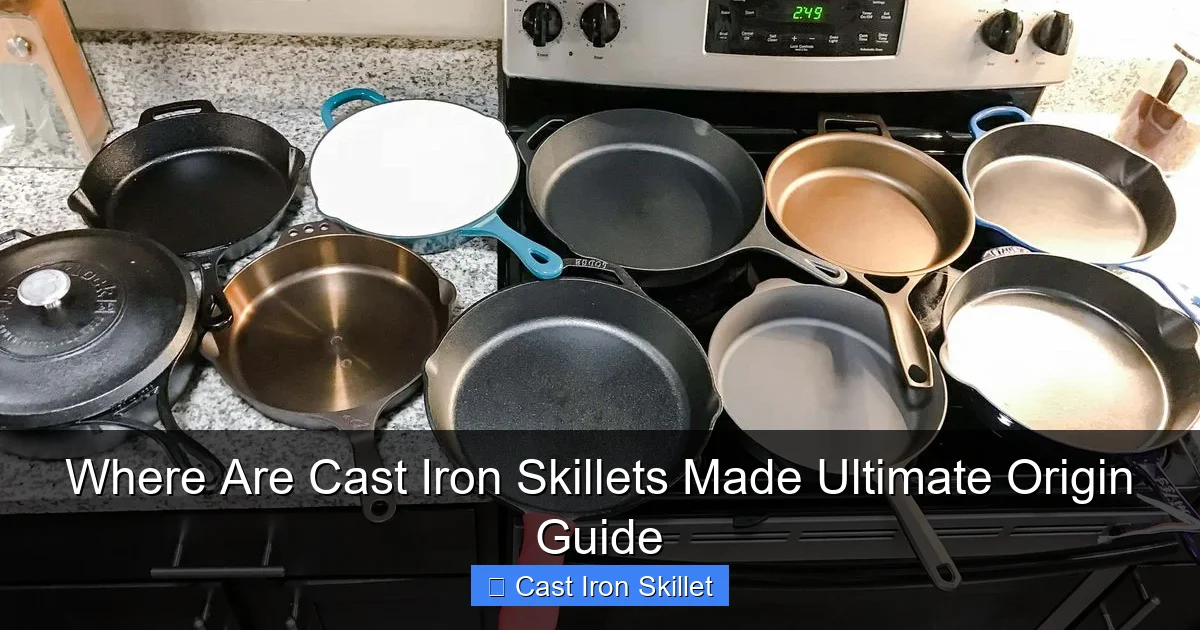
Visual guide about Where Are Cast Iron Skillets Made Ultimate Origin Guide
Image source: cdn.mos.cms.futurecdn.net
American-Made Cast Iron Skillets
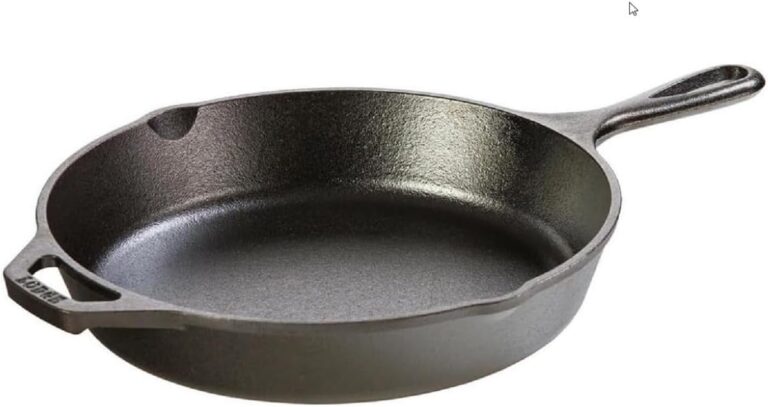
The USA still produces high-quality cast iron skillets, though on a much smaller scale than before. South Pittsburg, Tennessee is the heart of American cast iron manufacturing. This small town proudly produces skillets for brands like Lodge, the last major American manufacturer.
Lodge Cast Iron has been family-owned since 1896. They’ve modernized their process while maintaining quality. American-made skillets feature:
- Thicker, more durable walls
- Consistent quality control
- Higher price points ($30-50 for a 10-inch skillet)
- Made by union workers with benefits
When you buy American, you’re supporting domestic jobs and getting a product made under strict environmental regulations. Many cooks prefer the slightly rougher texture of American skillets, believing it improves seasoning retention.
Chinese-Made Cast Iron Skillets
China now dominates global cast iron production. Major manufacturing centers in the Guangdong and Zhejiang provinces produce millions of skillets annually. Nearly every budget-friendly cast iron brand imports from China, including some models from Lodge itself.
Chinese manufacturing offers:
- Massive production capacity
- Prices 50-70% lower than American-made
- Advanced molding technology
- Smooth, pre-seasoned finishes
Many home cooks debate the merits of different kitchen tools. Just as some question are garlic presses worth it, others debate Chinese versus American cast iron. The reality is that modern Chinese foundries produce excellent quality. The price difference often comes from labor costs, not quality.
Other Manufacturing Hubs
Beyond America and China, several other countries produce cast iron skillets:
India: Growing as a manufacturing center, particularly for traditional unseasoned cast iron. Indian foundries often use centuries-old techniques.
Thailand: Known for high-end enameled cast iron and artistic designs.
France: Produces premium enameled cast iron for brands like Le Creuset and Staub.
Turkey: Traditional sand-casting methods create rustic, authentic skillets.
The Global Supply Chain Reality
Here’s something that might surprise you: many “American” brands actually have global supply chains. A skillet might be designed in the USA but cast in China. The iron ore could come from Brazil, be smelted in China, molded in Thailand, and shipped to America for seasoning and sale.
When researching where cast iron skillets are made, focus on the final manufacturing location, not just the brand’s headquarters.
How to Identify Where Your Skillet Was Made
Ready to become a cast iron detective? Here’s exactly how to find the origin of any skillet.
Visual guide about Where Are Cast Iron Skillets Made Ultimate Origin Guide
Image source: stonefryingpans.com
Reading the Label and Packaging
The easiest way to determine origin is checking the packaging. By law, imported goods must be marked with their country of origin. Look for phrases like:
- “Made in China”
- “Made in USA”
- “Made in India”
- “Imported”
Sometimes the text is small, so bring a magnifying glass. Online retailers list origin in product specifications. If you’re buying in-store, ask the manager. Reputable stores track this information.
Checking for Country of Origin Markings
If you already own a skillet, flip it over. Most manufacturers stamp the origin on the bottom or side of the handle. Look for:
- Small text stamps
- Embossed letters
- Etched markings
American-made Lodge skillets typically have “USA” cast into the bottom. Chinese-made Lodge skillets might only have the Lodge logo without a country stamp, or a small “Made in China” etching.
Identifying Manufacturing Codes
Some brands use manufacturing codes that tell you the production location. For example:
- Lodge skillets made in South Pittsburg have specific mold numbers
- Victoria brand skillets made in Colombia have distinct handle designs
- Finex skillets made in China have specific polish marks
When in doubt, contact the manufacturer directly. Most companies have customer service emails and will happily share production details.
Quality Differences by Origin
Now for the million-dollar question: does origin affect quality? Let’s separate fact from fiction.
American vs. Chinese Quality Perceptions
Many home cooks believe American-made skillets are inherently superior. This belief stems from historical quality. However, modern manufacturing has changed the landscape.
American Advantages:
- Thicker castings that heat more evenly
- Longer track record of quality control
- Better environmental standards in production
- Supporting domestic economy
Chinese Advantages:
- Lower prices make cast iron accessible to everyone
- Advanced technology creates smoother surfaces
- Modern seasoning processes
- Mass production ensures consistency
The truth? Both can produce excellent skillets. The key is finding a reputable brand, regardless of origin. Some Chinese manufacturers produce higher quality than some American ones.
Price Points and Value Proposition
Let’s talk money. American-made skillets typically cost $35-50 for a 10-inch model. Chinese-made versions cost $15-25 for the same size. That’s a huge difference.
Ask yourself: Are you paying for quality or patriotism? If you cook daily and want a family heirloom, American might be worth it. If you’re just starting out or have budget constraints, Chinese offers incredible value.
Remember that proper care and seasoning matter infinitely more than origin. A well-maintained $20 Chinese skillet outperforms a neglected $50 American one every time.
Step-by-Step Guide to Choosing Your Cast Iron Skillet
Ready to buy? Follow this foolproof process to find the perfect skillet for your needs.
Step 1: Determine Your Budget
Be honest about what you can spend. Set a range, not a fixed number. If you’re new to cast iron, start with a budget-friendly option. You can always upgrade later.
Step 2: Research Brands by Origin
Make a list of brands that match your budget. Research where each brand’s skillets are made. Don’t rely on marketing alone. Dig into customer reviews and manufacturing details.
Some brands to consider:
- Lodge: Offers both American and Chinese-made options
- Victoria: Colombian-made traditional skillets
- Finex: Premium Chinese-made with American design
- Stargazer: American-made, modern design
- Field Company: American-made, vintage-style
Step 3: Check Origin Before Buying
This is crucial. If shopping online, the product description must list origin. If it doesn’t, email the retailer. In physical stores, check packaging or ask employees.
Some brands intentionally obscure origin. If you can’t find this information easily, consider it a red flag. Transparency matters.
Step 4: Inspect Quality Indicators
Regardless of origin, inspect these quality markers:
- Surface texture: Should be smooth but not polished to a mirror finish
- Weight: Should feel substantial, not flimsy
- Spout design: Should pour cleanly without dripping
- Handle: Should be securely attached and comfortable
- Bottom: Should be flat and even for proper heating
Step 5: Make Your Purchase and Season Immediately
Once you’ve chosen, buy with confidence. When your skillet arrives, wash it, dry it thoroughly, and season it before first use. This step is non-negotiable and applies regardless of where your skillet was made.
Seasoning creates a natural non-stick surface and prevents rust. It’s the single most important thing you’ll do for your cast iron.
Troubleshooting Common Concerns About Imported Cast Iron
Still worried about buying imported skillets? Let’s address the most common concerns.
Concerns About Imported Cast Iron Safety
Some cooks worry about lead contamination or poor quality control in imported cookware. These concerns are largely unfounded with reputable brands. Major retailers require strict safety testing. Chinese-made Lodge skillets, for example, meet all FDA requirements.
To be extra safe, buy from established brands sold through major retailers. Avoid random Amazon sellers with no reputation. If you’re concerned, you can always strip and re-season your skillet to create a pure cooking surface.
Seasoning Differences by Origin
Many believe American-made skillets season differently than Chinese ones. The reality is that seasoning depends on your technique, not manufacturing location. However, some skillets come pre-seasoned differently.
Chinese manufacturers often use a lighter seasoning that wears off quickly. American manufacturers sometimes apply a more durable preseasoning. Either way, plan to season your skillet yourself after a few uses. This ensures you get the perfect non-stick surface for your cooking style.
Handle Heat Resistance Issues
Some imported skillets have different handle designs that get hotter faster. This is usually a design choice, not a quality issue. If you prefer cooler handles, look for skillets with heat-resistant handle covers or loop handles designed for oven mitts.
When in doubt, use a potholder. All cast iron handles get hot eventually, regardless of origin.
Conclusion: Making the Right Choice for Your Kitchen
So, where are cast iron skillets made? The answer is: pretty much everywhere. From the historic foundries of Tennessee to modern factories in China, cast iron production has truly gone global.
The most important takeaway isn’t where your skillet was made, but how you use it. A $20 Chinese skillet, properly seasoned and cared for, will serve you for decades. A neglected $50 American skillet will rust and disappoint.
When choosing, consider your budget, cooking frequency, and personal values. Want to support American jobs? Buy domestic. Need affordability? Imported is fine. Either way, you’re getting a piece of cookware that can last generations.
Remember that kitchen tools reflect personal preference. Just as some cooks passionately debate whether are garlic presses worth it, cast iron enthusiasts have strong opinions about origin. But at the end of the day, the best skillet is the one you’ll actually use.
Now that you know where cast iron skillets are made, go forth and cook something amazing. Your perfect skillet is out there, regardless of its country of origin.