
Are All Non Stick Frying Pans Bad For You Discover The Truth

Not all non stick frying pans are bad for you. The safety of these pans depends on their materials and how you use them. Understanding the types of coatings and proper care helps you cook safely and enjoy the convenience of non stick cookware.
Key Takeaways
- Not all non stick pans are harmful: Many modern pans use safe coatings.
- PTFE coatings are generally safe: But avoid overheating to prevent toxic fumes.
- PFOA is a concern: Most reputable brands now offer PFOA-free pans.
- Ceramic coatings are an alternative: They are generally considered safer but less durable.
- Proper use extends pan life and safety: Avoid metal utensils and high heat.
- Check manufacturer info: Look for safety certifications and clear labels.
- Regular replacement is important: Worn pans can pose health risks.
Quick Answers to Common Questions
Are non stick frying pans safe to use every day?
Yes, as long as you use them properly—avoid high heat and metal utensils—and replace them when damaged, non stick pans are safe for daily cooking.
What happens if I overheat a non stick pan?
Overheating can cause the coating to break down and release fumes that may be harmful, especially to pets like birds.
Is ceramic non stick better than traditional non stick?
Ceramic pans are free from PTFE and PFOA, making them a good alternative, but they may wear out faster than traditional non stick pans.
How can I tell if my non stick pan is no longer safe?
If the coating is scratched, peeling, or flaking, it’s time to replace the pan to avoid ingesting particles or toxins.
Are all non stick pans PFOA-free now?
Most modern non stick pans are PFOA-free, but it’s important to check labels and manufacturer information to be sure.
📑 Table of Contents
- Are All Non Stick Frying Pans Bad For You? Discover The Truth
- Understanding Non Stick Frying Pans: What Are They Made Of?
- Are Non Stick Frying Pans Bad For You? Debunking Common Myths
- How to Use Non Stick Frying Pans Safely
- Choosing the Right Non Stick Frying Pan for Your Health
- When to Replace Your Non Stick Frying Pan
- Conclusion: Non Stick Frying Pans and Your Health
Are All Non Stick Frying Pans Bad For You? Discover The Truth
Non stick frying pans are a kitchen staple for many people. They make cooking easier, reduce the need for oil, and simplify cleanup. But with all the rumors and warnings online, you might wonder, are all non stick frying pans bad for you? The short answer is no—not all of them. However, the truth is a bit more nuanced. Understanding what makes some pans safer than others is key to making healthy, informed choices for your kitchen.
In this article, we’ll explore the materials used in non stick pans, the health concerns linked to them, and how to use and maintain your pans safely. By the end, you’ll know exactly what to look for when buying a non stick frying pan and how to keep cooking safe and enjoyable.
Understanding Non Stick Frying Pans: What Are They Made Of?
PTFE Coatings: The Classic Non Stick
Most traditional non stick pans are coated with PTFE (polytetrafluoroethylene), a synthetic polymer famous under the brand name Teflon. PTFE creates a slick surface that stops food from sticking, making cooking and cleaning easier.
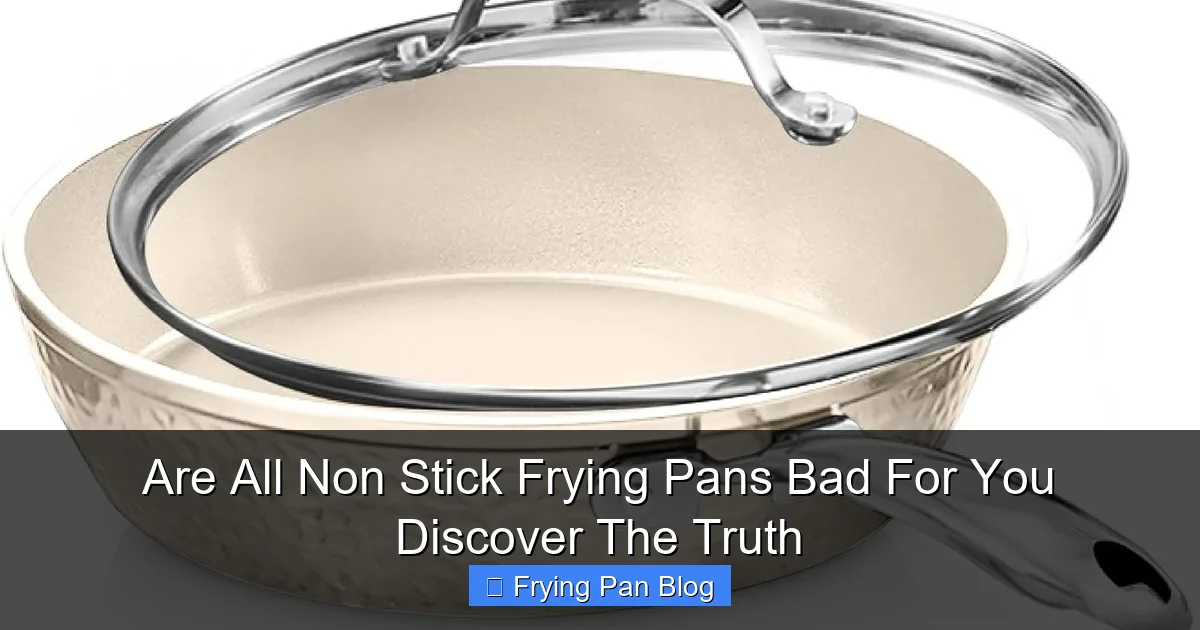
Visual guide about Are All Non Stick Frying Pans Bad For You Discover The Truth
Image source: m.media-amazon.com
PTFE itself is chemically stable and safe at normal cooking temperatures. The main concern arises when the pan is overheated above 500°F (260°C), which can cause the coating to break down and release fumes harmful to birds and potentially humans.
PFOA and Its Role in Safety Concerns
Perfluorooctanoic acid (PFOA) was once used in the manufacturing of PTFE coatings. It’s linked to some health risks when ingested or inhaled in large amounts. The good news is that since 2013, most manufacturers have eliminated PFOA from their production, making modern non stick pans PFOA-free.
Ceramic Coatings: A Safer Alternative?
Ceramic non stick pans have grown popular as an alternative. They use a silica-based coating that’s free from PTFE and PFOA. These pans are generally safe and don’t emit harmful fumes. However, ceramic coatings tend to wear out faster and may lose their non stick properties more quickly than PTFE pans.
Are Non Stick Frying Pans Bad For You? Debunking Common Myths
Myth 1: All Non Stick Pans Emit Toxic Chemicals
This isn’t true for all pans. Modern, high-quality non stick pans are designed to be safe when used as directed. The key is not to overheat them or scratch the surface, which can increase risks.
Myth 2: Non Stick Pans Cause Cancer
There is no conclusive scientific evidence that normal use of non stick pans causes cancer. Concerns about PFOA were valid in the past, but today’s non stick cookware is mostly PFOA-free and safe. Still, it’s wise to replace pans that are scratched or peeling.
Myth 3: Ceramic Pans Are Always Safer
Ceramic pans avoid PTFE and PFOA but can degrade faster. They might release particles if their coating wears off. So, while they’re a good option, no pan is completely risk-free if used improperly or not replaced when damaged.
How to Use Non Stick Frying Pans Safely
Keep Temperatures Moderate
Avoid heating your pan empty or cooking at very high heat. Medium or low heat is ideal for non stick pans to prevent breakdown of coatings and toxic fumes.
Use Appropriate Utensils
Metal utensils can scratch the coating, causing it to wear faster and potentially releasing particles. Use wooden, silicone, or plastic tools instead.
Care and Cleaning Tips
- Hand wash your pans with mild detergent. Avoid abrasive scrubbers.
- Dry thoroughly to prevent damage.
- Store pans carefully to avoid scratches.
Choosing the Right Non Stick Frying Pan for Your Health
Look for PFOA-Free Labels
Always check if a pan is labeled PFOA-free. This ensures it was manufactured without the harmful chemical.
Consider Alternative Coatings
If you’re concerned about PTFE, try ceramic or anodized aluminum pans. Each has pros and cons, so choose based on your cooking style and priorities.
Check Brand Reputation and Certifications
Buy from reputable brands that provide safety certifications and clear product information. Reviews and expert recommendations help too.
When to Replace Your Non Stick Frying Pan
Signs Your Pan Needs Replacing
- Visible scratches or flaking on the surface
- Loss of non stick performance
- Warping or damage to the base
Using a damaged pan can increase health risks and reduce cooking quality.
How Often Should You Replace?
Depending on use and care, most non stick pans last 3 to 5 years. Inspect your pan regularly and replace it sooner if it shows damage.
Conclusion: Non Stick Frying Pans and Your Health
So, are all non stick frying pans bad for you? The answer is no. Many modern non stick pans are safe when used properly. The key is to choose quality cookware, avoid overheating, and replace pans when they wear out. Whether you prefer PTFE or ceramic coatings, understanding how to care for your pans can help you enjoy healthy, easy cooking for years.
With the right knowledge, non stick frying pans can be a safe, convenient, and valuable tool in your kitchen. So go ahead, cook your favorite meals without worry, and keep these tips in mind for the best experience.
🎥 Related Video: Toxicologist Reveals: Are Non-Stick Pans Slowly Poisoning You?
📺 Yvonne Burkart, PhD
Are Non-Stick Pans Slowly Poisoning You? (What You Need To Know) OPEN FOR RESOURCES MENTIONED Look around …
Frequently Asked Questions
What materials are used in non stick frying pans?
Common materials include PTFE coatings (like Teflon), ceramic coatings, and sometimes anodized aluminum. Each has different safety and durability profiles.
Can non stick pans cause health problems?
When used correctly, non stick pans are generally safe. Problems arise mainly from overheating or using damaged pans with worn coatings.
How should I clean my non stick frying pan?
Hand wash with mild soap and a soft sponge. Avoid abrasive cleaners and dishwashers to protect the coating.
Is it safe to use metal utensils on non stick pans?
No, metal utensils can scratch and damage the coating. Use wooden, silicone, or plastic utensils instead.
Can I use non stick pans on induction cooktops?
Only if the pan has a magnetic base designed for induction. Check the manufacturer’s details before use.
How long do non stick frying pans typically last?
With proper care, they usually last 3 to 5 years. Frequent use and improper maintenance can shorten their lifespan.
