
Are Frying Pans Still Coated With Teflon What You Need To Know

Are frying pans still coated with Teflon? Yes, many frying pans on the market continue to feature Teflon coatings due to their excellent non-stick properties. However, modern Teflon pans are safer and more durable than ever, making them a popular choice for everyday cooking.
Key Takeaways
- Teflon remains common: Many frying pans still use Teflon for its non-stick benefits.
- Improved safety standards: Modern Teflon coatings are PFOA-free and safer than older versions.
- Durability varies: High-quality Teflon pans last longer with proper care.
- Alternative coatings exist: Ceramic, anodized aluminum, and stainless steel are alternatives.
- Care is key: Avoid overheating and metal utensils to prolong Teflon pan life.
- Environmental concerns persist: Some debate remains about Teflon’s impact, leading to more eco-friendly options.
- Consumer choice matters: Knowing pros and cons helps you pick the best pan for your kitchen.
📑 Table of Contents
- Introduction: The Story Behind Teflon Frying Pans
- What Is Teflon and Why Was It Popular?
- Are Frying Pans Still Coated With Teflon?
- Safety of Teflon-Coated Frying Pans
- Alternatives to Teflon Frying Pans
- How to Care for Your Teflon Frying Pan
- Choosing the Right Pan for You
- Conclusion: Are Frying Pans Still Coated With Teflon?
Introduction: The Story Behind Teflon Frying Pans
Have you ever wondered if frying pans are still coated with Teflon? It’s a great question because Teflon has been a kitchen staple for decades. Known for its slick, non-stick surface, Teflon revolutionized cooking by making frying and cleaning easier. But with concerns about safety and environmental impact, many people question if it’s still used today.
In this article, we’ll explore the current status of Teflon in frying pans, how it’s made safer, and what alternatives you might consider. Whether you’re shopping for a new pan or just curious, this guide will give you the facts you need.
What Is Teflon and Why Was It Popular?
Understanding Teflon’s Chemistry
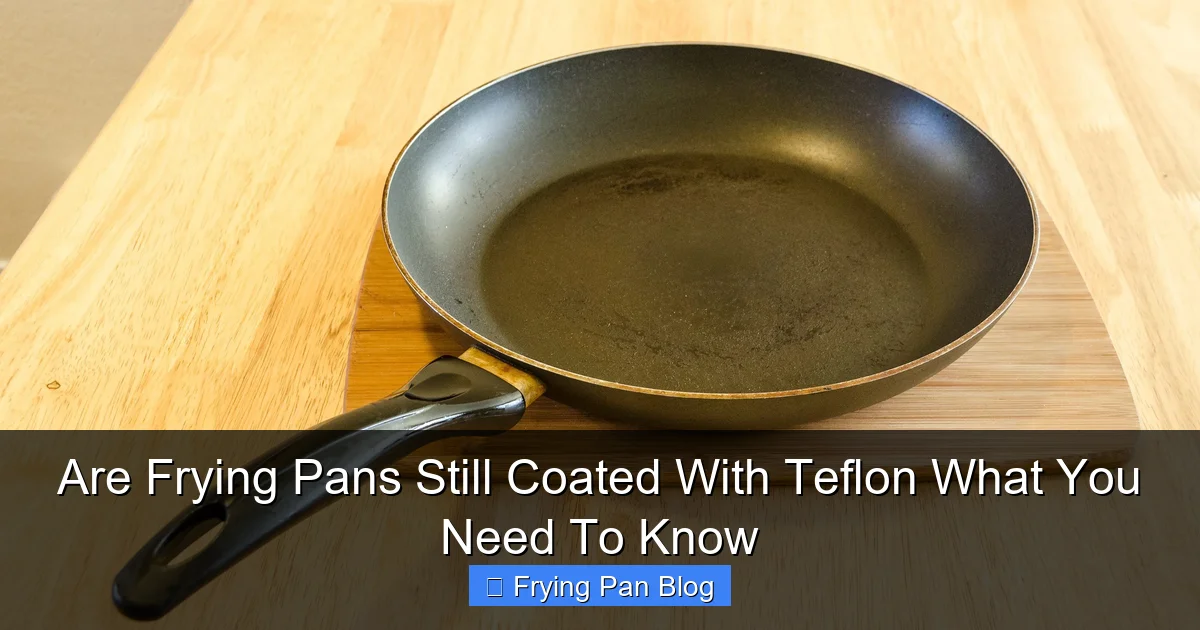
Teflon is a brand name for polytetrafluoroethylene (PTFE), a synthetic chemical known for its non-stick qualities. It was discovered in the 1930s and became widely used in cookware by the 1960s. The slick surface prevents food from sticking, so less oil is needed, and cleaning is a breeze.
Visual guide about Are Frying Pans Still Coated With Teflon What You Need To Know
Image source: i.pinimg.com
Why Cooks Loved Teflon
Before Teflon, frying pans often required lots of butter or oil to keep food from sticking. Teflon coated pans changed that, making cooking healthier and mess-free. Plus, they are great for delicate foods like eggs and fish that tend to stick to regular pans.
Are Frying Pans Still Coated With Teflon?
The Current Market Reality
Yes, many frying pans on store shelves still feature Teflon coatings. Despite the rise of alternatives, Teflon remains popular because it is affordable, effective, and familiar. Brands have improved their formulas to meet modern safety standards.
What Has Changed About Teflon Coatings?
Older Teflon pans sometimes contained PFOA, a chemical linked to health concerns. Today, manufacturers produce PFOA-free Teflon coatings, making them safer. The coatings are also more durable, resisting scratches and peeling better than before.
Safety of Teflon-Coated Frying Pans
Addressing Health Concerns
There were worries about fumes released from overheated Teflon pans. These fumes can be harmful if pans reach extremely high temperatures (above 500°F or 260°C). However, regular cooking rarely hits these levels, so using Teflon pans properly is safe.
Tips to Use Teflon Pans Safely
- Never heat an empty Teflon pan on high heat.
- Use low to medium heat for cooking.
- Avoid metal utensils that can scratch the surface.
- Replace pans if the coating starts peeling or flaking.
Alternatives to Teflon Frying Pans
Ceramic-Coated Pans
Ceramic pans are free from PTFE and PFOA, offering a natural non-stick surface. They are great for medium heat cooking but may lose non-stick qualities faster than Teflon.
Anodized Aluminum
This type of pan is hard and scratch-resistant, with a smooth surface that offers some natural non-stick ability. It’s more durable but might require oil or butter to prevent sticking.
Stainless Steel
Stainless steel pans are extremely durable and versatile, but food can stick if you don’t use enough fat or preheat the pan properly. They’re great for browning and searing.
How to Care for Your Teflon Frying Pan
Cleaning Tips
Wash your Teflon pan gently with warm, soapy water and a soft sponge. Avoid abrasive scrubbers, which can damage the coating. Hand washing is best, even if the pan is labeled dishwasher safe.
Storage and Handling
Stack pans carefully to avoid scratching. Use pan protectors or paper towels between pans if storing them stacked. Avoid dropping or banging the pan to prevent surface damage.
Choosing the Right Pan for You
Consider Your Cooking Style
If you mostly cook eggs, pancakes, or delicate fish, a Teflon pan might be your best friend. For high-heat searing or oven use, consider stainless steel or cast iron instead.
Budget and Longevity
Teflon pans are generally affordable and lightweight. Ceramic and stainless steel pans tend to cost more but may last longer with proper care. Think about what suits your kitchen habits and budget.
Conclusion: Are Frying Pans Still Coated With Teflon?
In short, yes, frying pans are still coated with Teflon, and they remain a popular choice thanks to their excellent non-stick properties and improved safety. Modern Teflon pans are PFOA-free and safer than earlier versions, making them suitable for everyday cooking when used correctly.
That said, alternatives like ceramic, anodized aluminum, and stainless steel offer other benefits depending on your cooking needs. Understanding the pros and cons will help you select the perfect frying pan for your kitchen. Remember, proper care and mindful usage keep your pans performing well and your meals delicious.
🎥 Related Video: The Truth About Nonstick Cookware: Teflon
📺 Dr. Eric Berg DC
Get access to my FREE resources https://drbrg.co/4bUefi9 Just so you know, my full line of high-quality supplements is …
Frequently Asked Questions
Are all Teflon frying pans safe to use?
Most modern Teflon frying pans are safe to use as they are made without harmful chemicals like PFOA. However, it’s important to use them on low to medium heat and avoid overheating to prevent any risks.
Can I use metal utensils on Teflon pans?
It’s best to avoid metal utensils on Teflon pans because they can scratch and damage the non-stick coating. Instead, use wooden, silicone, or plastic utensils to extend the pan’s life.
How do I know if my Teflon pan is worn out?
If the non-stick surface starts peeling, flaking, or showing scratches, it’s time to replace the pan. Cooking with a damaged coating can affect food safety and cooking performance.
Are ceramic pans better than Teflon pans?
Ceramic pans are a good alternative as they are free from PTFE and PFOA, but they may not be as durable or slick as Teflon. Your choice depends on your cooking preferences and how you care for your pans.
Is overheating a Teflon pan dangerous?
Overheating a Teflon pan above 500°F can release fumes that may be harmful if inhaled in large amounts. Cooking at normal temperatures and avoiding empty heating keeps you safe.
Can Teflon pans go in the dishwasher?
While some Teflon pans are labeled dishwasher safe, hand washing with a soft sponge is recommended to preserve the coating and extend the pan’s lifespan.
