Are Aluminum Frying Pans Good for Cooking Find Out Now

Aluminum frying pans are popular for their excellent heat conduction and affordability. However, they come with some drawbacks like reactivity with acidic foods. Choosing the right aluminum pan depends on your cooking style and preferences.
Key Takeaways
- Excellent heat conductor: Aluminum pans heat up quickly and evenly, making cooking more efficient.
- Lightweight and easy to handle: Aluminum pans are lighter than many other materials, reducing strain during cooking.
- Reactive surface: Uncoated aluminum can react with acidic foods, affecting flavor and pan durability.
- Durability varies: Coated or anodized aluminum pans last longer and resist scratches better.
- Affordable option: Aluminum frying pans are generally budget-friendly, great for everyday use.
- Not ideal for high-heat searing: Aluminum pans can warp under extreme temperatures unless specially treated.
- Maintenance matters: Proper care extends the life of aluminum pans and maintains cooking performance.
📑 Table of Contents
- Are Aluminum Frying Pans Good for Cooking? Find Out Now
- Why Choose Aluminum Frying Pans?
- The Drawbacks of Aluminum Frying Pans
- Types of Aluminum Frying Pans
- How to Care for Aluminum Frying Pans
- Practical Examples: When to Use Aluminum Frying Pans
- Conclusion: Are Aluminum Frying Pans Good for Cooking?
Are Aluminum Frying Pans Good for Cooking? Find Out Now
If you’re shopping for a new frying pan, you might wonder if aluminum frying pans are a good choice. They’re everywhere in kitchens, but are they really as good as people say? Let’s dive into what aluminum pans bring to the table, literally, and whether they fit your cooking needs.
Aluminum frying pans stand out because of their lightweight feel and quick heat-up times. But they also raise questions about durability and safety, especially when it comes to cooking acidic foods. In this article, we’ll unpack everything—from how aluminum pans conduct heat to their pros, cons, and tips for picking the best one.
Why Choose Aluminum Frying Pans?
Excellent Heat Conduction
One of the biggest reasons cooks love aluminum frying pans is their amazing ability to conduct heat. Aluminum heats up quickly and distributes heat evenly across the pan’s surface. This means fewer hot spots and more consistent cooking results. Whether you’re frying eggs or sautéing vegetables, aluminum pans get the job done efficiently.
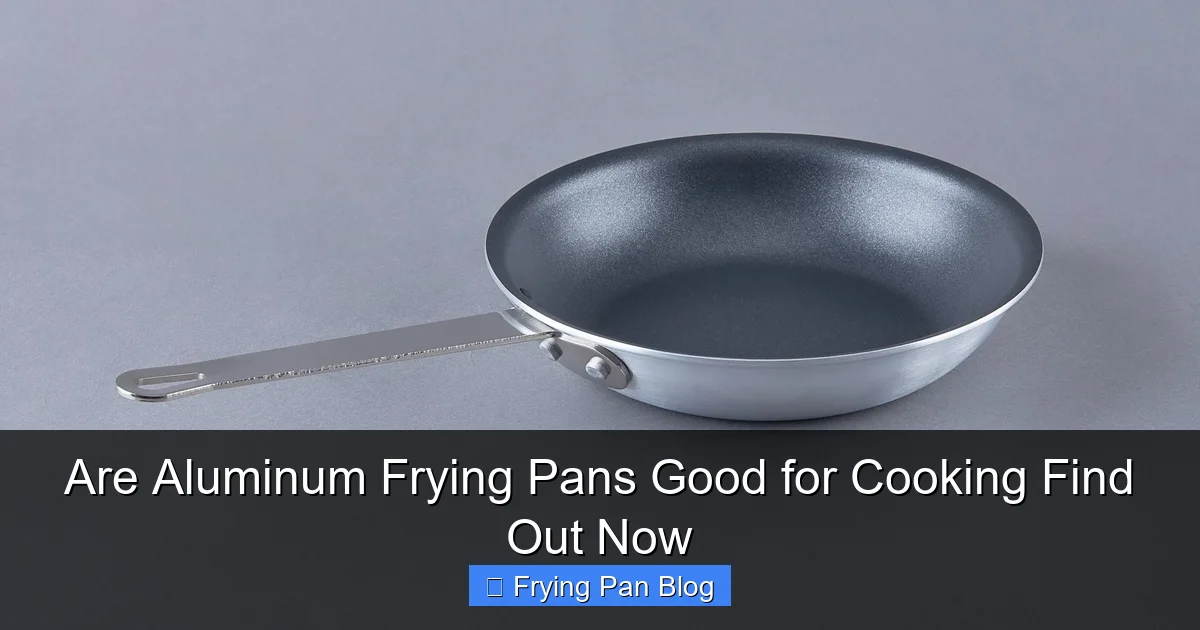
Visual guide about Are Aluminum Frying Pans Good for Cooking Find Out Now
Image source: images.squarespace-cdn.com
Lightweight and Easy to Handle
If you’ve ever struggled with a heavy cast iron or stainless steel pan, aluminum pans will be a breath of fresh air. They are incredibly light, making flipping, stirring, and tossing food easier on your wrists. This lightweight nature also means they heat up faster, saving you time in the kitchen.
Affordable and Widely Available
Budget-conscious? Aluminum frying pans are usually more affordable than other materials like copper or stainless steel. You can find them in almost every store, making them accessible options for beginners and seasoned cooks alike.
The Drawbacks of Aluminum Frying Pans
Reactivity with Acidic Foods
One downside to uncoated aluminum pans is that they react with acidic ingredients like tomatoes, vinegar, and citrus. This can cause the food to take on a metallic taste and may discolor the pan. The reaction can also degrade the pan’s surface over time.
Durability Concerns
Pure aluminum is soft compared to other metals. This means aluminum pans can scratch, dent, or warp, especially if you subject them to high heat or rough handling. However, many manufacturers now offer anodized aluminum pans, which are much tougher.
Not Suitable for High-Heat Searing
While aluminum pans heat quickly, they aren’t the best choice for searing at very high temperatures. Extreme heat can cause warping or damage the pan’s surface, especially if it’s not anodized or coated.
Types of Aluminum Frying Pans
Uncoated Aluminum Pans
These are the most basic aluminum pans. They offer excellent heat conduction but require more careful use due to their reactive nature and softness. They’re great for low to medium heat cooking but less versatile overall.
Anodized Aluminum Pans
Anodized aluminum pans undergo a treatment that hardens the surface, making them stronger and more resistant to scratches and corrosion. They’re less reactive with acidic foods and can handle higher heat better than uncoated pans.
Nonstick Aluminum Pans
Many aluminum frying pans come with a nonstick coating, combining the benefits of aluminum’s heat conduction with easy food release and cleanup. These pans often use anodized aluminum as a base to improve durability.
How to Care for Aluminum Frying Pans
Cleaning Tips
Avoid harsh detergents or metal scrubbers that can damage the pan’s surface. Instead, use warm water, mild dish soap, and a soft sponge. For stubborn stains on uncoated pans, a mixture of baking soda and water can help.
Cooking Tips
Use low to medium heat to prevent warping and extend the pan’s life. When cooking acidic foods, consider using anodized or coated aluminum pans to avoid reactions. Also, avoid sudden temperature changes, such as rinsing a hot pan with cold water.
Storage Advice
Store aluminum pans carefully to prevent scratches. If stacking multiple pans, place a soft cloth or paper towel between them.
Practical Examples: When to Use Aluminum Frying Pans
Everyday Cooking
Aluminum frying pans shine in daily cooking tasks like making scrambled eggs, sautéing veggies, or heating leftovers. Their quick heating makes meal prep faster and easier.
Camping or Travel
Because they’re lightweight and affordable, aluminum pans are popular for camping or travel cooking. Just be gentle to avoid dents or warping.
Baking and Oven Use
Some anodized aluminum pans are oven-safe up to certain temperatures, making them versatile for recipes that start on the stovetop and finish in the oven. Always check manufacturer instructions.
Conclusion: Are Aluminum Frying Pans Good for Cooking?
Aluminum frying pans offer many benefits, including fast and even heating, lightweight design, and affordable pricing. They work well for everyday cooking and are friendly for most kitchen tasks.
However, their drawbacks—such as reactivity with acidic foods and lower durability—mean they aren’t perfect for every cooking style. Choosing coated or anodized aluminum pans can help reduce these issues. Ultimately, aluminum frying pans are good for cooking if you understand their strengths and handle them with care.
So next time you wonder, “Are aluminum frying pans good?” the answer is yes—with the right pan and proper use, they can be a fantastic tool in your kitchen.
🎥 Related Video: Do you use aluminum cookware?😱
📺 Younger with Marshal
Do you use aluminum cookware? Here’s a quick demonstration showing the difference between cooking in aluminum and …
Frequently Asked Questions
Are aluminum frying pans safe to use?
Yes, aluminum frying pans are safe to use, especially when they are anodized or coated. Uncoated aluminum can react with acidic foods, but this does not pose a significant health risk for most people.
Do aluminum pans last a long time?
Aluminum pans can last for years if cared for properly. Anodized or coated aluminum pans are more durable and resistant to scratches and warping compared to uncoated ones.
Can aluminum frying pans be used on induction cooktops?
Pure aluminum pans are not compatible with induction cooktops because they lack magnetic properties. However, some aluminum pans have a magnetic base that makes them induction-friendly.
Are aluminum pans dishwasher safe?
Many aluminum pans, especially anodized or coated ones, are labeled dishwasher safe. However, hand washing is recommended to maintain the pan’s finish and extend its lifespan.
What is the difference between anodized aluminum and regular aluminum pans?
Anodized aluminum pans have undergone an electrochemical process that hardens the surface, making them tougher, less reactive, and more resistant to corrosion compared to regular aluminum pans.
Can I use metal utensils with aluminum frying pans?
It depends on the pan’s coating. For uncoated or anodized aluminum pans, metal utensils are generally fine. For nonstick coated aluminum pans, it’s best to use wooden or silicone utensils to prevent scratching.