Can a Frying Pan Be Used as a Wok

Wondering if a frying pan can be used as a wok? While both tools share some cooking similarities, a frying pan doesn’t fully replace a wok’s unique shape and heat distribution. However, with some adjustments, you can use a frying pan for wok-style cooking at home.
Key Takeaways
- Shape Difference: Woks have a deep, curved shape that helps with tossing and even heat distribution, unlike flat frying pans.
- Heat Distribution: Frying pans heat more evenly on flat surfaces, but woks excel at high-heat, quick cooking.
- Versatility: Frying pans can mimic some wok uses but may limit traditional stir-fry techniques.
- Material Matters: Carbon steel woks heat differently than nonstick frying pans, affecting cooking style.
- Cooking Tips: Using a frying pan as a wok requires higher heat and constant stirring to avoid soggy food.
- Practicality: A frying pan is a suitable alternative if you don’t have a wok, especially for small meals.
- Limitations: For authentic wok cooking, investing in a good wok is ideal for best results.
📑 Table of Contents
Can a Frying Pan Be Used as a Wok?
Cooking enthusiasts often wonder if they can get by without a wok, especially if they already own a frying pan. The question, can a frying pan be used as a wok? is more common than you might think. Both tools are staples in kitchens worldwide, but they serve slightly different purposes. Understanding their differences will help you decide whether a frying pan can substitute for a wok in your cooking.
In this article, we’ll explore the similarities and differences between frying pans and woks. We’ll also share practical tips on how to use a frying pan in place of a wok and discuss when it might be best to invest in an actual wok.
Understanding the Differences Between a Frying Pan and a Wok
The Shape and Design
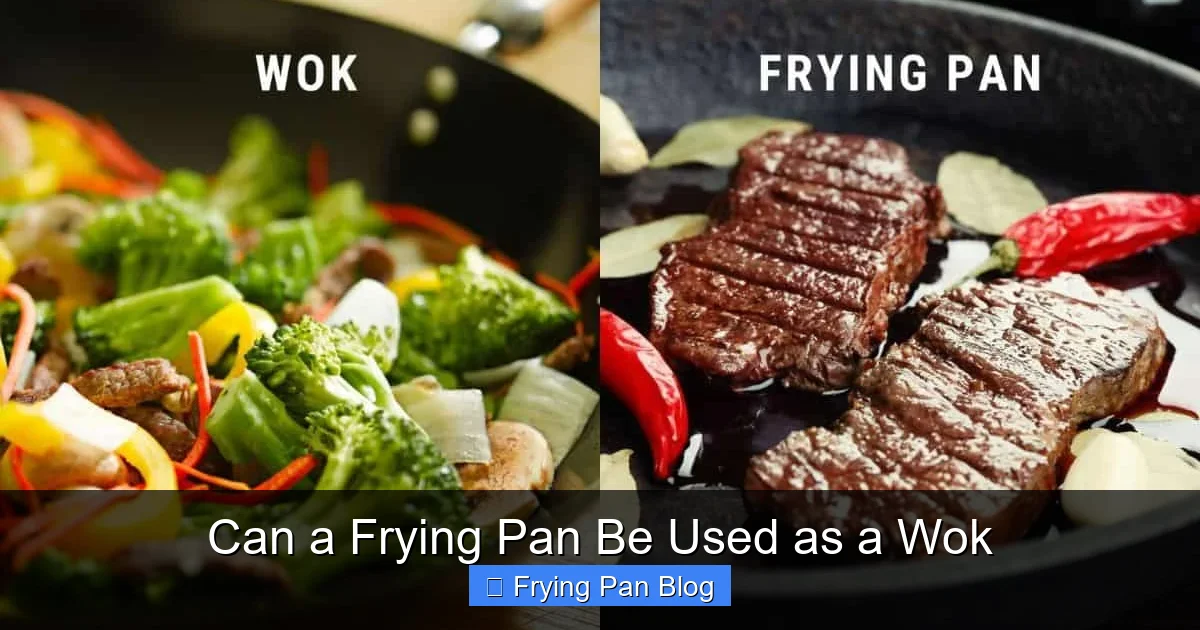
One of the most obvious differences is their shape. A wok typically has a round bottom with high, sloped sides, while a frying pan usually has a flat bottom and lower, straight or slightly curved sides. This design affects how heat is distributed and how the food is stirred.
Visual guide about Can a Frying Pan Be Used as a Wok
Image source: ovenspot.com
The wok’s curved shape allows you to toss ingredients easily, which is essential for stir-frying. The high sides also prevent food from spilling out when you’re stirring vigorously. A frying pan’s flat surface is great for even cooking and searing but can limit the tossing motion.
Material and Heat Conductivity
Woks are often made from carbon steel or cast iron, materials that heat quickly and retain high temperatures. This allows for the signature high-heat cooking style that wok recipes often demand. Frying pans come in various materials, including stainless steel, nonstick coatings, and cast iron, which each respond differently to heat.
Nonstick frying pans, for example, don’t handle very high heat well, which is crucial for wok cooking. Carbon steel frying pans can get hotter and mimic some wok characteristics better.
Can You Use a Frying Pan for Wok Cooking?
Cooking Techniques That Translate Well
Many stir-fry dishes require quick cooking at high heat, constant stirring, and tossing. A frying pan can handle these techniques, especially if it is large enough and made from a material that tolerates high heat, such as stainless steel or cast iron.
For example, you can sauté vegetables or sear meats in a frying pan with similar results to a wok. You just need to be attentive to heat control and stirring frequency to avoid uneven cooking.
Challenges You Might Encounter
Because frying pans have lower sides, tossing food can be messier and more difficult. Also, the heat distribution is different. The flat bottom spreads heat evenly, but it lacks the intense direct heat at the bottom center that a wok offers. This can affect the flavor and texture of your stir-fry.
Additionally, a frying pan’s surface area is often smaller than a wok’s, which limits the amount of food you can cook at one time without overcrowding. Overcrowding causes steaming rather than frying, leading to soggy dishes.
Tips for Using a Frying Pan as a Wok
Choose the Right Pan
Use a large, heavy-bottomed frying pan to retain and distribute heat well. Cast iron or stainless steel pans work best. Avoid nonstick pans if you want to cook at high temperatures, as the coating may degrade.
Preheat Properly
Preheat your frying pan on medium-high to high heat before adding oil. This simulates the wok’s ability to sear ingredients quickly, locking in flavors.
Cook in Batches
To avoid overcrowding, cook ingredients in smaller batches. This ensures each piece gets enough heat and avoids steaming.
Keep Stirring and Tossing
Constant stirring and tossing help distribute heat evenly and prevent burning. Use a wooden or silicone spatula to mimic wok tossing.
Oil Choice Matters
Use oils with high smoke points, like peanut or vegetable oil, which are common in wok cooking. This prevents the oil from burning and imparting off-flavors.
When Should You Consider Buying a Wok?
For Authentic Stir-Fry Experience
If you cook stir-fries often or want to master traditional Asian recipes, investing in a wok is worthwhile. The design allows for better heat control, faster cooking, and more authentic flavor development.
Types of Woks
Consider different wok styles, such as round-bottom woks for gas stoves or flat-bottom woks for electric and induction cooktops. Carbon steel woks are versatile and durable, while nonstick woks require less maintenance but don’t achieve the same searing.
Space and Budget Considerations
If kitchen space is limited or budget is tight, a frying pan can suffice for occasional wok-style cooking. But for regular cooking enthusiasts, a wok is a valuable addition.
Practical Examples: Using a Frying Pan as a Wok
Example 1: Vegetable Stir-Fry
Heat a large stainless steel frying pan until very hot. Add peanut oil, then toss in sliced bell peppers, broccoli, and snap peas. Stir constantly for 3-4 minutes until vegetables are crisp-tender. Season with soy sauce and sesame oil. Cooking in this way mimics wok stir-frying well.
Example 2: Chicken Stir-Fry
Use a cast iron frying pan, heat it up and add oil. Add thinly sliced chicken breast and cook quickly, stirring frequently. Remove chicken, add garlic and ginger, then vegetables. Return chicken to the pan and toss everything together. The high heat of the pan will give a nice sear similar to wok cooking.
Example 3: Fried Rice
While traditionally cooked in a wok, fried rice can be made in a frying pan by heating oil, scrambling eggs, and adding pre-cooked rice and vegetables. Stir often to prevent sticking and ensure even heat.
Conclusion
So, can a frying pan be used as a wok? The short answer is yes, with some caveats. While a frying pan lacks the unique shape and intense heat concentration of a wok, it can still handle many wok-style dishes if you adjust your cooking methods. Using a frying pan is a practical and convenient option if you don’t have a wok on hand.
However, for the best results and authentic stir-fry experience, a wok remains the ideal tool. Its design and material make cooking faster, more efficient, and flavorful. Whether you stick to your trusty frying pan or decide to invest in a wok, understanding their differences will help you make the most of your kitchen adventures.
🎥 Related Video: You wok mate. (seasoning wok) #wok
📺 Jose.elcook
Frequently Asked Questions
Can I use any frying pan as a wok?
While many frying pans can mimic wok cooking, the best options are large, heavy-bottomed pans made of materials like stainless steel or cast iron. Avoid nonstick pans for high-heat wok-style cooking.
Will food taste different if I use a frying pan instead of a wok?
Yes, the taste and texture can differ because woks cook at higher heat and allow better tossing. Frying pans may produce less smoky flavor and slightly different textures.
How do I prevent food from sticking when using a frying pan as a wok?
Preheat the pan properly, use enough oil with a high smoke point, and keep stirring the food frequently to avoid sticking and burning.
Is it better to use a round-bottom or flat-bottom wok?
Round-bottom woks are great for gas stoves and traditional stir-frying, while flat-bottom woks work better on electric or induction cooktops. Choose based on your stove type.
Can I use a wok on an electric stove?
Yes, but a flat-bottom wok is recommended for electric stoves as it sits evenly on the heating element, ensuring better heat contact.
How do I clean and maintain a carbon steel wok?
Clean your carbon steel wok with hot water and a soft sponge without soap to preserve seasoning. Dry it thoroughly and apply a thin layer of oil to prevent rust.