
Are Frying Pans Non Stick Understanding Their True Coating Benefits

Are frying pans non stick? The answer depends on the type of coating they have. While many frying pans feature a non stick surface for easy cooking and cleaning, others are made from materials like stainless steel or cast iron that may require seasoning or more oil. Understanding these coatings helps you pick the best pan for your kitchen.
Key Takeaways
- Non stick coatings vary: Common coatings include PTFE (Teflon), ceramic, and anodized aluminum.
- Not all frying pans are non stick: Some pans like stainless steel and cast iron rely on seasoning or oil to prevent sticking.
- Benefits of non stick pans: Easier cooking, less oil needed, and simpler cleanup.
- Durability differs: Non stick coatings can wear off over time, while stainless steel or cast iron pans often last longer.
- Choosing the right pan: Consider cooking style, maintenance, and health preferences.
- Proper care extends life: Using correct utensils and cleaning methods preserves non stick surfaces.
- Environmental and safety factors: Some coatings are safer and more eco-friendly than others.
📑 Table of Contents
- Are Frying Pans Non Stick? Understanding Their True Coating Benefits
- What Makes a Frying Pan Non Stick?
- Are All Frying Pans Non Stick?
- Benefits of Using Non Stick Frying Pans
- Drawbacks and Considerations of Non Stick Pans
- Tips for Choosing the Right Frying Pan
- How to Care for Your Non Stick Frying Pan
- Conclusion
Are Frying Pans Non Stick? Understanding Their True Coating Benefits
When you think about frying pans, the image of a smooth, easy-to-cook surface probably comes to mind. But are frying pans truly non stick? The truth is, it depends on what kind of frying pan you have. Some pans come with a non stick coating designed to make cooking and cleaning effortless, while others rely on natural materials and seasoning to prevent food from sticking.
In this article, we’ll explore the different types of frying pans, what makes them non stick or not, and the benefits of various coatings. Whether you’re a beginner or a kitchen pro, understanding these details will help you choose the right pan for your cooking style and keep your meals delicious and hassle-free.
What Makes a Frying Pan Non Stick?
Types of Non Stick Coatings
Non stick frying pans are coated with materials that create a slick surface, reducing food adhesion. The most common types include:
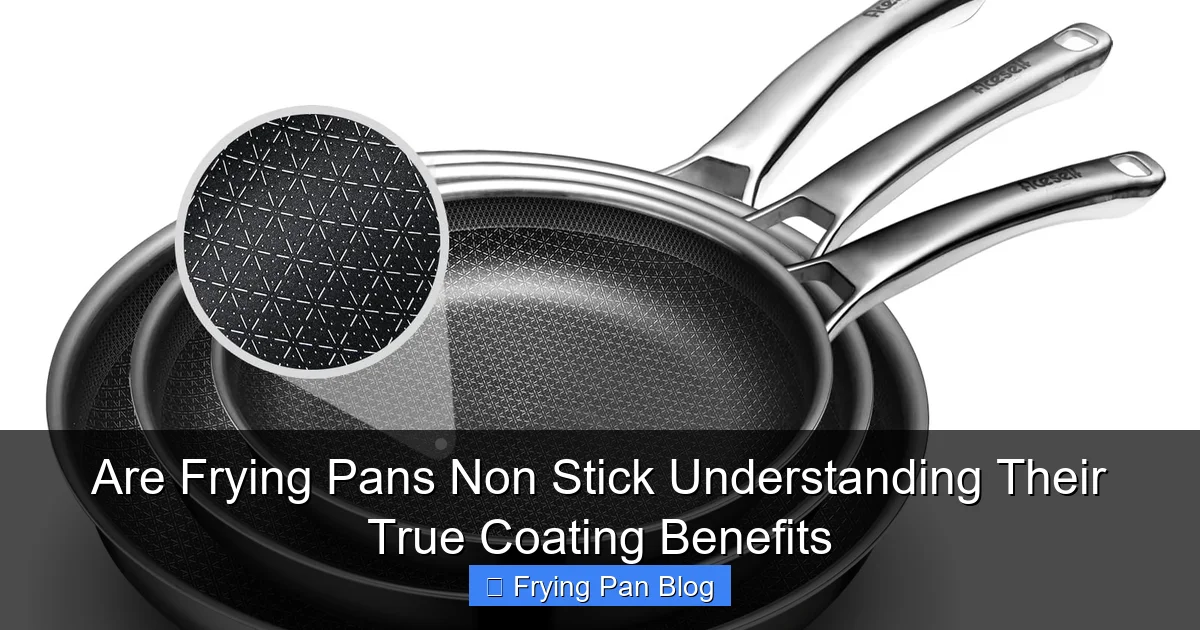
Visual guide about Are Frying Pans Non Stick Understanding Their True Coating Benefits
Image source: images-na.ssl-images-amazon.com
- PTFE (Teflon): The classic non stick coating, PTFE offers excellent release properties and easy cleaning.
- Ceramic Coating: A newer, eco-friendlier alternative, ceramic coatings are made from silica and are free from PTFE and PFOA.
- Anodized Aluminum: This process hardens aluminum and creates a somewhat non stick surface without chemicals.
How Non Stick Surfaces Work
The coatings create a smooth layer that reduces the bonding between the food and the pan’s surface. This means pancakes, eggs, and delicate fish fillets slide off easily. But remember, the quality and maintenance of the coating greatly affect its performance over time.
Are All Frying Pans Non Stick?
Non Stick vs. Traditional Pans
Not all frying pans come with a non stick coating. Some popular types include:
- Stainless Steel Pans: These pans offer durability and great heat control but are not naturally non stick. Food can stick without proper preheating and oiling.
- Cast Iron Pans: When seasoned correctly, cast iron pans develop a natural non stick surface. They require maintenance but are highly versatile and long-lasting.
- Carbon Steel Pans: Similar to cast iron, these pans need seasoning and become more non stick over time.
How to Tell if Your Pan is Non Stick
Check the product description or manufacturer’s label. Non stick pans usually mention PTFE, ceramic, or non stick coating. Also, the surface feels very smooth and has a matte or shiny finish, unlike rougher stainless steel.
Benefits of Using Non Stick Frying Pans
Easy Cooking and Cleaning
Non stick pans allow you to cook with less oil, making meals healthier. Plus, food slides off effortlessly, so cleanup takes just a quick wipe or rinse.
Energy and Time Saving
Because food doesn’t stick, you spend less time scrubbing stuck-on bits. They also heat quickly and evenly, reducing cooking time.
Great for Delicate Foods
Eggs, pancakes, and fish are less likely to tear or break when cooked in non stick pans, allowing you to present beautiful dishes.
Drawbacks and Considerations of Non Stick Pans
Durability Issues
Non stick coatings can wear off or scratch if you use metal utensils or harsh cleaning tools. This means your pan might lose its non stick properties over time.
Health and Safety Concerns
Older non stick coatings contained PFOA, which raised health concerns. Most modern pans are PFOA-free, but it’s wise to check manufacturer details and avoid overheating the pan.
Environmental Impact
Some non stick coatings involve chemical processes that are less eco-friendly. Ceramic coatings offer a greener alternative, but they may not last as long.
Tips for Choosing the Right Frying Pan
Match Pan to Cooking Style
For everyday cooking and easy cleanup, a quality non stick pan is ideal. If you enjoy searing or prefer a pan that ages well, cast iron or stainless steel might suit you better.
Consider Maintenance
Non stick pans require gentle care—use wooden or silicone utensils and avoid dishwasher cycles to extend their life. Cast iron needs seasoning but can last decades.
Size and Weight
Choose a pan size that fits your cooking needs. Non stick pans are often lighter than cast iron, which can be heavy but offers excellent heat retention.
How to Care for Your Non Stick Frying Pan
Use the Right Utensils
Stick to wooden, silicone, or plastic utensils to avoid scratching the coating.
Clean Gently
Wash with warm, soapy water and a soft sponge. Avoid abrasive scrubbers and dishwasher use unless the pan is labeled dishwasher-safe.
Avoid Overheating
High heat can break down non stick coatings. Cook on medium or low heat for best results.
Conclusion
So, are frying pans non stick? The answer is both yes and no. Many frying pans come with non stick coatings that make cooking simpler and healthier, while others rely on natural materials and seasoning to achieve a non stick effect. Knowing the differences helps you pick the perfect pan for your kitchen and cooking habits.
Invest in a high-quality non stick frying pan if you want effortless cooking and easy cleanup. However, don’t overlook the timeless benefits of stainless steel or cast iron pans if you enjoy versatility and durability. Whichever you choose, proper care will keep your frying pan performing at its best for years.
Happy cooking!
🎥 Related Video: Are Non-Stick Cookware’s Safe ? | Dt.Bhawesh | #diettubeindia #dietitian #cooking #shorts
📺 DietTube India
Frequently Asked Questions
Are all frying pans non stick?
No, not all frying pans are non stick. Some have special coatings like PTFE or ceramic that prevent sticking, while others like stainless steel and cast iron require seasoning or oil to reduce food sticking.
What is the best non stick frying pan coating?
PTFE (Teflon) coatings are popular for their excellent non stick performance, but ceramic coatings offer a chemical-free alternative. The best choice depends on your cooking needs and preferences.
Can I use metal utensils on non stick pans?
It’s best to avoid metal utensils as they can scratch and damage the non stick coating. Use wooden, silicone, or plastic utensils to prolong the pan’s life.
How do I clean a non stick frying pan?
Clean non stick pans using warm water, mild dish soap, and a soft sponge. Avoid abrasive cleaners or scrubbers and check if the pan is dishwasher-safe before using a dishwasher.
Do non stick pans last long?
Non stick coatings can wear off after a few years with regular use. Proper care, like avoiding high heat and scratches, can extend their lifespan significantly.
Are non stick pans safe for cooking?
Modern non stick pans are generally safe when used correctly. Avoid overheating and choose pans free from harmful chemicals like PFOA for safer cooking.